Shotgun vs. Condenser Mics: Fix Your Video Audio
Poor audio ruins high-end visuals faster than a bad lens ever could. If you are struggling with echoey indoor dialogue or ruined outdoor takes, selecting the right microphone technology is your first defense. In our experience, matching acoustic physics to your environment solves sound problems before post-production even begins.
The Physics of Sound Capture
When you evaluate equipment for a production, the fundamental physics of how a capsule captures sound dictates its performance in the field. Rather than fighting a difficult acoustic space, you want your hardware to naturally complement the environment. A microphone cannot magically distinguish between a human voice and a noisy air conditioner; it only understands directionality and proximity.
Shotgun microphones rely on a specialized interference tube placed in front of the capsule. This acoustic design creates a highly focused lobar or supercardioid polar pattern, effectively phasing out sound waves arriving from the sides. The result is a narrow forward pickup beam capable of delivering up to 18dB of side-noise rejection, allowing your boom operator to isolate dialogue from a distance without capturing peripheral stage noise.
Conversely, standard condenser microphones – specifically Large Diaphragm Condensers (LDCs) and Small Diaphragm Condensers (SDCs) – typically feature cardioid or omnidirectional patterns. Because they lack an interference tube, they offer a broader, more forgiving pickup area. They deliver extended high-frequency detail, pristine clarity, and capture a rich, full-bodied representation of the human voice that highly directional microphones often miss.
Outdoor Locations and Run-and-Gun Production
Outdoors, your primary objective is maximizing the speech-to-noise ratio. Capturing usable dialogue next to a busy highway or on a windy coastline requires aggressive acoustic isolation. Shotgun microphones excel in these open-air scenarios because their narrow beam rejects the ambient rumble of traffic, wind, and crew movement.
For narrative film or field interviews, deploying a professional shotgun microphone on a boom pole remains the industry standard. These capsules operate optimally at a distance of two to five feet from the subject, keeping the equipment safely out of the camera frame while maintaining consistent dialogue levels. If you regularly shoot in chaotic environments, mastering how to record audio in a noisy environment is a critical skill, but executing it successfully starts with selecting hardware that physically rejects unwanted frequencies.
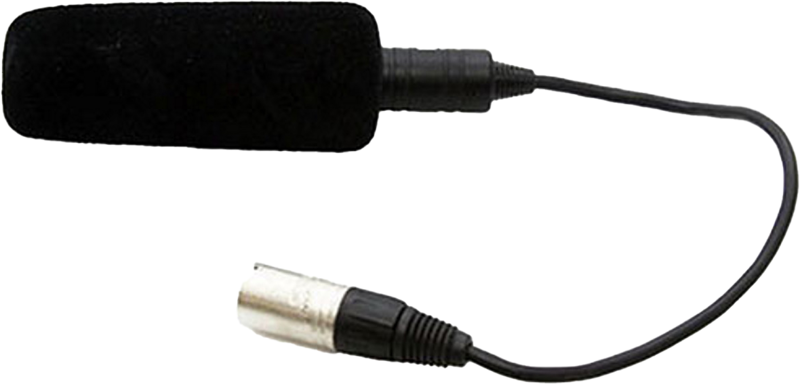
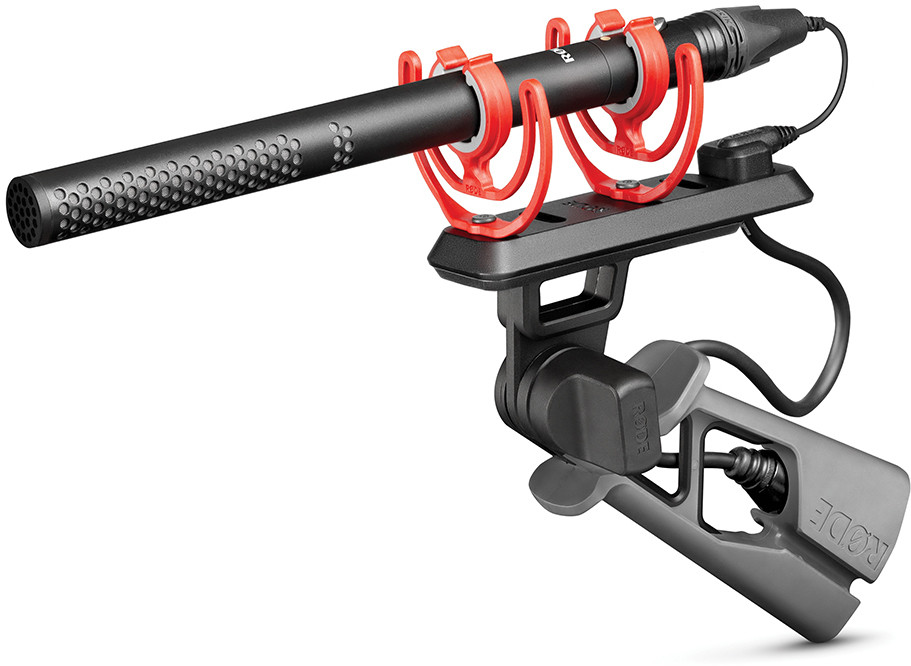
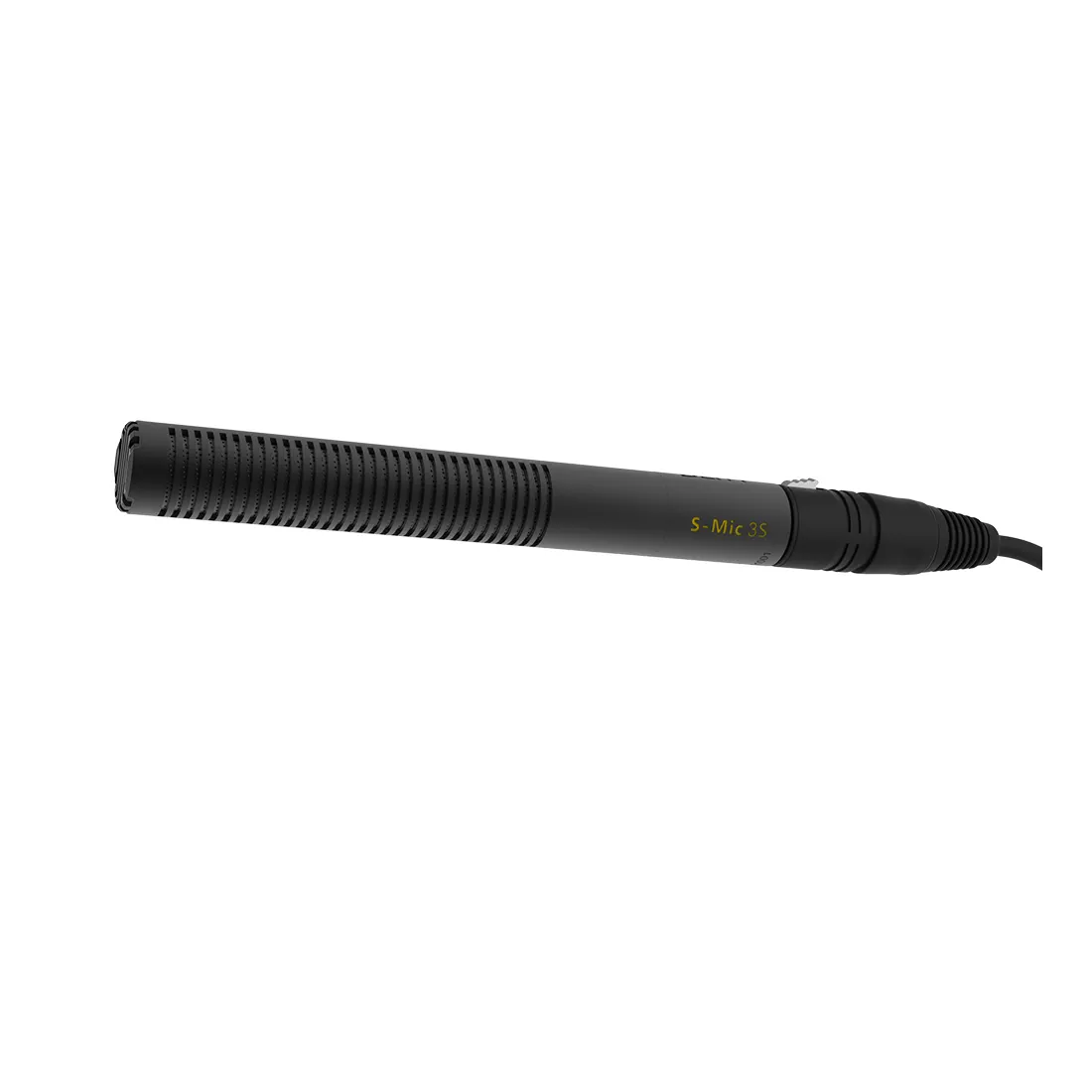
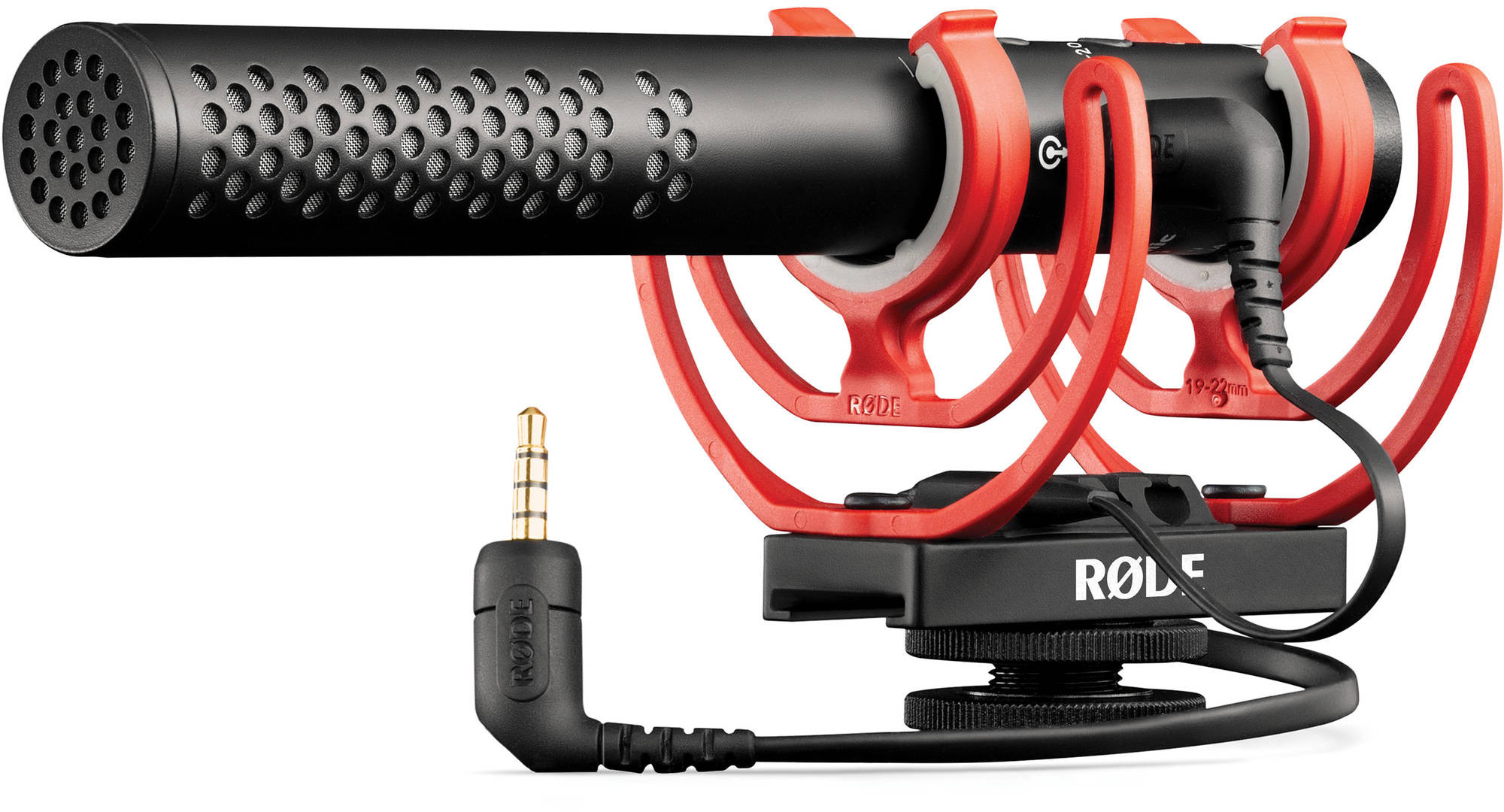
Not every shoot allows for a dedicated sound mixer holding a boompole. For solo creators relying on lighter, mobile rigs, shorter shotgun designs and directional video mics provide the necessary forward focus without destabilizing gimbals or blocking wide-angle lenses. Equipping these with robust shockmounts ensures that handling vibrations do not transfer into your audio track during fast-paced, run-and-gun operations.

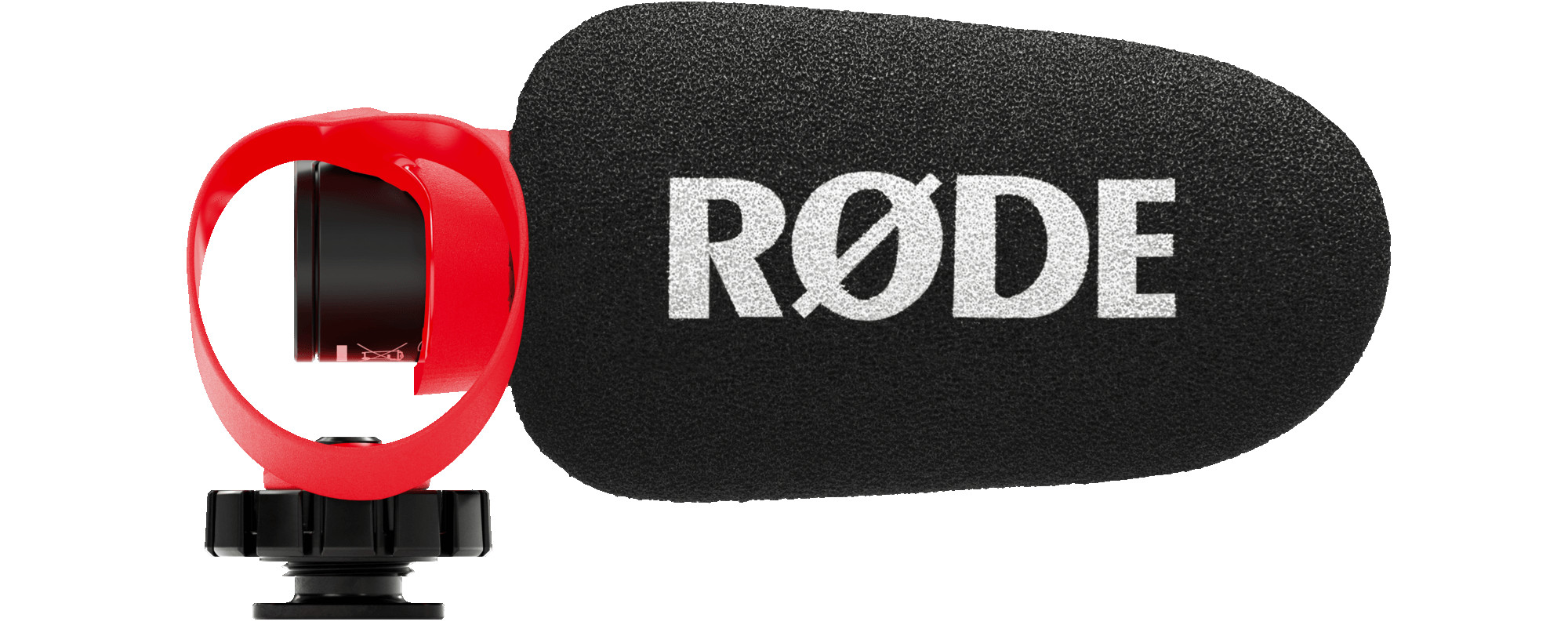
Why Shotguns Fail in Untreated Indoor Spaces
We frequently see productions ruin pristine 4K corporate interviews because they pointed a long shotgun microphone at a subject sitting in an untreated, glass-walled conference room. Many creators assume a highly directional microphone will automatically cut through the echo in an office. In practice, the exact opposite occurs.
In reflective acoustic spaces, sound bounces off hard walls, floors, and desks, returning to the microphone capsule mere milliseconds after the direct voice. According to technical documentation from Shure, an interference tube cannot accurately cancel these rapid, off-axis early reflections. Instead of rejecting the echo, the tube colors it. This creates a hollow, unnatural phase-cancellation effect that makes your professional talent sound as if they are speaking inside a tin can.
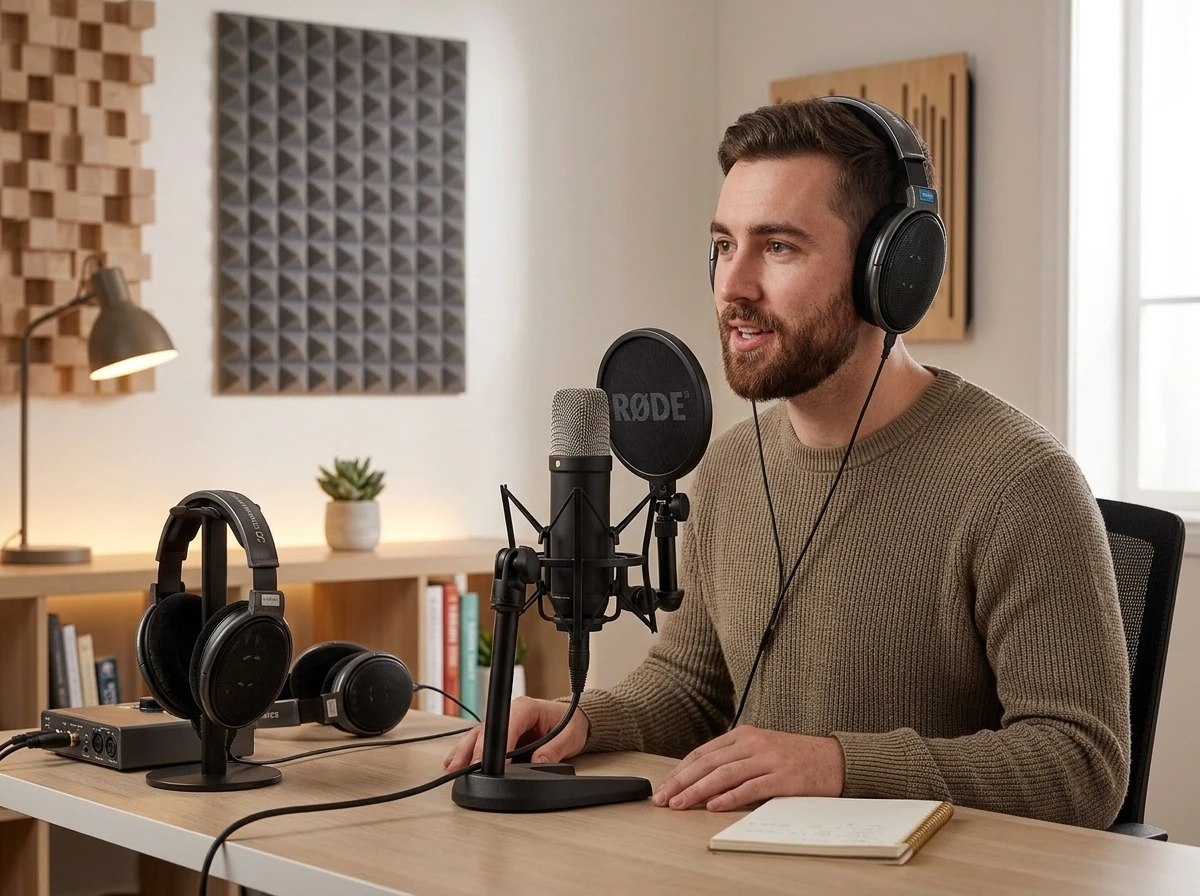
For indoor studios, podcasts, and voiceovers, standard condenser microphones are drastically superior. LDCs capture room reflections smoothly without frequency coloration, and their design encourages you to position the microphone much closer to the speaker – typically one to three feet away. This closer proximity naturally increases the volume of the voice relative to the ambient room echo, yielding a warm, broadcast-ready tone. Whether you are outfitting a permanent studio or simply selecting a desk microphone for video, a large-diaphragm condenser delivers the uncompromised clarity that high-end productions demand.
-
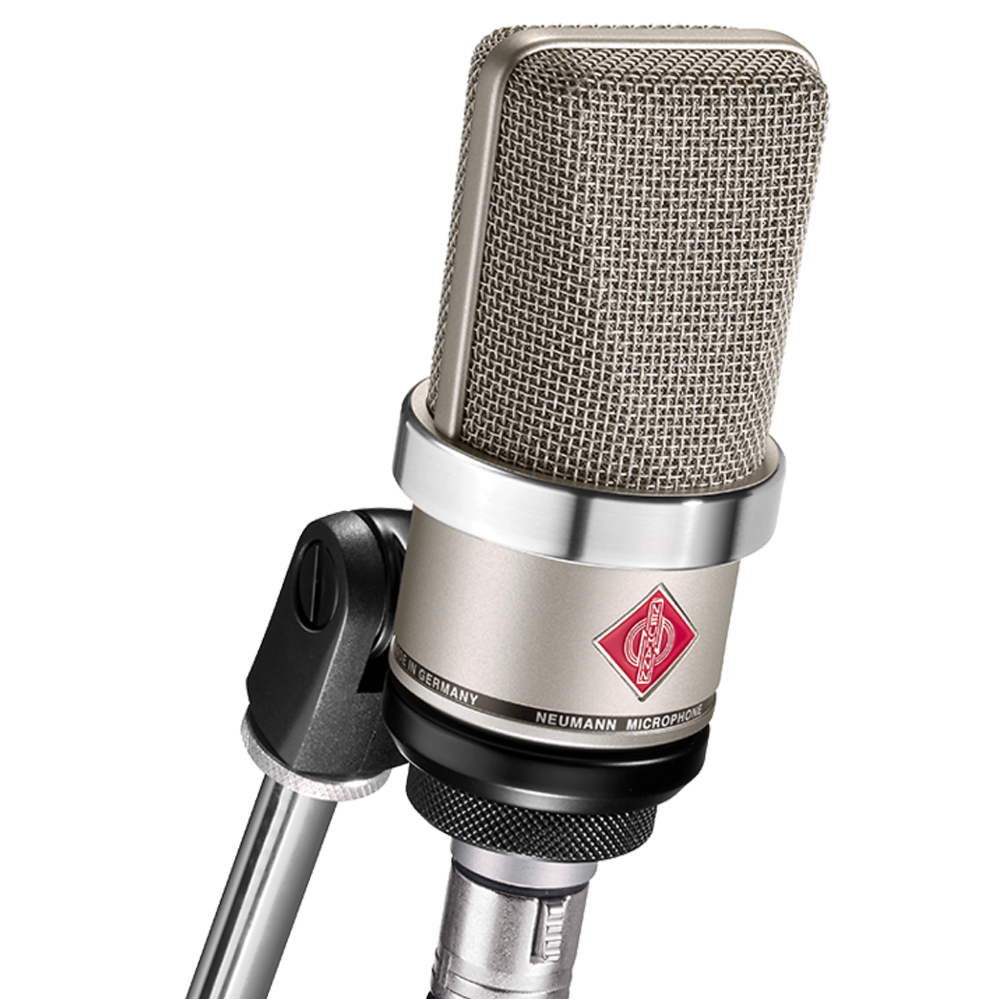
 Microphones
NEUMANN TLM 102
€ 582.11€ 721.82 (incl. VAT) -
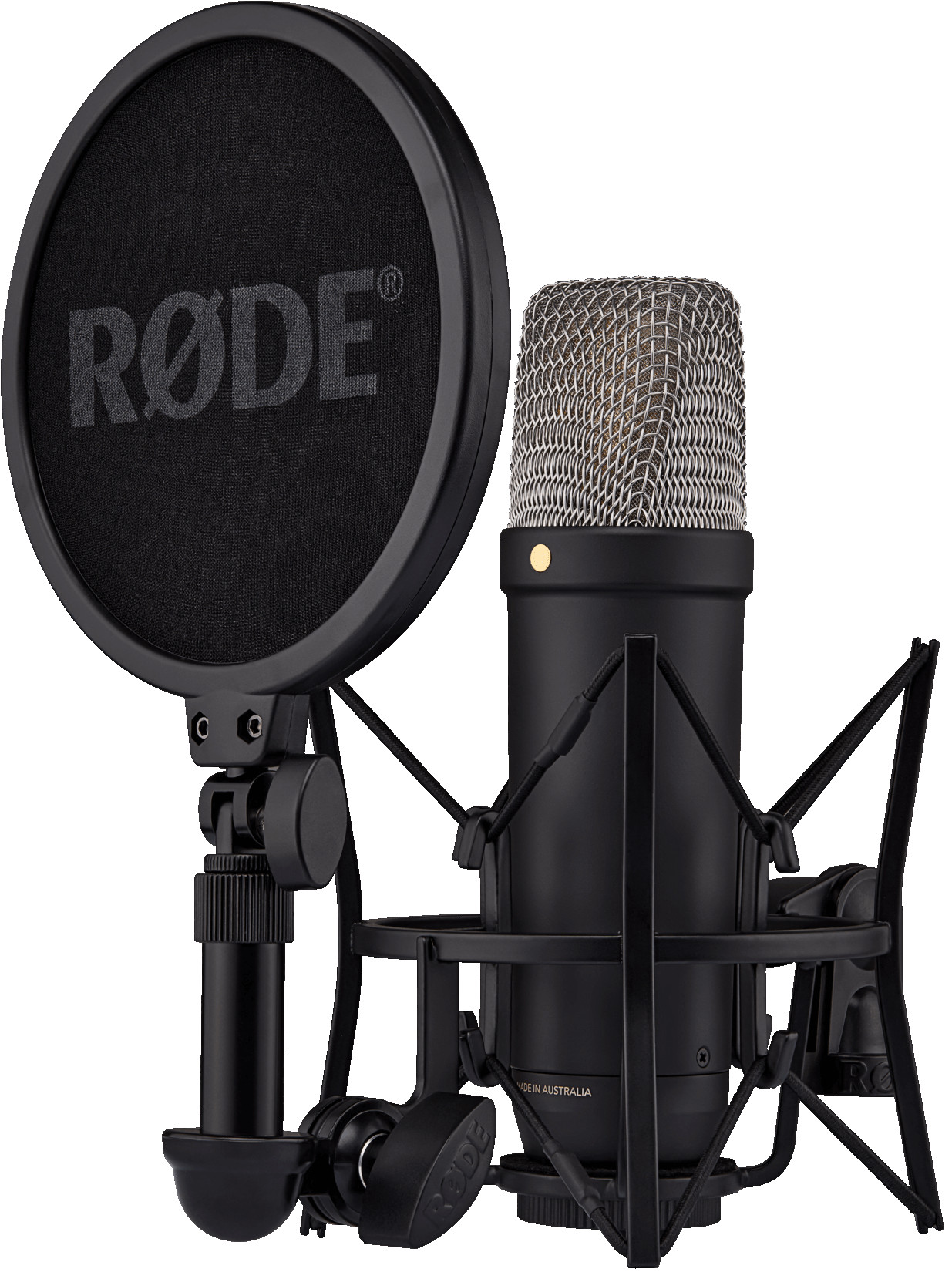
 Microphones
RODE microphone NT1 5th Generation, black (NT1GEN5B)
€ 215.20€ 266.85 (incl. VAT) -
 Microphones
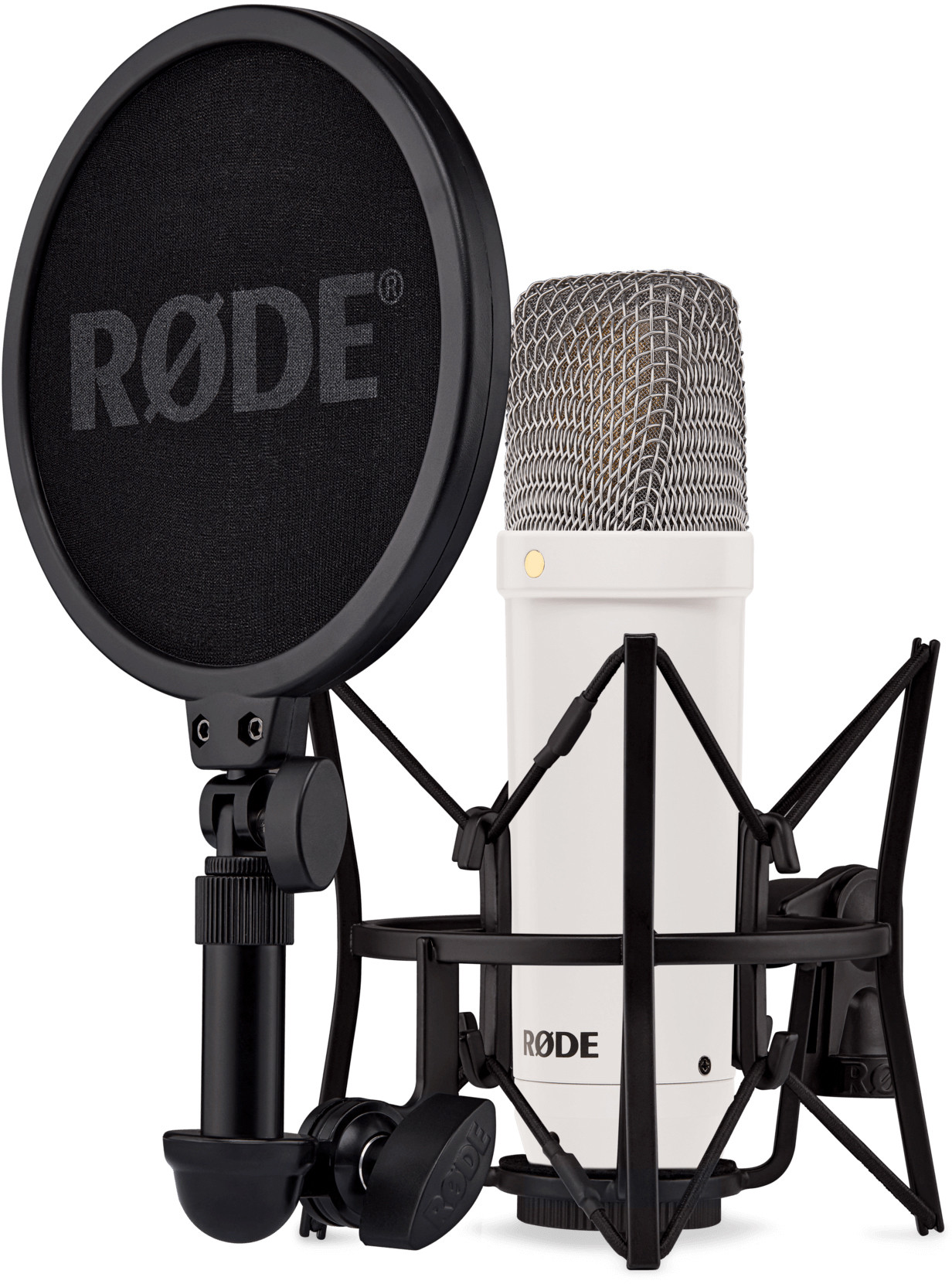
RODE microphone NT1 Signature Series, white
€ 159.20€ 197.41 (incl. VAT) -
 Microphones
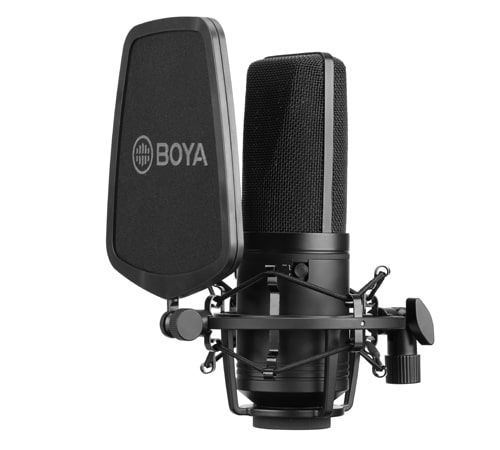
BOYA BY-M1000 large diaphragm condenser microphone
€ 119.00€ 147.56 (incl. VAT)IN STOCK
Technical Setup and Hardware Integration
Whether you deploy a shotgun for its outdoor reach or a condenser for its studio warmth, integrating these tools into your broader recording ecosystem requires strategic planning. Both professional microphone types generally demand 48V phantom power to operate. While some consumer-oriented models utilize internal batteries or rely on 3.5mm plug-in power from a mirrorless camera, running proper XLR connections guarantees a significantly lower noise floor and secure, locking cables.
Sending a complex audio signal directly into a camera often crushes your dynamic range due to inferior internal preamps. We always recommend routing your microphones through dedicated audio recorders. Modern field recorders utilizing 32-bit float technology provide massive dynamic headroom, ensuring that sudden unscripted shouts or quiet whispers are captured cleanly without digital clipping.
As your production scales up, you must account for workflow complexities like phase cancellation and crosstalk. If you are tasked with miking a panel discussion, understanding how to configure a microphone for multiple speakers will dictate whether you use overhead booms or switch to individual wireless Deity Microphones ecosystems. For incredibly fast-paced stage scenarios where proximity control is impossible, you may even need to evaluate lavalier versus handheld microphone dynamics to ensure every voice is isolated correctly.
Quick Comparison Matrix
| Feature | Shotgun Microphones | Condenser Microphones (LDC) |
|---|---|---|
| Primary Environment | Outdoors, large soundstages | Treated indoor studios, voiceover desks |
| Directionality | Lobar / highly directional | Cardioid / wider pickup |
| Off-Axis Rejection | Aggressive (10-18dB reduction) | Smooth, natural fade |
| Optimal Distance | 2 to 5 feet | 1 to 3 feet |
| Indoor Performance | Often colors reflections unnaturally | Natural, uncolored room sound |
Key Takeaways
- Deploy shotgun microphones for outdoor shoots, narrative film sets, and environments where you must aggressively reject off-axis wind and ambient noise from a distance.
- Avoid using long shotgun mics in small, untreated rooms with hard surfaces, as the interference tube will create unnatural phase issues with early acoustic reflections.
- Utilize large-diaphragm condenser microphones for indoor talking-head videos, podcasts, and voiceovers to achieve a rich, broadcast-quality tone with a smooth response to room acoustics.
- Halve the physical distance between your talent and the microphone to significantly improve your direct-to-ambient sound ratio, regardless of the hardware you select.
- Always pair professional XLR microphones with high-quality, external audio recorders to bypass weak camera preamps and lower your overall recording noise floor.
Are you upgrading your production audio workflow? Browse our carefully curated selection of professional microphones to find the exact hardware tailored to your filming environment, or reach out to our technical team for custom AV installation advice.