How to Shape Video Mood With Colored Lighting
Flat, lifeless footage is the fastest way to lose an audience’s attention. If your scenes lack emotional depth, the missing ingredient is likely colored lighting. Over our two decades supplying broadcast sets, we’ve seen how precise color control transforms basic framing into unforgettable visual storytelling.
The Psychology of Color in Visual Storytelling
Lighting establishes atmosphere before a single line of dialogue is spoken. The human brain subconsciously interprets color variations as emotional cues, allowing you to reveal themes and shape the viewer’s emotional response. Directors deliberately use distinct color palettes to ground their narratives and signal shifts in the story.
Saturated reds often signal danger, passion, or unspoken desire, famously utilized in In the Mood for Love to create thick emotional tension. Conversely, low-key lighting with piercing neon blues and grays evokes melancholy, isolation, or cold clinical realities, as seen in the dystopian environments of Blade Runner 2049.
When you plan your lighting setup, consider the narrative purpose of the scene. Are you creating a warm, nostalgic interview setting, or a tense, high-contrast dramatic sequence? Modern LED panels equipped with variable color temperature and RGBWW technology give you access to millions of colors instantly, eliminating the need for cumbersome physical gels while delivering pristine, saturated light output.
Using Color Temperature to Establish Atmosphere
Before introducing highly saturated RGB colors, the foundation of your scene’s mood relies on Correlated Color Temperature (CCT). Measured in Kelvin (K), color temperature dictates how warm (orange/red) or cool (blue) your base light appears. In our experience working with professional studios, cinematographers achieve the most striking results by strategically mixing differing color temperatures.
For example, using a warm 3000K key light on your subject while utilizing a 5600K backlight mimicking sunlight through a window creates a natural, visually appealing contrast. The subject feels warm and inviting, while the background feels distinct and dimensional.
Here is a practical reference for standard color temperatures and their narrative effects:
| Color Temperature | Light Source Equivalent | Emotional Effect & Use Case |
|---|---|---|
| 3200K | Indoor Tungsten | Warm, inviting, intimate (standard for talking-head content) |
| 4000K | Mixed / Neutral | Flexible, neutral baseline for varied indoor environments |
| 5600K | Midday Daylight | Natural, alert, energetic (ideal for outdoor simulation) |
| 10,000K | Clear Blue Sky | Cold, stark, melancholic, isolating |
Variable color temperature control is now standard on professional video gear. Utilizing full-color spot lights allows you to dial in the exact Kelvin value required to match practical lamps in your scene or contrast with the ambient environment seamlessly.
-
 -21%Spot lights
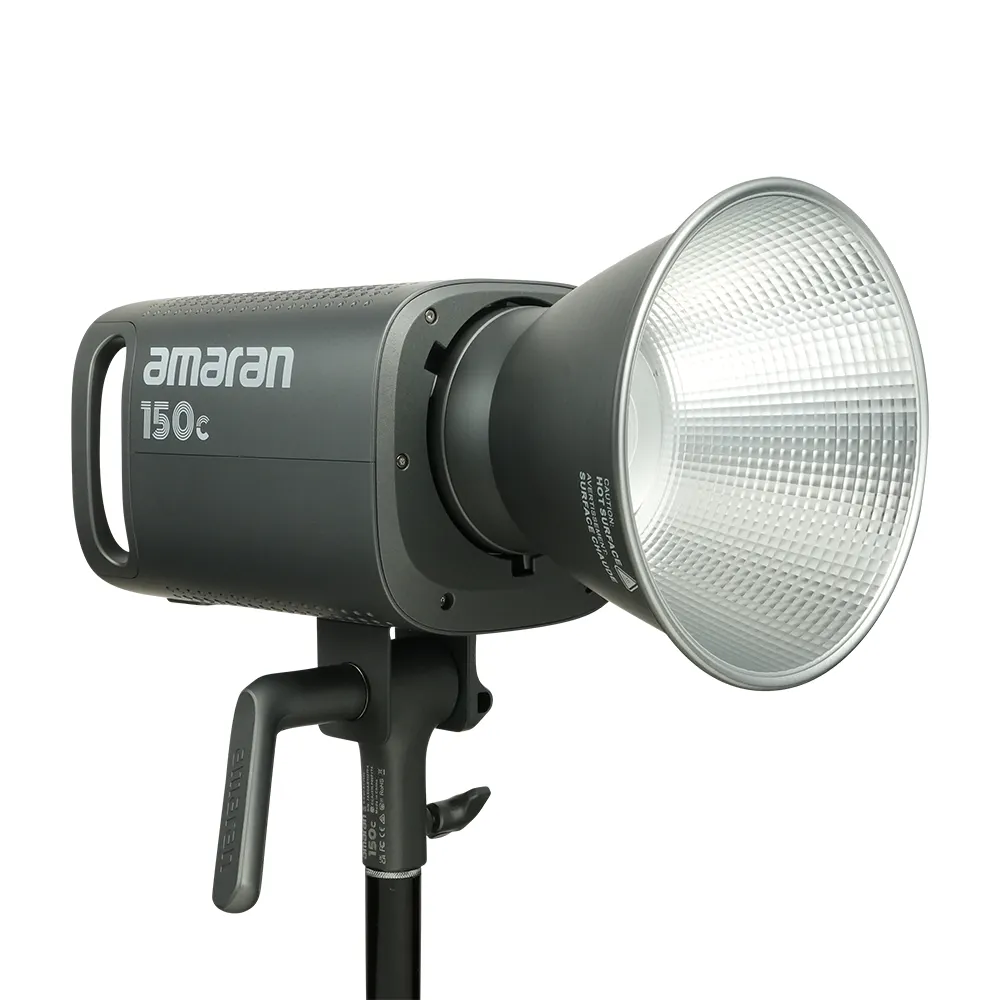
AMARAN 150c full-color Bowens-mount point-source LED light, GREY
Original price was: € 359.00.€ 284.00Current price is: € 284.00.€ 352.16 (incl. VAT)IN STOCK -
-21%Spot lights
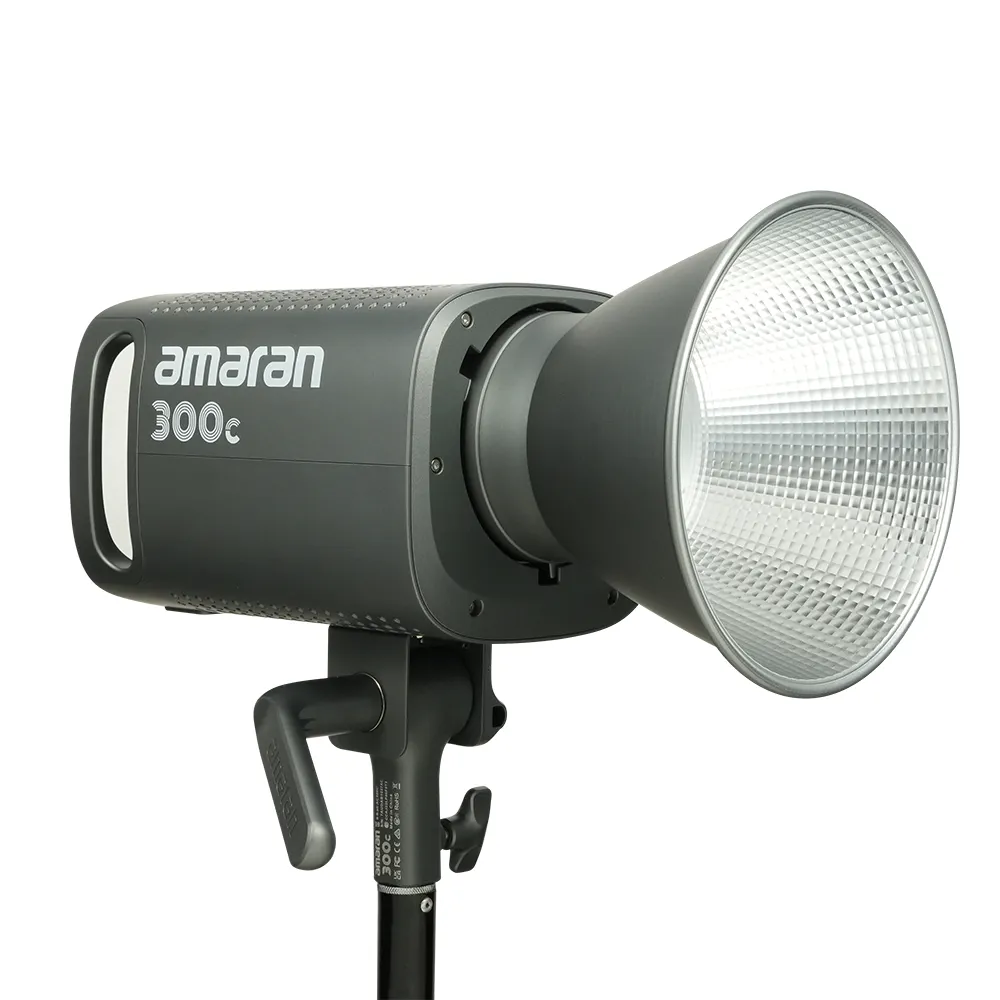
AMARAN 300c full-color Bowens-mount point-source LED light, GREY
Original price was: € 569.00.€ 450.00Current price is: € 450.00.€ 558.00 (incl. VAT)IN STOCK
Technical Foundations: Color Accuracy on Camera
Applying color to a scene is only effective if your camera sensor can interpret those hues accurately. A common trap for emerging content creators is investing in consumer-grade smart bulbs, only to find their log footage plagued by magenta or green color shifts and sickly skin tones. Professional video demands high color rendition from the source.
While CRI (Color Rendering Index) is widely referenced, the Television Lighting Consistency Index (TLCI) developed by the European Broadcasting Union is the premier standard for digital video cameras. A high TLCI score ensures that the light spectrum interacts flawlessly with digital sensors, measuring accuracy across 24 specific test colors, including critical skin tones on color checker cards.
Industry standards dictate a minimum of 90+ for CRI and TLCI, but for high-end product video and commercial work, you should target fixtures rated 95+. Advanced point-source LEDs utilize complex color-blending optical designs and proprietary chipsets to ensure perfectly clean whites and accurate skin tones, even when dialed into extreme color temperatures.
Lighting Frameworks for Subject Separation
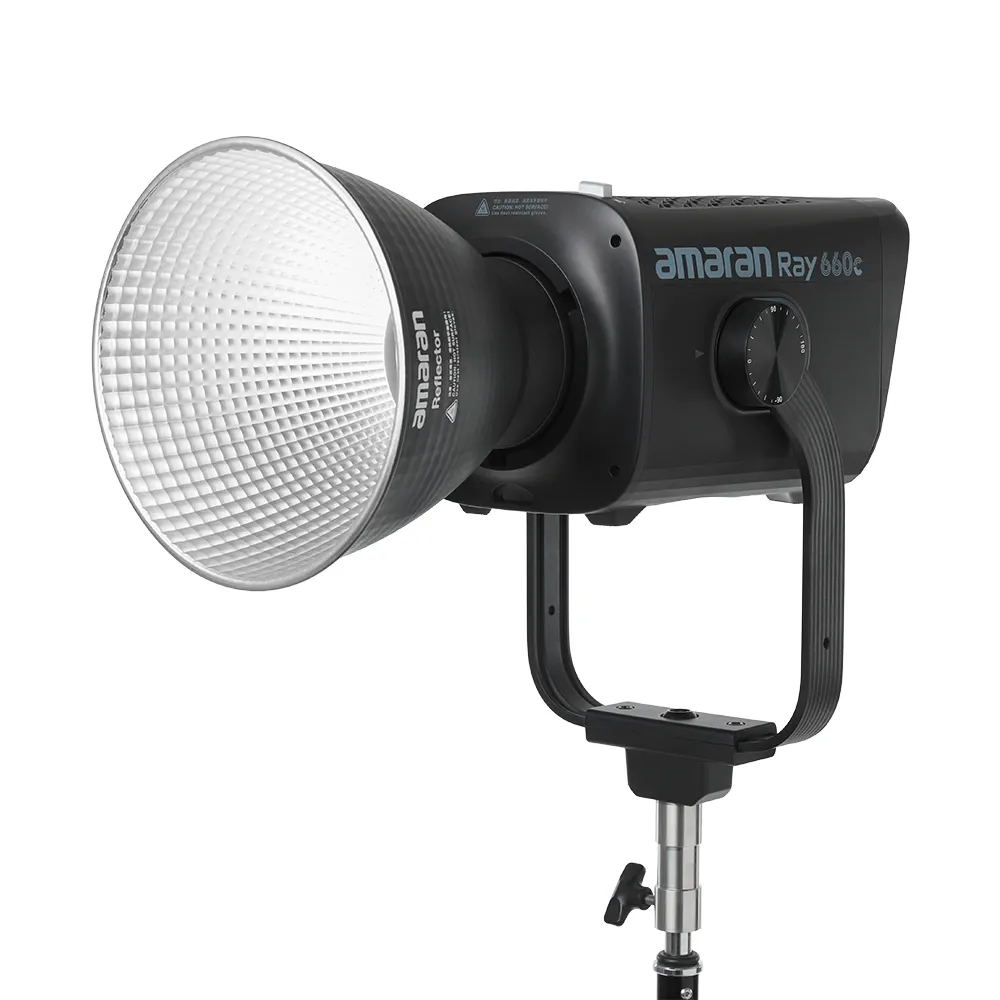
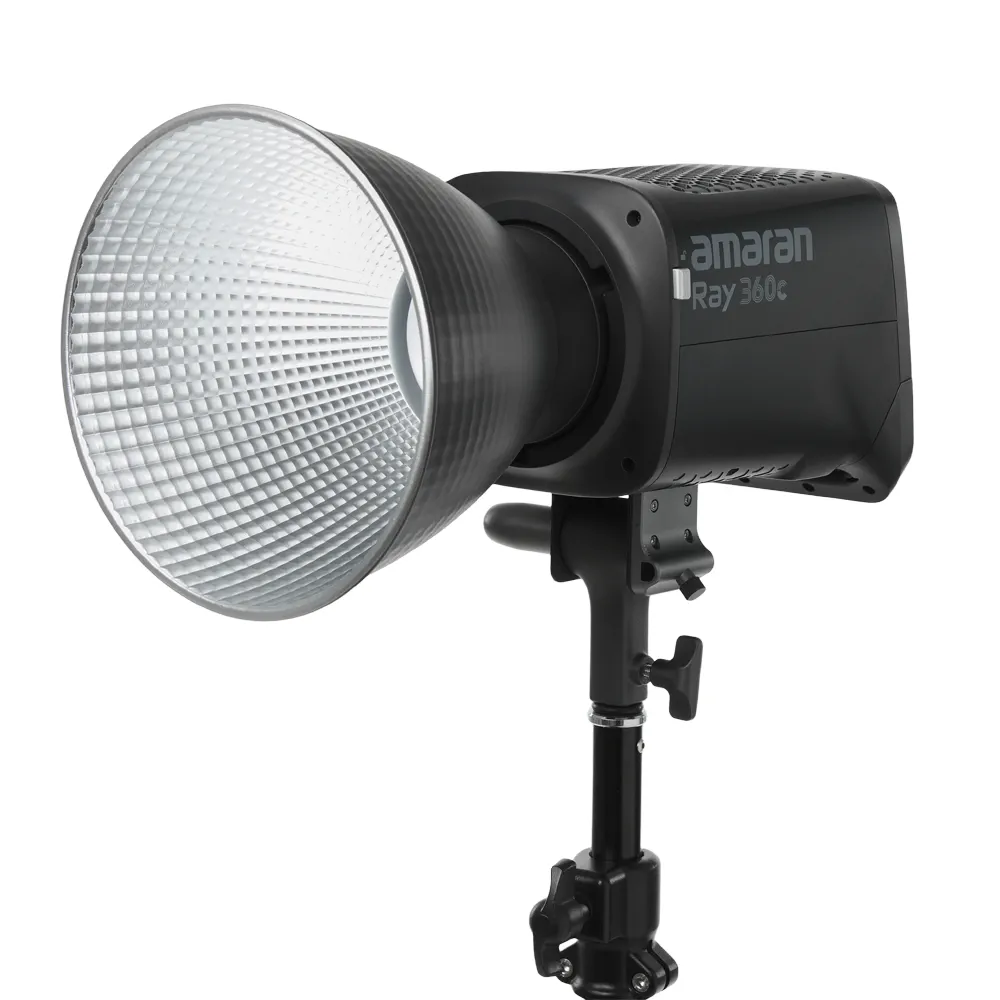
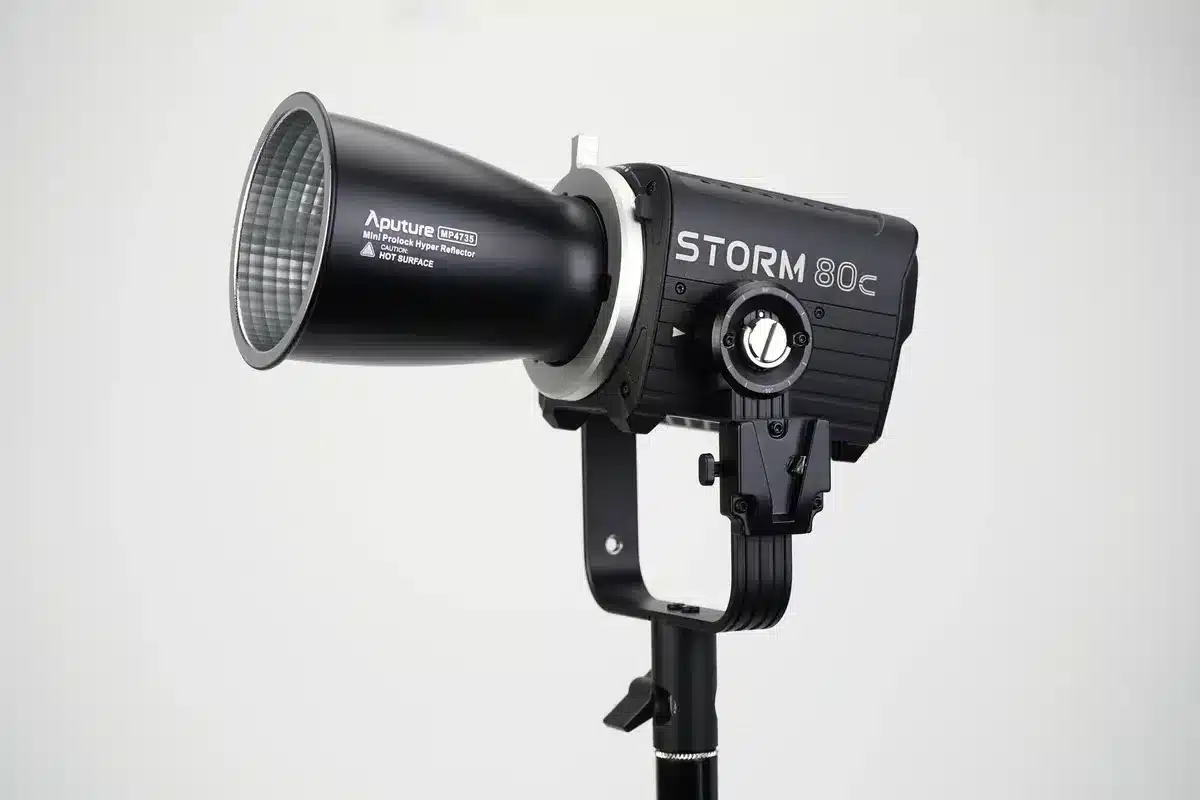
One of the primary technical uses for colored light is subject separation – pulling your talent away from the background to create three-dimensional depth on a two-dimensional screen. The most reliable technique for this is complementary color contrast. By pairing opposite colors on the color wheel, you create visual drama and guide the viewer’s eye.
A classic example prevalent in modern social media aesthetics and feature films is the orange and blue look. Warming up the subject’s skin tones with an orange key light while casting a cool blue wash over the background forces the subject to stand out. To execute this practically, tube and ring lights are exceptional tools. They can be hidden behind furniture to wash a back wall in deep purple, blue, or red – colors that photograph exceptionally well and do not get lost against white ambient light.
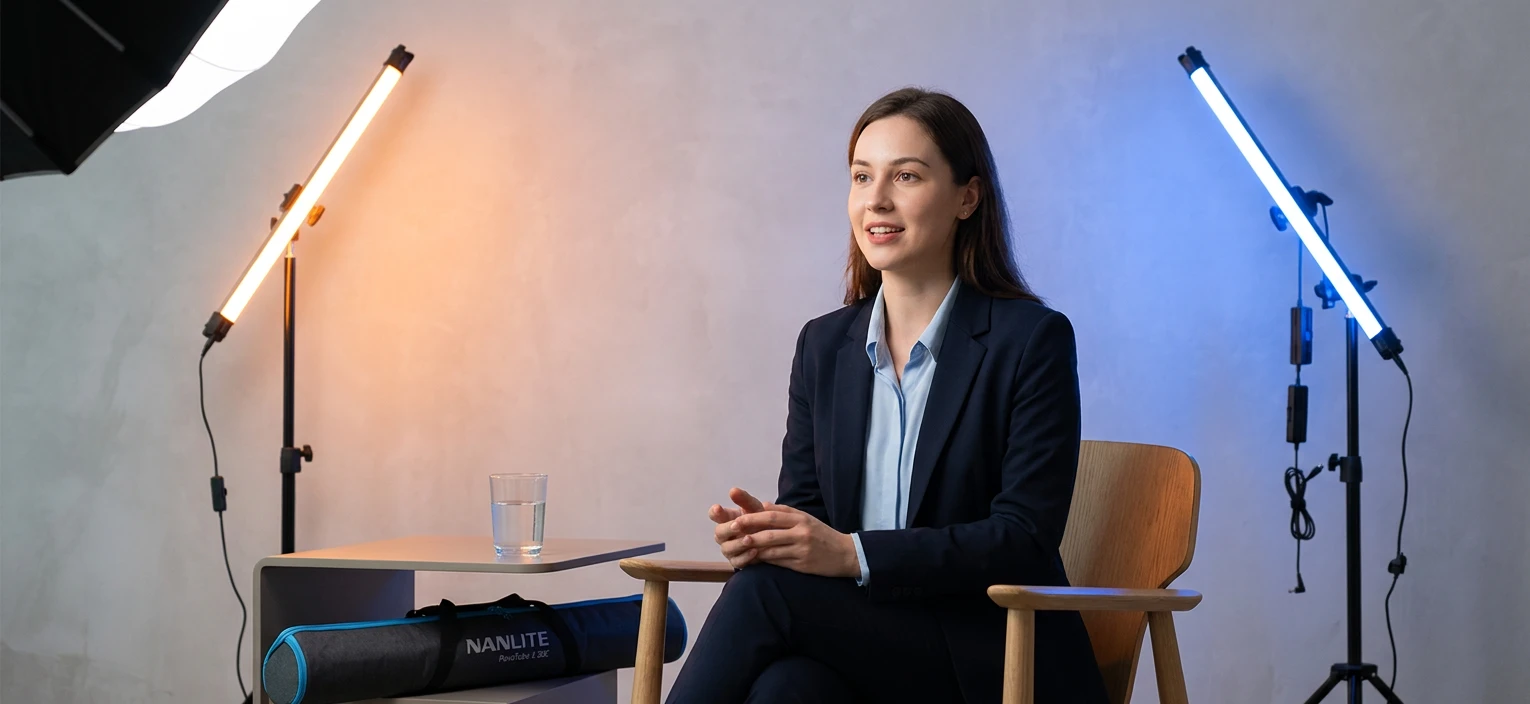
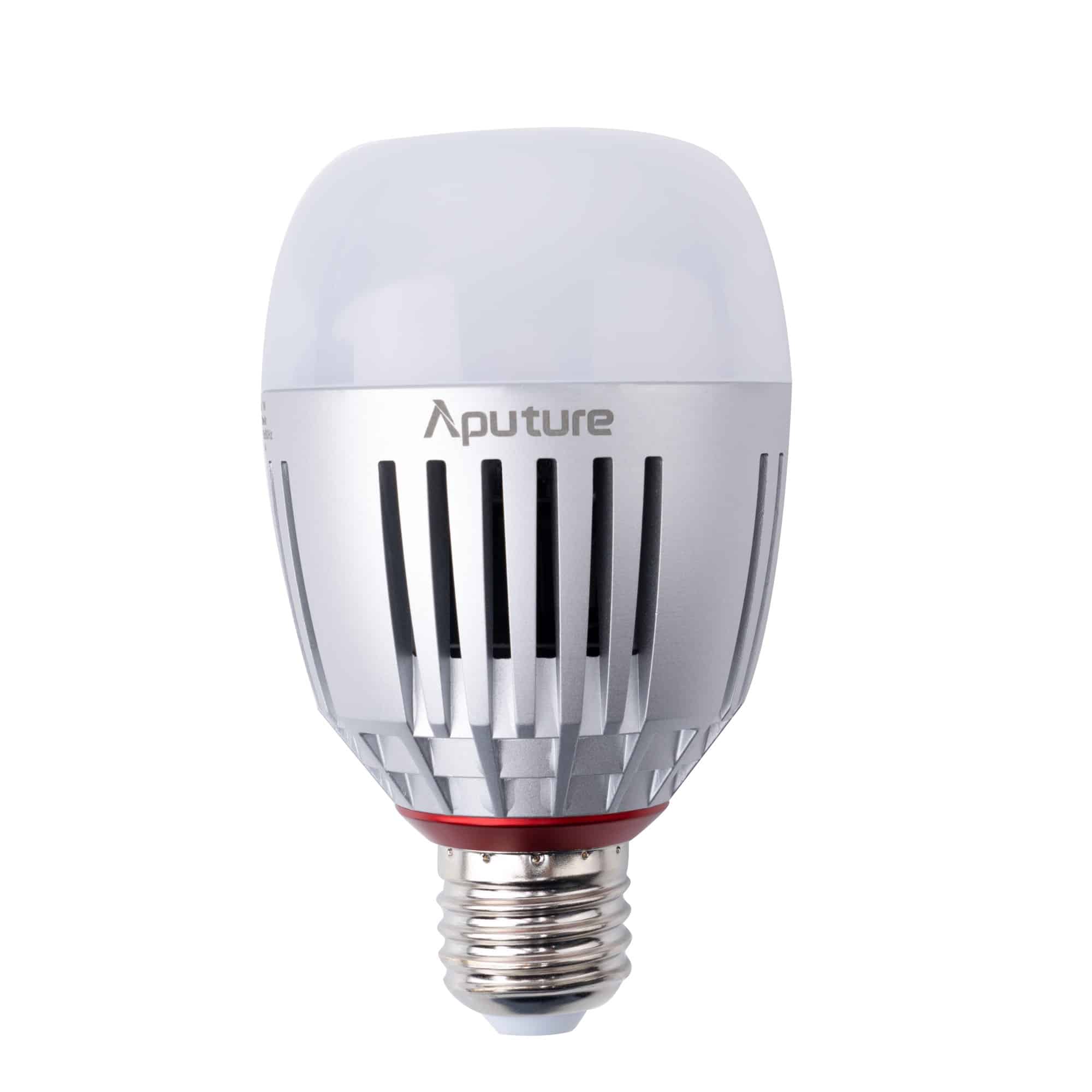
Furthermore, replacing visible on-set lamps with smart RGBWW bulbs gives you fully dimmable, color-tunable practicals that naturally motivate your lighting scheme.
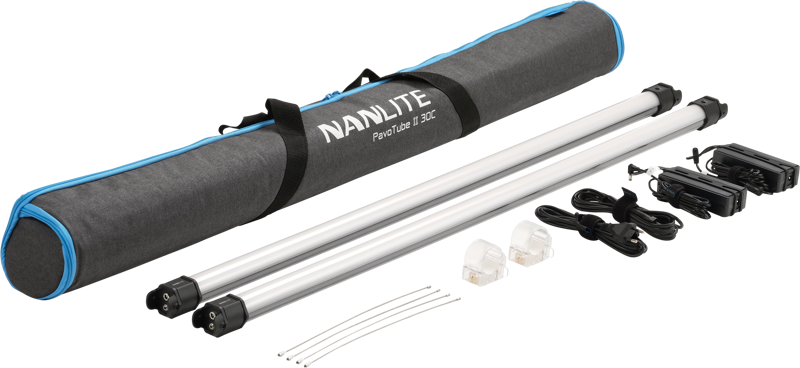
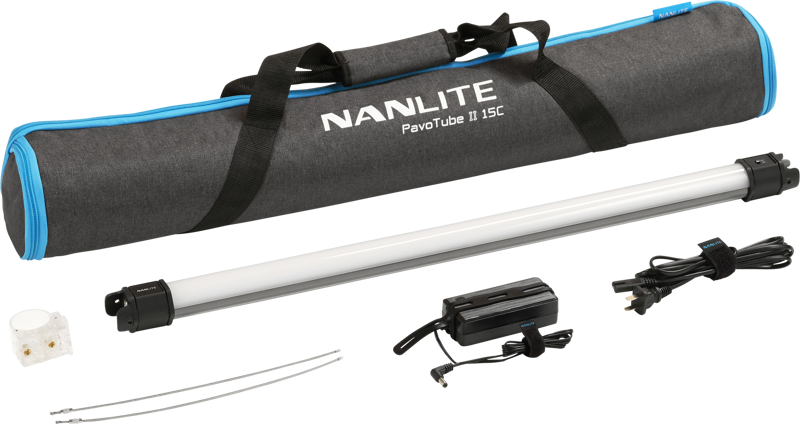
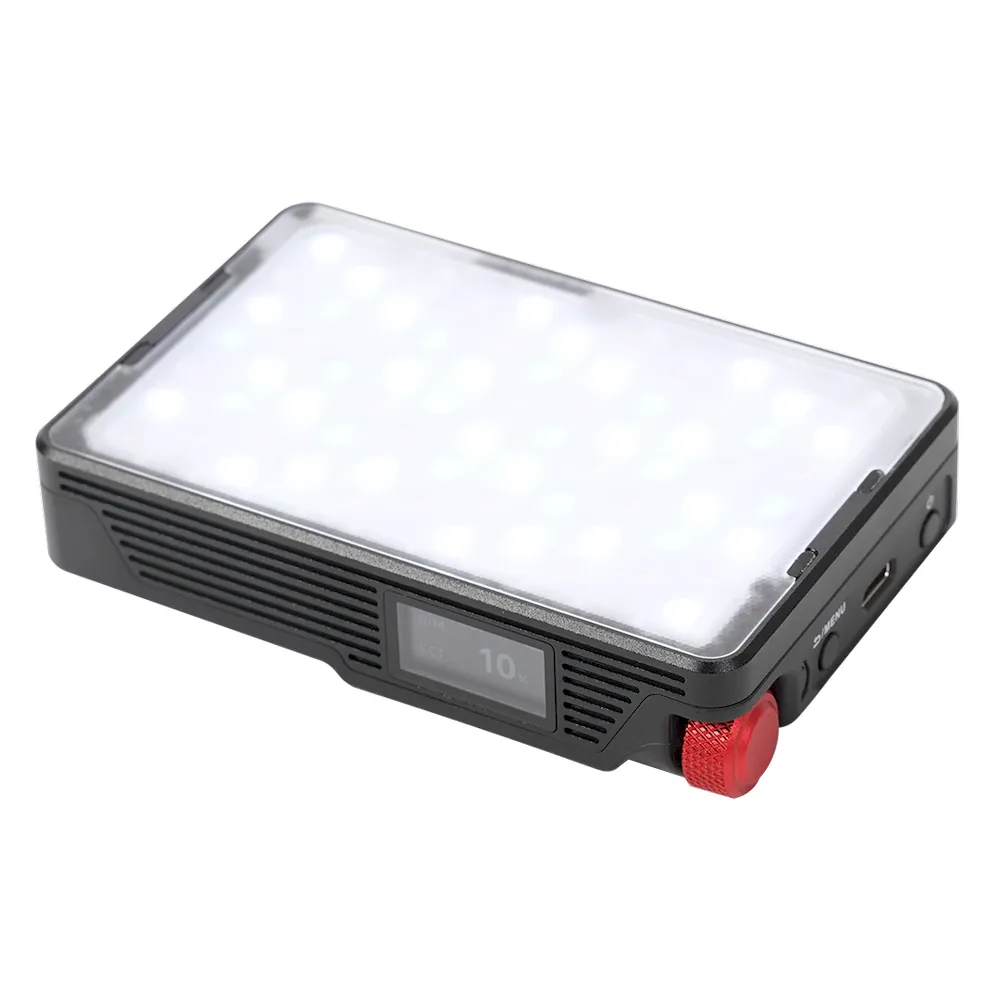
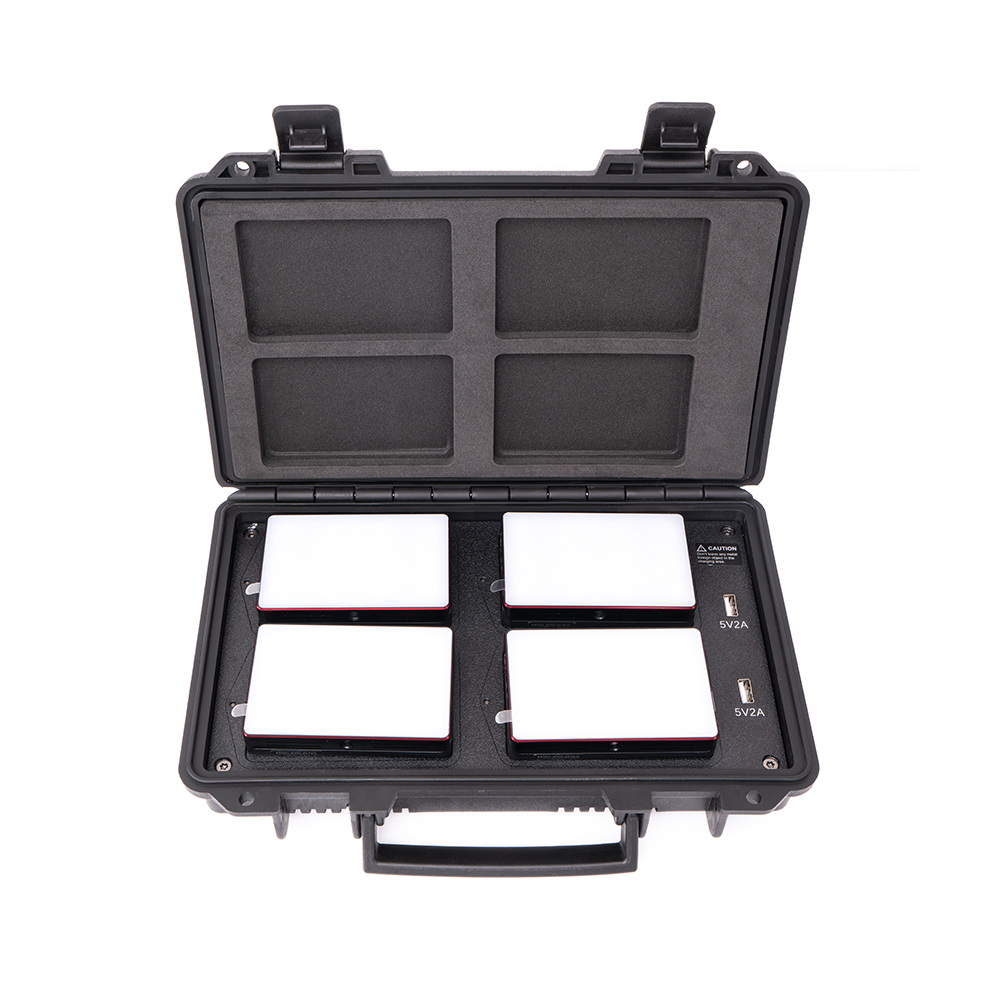
For travel and guerilla filmmakers, packing compact mini LED lights allows you to add specific splashes of color to backgrounds or create colored edge-lights on talent. These pocket-sized fixtures dramatically elevate the production value of location shoots without requiring a massive grip truck or extensive setup time.
Shaping the Light: Modifiers and Motivation
Adding colored light to a scene requires precise control. If a red background light spills onto your talent’s face, mixing with their warm key light, the result is a messy, unnatural visual. This is where light modifiers become as important as the lighting fixtures themselves.
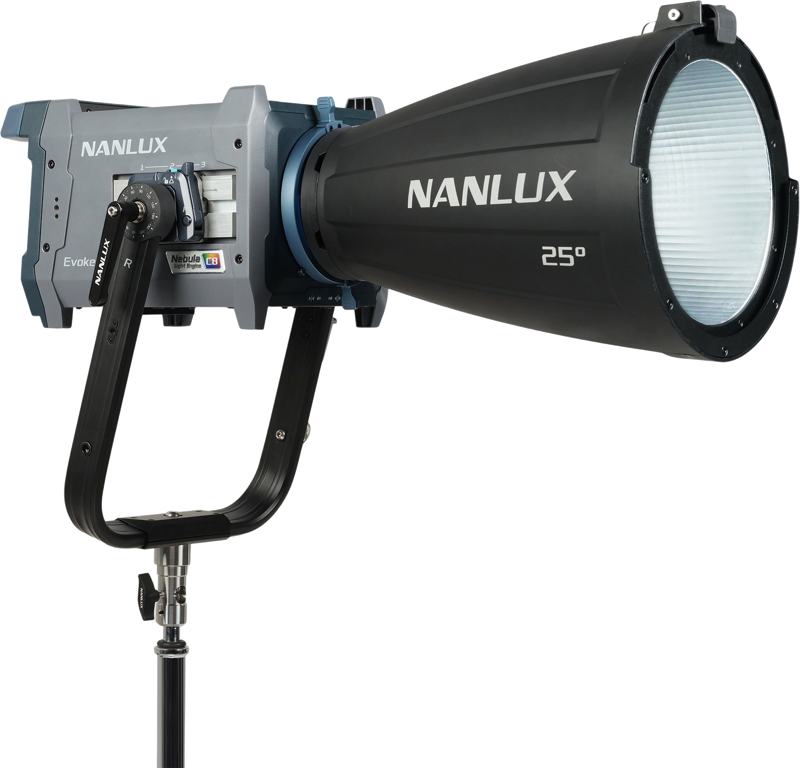
Using grids, barn doors, and optical snoots allows you to flag off colored light, ensuring it only hits intended architectural details. Additionally, consider the quality of the colored light. A harsh, direct colored spotlight creates sharp shadows and tension – ideal for a high-energy music video or dramatic thriller. Conversely, pushing a colored light through heavy diffusion creates a soft, ambient wash that feels atmospheric and ethereal.
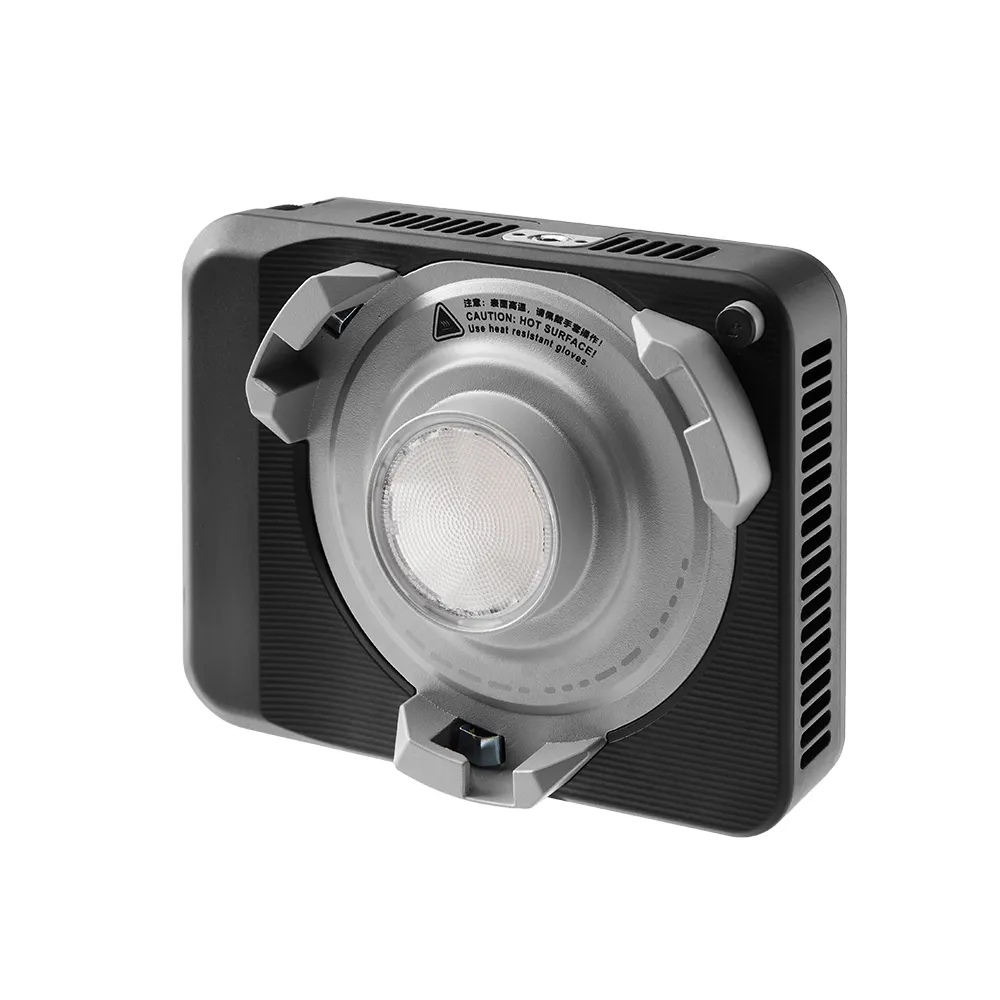
Shaping light effectively often requires serious output. High-output point-source fixtures ensure you have enough power to push saturated colors through dense diffusion or shape them precisely without losing proper exposure on your camera sensor.
Key Takeaways
- Color dictates emotion: Deliberately choose color palettes to support your narrative; reds and warm tones evoke passion or tension, while blues and cool tones suggest isolation or calm.
- Mix color temperatures for depth: Combining a warm 3200K key light with a cool 5600K backlight creates natural, cinematic color contrast without feeling over-stylized.
- Prioritize TLCI over CRI: For digital video, ensure your fixtures have a TLCI rating of 95+ to guarantee accurate, flattering skin tones and reduce post-production color correction.
- Use complementary colors for separation: Wash backgrounds in cool or deep colors (blues or purples) while keeping subjects in warm, natural light to create a three-dimensional look.
- Control spill with modifiers: Colored lighting only works when it is deliberate; use grids and flags to prevent background colors from muddying your subject’s key light.
Ready to elevate the visual quality of your next production? Our technical experts have decades of experience designing professional lighting solutions for broadcast studios and independent filmmakers. Explore our carefully curated selection of pro AV gear and contact our team at MediaGear for personalized advice on building a lighting package that meets your creative demands.