Capturing Clean Audio in High-Noise Environments
Capturing usable dialogue next to a busy highway or humming factory floor often feels like a losing battle against physics. Over our 20 years supplying professional AV gear, we’ve learned that achieving pristine clarity in acoustic chaos requires strategic microphone selection and precise placement, not just post-production fixes.
The Physics of Signal-to-Noise Ratio (SNR)
In any acoustic environment, your primary goal is maximizing the speech-to-noise ratio. High, steady broadband noise competes directly with the frequencies required for human speech intelligibility. When that ratio falls below +6 dB, the dialogue begins to sound muddy and disconnected.
The single most powerful technique for improving this ratio is minimizing the mic-to-mouth distance. Because sound pressure drops significantly as it travels, halving the distance between your talent and the microphone yields a 6 dB or greater rise in the direct-to-ambient sound ratio. As noted in clinical studies on speech-in-noise, listeners require at least a 3 dB improvement to notice a change in clarity. This means location sound strategy must focus on substantial physical advantages rather than relying solely on software manipulation.
Before pressing record, you must identify the type of noise you are fighting. Different acoustic threats require distinct mitigation strategies.
| Noise Type | Common Field Sources | Core Acoustic Mitigation Strategy |
|---|---|---|
| Broadband | Traffic, HVAC systems, heavy wind | Close-miking, heavy physical wind protection, high-pass filters |
| Narrow-band | Generators, machinery, alarms | Aiming microphone nulls toward the source |
| Impulsive | Door slams, sudden crowd bursts | 32-bit float recording, conservative gain staging |
| Reverberant | Gymnasiums, concrete factory floors | Tight supercardioid patterns, reducing mic distance |
Selecting the Right Microphones for the Elements
In a controlled studio, you have the luxury of choosing microphones based purely on their tonal characteristics. In an uncontrolled environment, off-axis rejection becomes the primary deciding factor. Shotgun microphones utilize an interference tube to create high directivity on-axis while strongly rejecting sound from the sides. For outdoor locations – like a bustling street corner or a windy field – a shotgun mic placed on a boom pole is the industry standard.
However, long shotguns can become problematic in highly reflective interiors. If you are shooting inside a loud, reverberant space like a manufacturing plant, the reflections can enter the side lobes of the interference tube and create unnatural comb-filtering. In these indoor situations, shorter supercardioid or hypercardioid microphones provide tighter pickup without the roomy coloration.
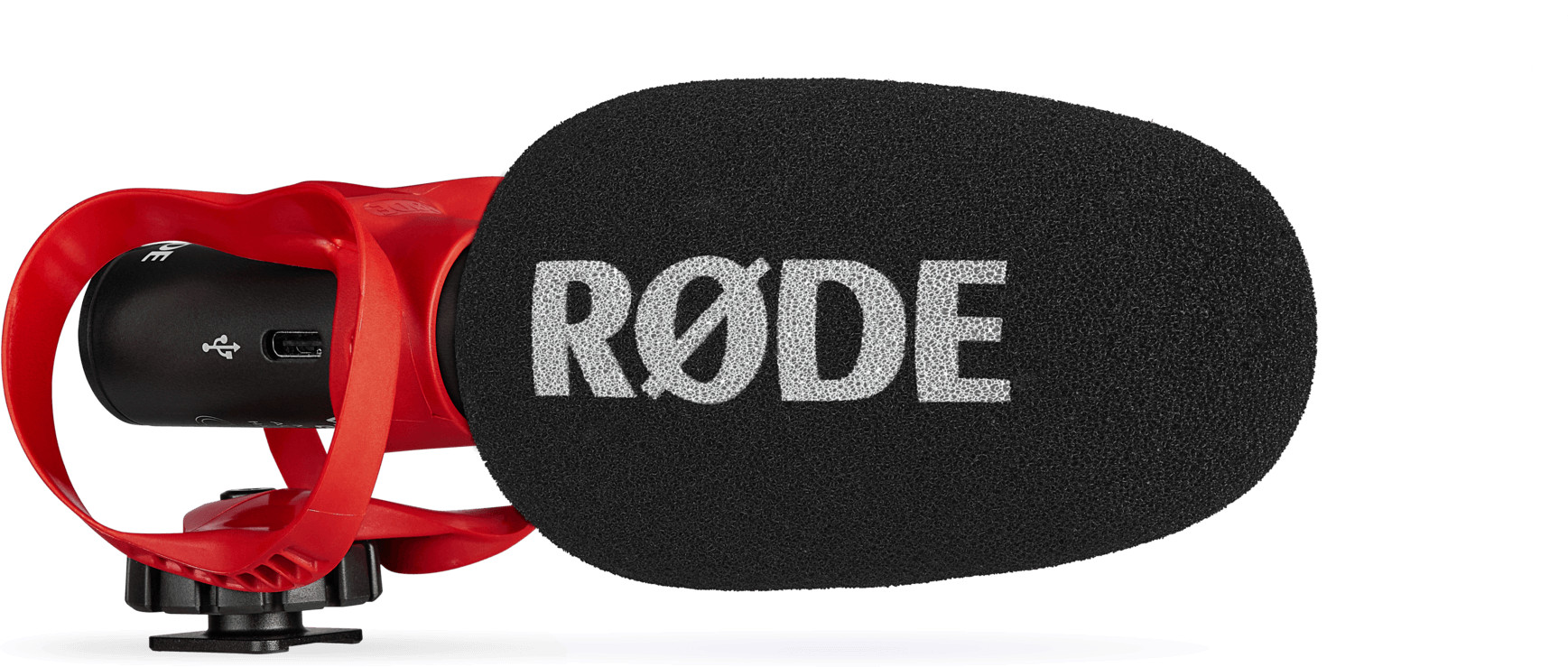
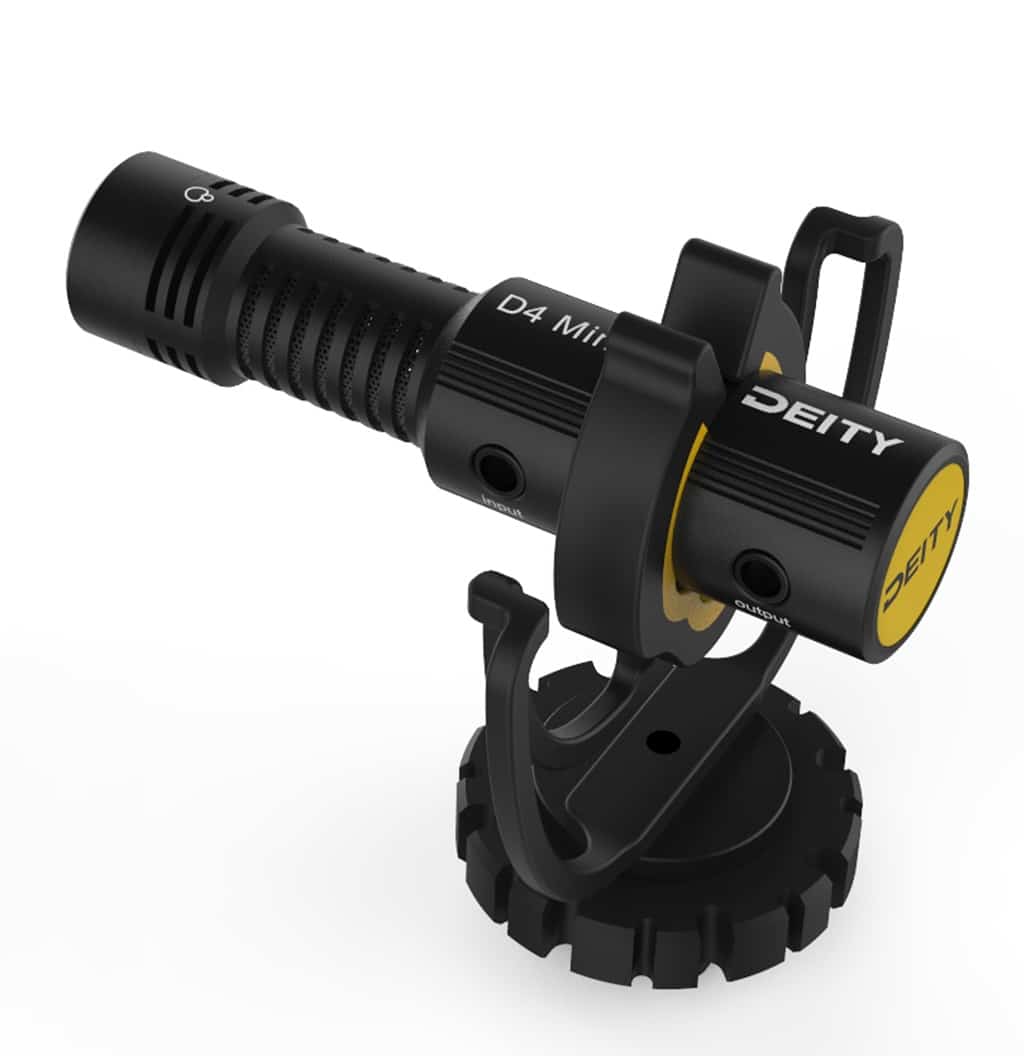
For run-and-gun documentary setups where a boom operator isn’t feasible, highly directional on-camera microphones provide an essential upgrade over built-in camera audio. These compact designs isolate the subject directly in front of the lens while naturally rejecting ambient noise from the surrounding environment.
The Power of Proximity: Booms and Lavaliers
When the environment is overwhelmingly loud, closing the physical gap between the capsule and the talent is non-negotiable. Boom operators are trained to track the chest, keeping the microphone just out of the camera frame while maintaining a consistent 15 to 30 cm distance. Booming from above usually captures a more natural vocal tone while rejecting floor and footfall noise.
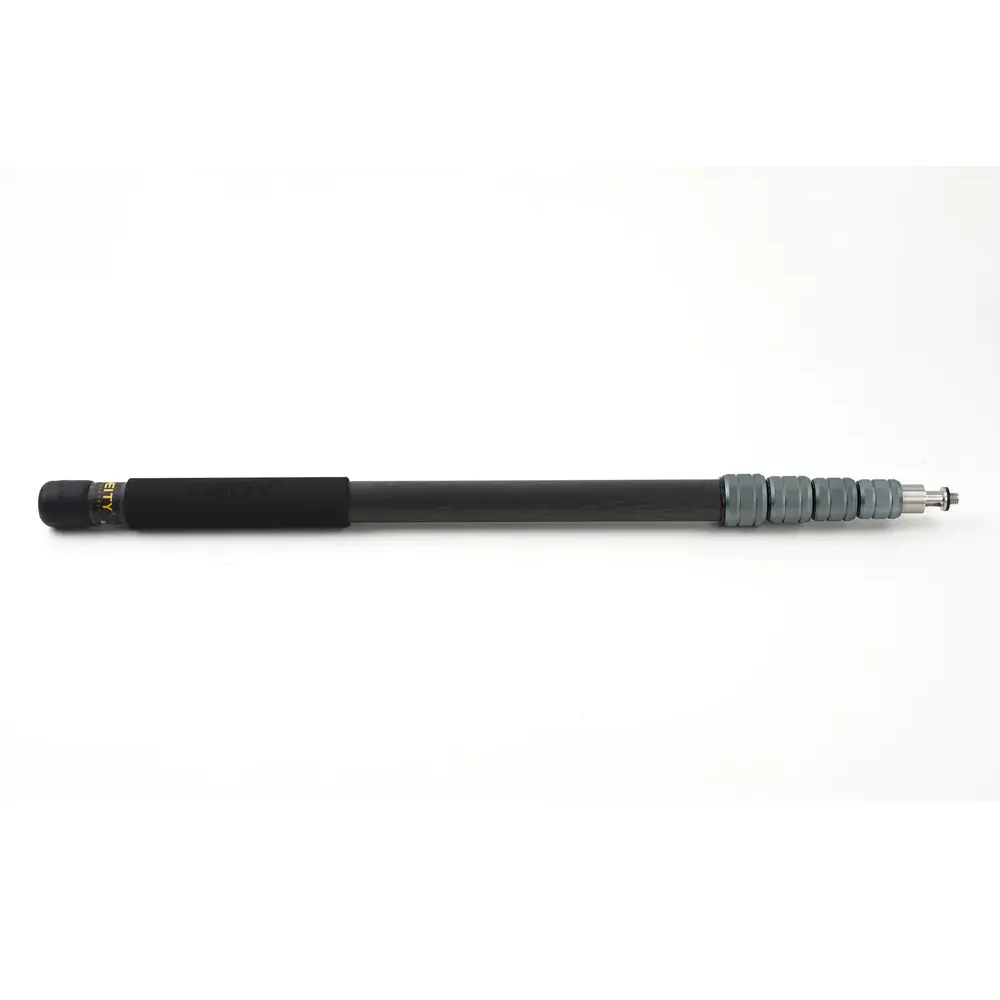
Booming from below is a viable alternative if overhead space is tight, though it risks capturing ceiling reflections. Because every movement can transfer low-frequency thumps into the audio track, pairing your microphone with a rigid, lightweight carbon fiber boom pole and a high-quality shock mount is critical.
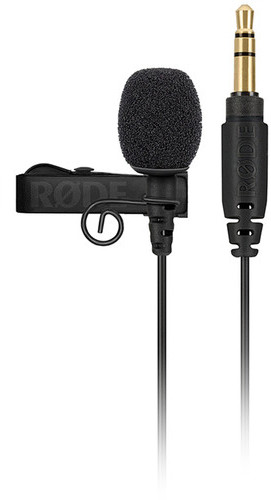
When wide camera angles make boom placement impossible, lavalier microphones become your primary defense. Placed directly on the sternum or collar, a lavalier sits close enough to the vocal cords that its proximity effect easily overpowers background chatter. The challenge with lavaliers in action-heavy or outdoor environments is clothing rustle and wind.
“In our experience on high-stakes corporate and live-event sets, a visible lavalier or headset that guarantees clean audio is always better than a poorly hidden microphone that captures clothing friction over the dialogue.”
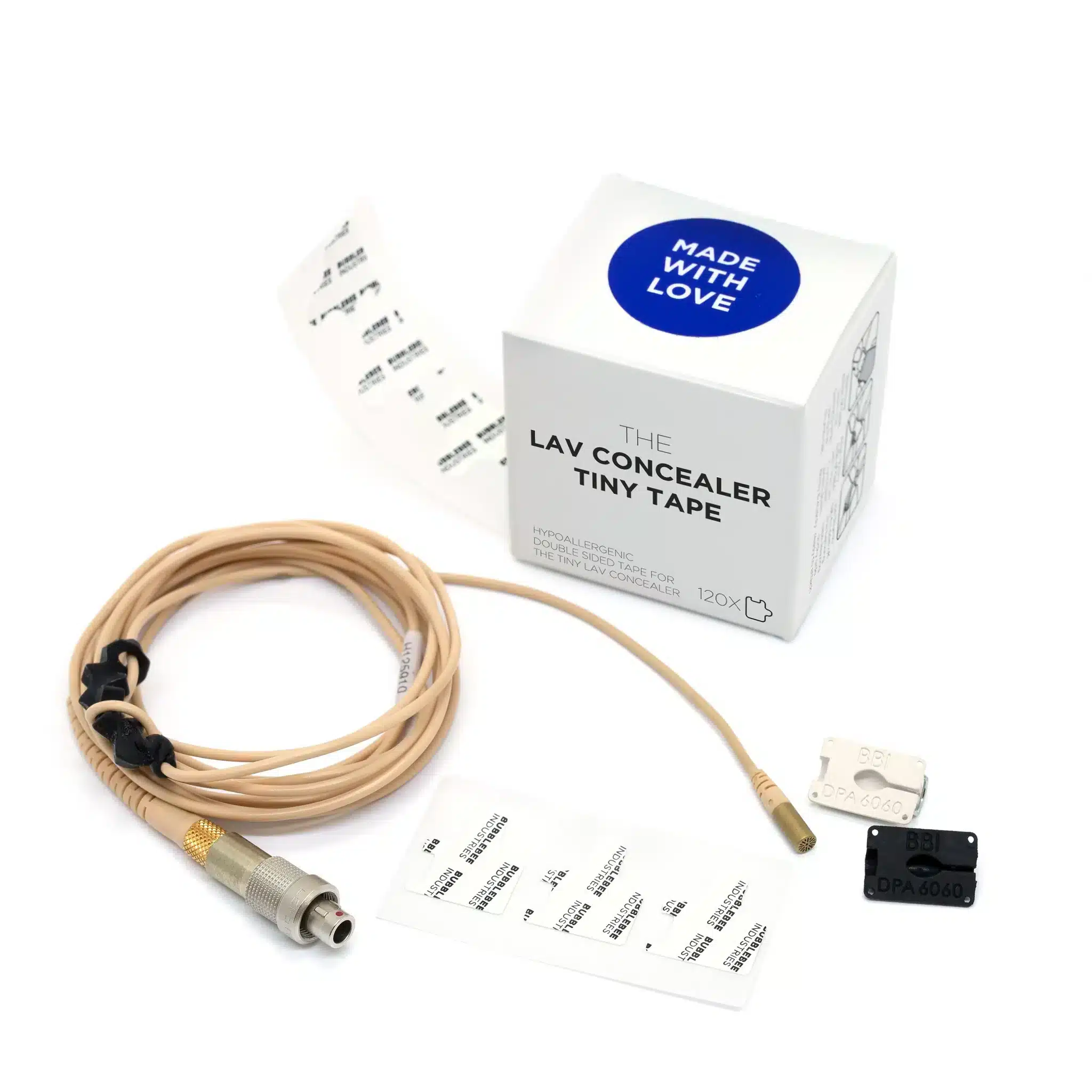
If you must hide the lavalier to maintain the visual illusion, utilizing specialized audio accessories like hypoallergenic mounting tape allows you to isolate the capsule from fabric movement. This ensures the microphone moves with the talent’s body rather than rubbing against it, dramatically reducing friction noise.
Managing Transients with 32-Bit Float Recording
Loud environments are rarely consistent. A steady hum of traffic can be instantly punctuated by a blaring siren, or a whispering subject might suddenly shout over a passing train. If your preamp is set for the whisper, the shout will cause unrecoverable digital clipping.
Professional audio recorders have evolved to solve this exact problem. Traditional 24-bit systems demand meticulous gain staging, usually targeting average dialogue peaks around -12 dBFS to preserve headroom. Today, 32-bit float technology utilizes dual A/D converters to capture a massive dynamic range. This means you can record a whisper and a jet engine on the same track without adjusting the gain knob, allowing you to normalize the audio perfectly in post-production without adding noise or distortion.
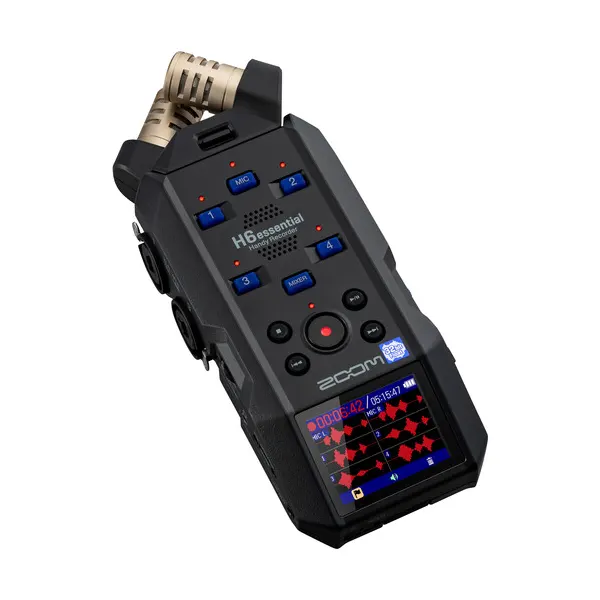
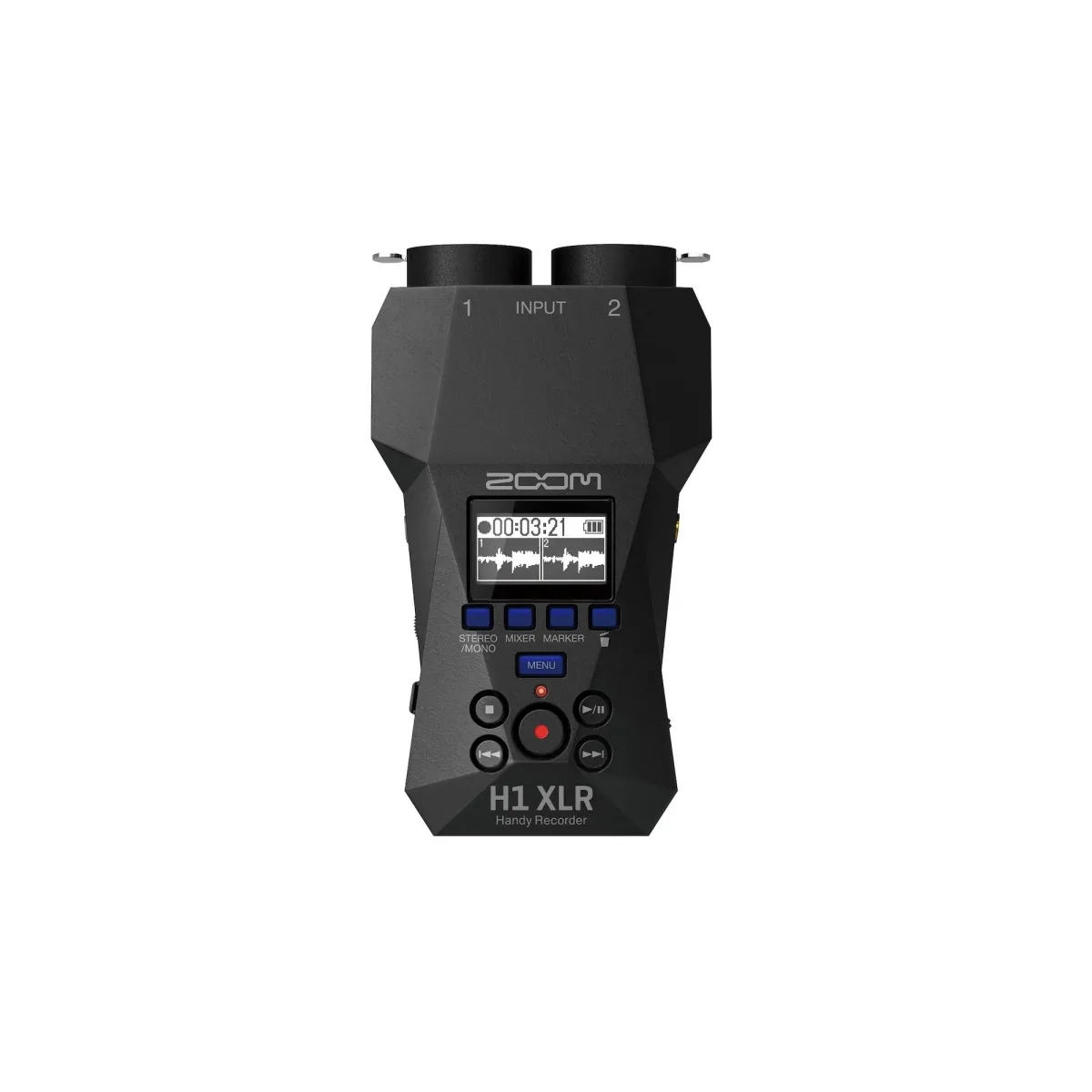
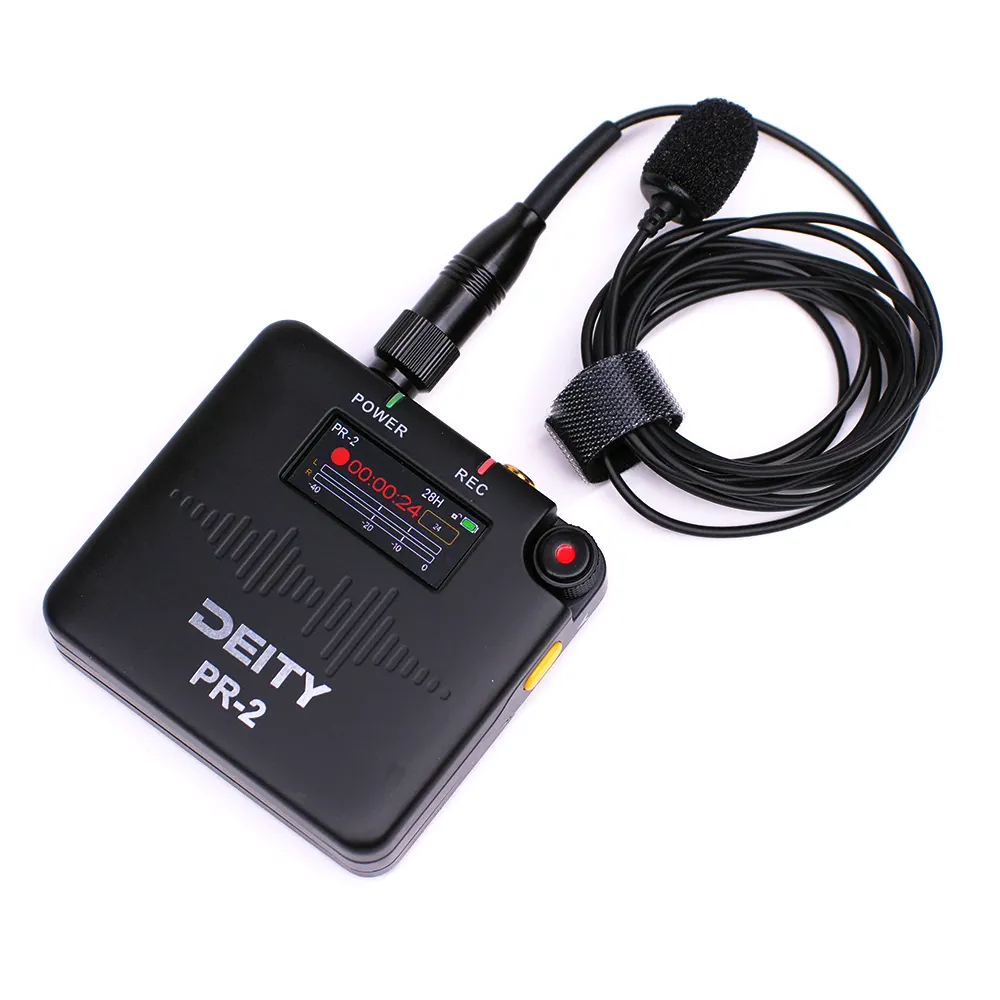
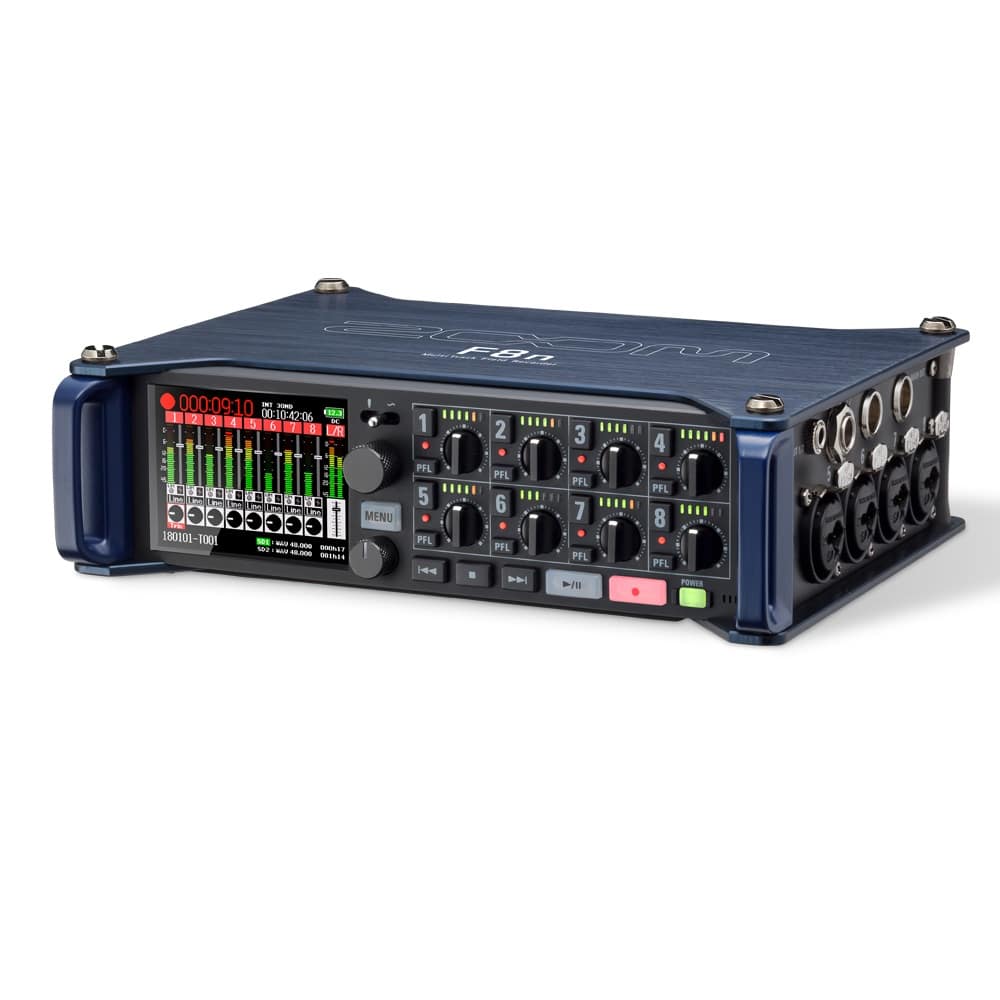
For multi-track field recording, dedicated mixers provide the clean preamps and routing necessary for complex shoots. For discreet, on-the-move capture, ultra-compact pocket recorders running 32-bit float allow you to mic a subject and let them walk into a noisy environment without worrying about monitoring their input levels.
-
 Audio recorders
ZOOM H6essential Handy Recorder
€ 275.00€ 341.00 (incl. VAT) -
 Audio recorders
ZOOM H1 XLR Handy Recorder
€ 127.00€ 157.48 (incl. VAT) -
 Audio recorders
DEITY PR-2 Stereo Pocket Recorder with Lavalier Mic (Global)
€ 200.00€ 248.00 (incl. VAT)IN STOCK -
Audio recorders
ZOOM F8n MultiTrack Field Recorder
€ 937.50€ 1 162.50 (incl. VAT)IN STOCK
Wireless Reliability in Hostile RF Environments
Industrial locations, sports arenas, and dense urban environments are not just acoustically loud – they are saturated with radio frequency (RF) interference. Competing Wi-Fi networks, television broadcasts, and mobile devices can cause wireless microphone dropouts right at the most critical moment of an interview.
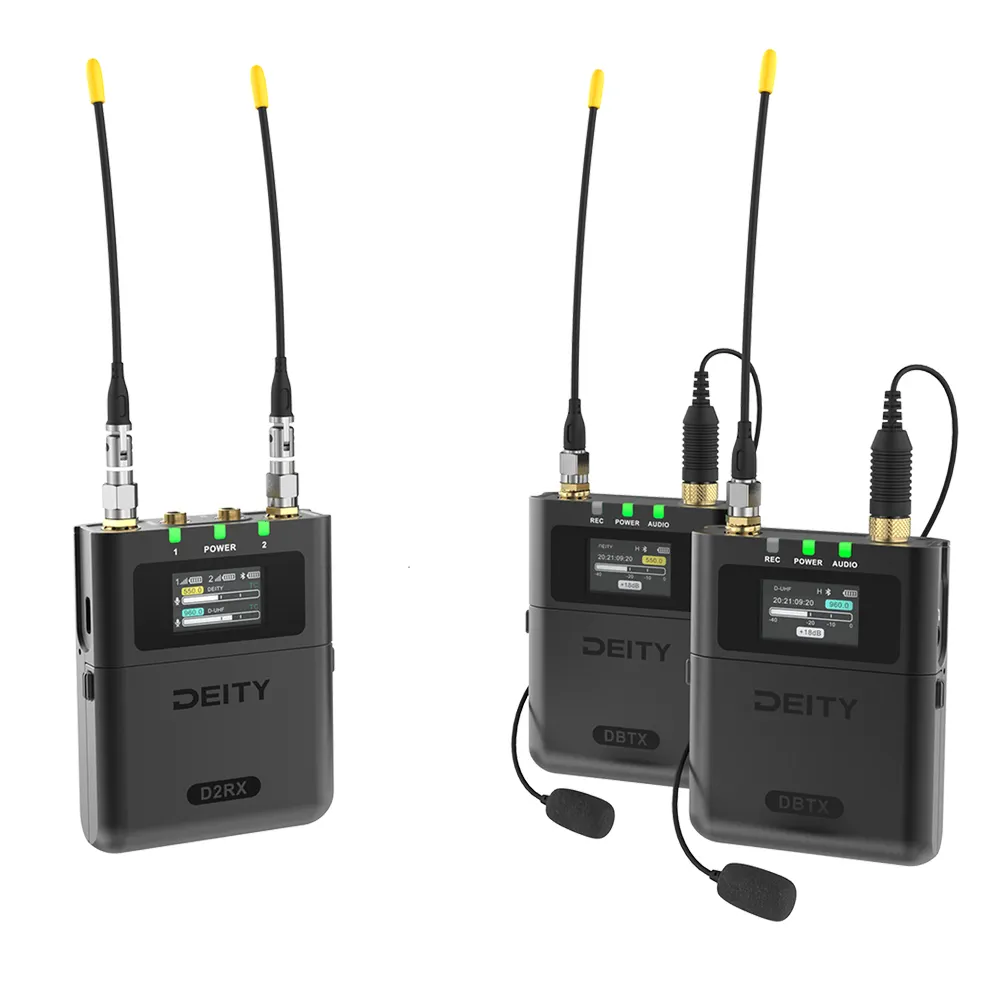
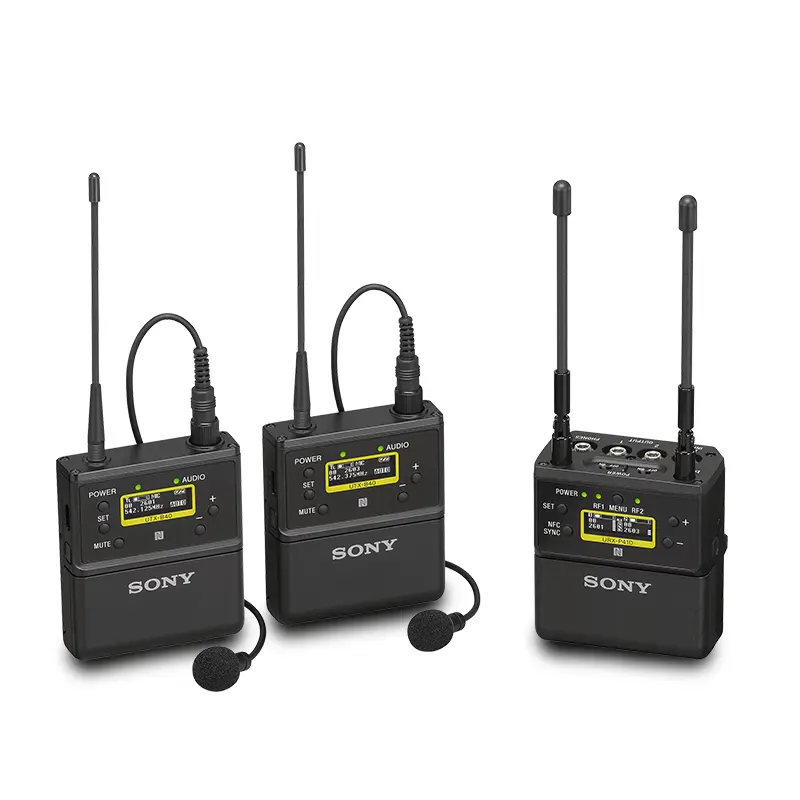
Navigating these spaces requires agile wireless systems. While 2.4GHz digital systems are incredibly convenient and work well for close-range creator setups, professional broadcasts often rely on the UHF spectrum. The Deity Microphones ecosystem, for example, utilizes ultra-wideband UHF to sidestep crowded consumer frequencies.
Furthermore, the newest generation of professional wireless transmitters feature onboard backup recording. Even if a heavy steel door or a blast of RF interference severs the connection to your receiver, the transmitter independently records a clean timecode-synced file straight to an internal memory card, protecting your production from invisible dropouts.
-
 Microphones
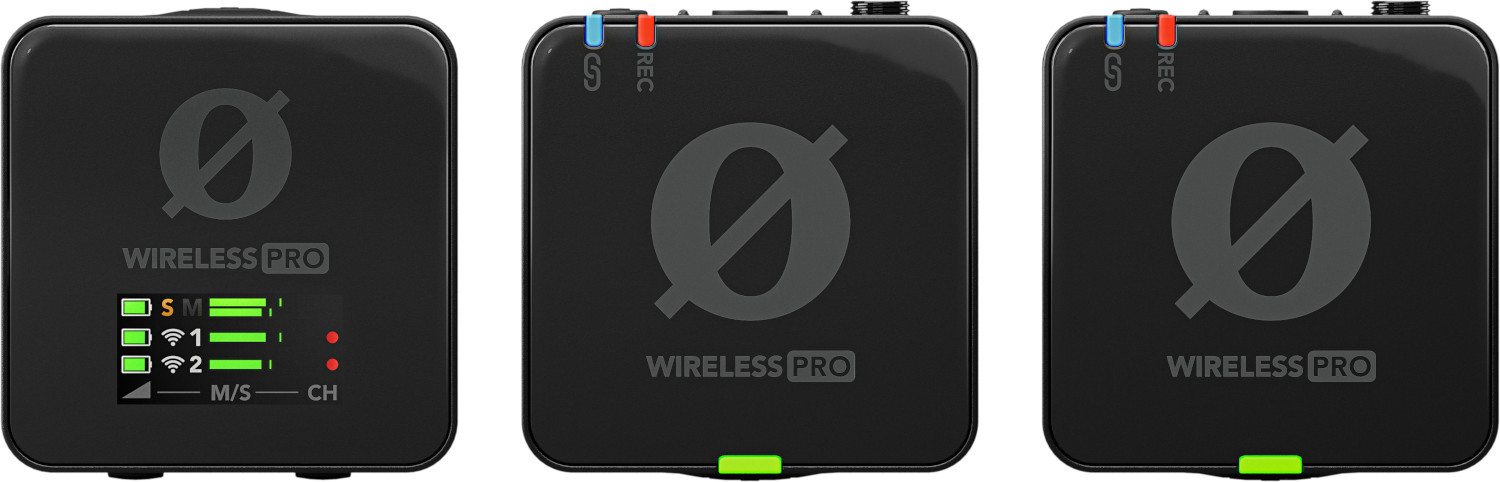
RODE wireless microphone Wireless Pro
€ 369.15€ 457.75 (incl. VAT) -
 Microphones
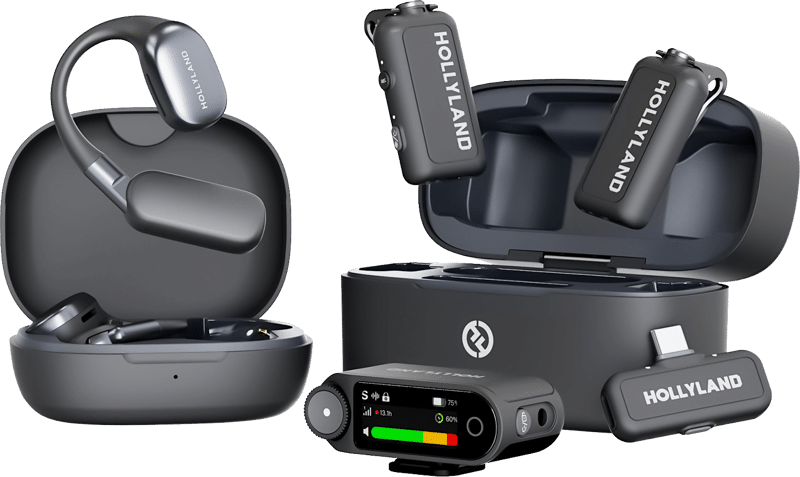
HOLLYLAND LARK MAX 2 Ultimate Combo with OWS Monitor Earphone + Camera RX + USB-C RX
€ 245.52€ 304.44 (incl. VAT)IN STOCK -
-20%Audio recorders, Microphones
DEITY Theos Digital Wireless 2ch Kit
Original price was: € 1 090.00.€ 872.00Current price is: € 872.00.€ 1 081.28 (incl. VAT)IN STOCK -
 Microphones
SONY UWP-D27 dual-channel receiver and transmitter kit
€ 1 447.00€ 1 794.28 (incl. VAT)IN STOCK
Key Takeaways
- Halve the distance: Reducing the space between the microphone and the talent by half yields roughly a 6 dB improvement in signal-to-noise ratio, offering better immediate clarity than post-production noise reduction.
- Match the polar pattern to the room: Deploy shotgun microphones for outdoor broadband noise rejection, but switch to supercardioids or lavaliers indoors to avoid the comb-filtering caused by hard reflections.
- Implement 32-bit float audio: High-noise environments are unpredictable. Utilizing 32-bit float recorders prevents digital clipping from sudden loud sounds like sirens or machinery without needing aggressive limiters.
- Secure your lavaliers: Proximity is useless if handling noise ruins the track. Use dedicated isolation tape and concealers to decouple lavaliers from clothing friction.
If you are struggling to capture usable dialogue in demanding environments, our technical team can help you build a resilient audio package tailored to your workflow. Browse our full selection of professional audio gear or contact MediaGear today to discuss the specific acoustic challenges of your next production.