How to Record Live Music for Video: Sync & Workflow Guide
Poor audio ruins high-end visuals faster than a bad lens ever could. If you have battled unsynced tracks, clipped dynamics, or muddy room sound, you know the struggle. In our experience, flawless live music capture requires rigorous signal routing, 32-bit float recording, and frame-accurate synchronization.
The Foundation: Signal Routing and Pre-Production
We have seen this go wrong countless times: a video crew assumes they can simply take a two-channel master output from the venue’s front-of-house (FOH) console and sync it to their footage later. The problem is that FOH audio is heavily equalized and compressed to compensate for the physical acoustics of the room. When you put that audio under a beautifully graded video, the spatial characteristics clash and it sounds entirely unnatural.
To capture professional audio, you must separate your recording path from the live amplification path. This means intercepting the audio signals before they hit the venue’s main bus compression. We highly recommend routing multiple microphone inputs through dedicated mixing consoles or direct boxes (DI) into your own multitrack field recorders. Think of it as capturing the raw ingredients rather than the venue’s pre-cooked meal; you need uncolored stems to mix a proper video soundtrack.
Noisy venue power is another silent killer of live recordings. Poor electrical grounding frequently introduces a persistent 50 or 60 Hz hum into the audio chain. Always test your connections for ground loops and ensure you use premium, balanced audio and DMX cables to reject electromagnetic interference across long stage runs.
Multitrack Recording & 32-Bit Float Fail-Safes
Camera preamps are historically inadequate for the massive dynamic range of a live concert. The sudden transition from a quiet acoustic intro to a heavy drum drop can instantly cause digital clipping if your gain structure is not dialed in perfectly. Relying on external audio recorders solves this bottleneck by providing superior preamplification, discrete channel isolation, and the crucial safety net of 32-bit float recording.
Recording in 32-bit float provides enormous digital headroom, effectively eliminating the risk of clipped peaks during unexpected loud transients. You record the performance at a conservative average level, typically around -12 dBFS. If a snare hit or an aggressive vocal pushes the signal past 0 dBFS, the audio data is fully preserved and can be normalized in your post-production software without any distortion. Standard delivery for film and broadcast, including guidelines set by organizations like the European Broadcasting Union (EBU), still demands 48 kHz at 24-bit for final delivery. However, utilizing 32-bit float for your intermediate multitrack masters gives your editorial team unparalleled flexibility.
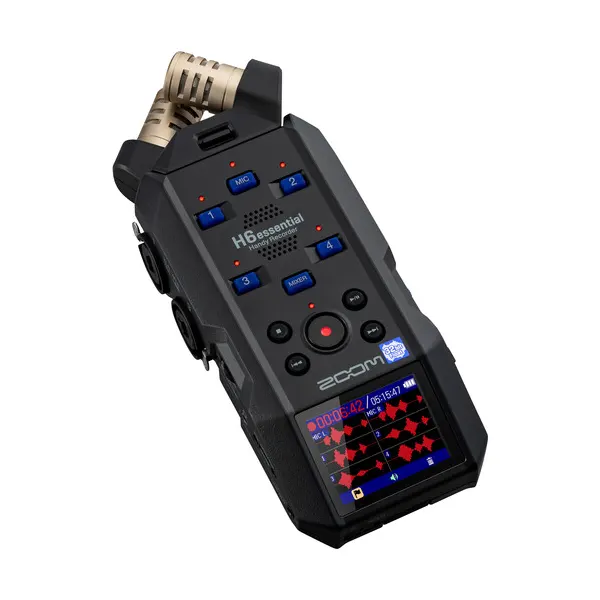
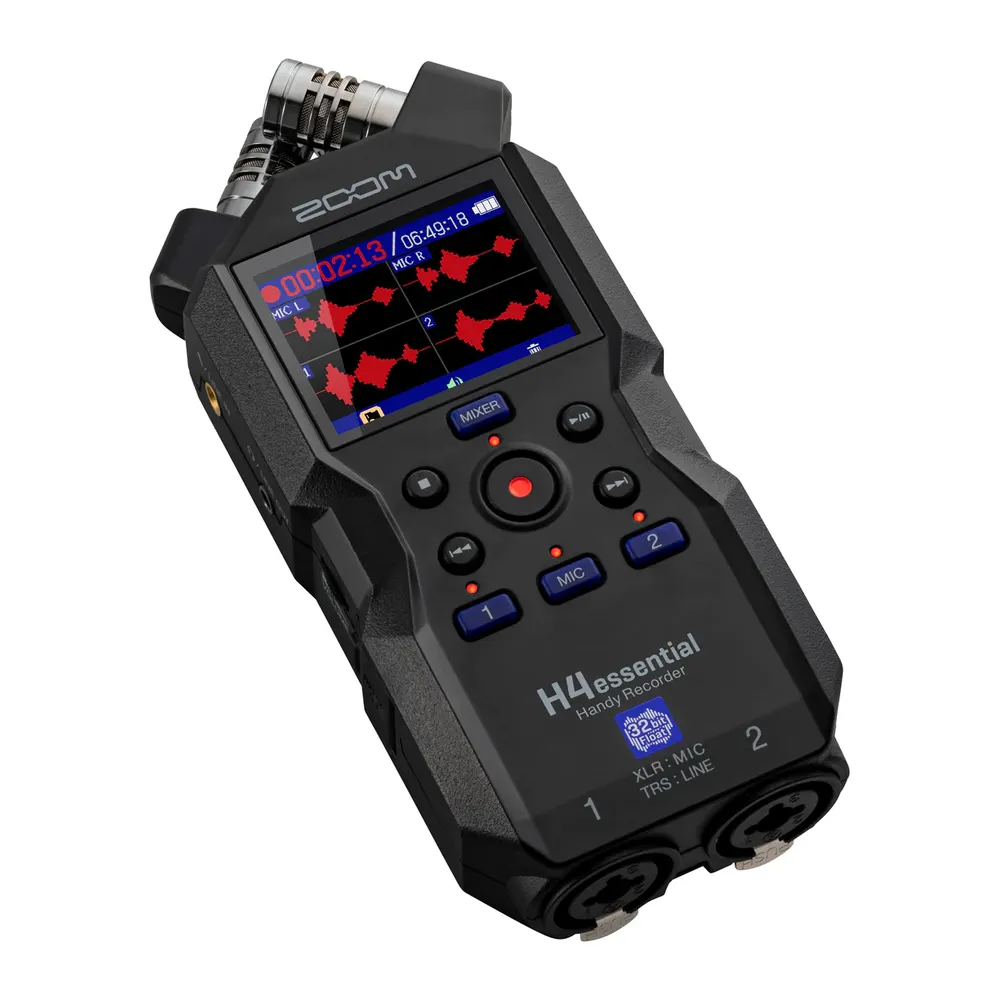
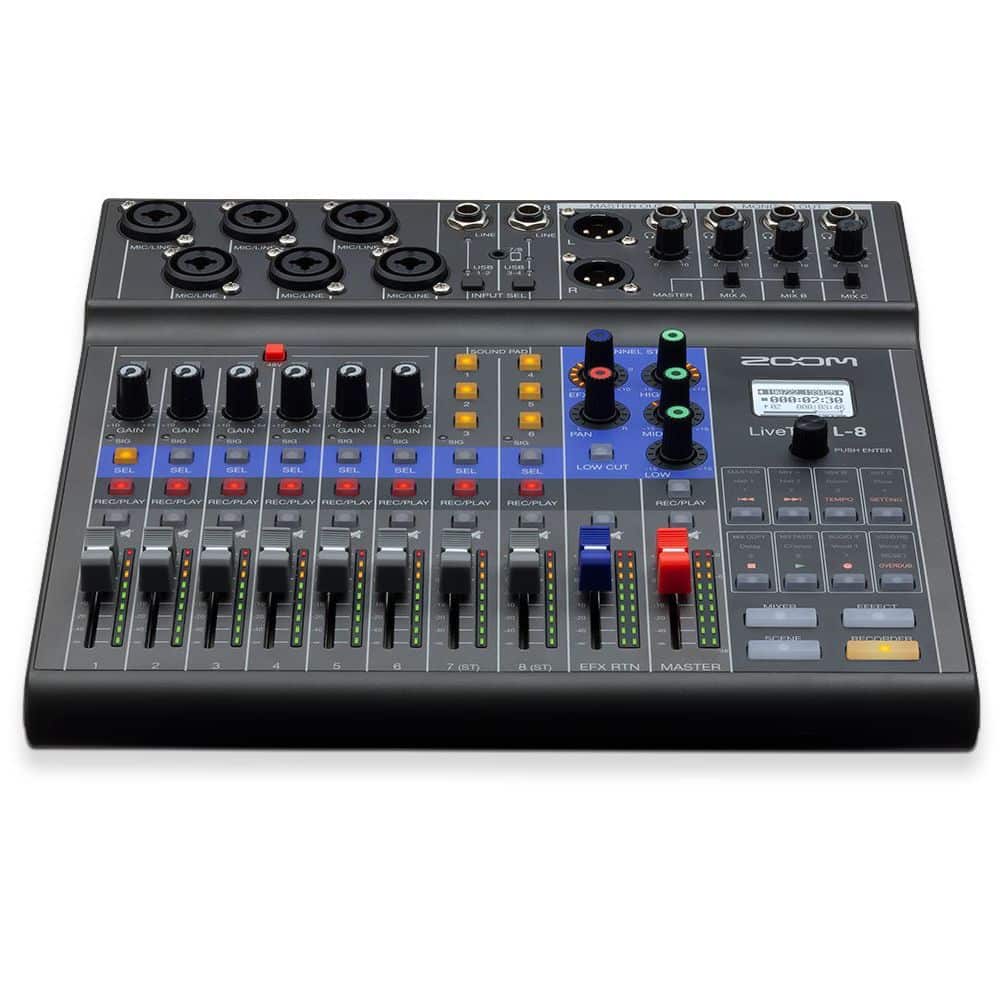
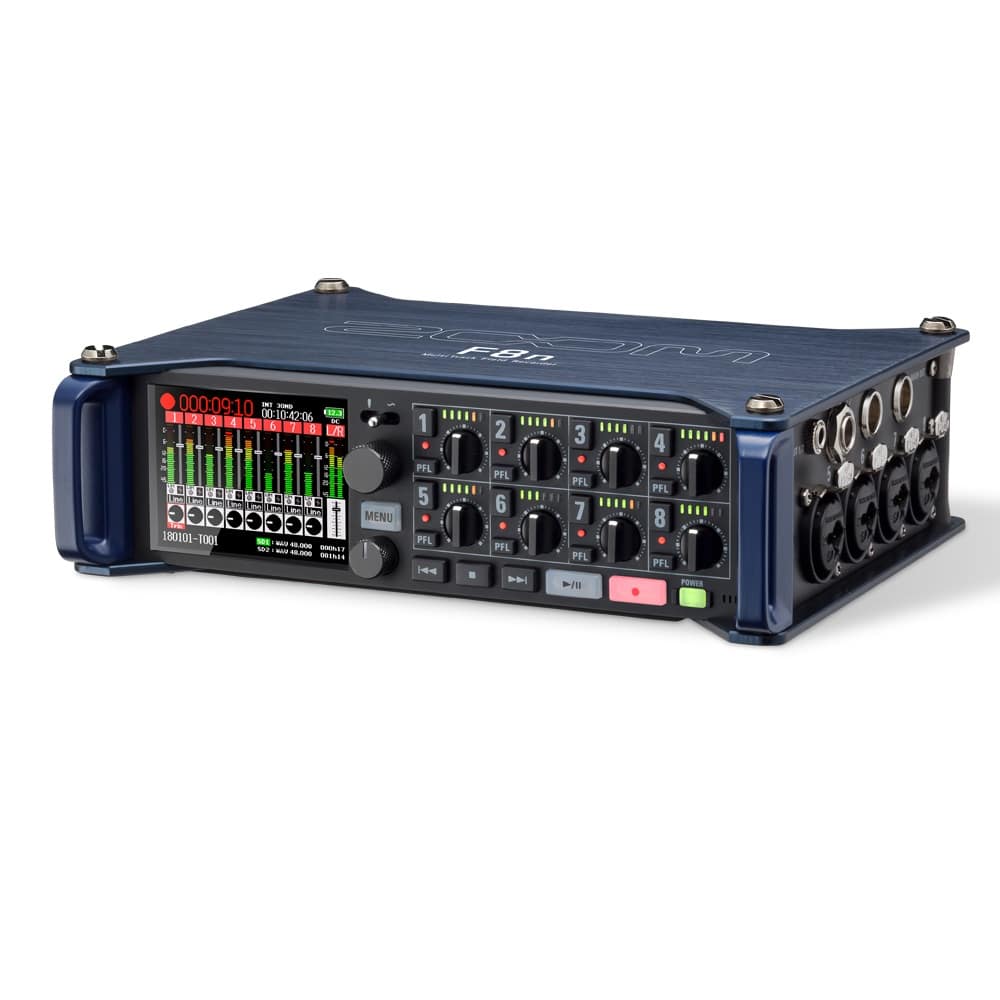
When building a mobile recording rig, securing multiple XLR inputs and robust timecode support is mandatory for capturing a full band. You need equipment that can handle the channel counts of modern live performances without compromising on mobility.
-
 Audio recorders
ZOOM H6essential Handy Recorder
€ 275.00€ 341.00 (incl. VAT) -
 Audio recorders
ZOOM H4essential Handy Recorder
€ 195.00€ 241.80 (incl. VAT)IN STOCK -
Audio recorders
ZOOM LiveTrak L-8 Digital Mixer and Recorder
€ 350.00€ 434.00 (incl. VAT) -
Audio recorders
ZOOM F8n MultiTrack Field Recorder
€ 937.50€ 1 162.50 (incl. VAT)IN STOCK
Microphones & Wireless Strategies for the Stage
Your choice of microphones fundamentally dictates the texture of your final mix. A standard live video setup requires a careful blend of dynamic mics for close-miking aggressive instruments, condenser mics for drum overheads, and an overhead stereo pair to capture the natural reverberation and audience reactions of the room.
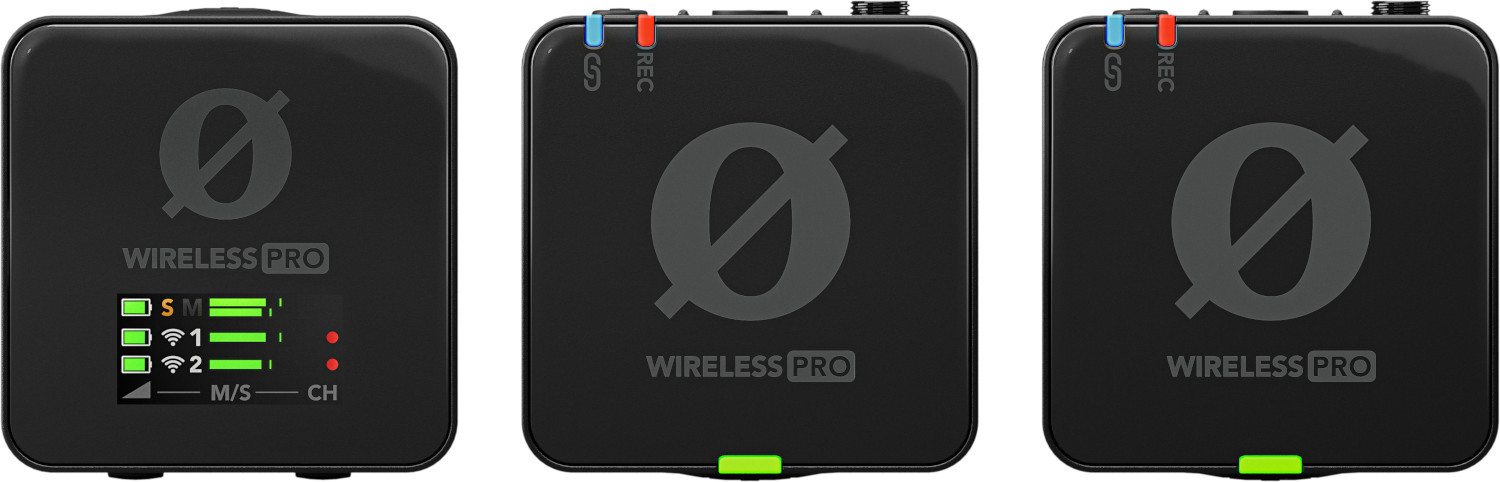
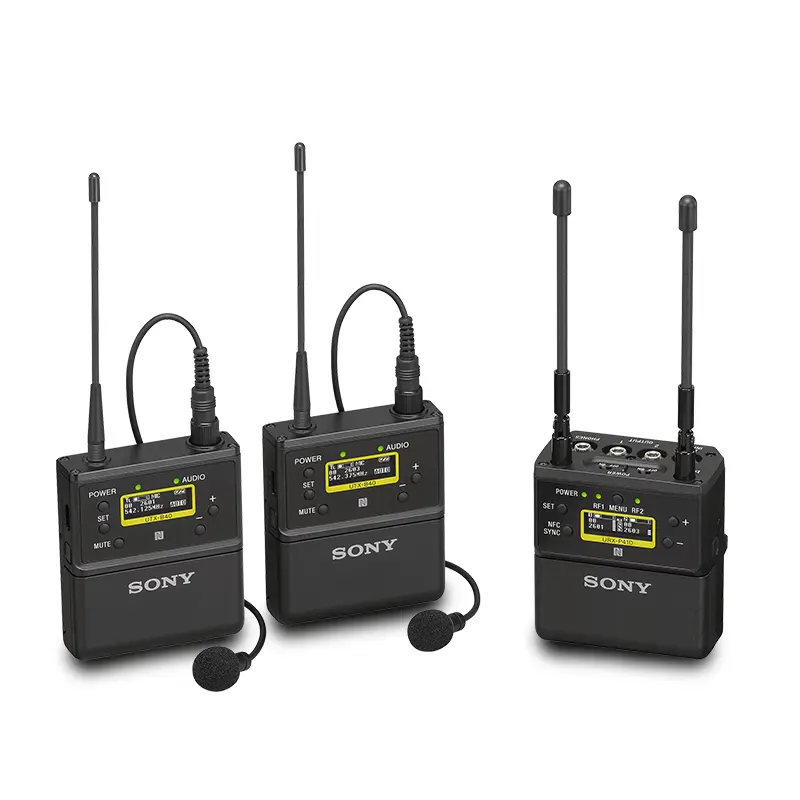
The real technical hurdle on a live stage, however, is managing wireless frequencies. Radio frequency (RF) dropouts ruin takes permanently. Wireless systems often fail due to frequency interference from venue Wi-Fi, LED video walls, or physical body blocking. To mitigate this risk, professionals always perform an RF site survey before soundcheck and deploy wideband UHF systems or highly resilient digital wireless kits.
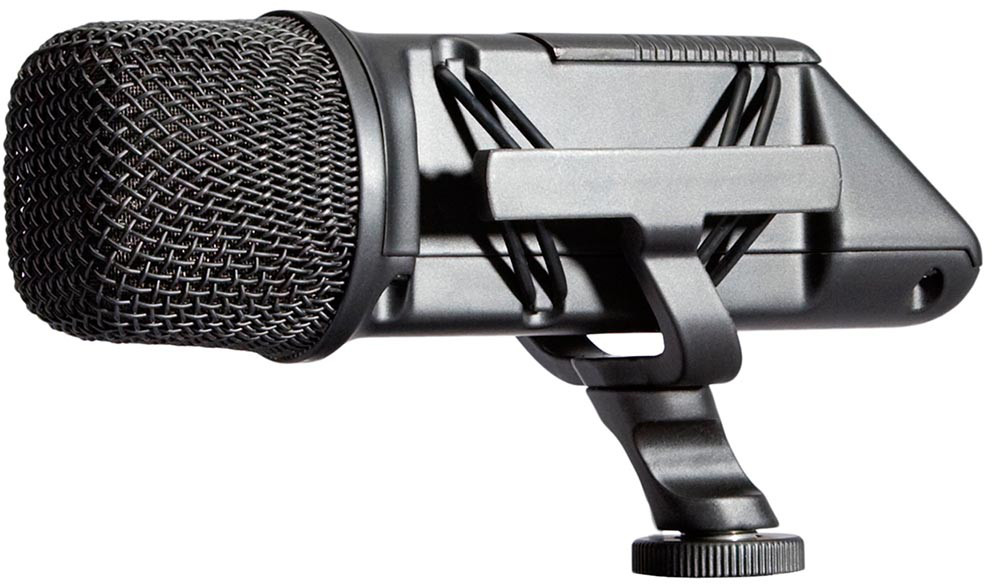
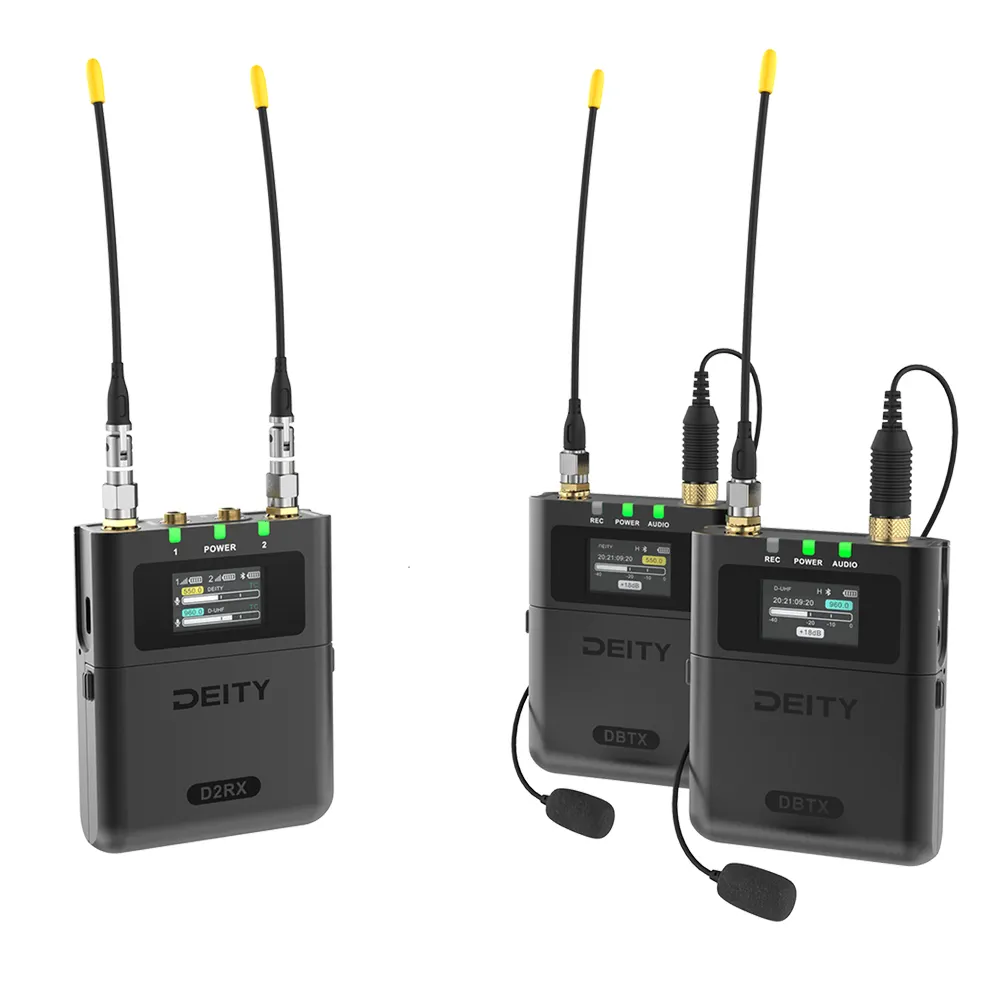
We frequently recommend the Deity Microphones ecosystem because their hardware directly addresses these field-production failures. By utilizing an ultra-wideband UHF spectrum, you bypass the heavily congested 2.4 GHz band entirely. Furthermore, modern wireless transmitters with onboard 32-bit float recording act as an ultimate safety net. If the wireless signal drops out at the receiver, you still have a pristine, uncompressed WAV file recorded locally on the talent’s bodypack. For capturing high-quality scratch audio directly into the camera – which is invaluable as a backup and secondary sync reference – mounting a directional stereo mic on your camera rig is a highly effective safeguard.
-
 Microphones
RODE wireless microphone Wireless Pro
€ 369.15€ 457.75 (incl. VAT) -
 Microphones
RODE microphone Stereo VideoMic
€ 180.25€ 223.51 (incl. VAT) -
-20%Audio recorders, Microphones
DEITY Theos Digital Wireless 2ch Kit
Original price was: € 1 090.00.€ 872.00Current price is: € 872.00.€ 1 081.28 (incl. VAT)IN STOCK -
 Microphones
SONY UWP-D27 dual-channel receiver and transmitter kit
€ 1 447.00€ 1 794.28 (incl. VAT)IN STOCK
The Synchronization Trinity: Timecode, Genlock, and Word Clock
You can capture the highest-fidelity audio possible, but if it drifts out of sync with your multi-camera footage by the end of a 45-minute set, your editor will lose days manually nudging clips. Relying solely on a visual slate or in-camera audio for automatic waveform syncing is a high-risk strategy in fast-paced live environments. Professional workflows rely on three separate synchronization protocols working in tandem to maintain perfect alignment.
| Sync Method | Accuracy | Best Use Case | Limitations |
|---|---|---|---|
| Timecode | Frame-accurate (±1 frame) | Primary metadata sync for multi-camera editorial in NLEs. | Does not control the actual recording speed; devices can still drift over long takes. |
| Genlock | Hardware exact frame alignment | Critical for multi-cam shoots over 30 minutes to prevent video frames from misaligning. | Requires SDI infrastructure; difficult to deploy on roaming, wireless cameras. |
| Word Clock | Sample-level audio sync | Mandatory when daisy-chaining multiple audio recorders together. | Adds cabling complexity; requires AES/EBU or BNC connections. |
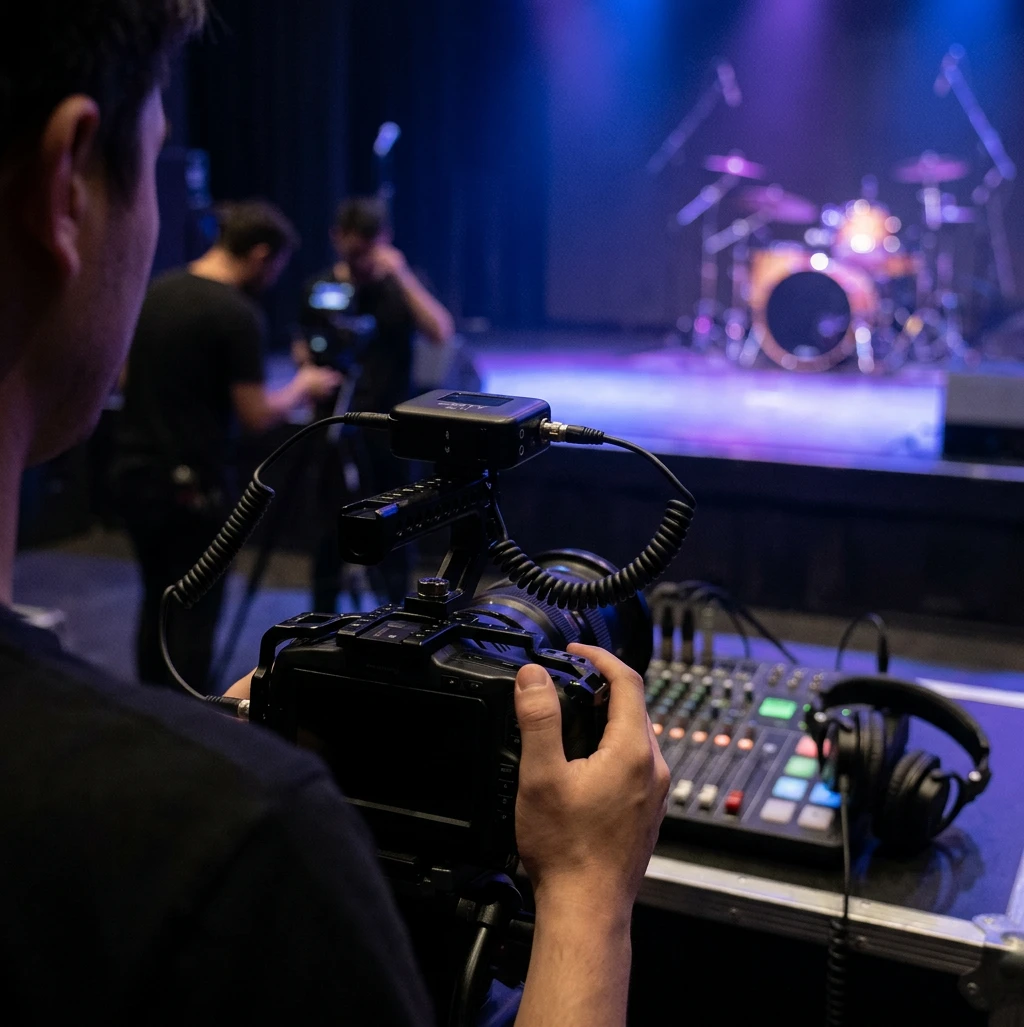
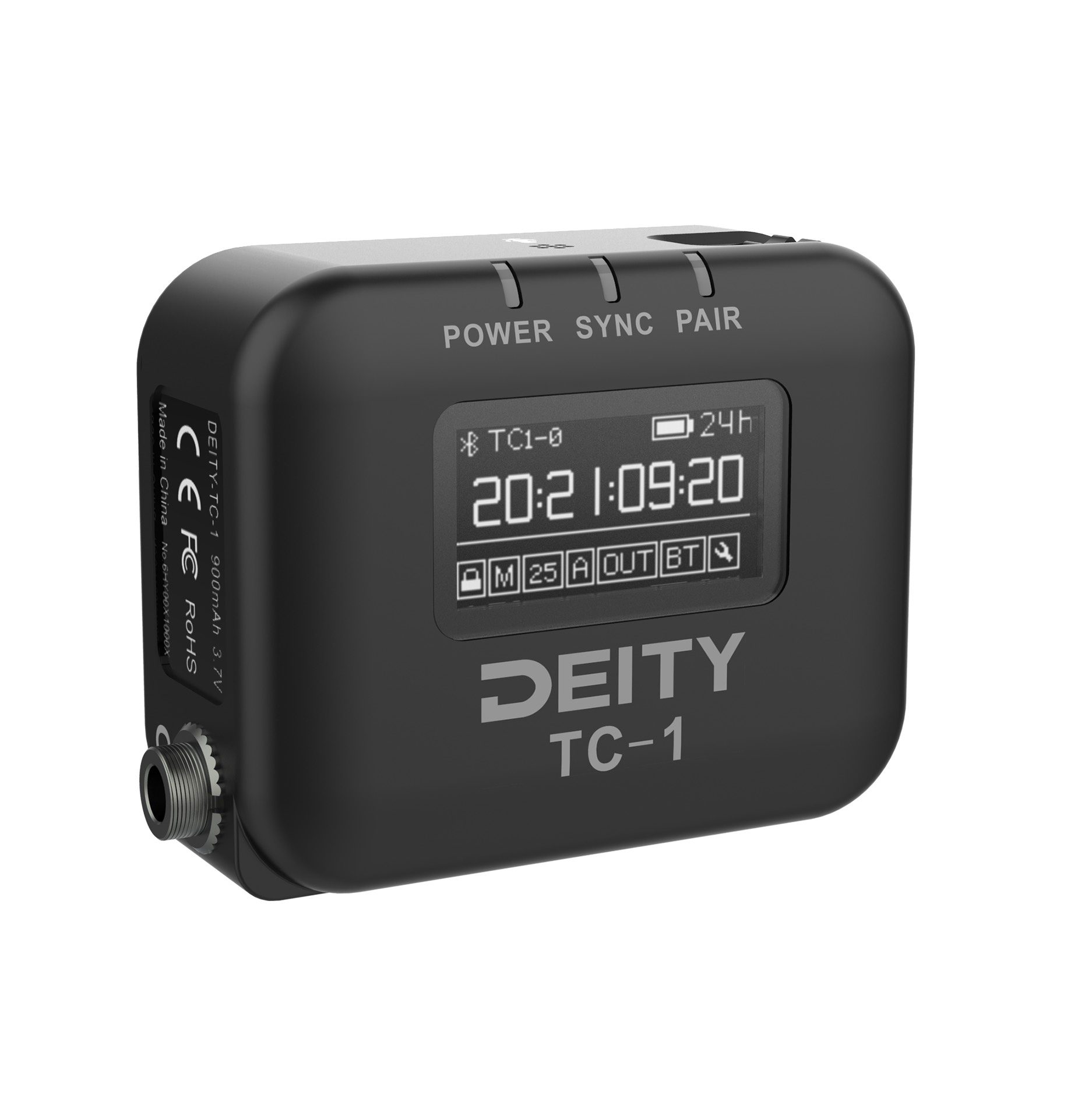
For most independent productions and mid-tier live events, deploying wireless timecode generators to every camera and audio recorder is the most efficient solution. Modern timecode boxes can jam-sync via Bluetooth, maintaining exceptional accuracy with less than one frame of drift every 72 hours. This workflow embeds identical timecode metadata into both your video files and audio multitracks, allowing your editing software to align everything instantly with a single click.
Camera Selection for Seamless Integration
While external recorders handle the multitrack heavy lifting, feeding a clean stereo mix back into your video cameras saves significant time in post-production. This scratch audio serves as your daily review track and an essential safety backup.
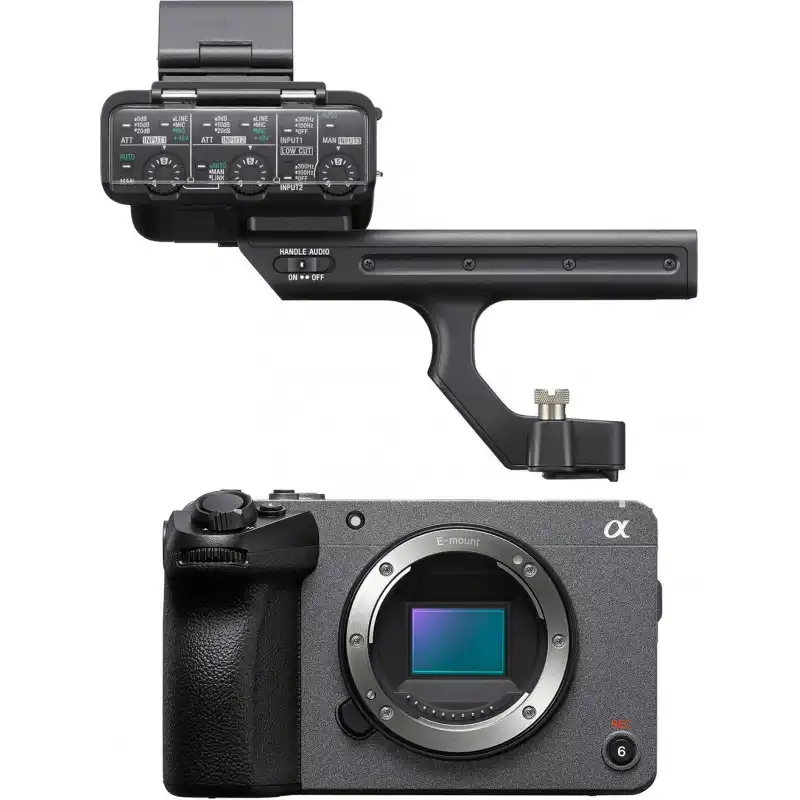
Mirrorless and cinema cameras that natively support external XLR modules bridge the gap between high-end optics and professional audio standards. By utilizing a camera with built-in digital audio interfaces and physical XLR inputs, you bypass the notoriously noisy 3.5mm mic jacks. You also gain tactile gain controls, phantom power, and the ability to feed a direct line-level mix from your audio engineer straight into the video file in perfect sync.
Key Takeaways
- Isolate the recording mix: Never rely solely on a venue’s FOH output. Use a field mixer or multitrack recorder to capture discrete channels prior to room compression.
- Embrace 32-bit float: Utilize field recorders with 32-bit float ADCs to completely eliminate the risk of digital clipping from sudden volume spikes during a live performance.
- Lock in your timecode: Equip every camera and audio recorder with a wireless timecode generator. Relying on waveform syncing alone will result in audio drift during long concert takes.
- Secure your wireless signals: Use ultra-wideband UHF wireless systems to avoid interference from venue Wi-Fi and stage lighting, and prioritize transmitters with onboard backup recording.
Stop letting technical audio failures compromise your high-end video production. If you need assistance designing a resilient, road-ready recording rig, our experts at MediaGear are ready to help you coordinate the perfect combination of recorders, wireless systems, and timecode integration for your next live shoot.