Choosing Wireless Video Mics: UHF, 2.4GHz & 32-Bit Float
Poor audio ruins high-end visuals faster than a bad lens ever could. To capture pristine dialogue without dropout anxiety, you need reliable wireless infrastructure. With over 20 years of equipping production crews, we guide professionals through selecting systems based on spectrum reliability, dynamic range, and camera integration.
Escaping the 2.4GHz Trap with UHF Systems
In our two decades of supplying broadcast and studio crews, we have seen countless productions lose critical dialogue to radio frequency interference. The 2.4GHz spectrum is highly accessible and supports lightweight hardware, but it quickly becomes a liability in dense urban environments or corporate event spaces saturated with Wi-Fi routers and smartphones. You cannot afford to risk your master audio track on a congested frequency band.
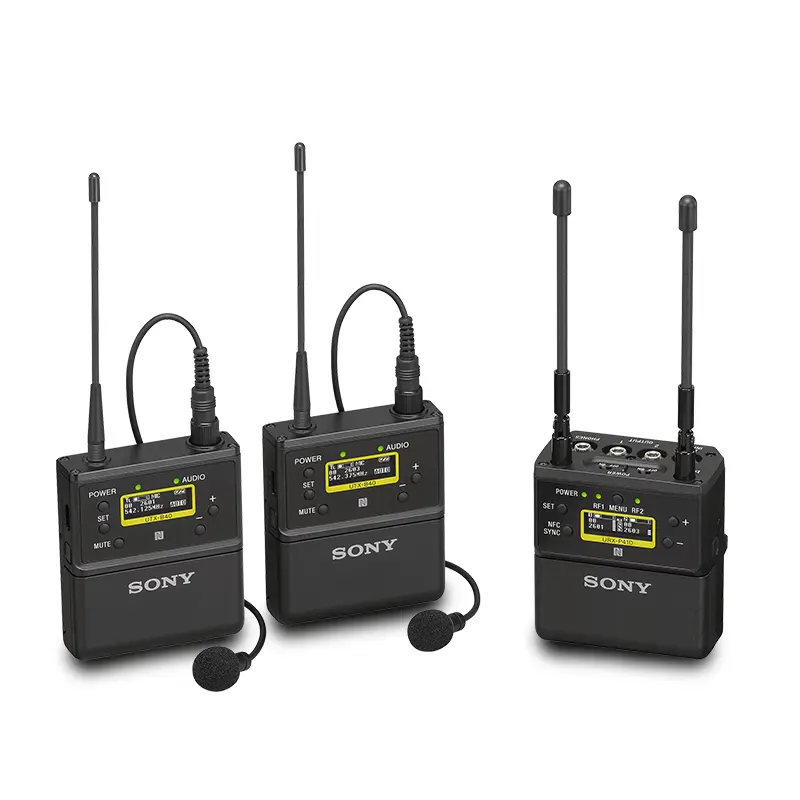
If you are tasked with recording audio in a noisy environment or capturing a live broadcast, relying solely on 2.4GHz introduces unacceptable dropout risks. We strongly recommend transitioning to professional UHF systems for mission-critical stability. Systems operating in the ultra-wideband UHF spectrum easily bypass localized Wi-Fi interference, providing superior penetration through stage architecture and concrete walls. When deploying these systems, signal workflow is just as important as the transmission range.
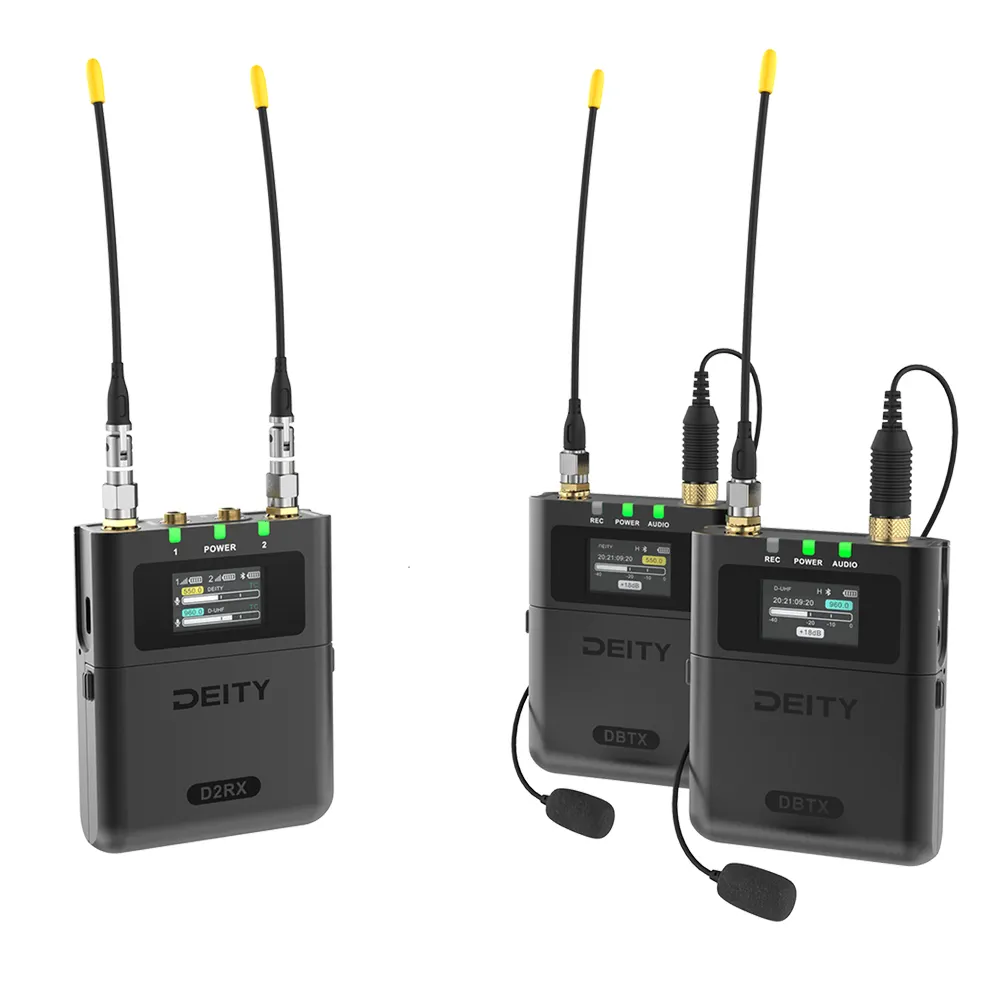
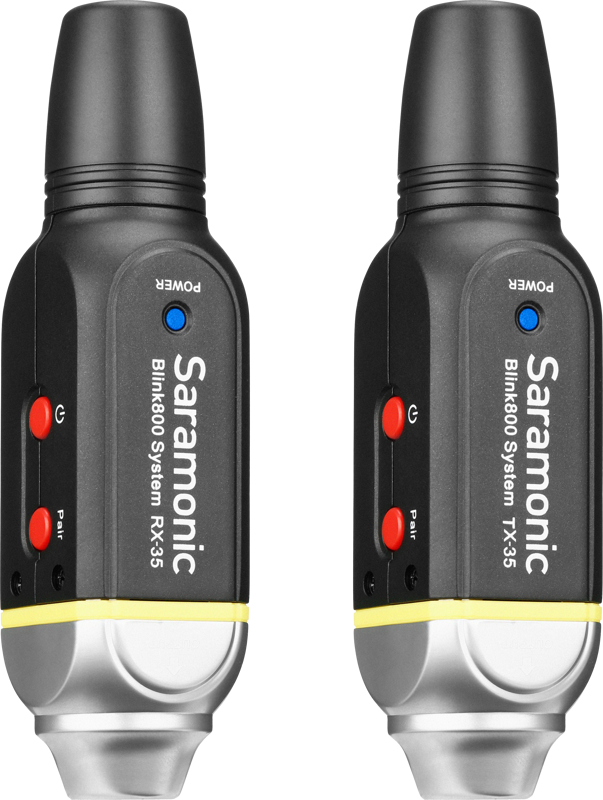
Professional UHF kits often feature digital signals for crystal-clear audio alongside CNC-milled aluminum chassis built to survive field abuse. While 2.4GHz is globally license-free, operating UHF transmitters requires awareness of regional spectrum allocations. Regulatory bodies like the Federal Communications Commission (FCC) globally monitor and restrict cellular bands, meaning your equipment must align with local frequency laws to prevent broadcasting over prohibited channels.
Preventing Distortion with 32-Bit Float Recording
Capturing an unpredictable subject – like a whispered conversation that abruptly escalates into shouting – traditionally requires a sound mixer to ride the gain knob continuously. If the signal peaks before reaching the camera’s preamps, that audio is permanently clipped. Your post-production team cannot rescue a waveform that was destroyed at the source.
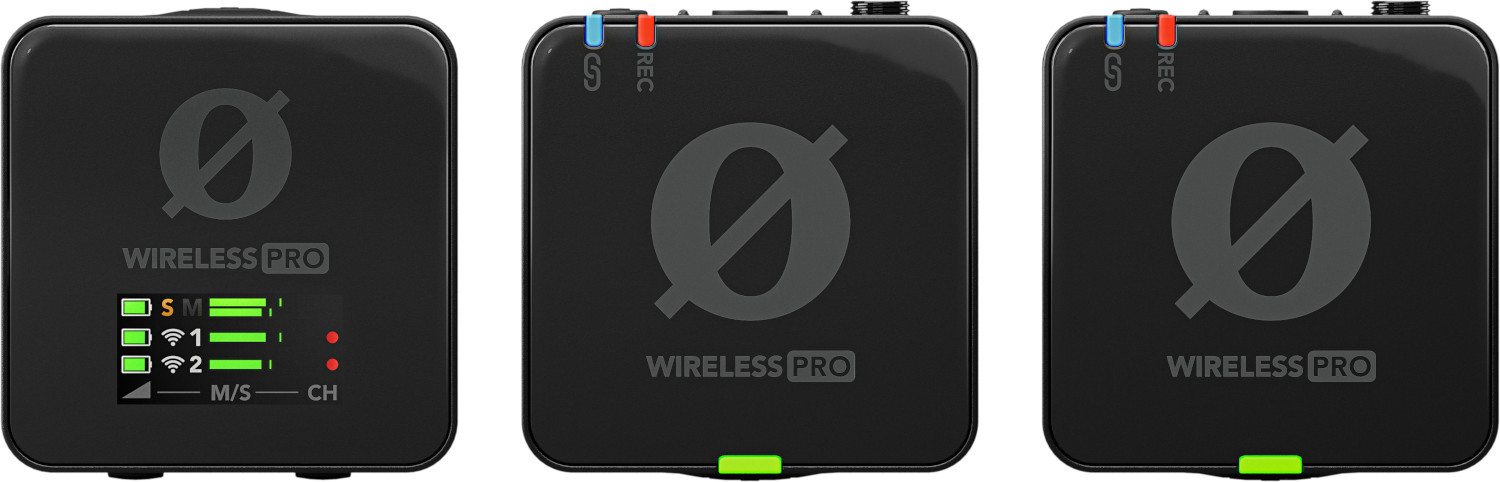
To mitigate this entirely, modern high-end transmitters now feature on-board 32-bit float recording. This technology utilizes dual A/D converters to capture a massive dynamic range directly at the microphone capsule. You can record a whisper and a sudden loud impact on the exact same track without manually adjusting input gain. If the audio distorts on your editing timeline, you simply reduce the gain in post-production to reveal a clean, unclipped vocal underneath.

For interview setups where you cannot guarantee the talent’s vocal projection, deploying transmitters with onboard 32-bit float backup acts as an absolute safety net. You gain the operational freedom to focus on your camera work and lighting, knowing the raw audio files stored safely within the transmitter will survive extreme volume shifts.
Run-and-Gun Agility and Discrete Placement
Not every shoot allows for elaborate bodypacks and complex cable routing. When evaluating equipment for fast-paced documentary work or dynamic solo vlogging, the physical footprint of your microphone dictates how naturally your subjects behave on camera.
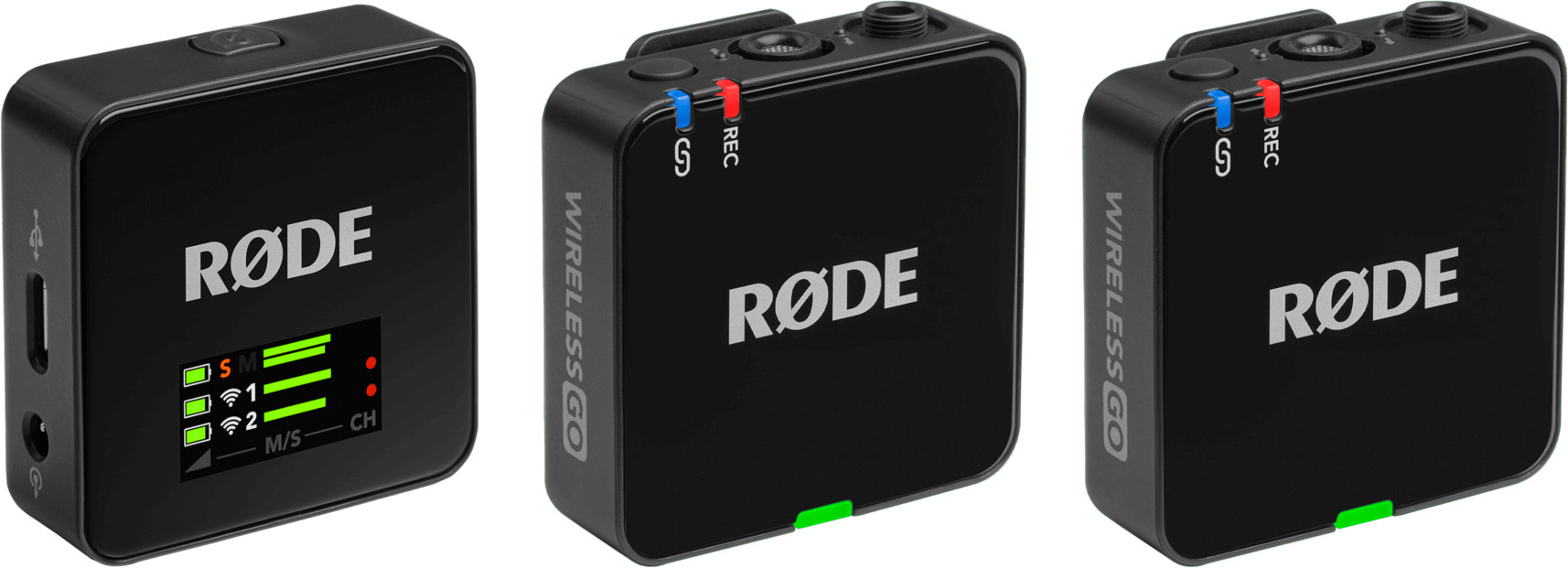
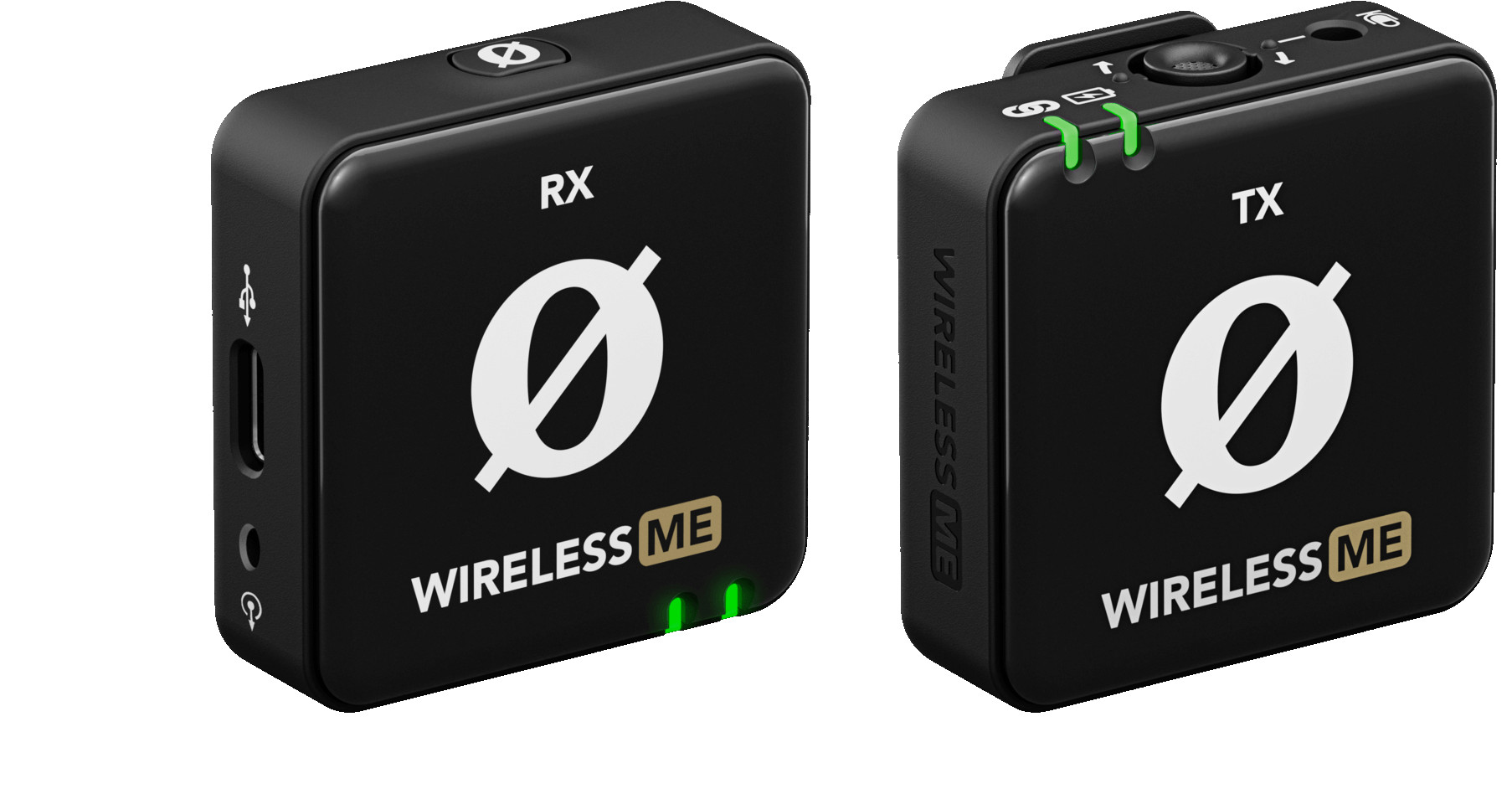
Choosing between a lavalier or a handheld microphone remains a fundamental acoustic decision. However, recent advancements in 2.4GHz digital systems have blurred these traditional boundaries by packing lossless sound quality into ultra-lightweight modules weighing as little as 9 grams. These highly compact transmitters often feature magnetic mounting systems, entirely eliminating the clothing rustle and restrictive cable management issues associated with wired lavaliers.
These agile setups typically offer extended operation, providing 10 to 40 hours of combined battery life through their rechargeable transport cases. They are engineered specifically for creators who require immediate device pairing, intelligent active noise cancellation, and minimal latency without having to navigate complex menus on a set.
-
 Microphones
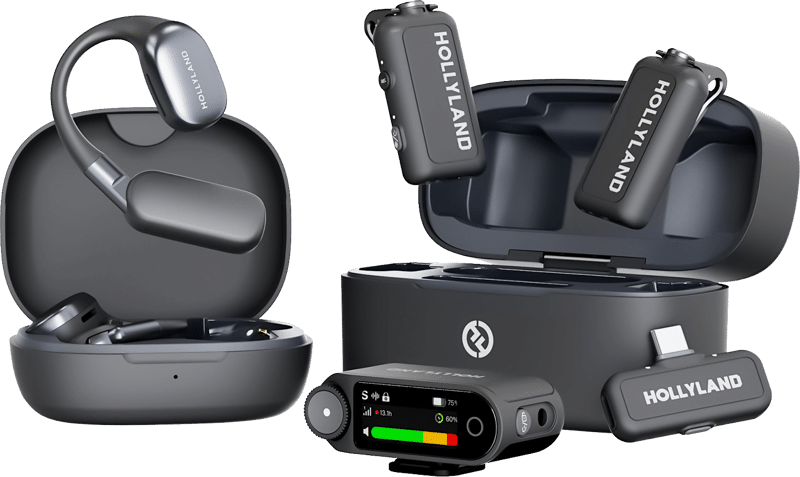
HOLLYLAND LARK MAX 2 Ultimate Combo with OWS Monitor Earphone + Camera RX + USB-C RX
€ 245.52€ 304.44 (incl. VAT)IN STOCK -
 Microphones
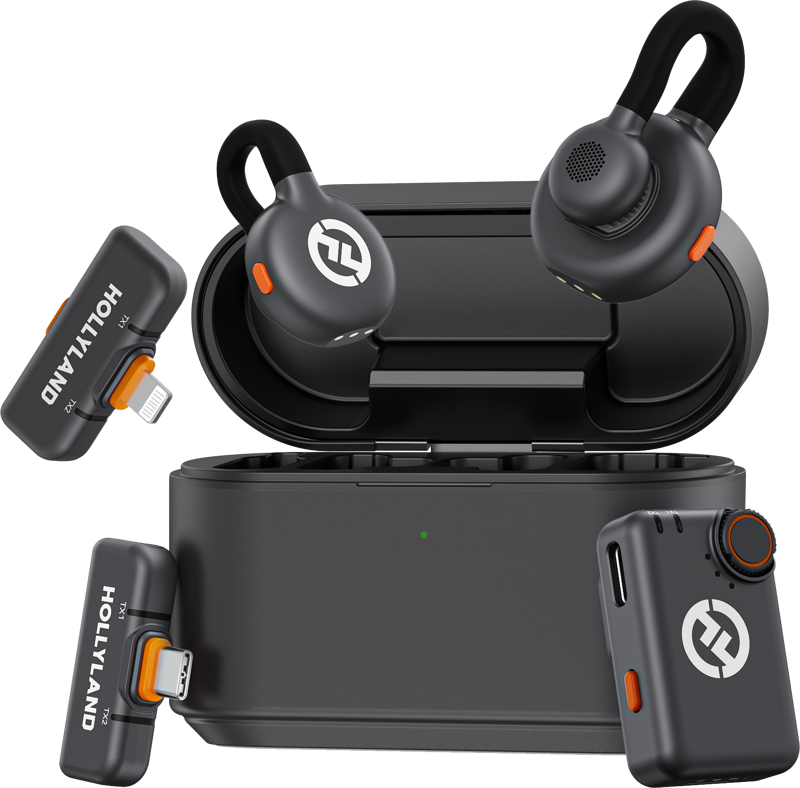
HOLLYLAND Lark M2S Ultimate Combo Wireless Microphone
€ 97.52€ 120.92 (incl. VAT) -
 Microphones
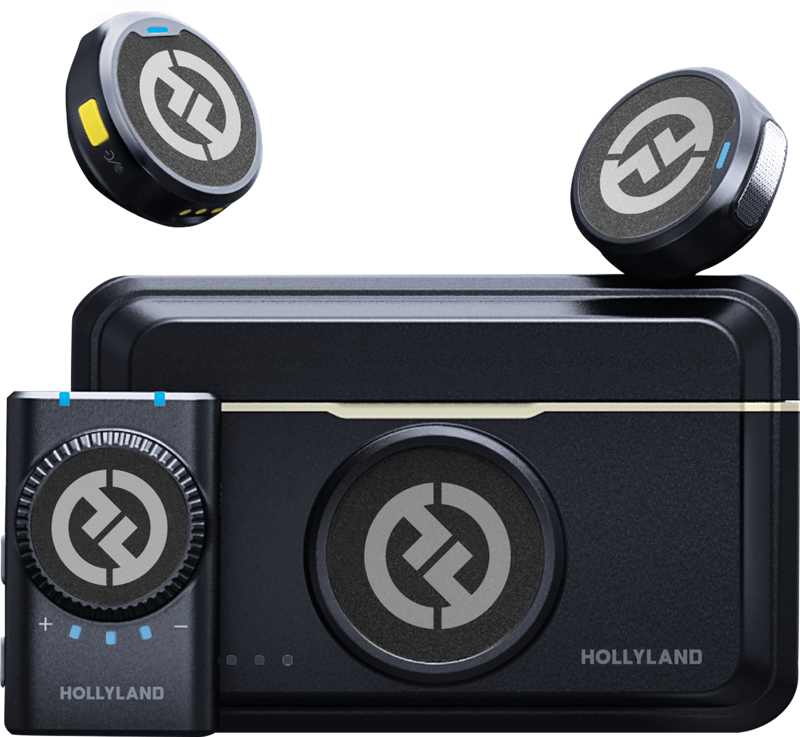
HOLLYLAND Lark M2 Camera – Wireless Lavalier Microphone (Duo,ShineCharcoal)
€ 80.72€ 100.09 (incl. VAT) -
 Microphones
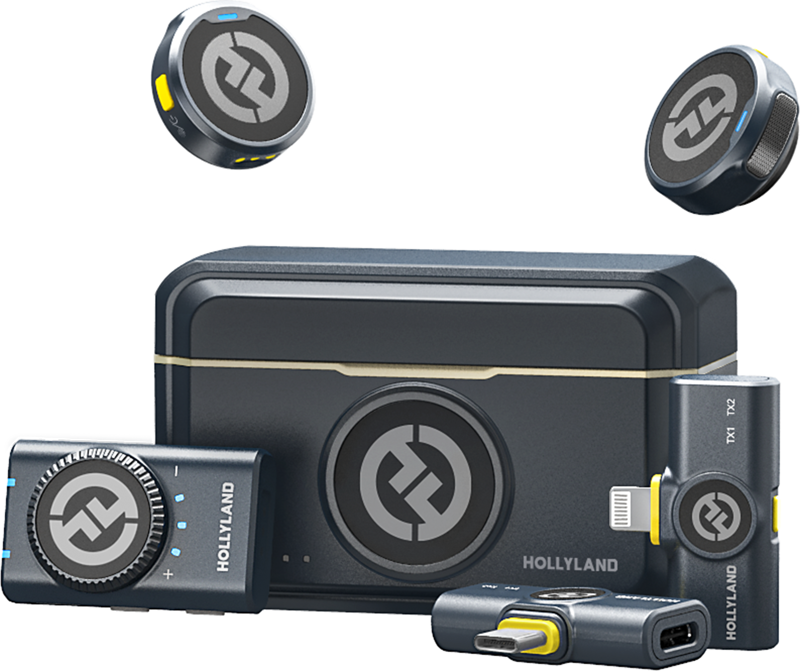
HOLLYLAND Lark M2 Combo – Wireless Lavalier Microphone (Duo, Shine Charcoal)
€ 91.92€ 113.98 (incl. VAT)
Technical Compatibility and Post-Production Workflow
A wireless system only delivers value if it integrates smoothly with your existing camera inputs and editing timelines. Sending a messy, merged audio mix directly into a mirrorless camera severely limits your ability to isolate voices later. When you hit the editing bay, separating overlapping dialogue from a single track is a nightmare.
For shoots involving multiple subjects, look for receivers that output split channels – routing Speaker A to the left channel and Speaker B to the right channel of your camera. If your production requires you to record multiple speakers across several cameras, timecode integration becomes mandatory. Advanced systems, like those found in the Deity Microphones ecosystem, allow you to jam-sync wireless timecode effortlessly. This ensures your onboard backup WAV files perfectly align with your camera’s master files on the timeline, eliminating hours of manual syncing.
For simplified setups, durable plug-and-play systems utilizing the 5.8GHz spectrum or dedicated USB-C and 3.5mm outputs provide robust, immediate connections to both professional cinema rigs and mobile devices.
Key Takeaways
- Assess your RF environment and rely on UHF systems for crowded corporate events and live broadcasts to avoid the dropouts common in heavy Wi-Fi zones.
- Prioritize transmitters featuring 32-bit float onboard recording if you shoot unscripted content with unpredictable and sudden volume shifts.
- Deploy ultra-compact magnetic transmitters for fast-paced solo operation where discreet placement and immediate pairing are required.
- Always verify that your chosen receiver can split audio channels into your camera to ensure independent control over each speaker during post-production.
To explore our full inventory of reliable audio solutions, browse our comprehensive Microphones category. If you need assistance matching wireless frequencies to your region or integrating timecode into your specific camera rig, contact our technical support team for expert guidance based on over 20 years of field experience.