Stabilizing Your Gear: How to Choose a Camera Saddle Bag
Time is the most expensive resource on any film set. We have seen many crews lose valuable daylight trying to level tripods on rocky ground or stairwells. When you need stability fast, traditional supports often slow you down.
A camera saddle bag solves this problem immediately. It eliminates camera shake without a time-consuming setup. You simply drop the bag, seat your camera, and start rolling.
Whether you need to stabilize a heavy cinema rig on a car hood or shoot a low-angle documentary interview, saddle bags adapt directly to your environment.
Why You Need a Saddle Bag on Set
Film locations rarely offer flat, predictable terrain. You often find yourself shooting on uneven ground, narrow ledges, or deep in the woods.
Saddle bags feature a tough nylon or canvas exterior filled with tiny polystyrene beads. This design allows the bag to conform instantly to uneven surfaces. The internal beads shift to match the exact shape of your camera base. This creates full, secure contact that locks the camera in place.
Beyond outdoor terrain, these bags excel indoors. They offer soft, flexible support for cramped locations where you cannot physically spread tripod legs. Their ability to mold around obstacles makes them heavily utilized across various shooting scenarios, including tight interior spaces.
Vehicle Rigging: Safety and Stability First
Filming from a moving vehicle introduces serious physical forces. You cannot rely on physical strength to keep a camera steady. The International Cinematographers Guild explicitly warns that handheld free driving creates a severe safety risk for everyone in the car. You must mount and secure the camera properly.
A large saddle bag acts as the perfect dampening base on a car hood or door frame. It absorbs road vibrations and protects the vehicle’s paint. However, the bag alone is not a mount. Industry standard practice involves seating the camera in the bag and then using pipe rigs and ratchet straps to lock the gear down tightly to the chassis.
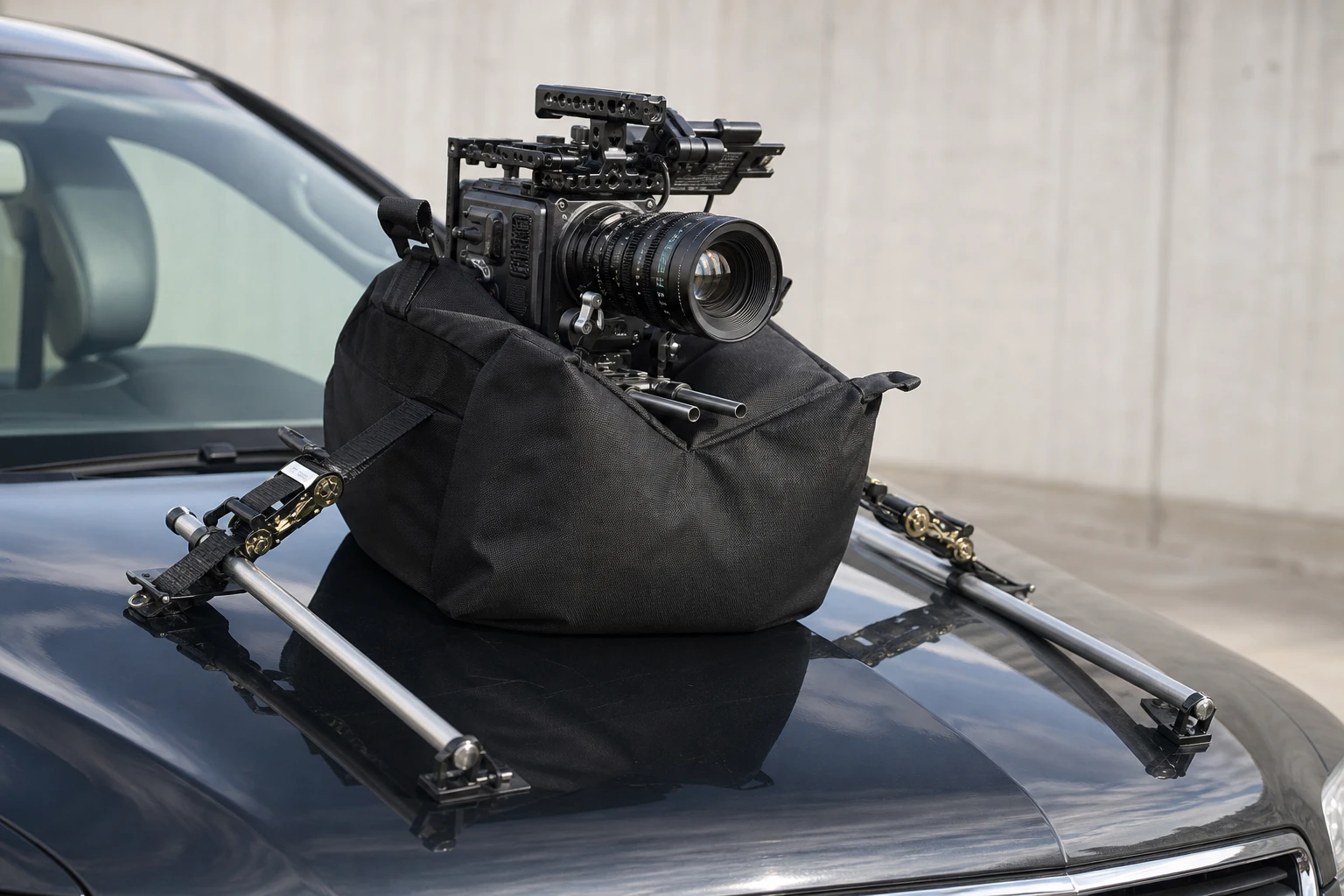
When planning a vehicle shoot, always consult <a href="https://www.chubb.com/content/dam/aem-chubb-global/static-pages/rediscover-entertainment/pdf/VehicleRiskManagementforFeatureFilmand_Television.pdf”>established safety bulletins for specialized camera cars. Keep in mind that these bulletins are just guidelines. Local, state, and federal regulations always override them, so check local transport laws before rigging anything to a car exterior.
Finding the Right Saddle Bag for Your Setup
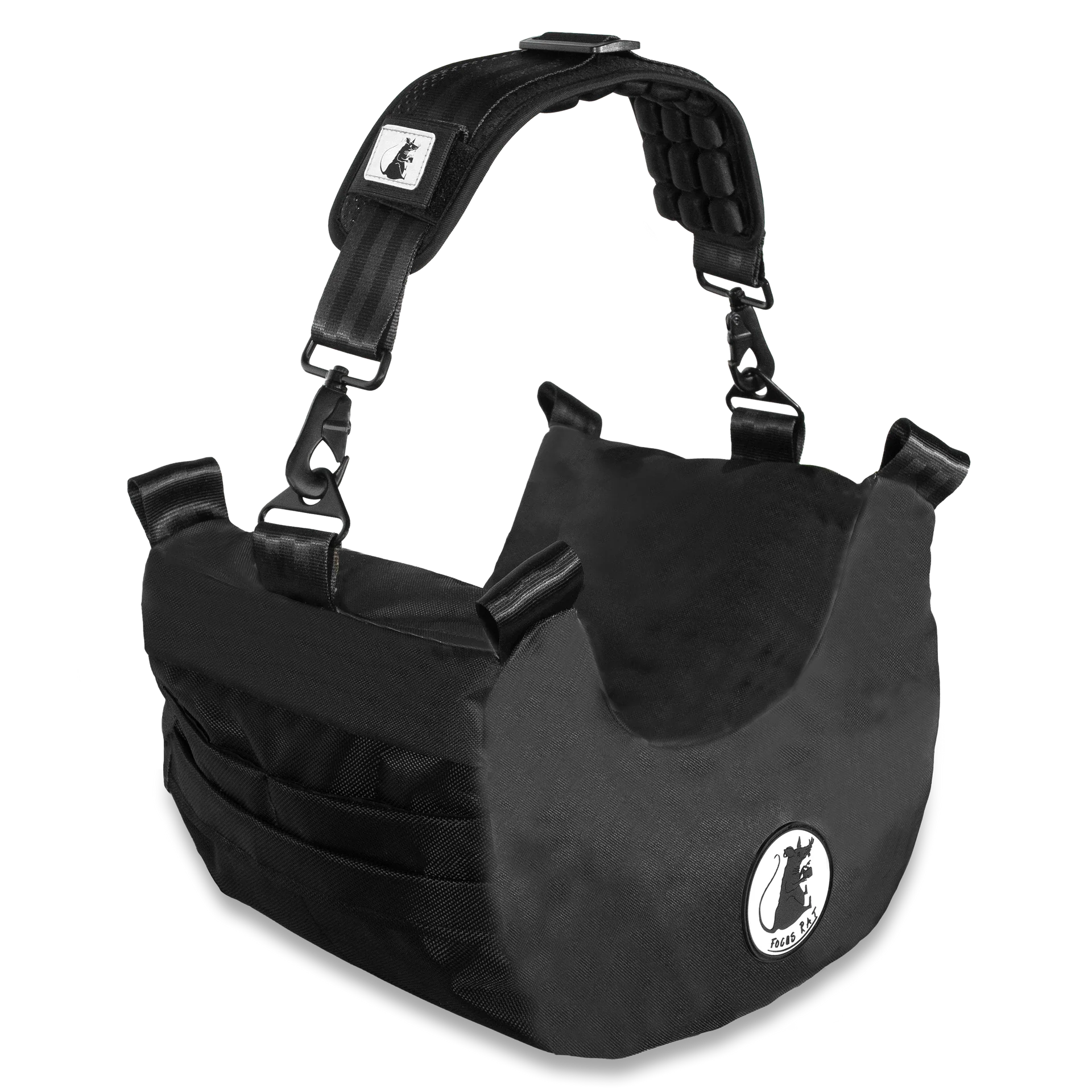
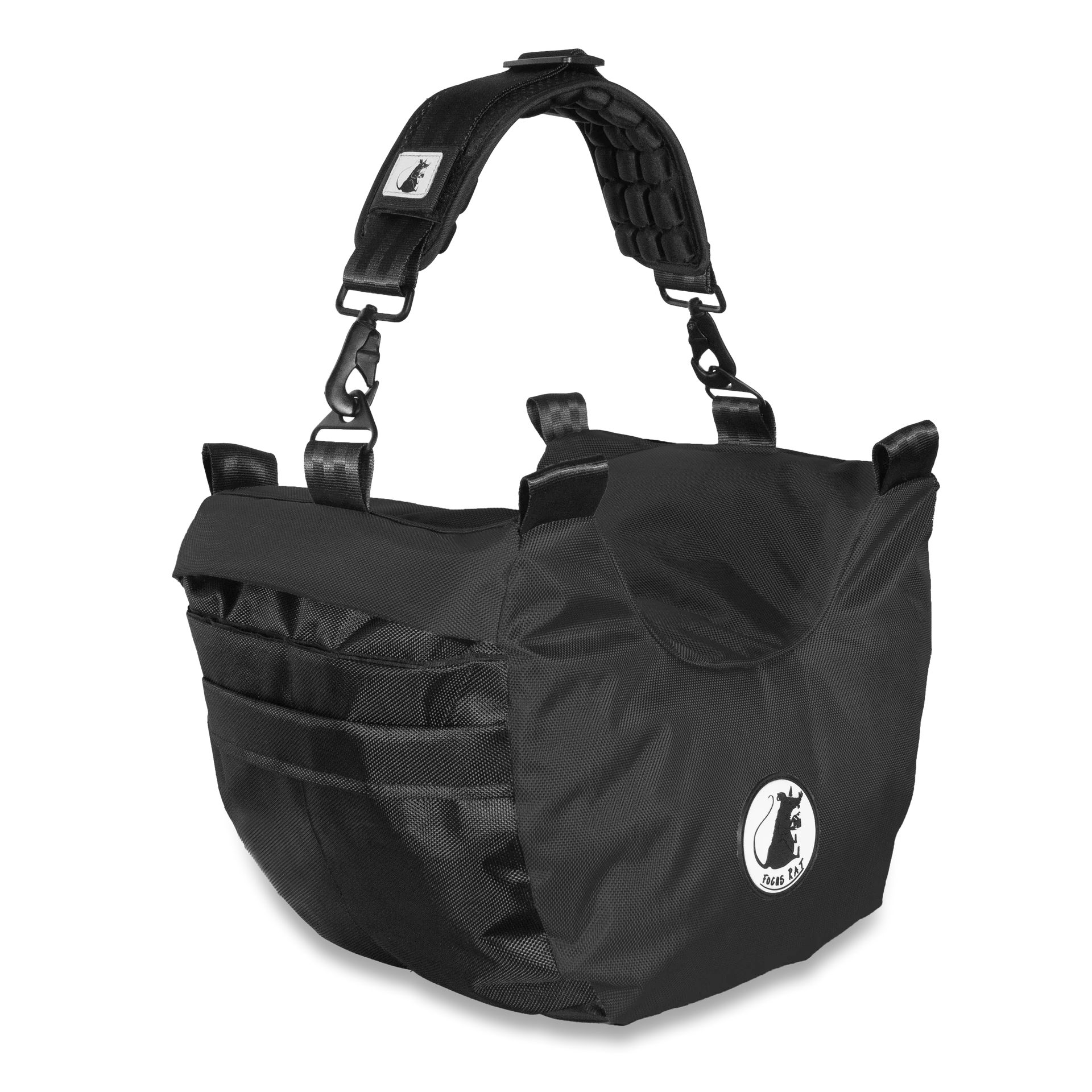
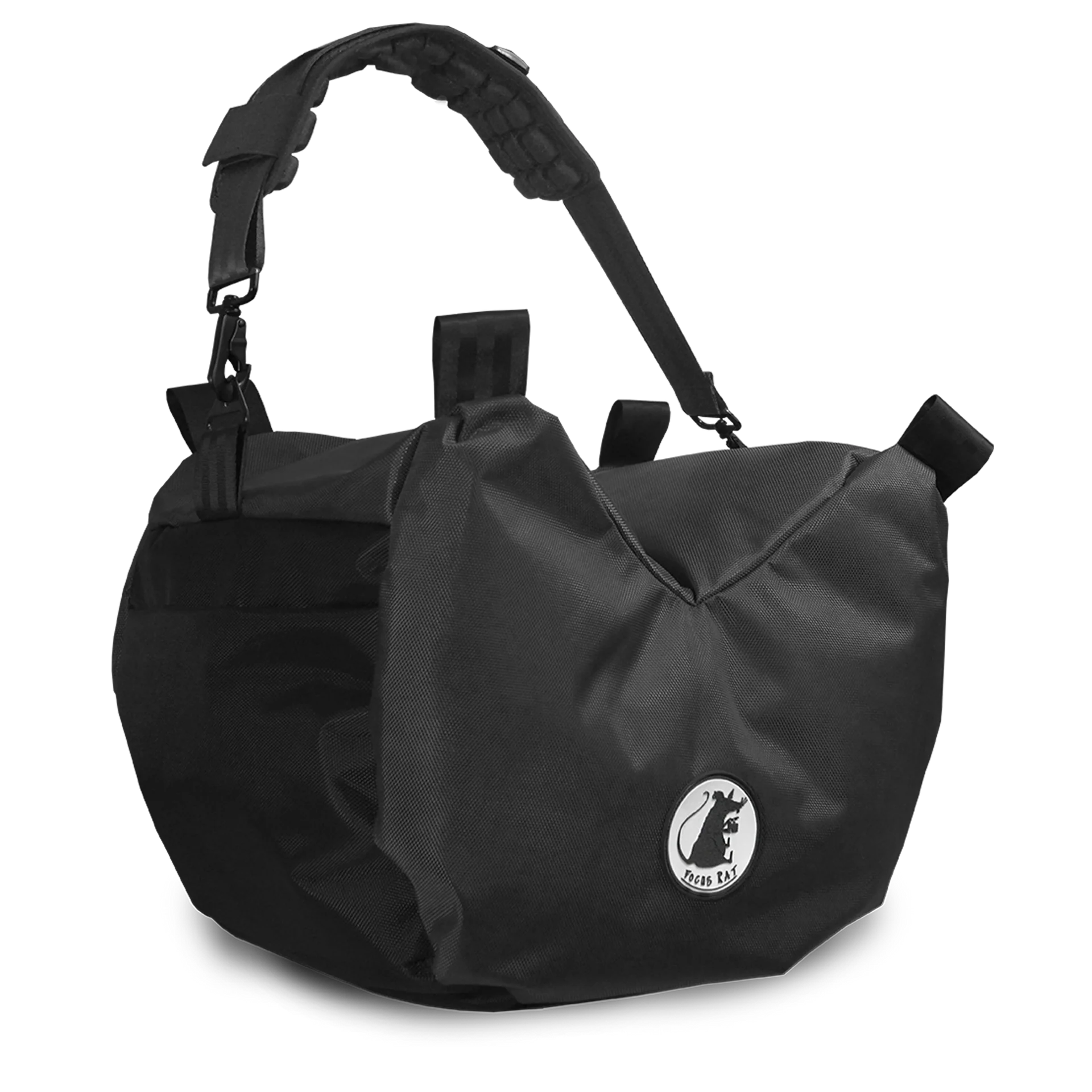
You need to select a bag that matches your payload. The main rule is to choose a bag based on the surface area you need, taking care to account for your longest lens. Heavy setups with long glass require a wide, supportive base to prevent front-heavy tipping. Look for tough, waterproof construction to survive harsh weather.
For high-end cinema builds on car hoods, you need a large footprint. For standard handheld support, a medium bag provides the right balance of weight and stability. If you shoot wildlife or fast documentaries, a mini bag easily clips to your belt and blends into the environment.
Transporting Fully Assembled Camera Rigs
A saddle bag allows you to operate quickly. Your transport gear should support that same speed. When you move between locations, breaking down the camera wastes time. You need a transport solution that holds the rig intact.
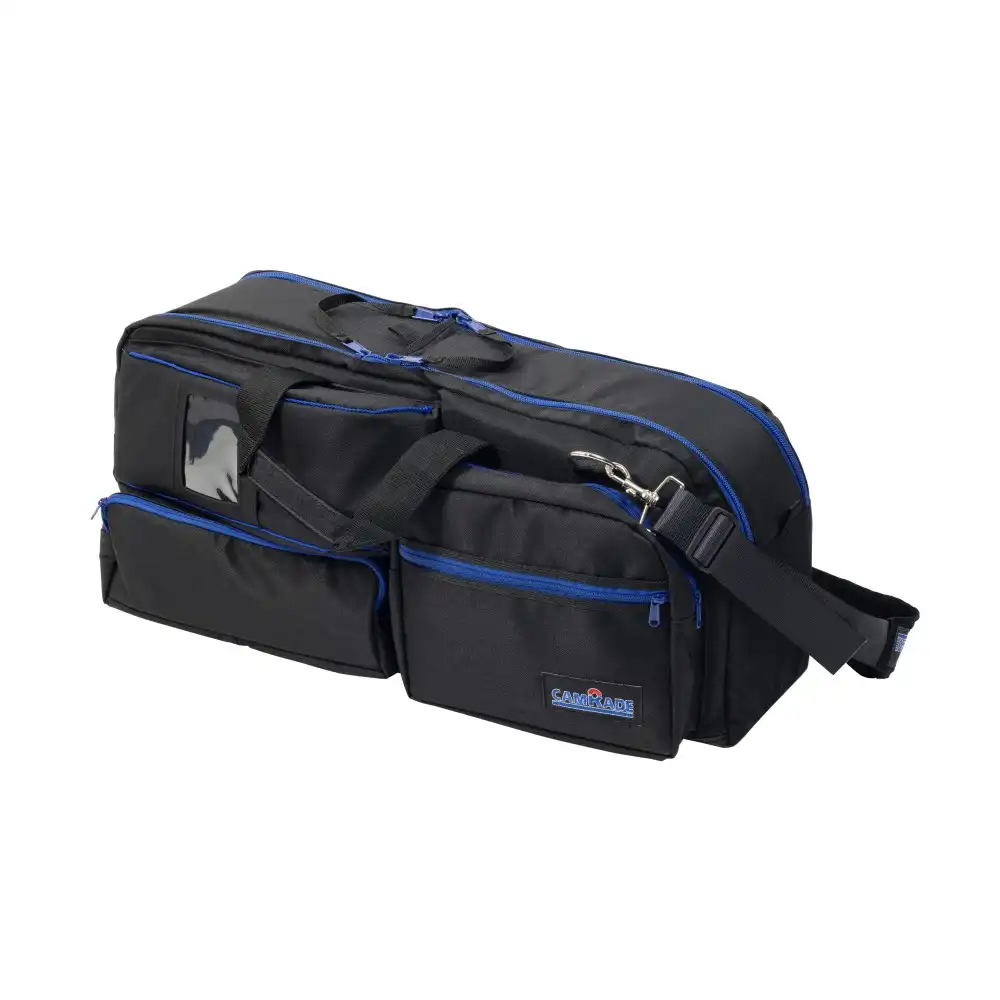
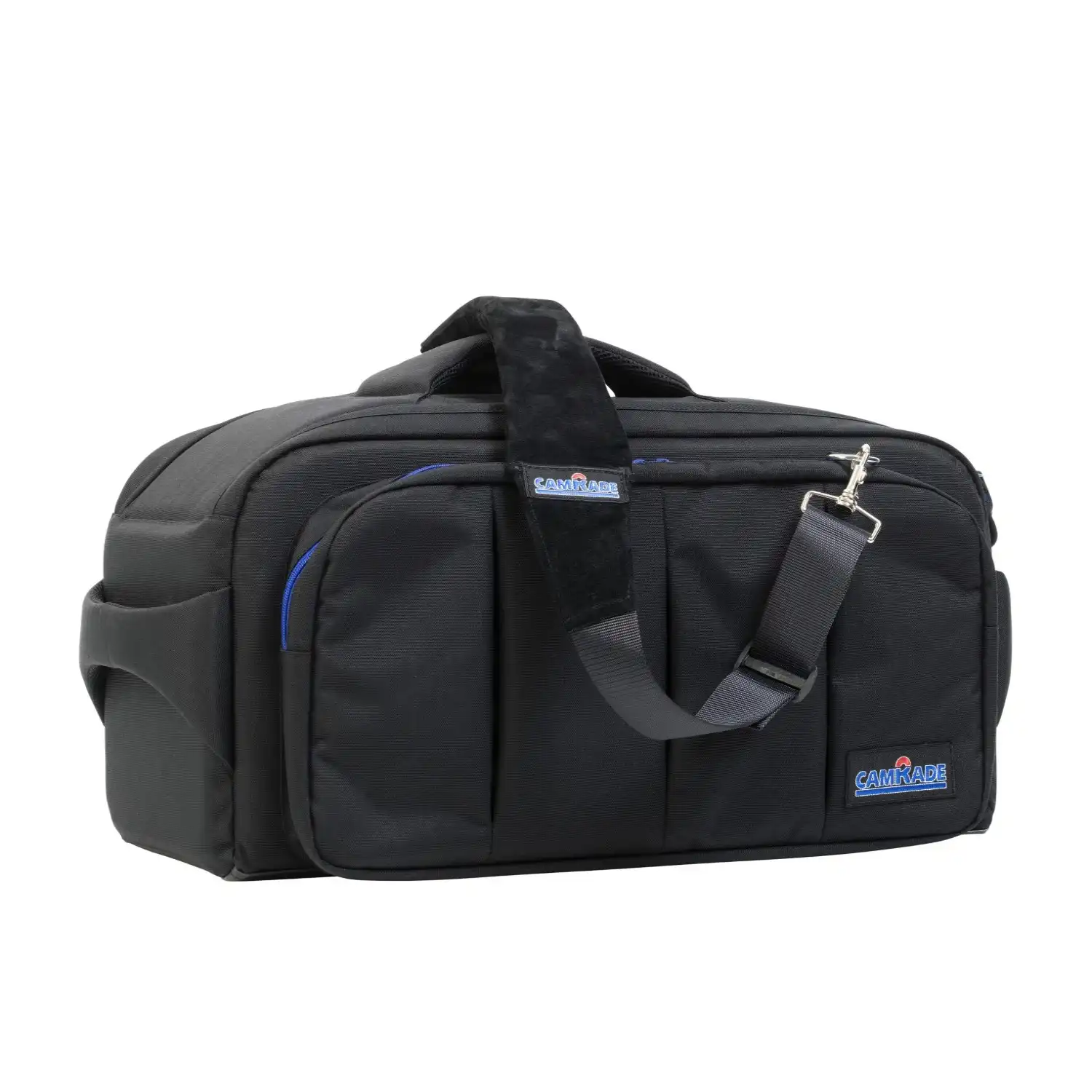
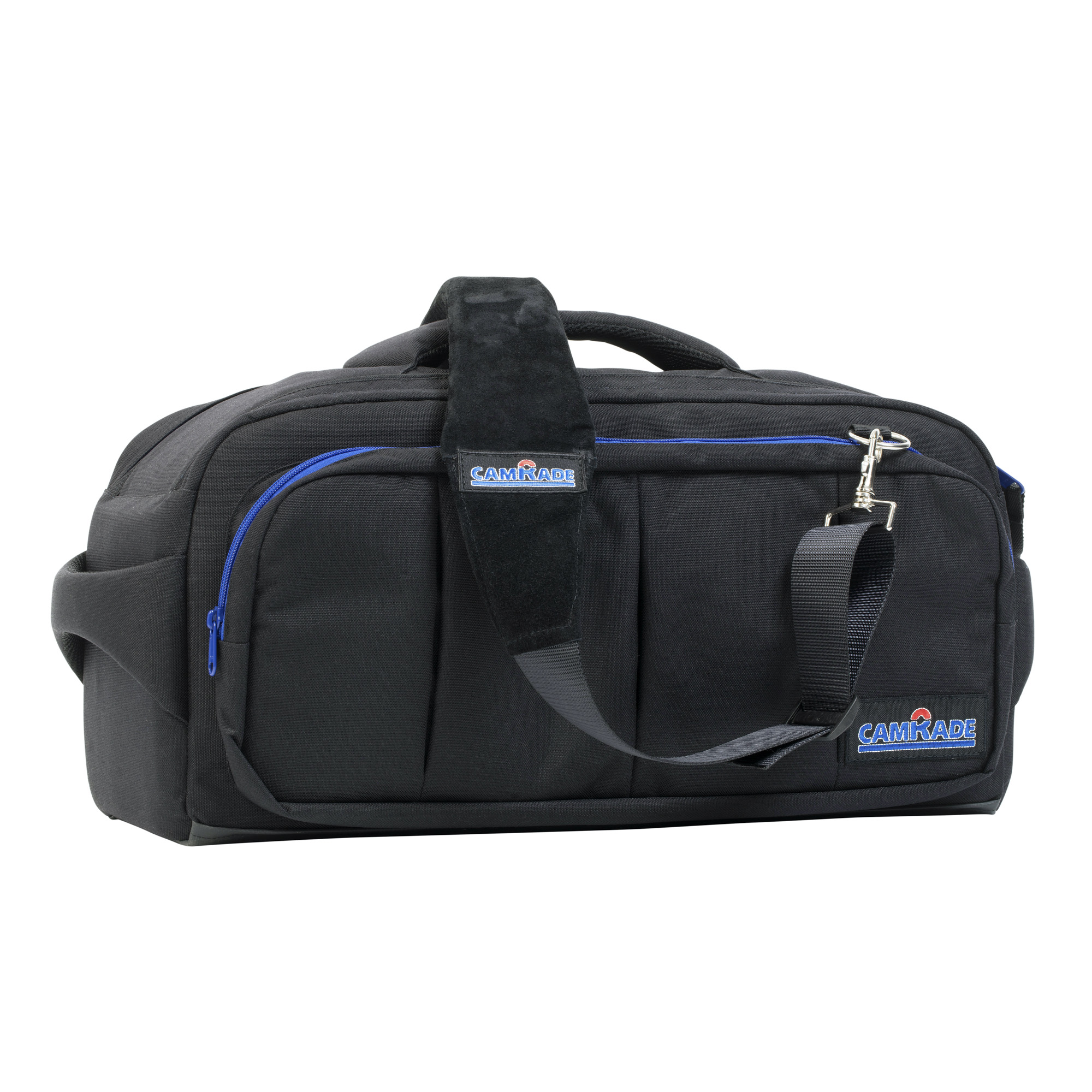
We recommend using soft bags designed for the run-and-gun operator. These bags let you safely transport your camera completely assembled and ready for action. Look for reinforced inlays, high-quality zippers, and water-resistant materials to protect your investment on the move.
Rolling Cases for Heavy Setup Logistics
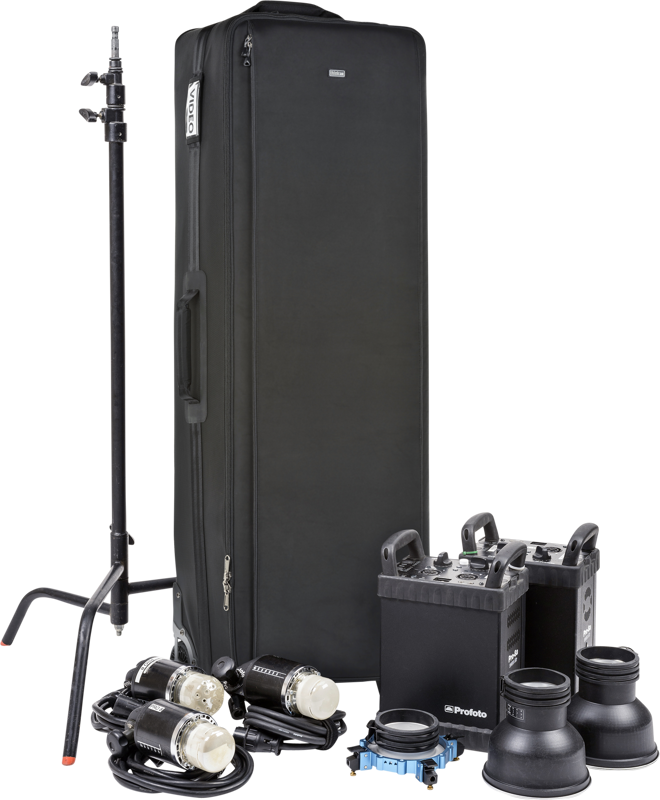
When you add up cameras, lenses, saddle bags, and rigging straps, your gear becomes incredibly heavy. Carrying everything on your shoulder causes fatigue before you even call action. You need to transfer that weight to the ground.
Browse our full range of cases to find logistical solutions for your crew. For maximum protection, hard cases and rigid rolling bags act as mobile base camps. They organize your grip gear and protect fragile components during air travel or rough transport.
-
 Soft bags
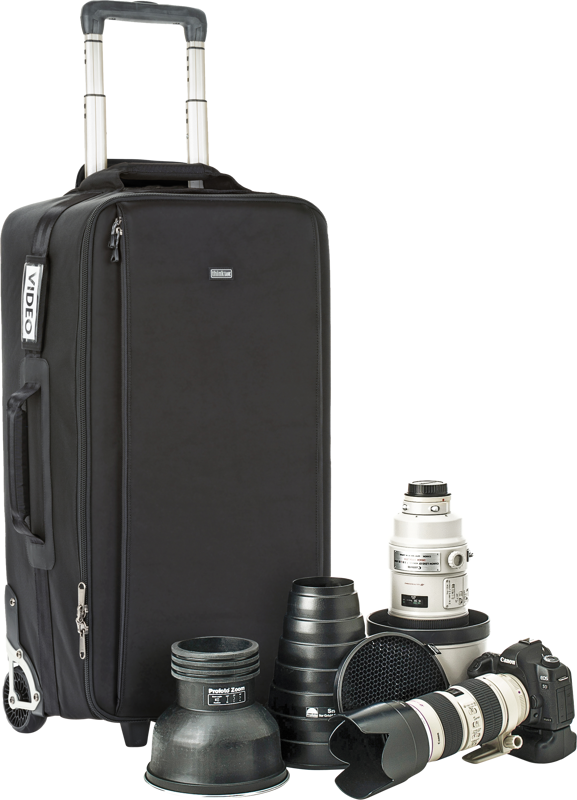
THINK TANK Production Manager 50 V2.0, Black
€ 526.12€ 652.39 (incl. VAT) -
 Soft bags
THINK TANK Logistics Manager 30 V2.0, Black
€ 417.25€ 517.39 (incl. VAT) -
 Soft bags
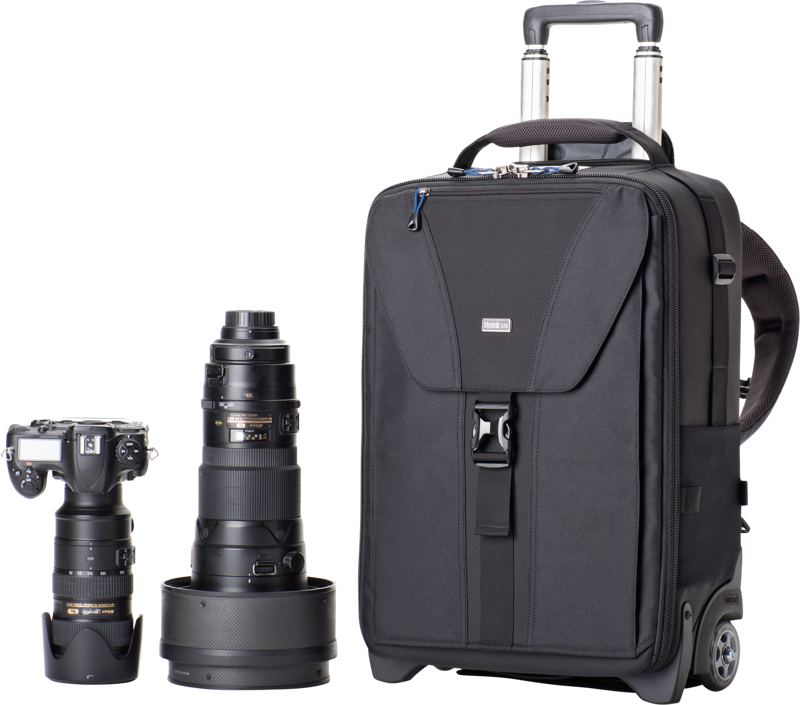
THINK TANK Airport TakeOff V2.0, Black
€ 342.00€ 424.08 (incl. VAT) -
 Soft bags
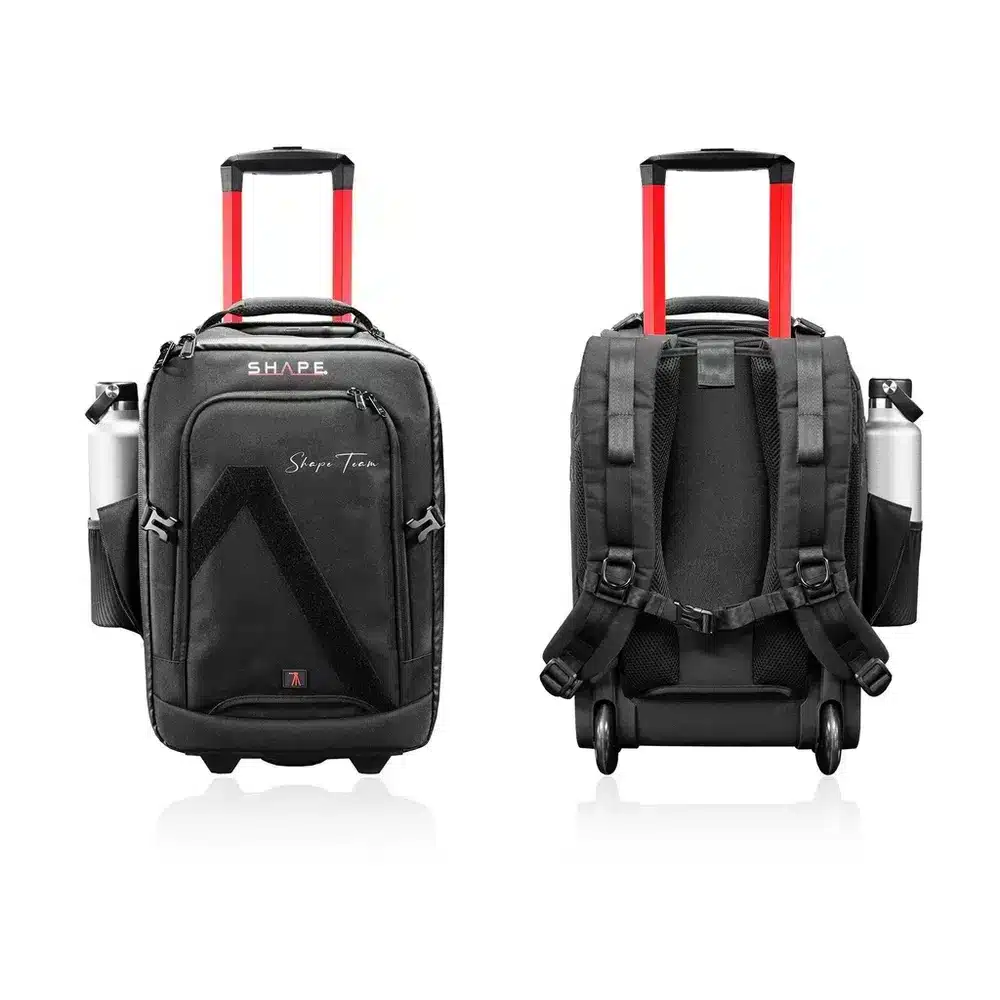
SHAPE Rolling Camera Bag Backpack
€ 305.63€ 378.98 (incl. VAT)
Key Takeaways
- Use saddle bags filled with polystyrene beads to quickly level cameras on uneven ground without tripods.
- Never film handheld inside a moving vehicle. Seat the camera in a large saddle bag to absorb vibrations, then secure it with rigid pipe mounts and ratchet straps.
- Always check local transport laws and safety bulletins before rigging cameras to any vehicle exterior.
- Size your steady bag based on the total surface area of your rig, paying close attention to your heaviest, longest lens.
- Keep your workflow fast by pairing your saddle bag with a run-and-gun soft bag that holds the camera fully built.
Ready to secure your shots and speed up your workflow? Add the right saddle bag to your cart today, or contact our technical sales team for advice on rigging your specific camera build.