Video Camera Buying Guide: Match Specs to 4 Pro Workflows
Video production demands precision. You need to look past marketing jargon when buying gear. Focus strictly on the technical specifications that actually solve your production challenges.
We often see productions stall simply because crews try to force the wrong equipment into their workflow. Using a massive cinema rig for a fast-paced live stream creates serious connectivity bottlenecks. Relying on a consumer camera for a corporate panel leads to audio sync issues and sudden battery failures.
This guide breaks down the essential features you need to evaluate across different cameras. We will help you match sensor sizes, input limits, and network protocols to your specific shooting environment.
Narrative Filmmaking: Cinema Cameras
When your goal is cinematic expression, image quality and post-production flexibility matter most. You need a camera that captures maximum data. This allows your colorists to shape the final image without restrictions.
Prioritize dynamic range and sensor size. A full-frame sensor gathers more light and provides a shallower depth of field compared to a Super 35mm sensor. Cameras with 15 or more stops of dynamic range retain critical details in harsh highlights and deep shadows. You should also look for models that shoot 10-bit color depth or raw formats. This guarantees you do not encounter ugly color banding when grading your footage.
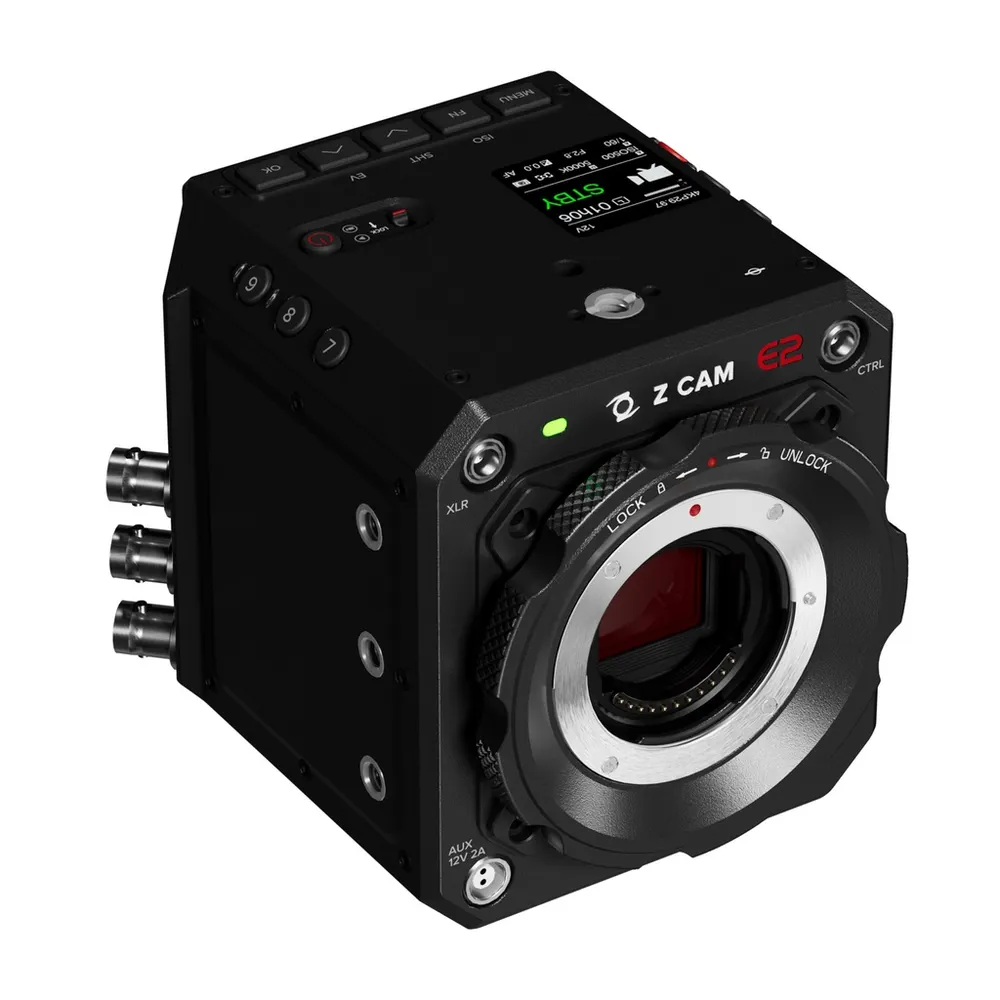
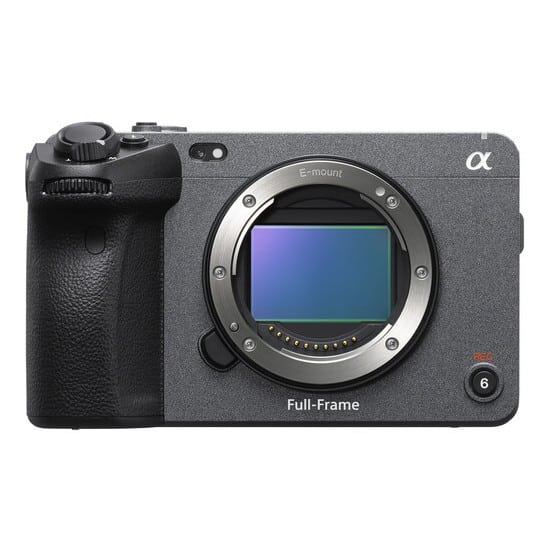
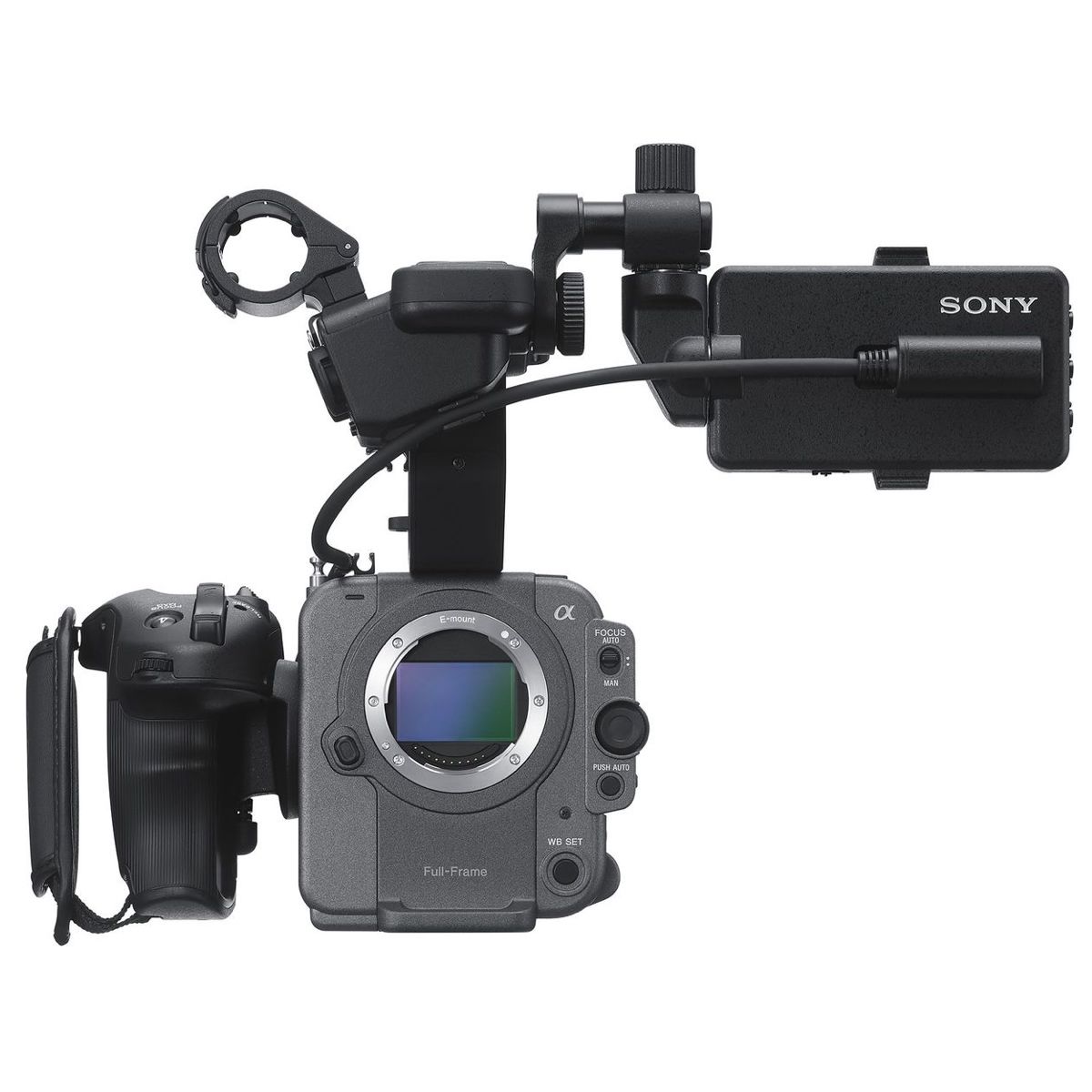
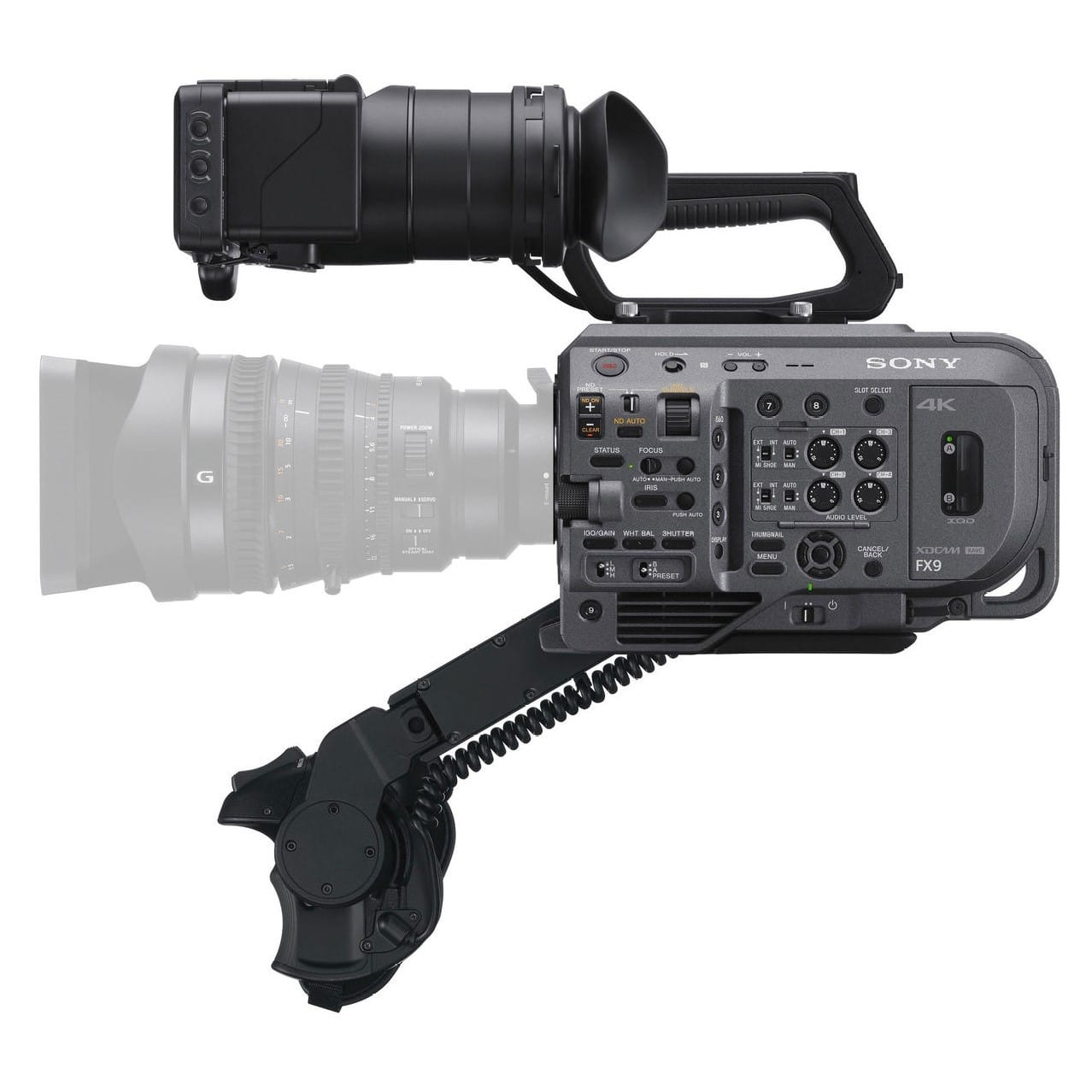
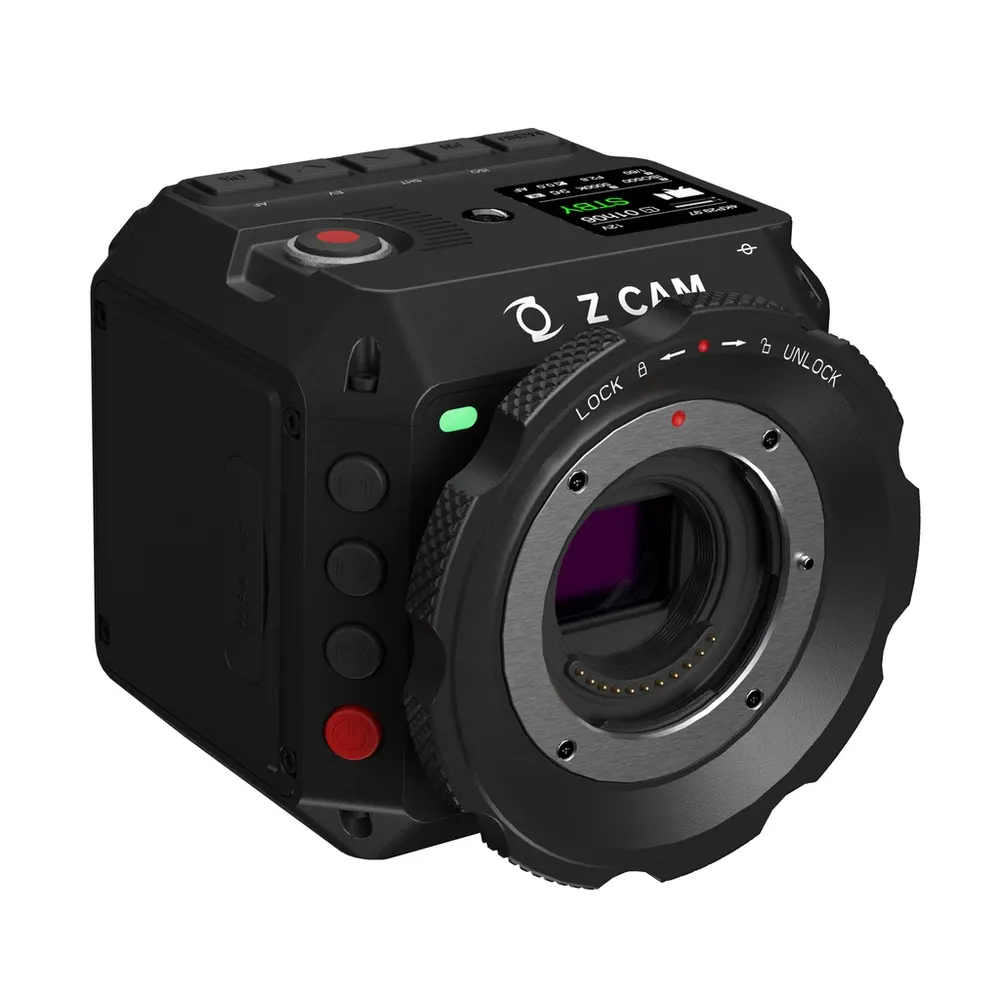
In our experience, standardizing on a reliable camera ecosystem speeds up set operations. The Sony Cinema Line offers excellent scaling. You can deploy a high-end unit for your primary angle and match its color science seamlessly with a compact gateway camera on a gimbal. Alternatively, specialized box cameras and modular cinema systems provide immense resolution options. This gives visual storytellers maximum rigging flexibility for tight spaces.
-
 -35%Video cameras
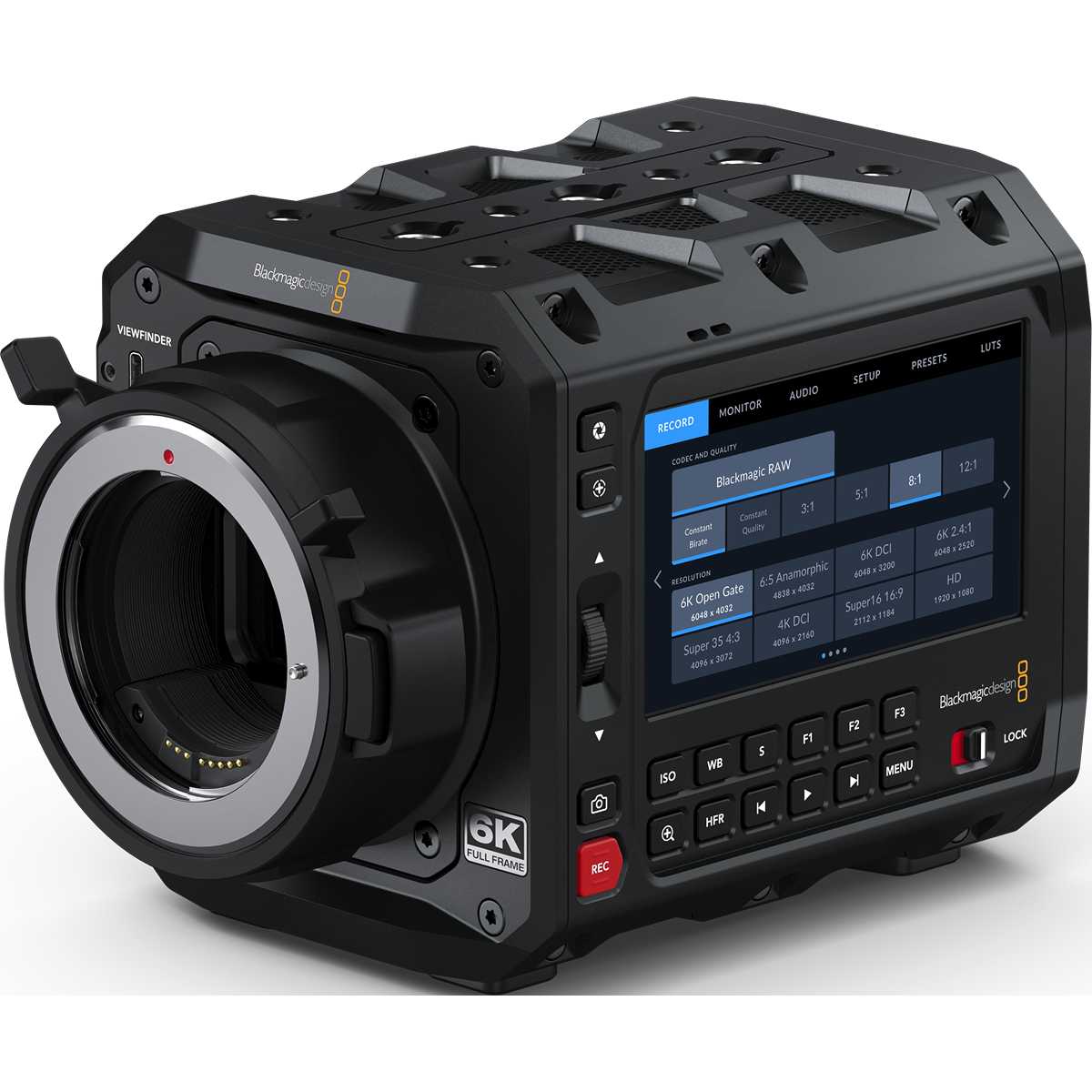
BLACKMAGIC DESIGN PYXIS 6K EF
Original price was: € 2 679.00.€ 1 749.00Current price is: € 1 749.00.€ 2 168.76 (incl. VAT) -
Video cameras
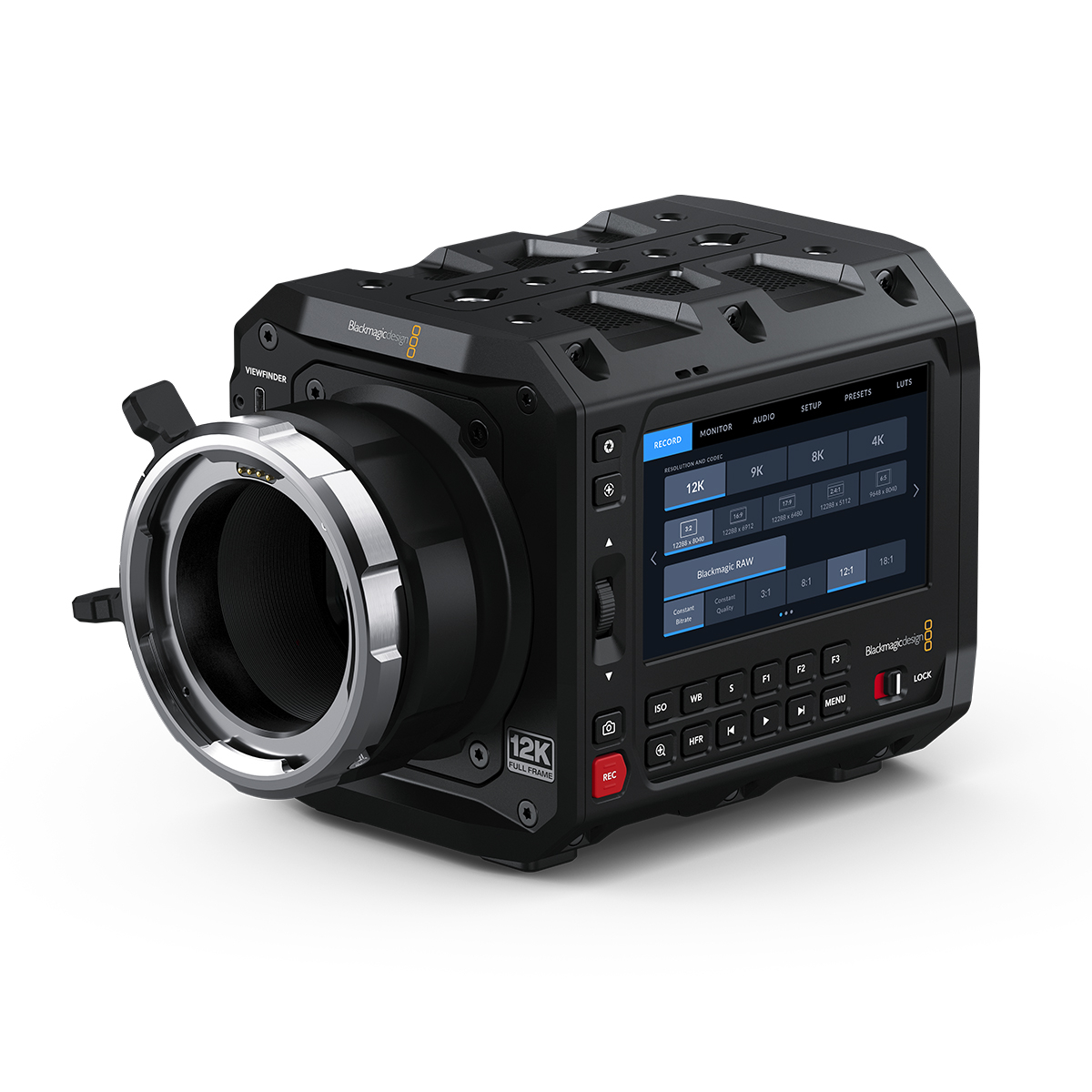
BLACKMAGIC DESIGN Blackmagic PYXIS 12K PL
€ 4 489.00€ 5 566.36 (incl. VAT) -
 -5%Video cameras
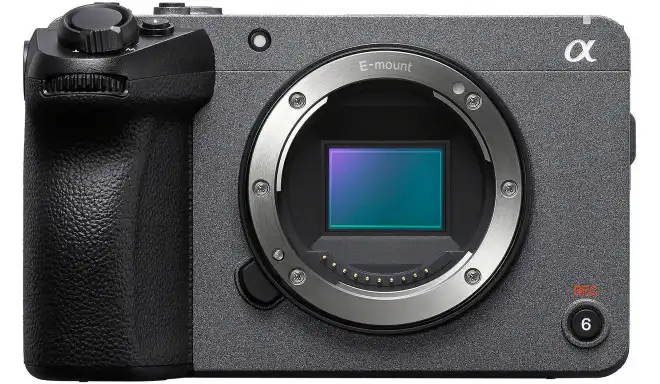
SONY FX30 compact Cinema Line gateway camera (Body only)
Original price was: € 1 935.00.€ 1 838.00Current price is: € 1 838.00.€ 2 279.12 (incl. VAT) -
 Video cameras
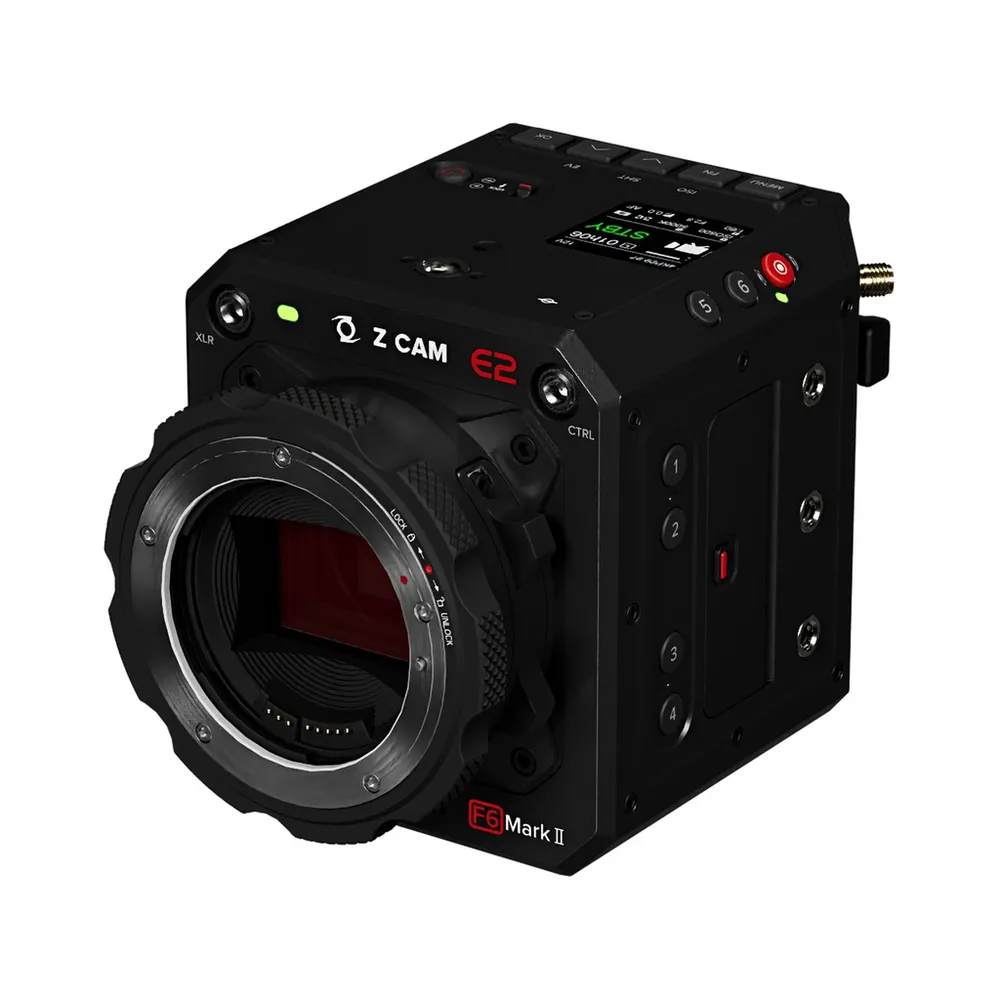
Z CAM E2-F6 Mark II Full Frame 6K Cinema Camera
€ 3 528.57€ 4 375.43 (incl. VAT) -
Video cameras
Z CAM E2-M4 Mark II 4K Cinema Camera
€ 2 015.97€ 2 499.80 (incl. VAT) -
 -5%Video cameras
SONY FX3A full-frame Cinema Line camera
Original price was: € 3 950.00.€ 3 752.00Current price is: € 3 752.00.€ 4 652.48 (incl. VAT) -
-5%Video cameras
SONY FX6 full-frame Cinema Line camera
Original price was: € 5 500.00.€ 5 225.00Current price is: € 5 225.00.€ 6 479.00 (incl. VAT)IN STOCK -
 Video cameras
SONY PXW-FX9 6K full-frame camera (body only)
€ 11 000.00€ 13 640.00 (incl. VAT)
Live Events and Broadcast: Run-and-Gun Camcorders
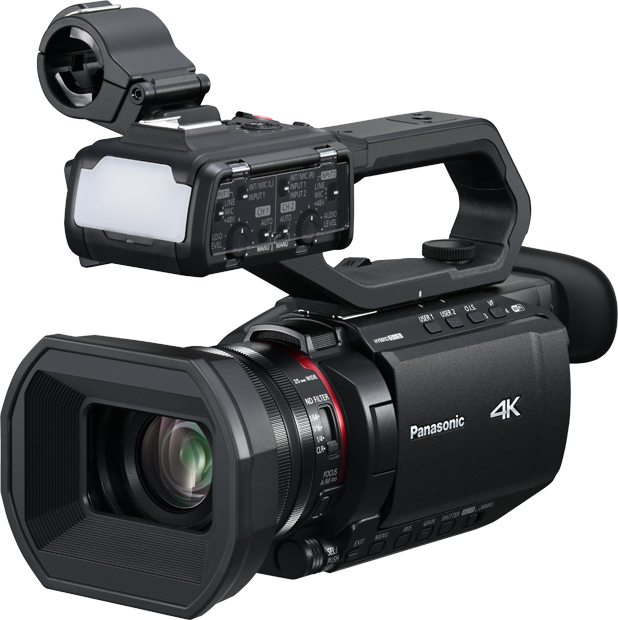
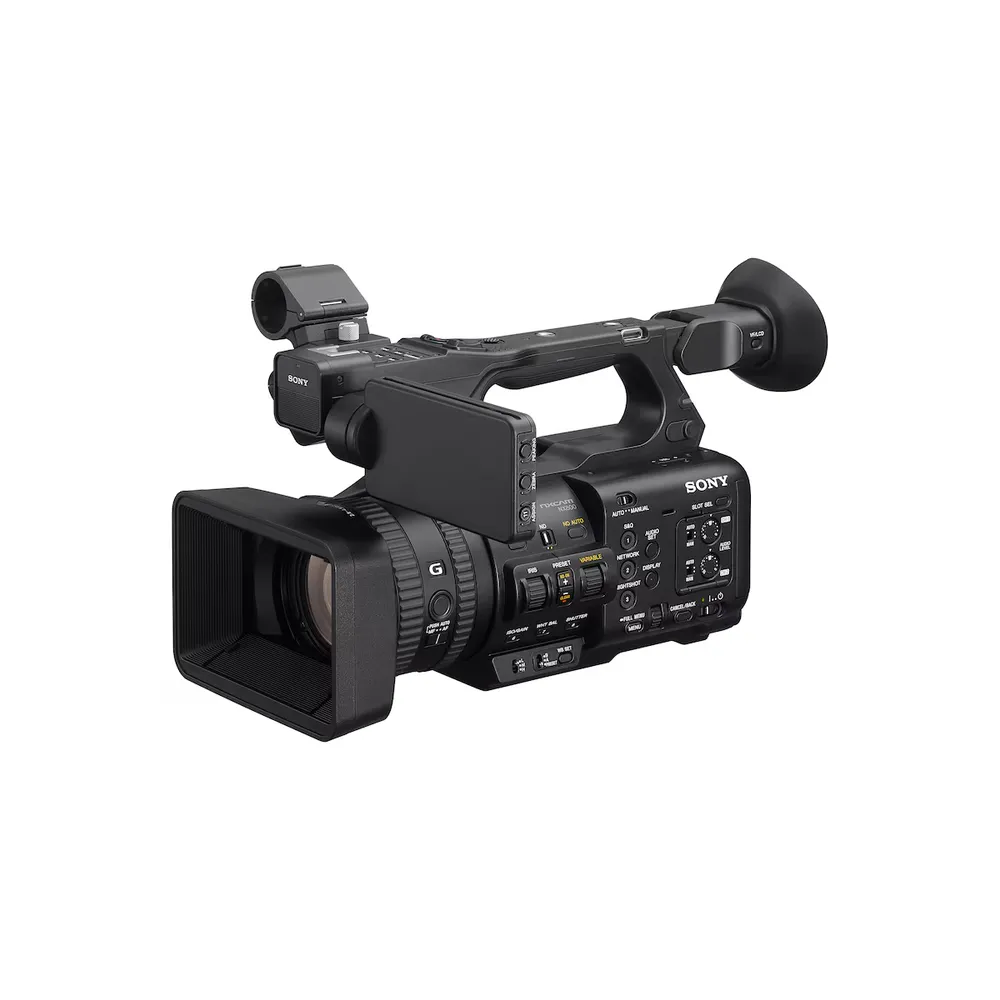
Event shooters face unpredictable lighting and fast timelines. You do not have time to swap lenses or attach external audio modules. You need a reliable all-in-one solution.
Dedicated video cameras solve these speed issues immediately. You must prioritize built-in ND filters. They allow you to adjust exposure instantly when moving from dark halls to bright exteriors. Long optical zoom ranges are also essential. They allow you to frame a speaker tightly from the back of an auditorium without losing digital resolution.
Connectivity is the defining factor for live events. You need robust 3G-SDI outputs to send long, secure cable runs to a vision mixer. For audio, dual XLR inputs are strictly non-negotiable. Sending a messy audio mix into a fragile consumer port limits your broadcast options. Professional camcorders let you run a dedicated shotgun mic on one channel while pulling a clean mixing board feed into the other.
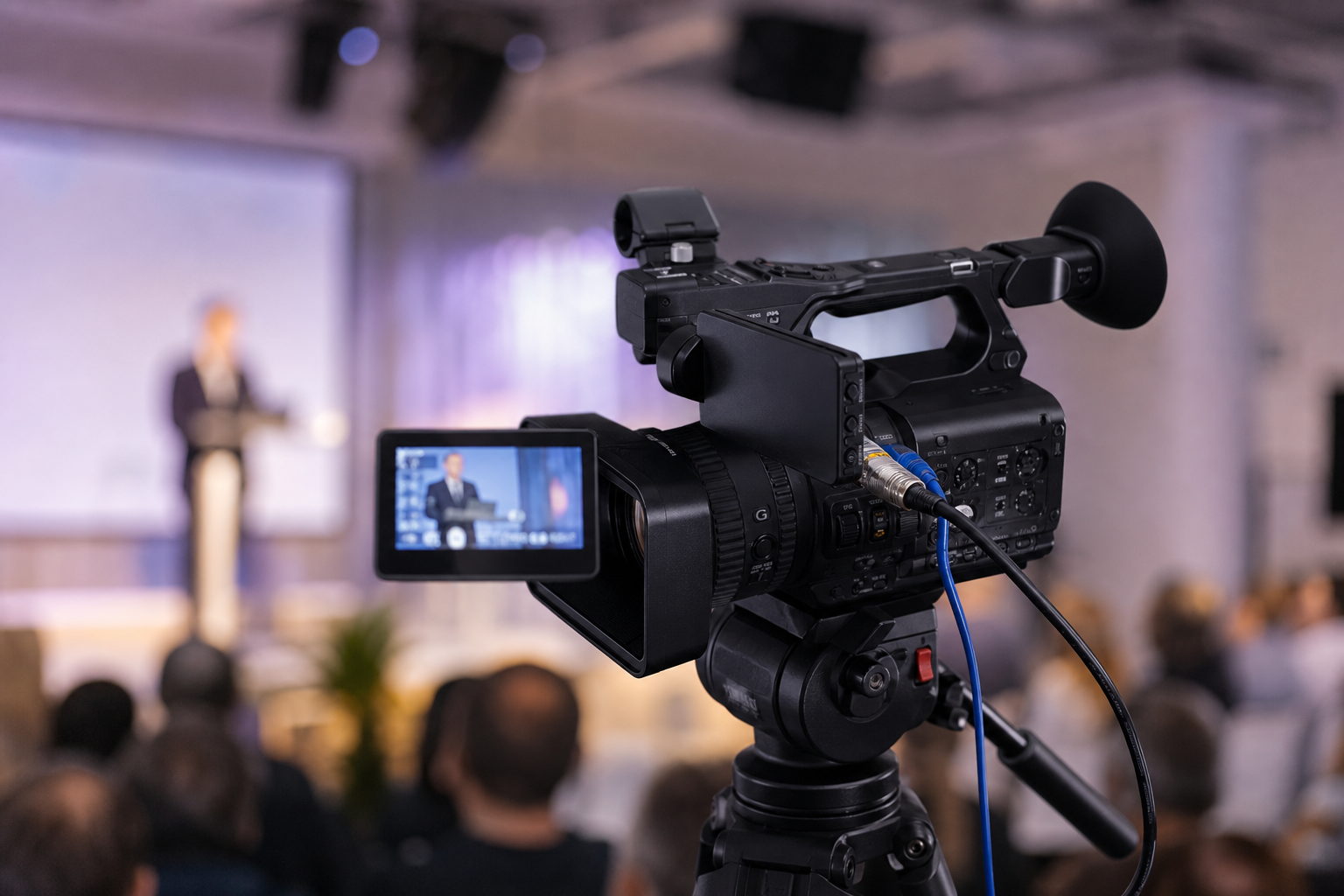
Many modern camcorders also support built-in RTMP and RTMPS protocols. This lets you stream directly to platforms like YouTube without bringing external encoders on location.
Studio Integration: PTZ and Box Cameras
Corporate panels, concert venues, and multi-host podcasts require multiple viewing angles. However, productions rarely have the budget for multiple camera operators.
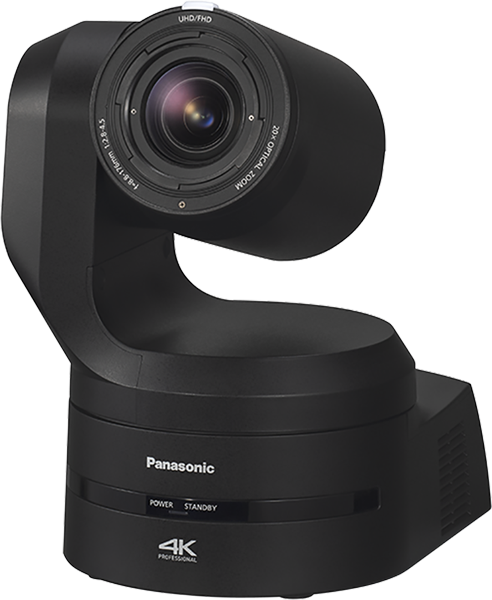
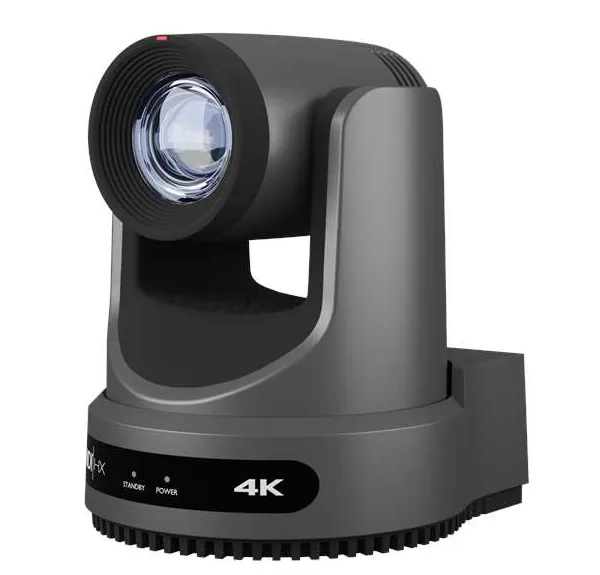
PTZ cameras handle this problem efficiently. They allow a single operator to control several units remotely from a centralized desk. When evaluating PTZ options, look closely at the sensor size. A 1-inch MOS sensor delivers significantly better low-light performance and less visual noise than standard smaller sensors.
You should also verify IP networking standards. Devices equipped with the NDI® (Network Device Interface) standard allow you to send high-quality, low-latency video, audio, and control signals over a standard Ethernet network. Advanced PTZ models now feature AI-powered auto-tracking. This automatically keeps a moving presenter perfectly framed without human intervention.
Content Creators: Hybrid Power
Solo operators and travel vloggers need professional results from a footprint that fits easily in a backpack.
Hybrid cameras blend the worlds of still photography and video recording perfectly. For solo use cases, continuous autofocus and in-body image stabilization (IBIS) are your most critical specifications. You need a camera that locks onto a subject’s eye and holds focus reliably while you move through a scene.
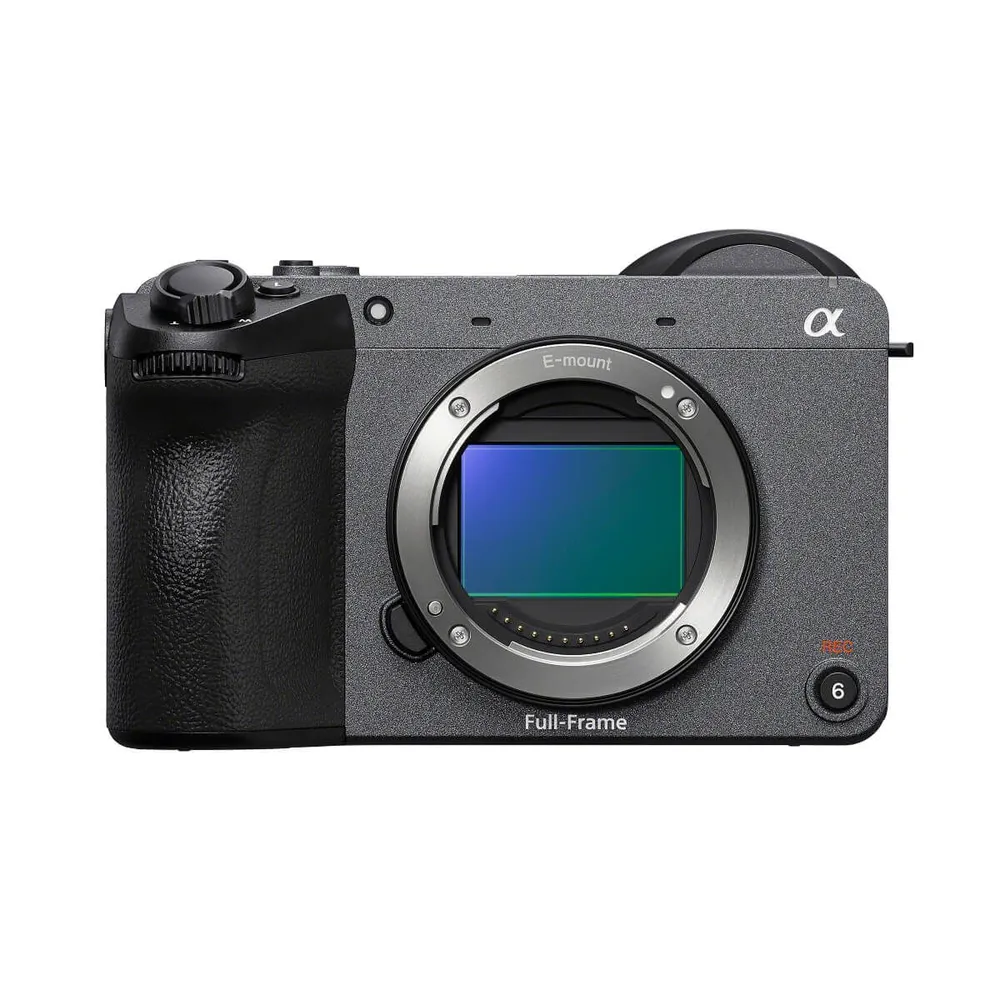
Compact full-frame mirrorless models give content creators a highly desirable cinematic look. You get the depth of field of a cinema camera without the heavy, complicated rigging.
Feature Comparison Matrix
To simplify your purchasing decision, align your production type with these core hardware requirements.
| Production Type | Camera Category | Key Specifications to Prioritize |
|---|---|---|
| Narrative Filmmaking | Cinema Cameras | 10-bit+ color depth, 15+ stops dynamic range, RAW recording |
| Live Events & Broadcast | Camcorders | SDI connectivity, built-in ND filters, dual XLR audio inputs |
| Corporate / Concerts | PTZ Cameras | Auto-tracking, NDI/RTMP support, robust optical zoom |
| Solo Creators | Hybrid Cameras | In-body stabilization, compact form factor, phase-detect autofocus |
Beyond the Camera Body: Building Your Rig
A great sensor cannot fix poor lighting or shaky movement. To get the most out of your new camera, you must support it with the right gear.
- Optics: Pair your camera with high-quality zoom lenses to maintain image sharpness from edge to edge.
- Audio Capture: Poor sound ruins visuals instantly. If you are recording a panel, learn how to manage a microphone for multiple speakers. Always route your microphones through a portable audio recorder featuring 32-bit float technology to prevent digital clipping.
- Lighting: Master how to light an interview using a proper three-point setup. This elevates your image from amateur to broadcast-quality.
- Mounting and Grip: Secure your payload properly. Use reliable tripods for static shots or advanced gimbals for smooth tracking. For vehicle rigging or uneven surfaces, a saddle bag for your camera eliminates micro-vibrations quickly. Explore our full range of camera mounting accessories to build a rig that strictly suits your workflow.
Key Takeaways
- Match your sensor size to your delivery format. Full-frame sensors excel at cinematic depth, while 1-inch and smaller sensors offer the deep focus required for live event coverage.
- Prioritize built-in I/O connections like SDI and XLR for live broadcast work. This eliminates the failure points caused by fragile external adapters.
- Invest in IP-capable PTZ models with NDI support. This drastically reduces cabling costs and simplifies multi-camera studio routing.
- Evaluate your physical footprint. Choose compact hybrid cameras for solo gimbal work and larger dedicated bodies for heavy studio setups.
Ready to upgrade your production workflow? Explore our complete inventory of camera accessories or contact our technical team to design a customized, multi-camera installation for your venue.