How to Choose HDMI Cables for On-Set Video Rigs
A dropped video signal on set halts production immediately. Black screens, flickering monitor feeds, and corrupted RAW recordings often trace back to a single weak link: an unreliable HDMI cable. We have seen whole crews wait around just because a cheap retail cable failed under normal camera movement.
Consumer cables work fine behind a stationary television, but they fail quickly on dynamic production rigs. Video production demands flexible, high-bandwidth cables that handle constant movement, tight routing, and frequent plugging. Selecting the right cable requires matching physical connectors, bandwidth standards, and cable construction to your specific setup.
Matching Connectors and Rig Layout
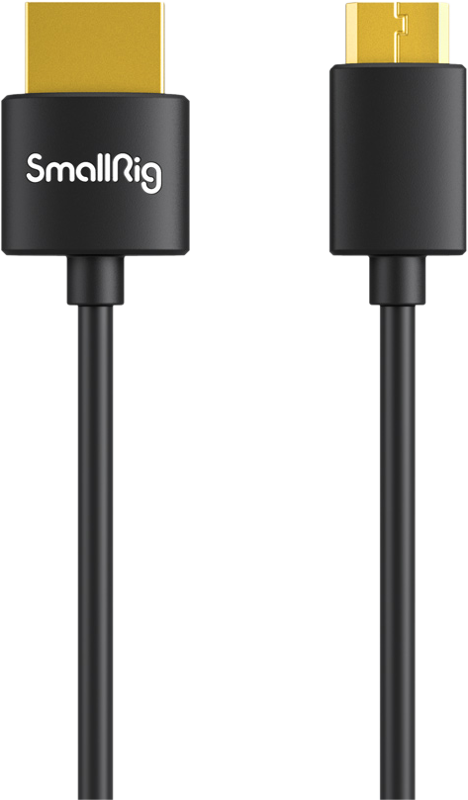
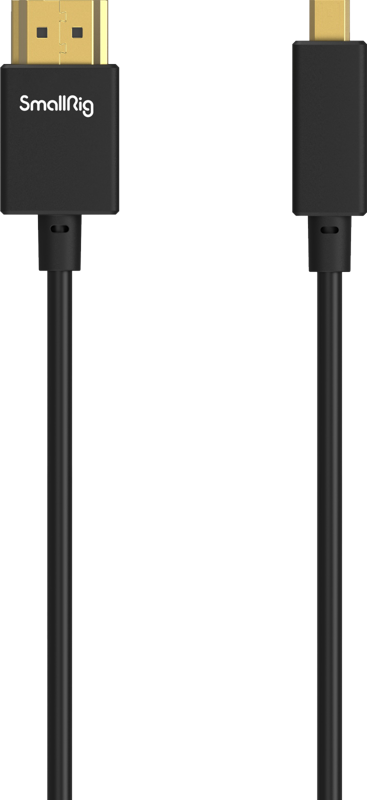
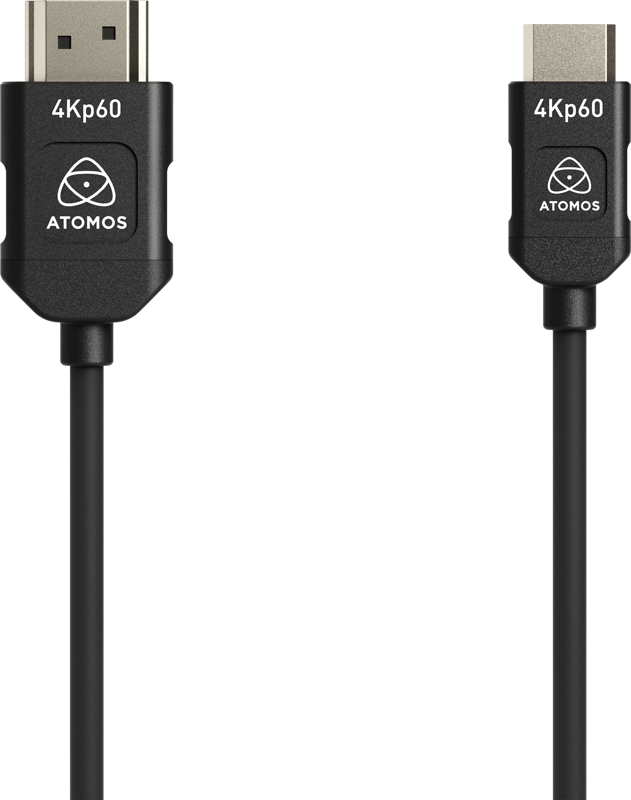
Camera manufacturers use three primary HDMI port sizes: Full-Size (Type-A), Mini-HDMI (Type-C), and Micro-HDMI (Type-D). Micro and Mini ports are notoriously fragile. Heavy, stiff cables exert lever-like force on these small connectors, which can damage your camera’s internal circuit board over time.
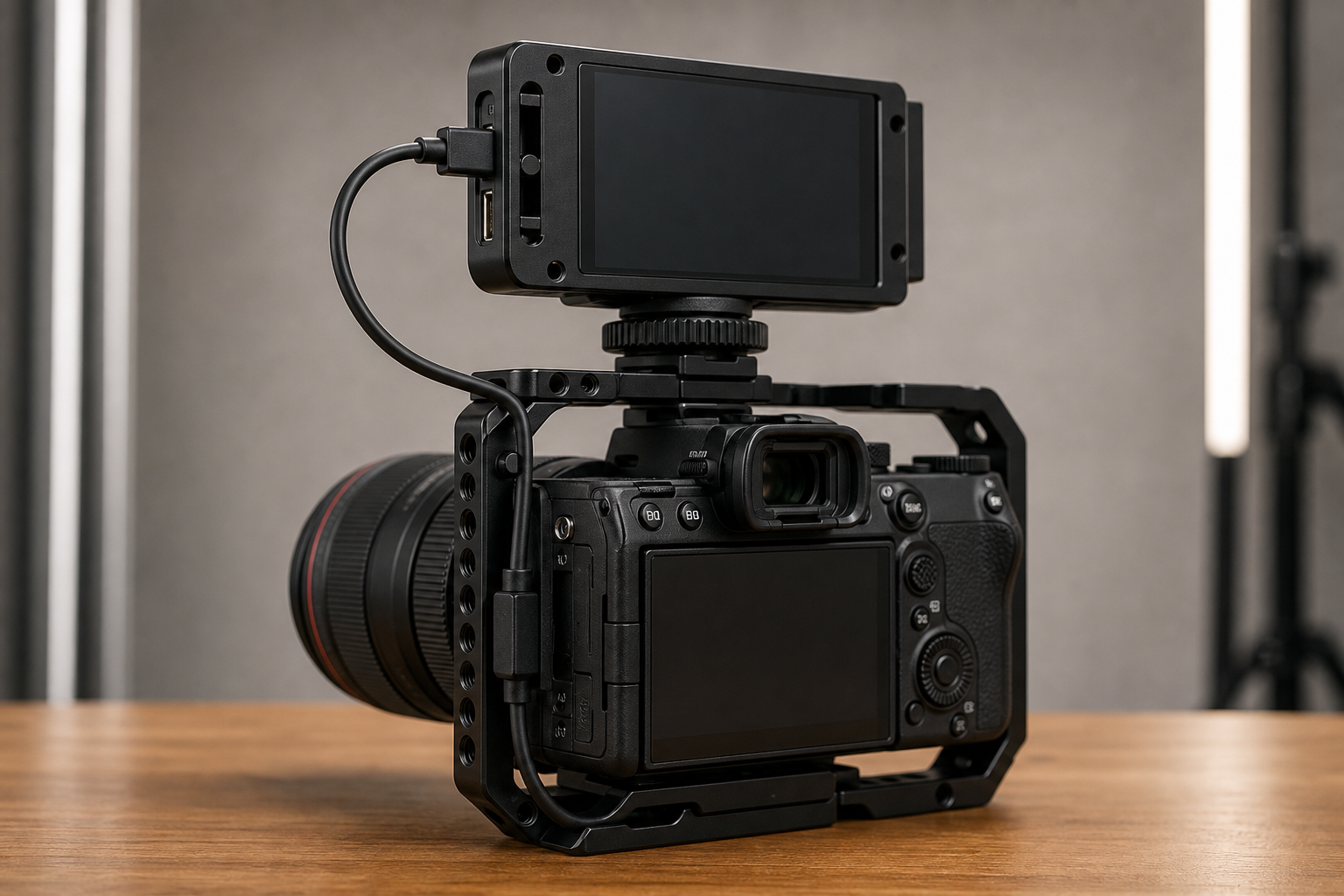
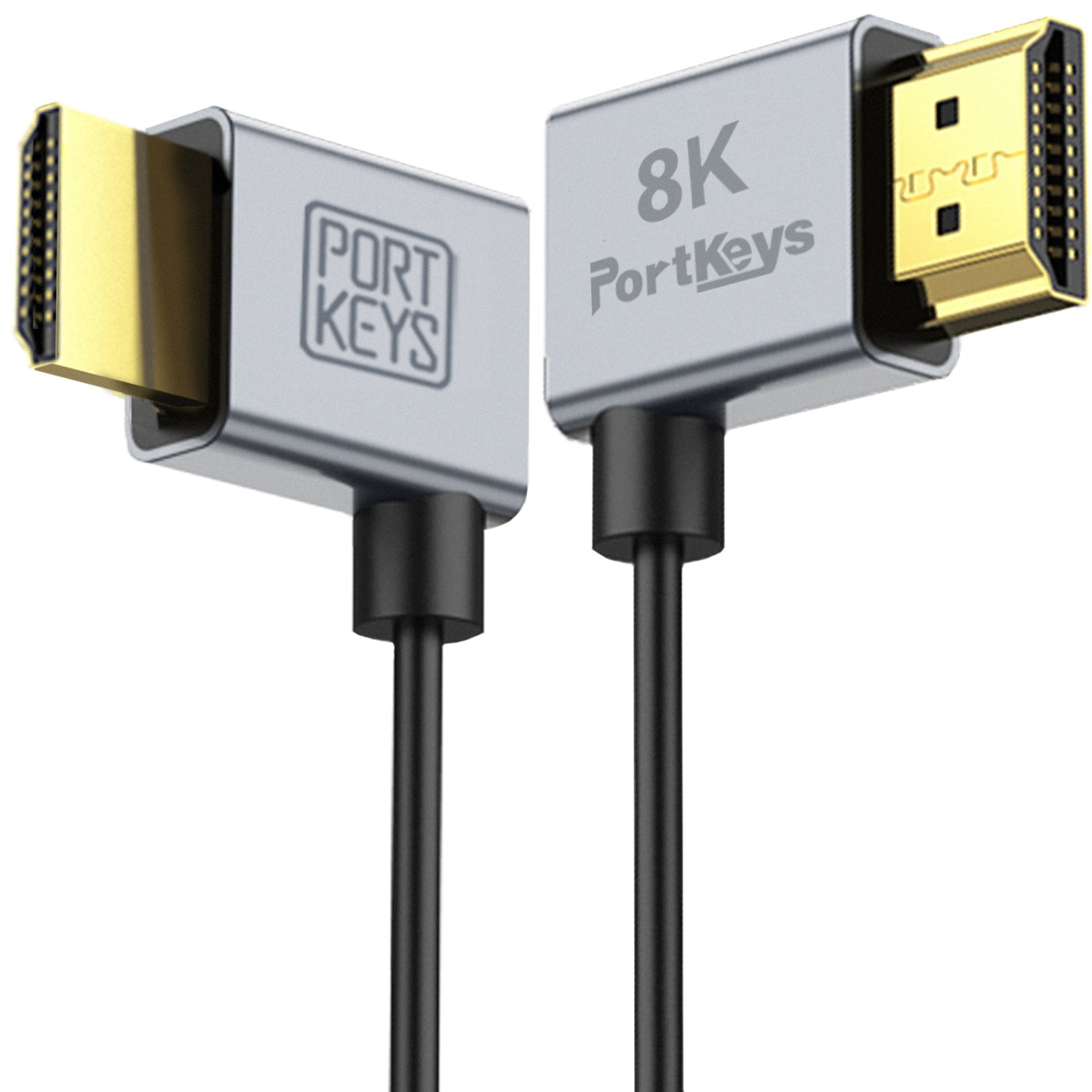
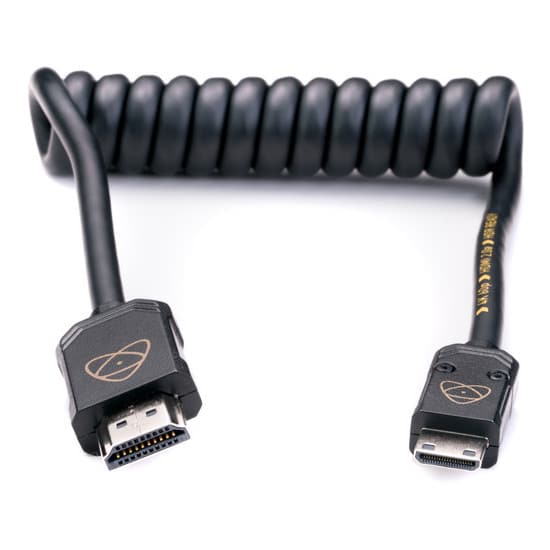
For compact mirrorless camera setups, flexible ultra-slim cables prevent port strain. They bend easily around camera cages without pushing against other rig components or throwing off gimbal balance. When you link a mirrorless camera to an external video recorder, low-profile connectors keep your footprint small while keeping the signal path stable.
Bandwidth Requirements for 4K60 and RAW
High-bitrate video feeds demand strict bandwidth standards. Standard 1080p video requires minimal data rates, but monitoring uncompressed 4K60 HDR or capturing 10-bit ProRes RAW pushes standard copper lines to their limits.
According to official HDMI Licensing Administrator standards, sending 4K at 60Hz with expanded color spaces like BT.2020 requires a certified Premium High Speed cable rated for 18Gbps. Uncompressed 8K or higher frame rate 4K feeds require Ultra High Speed 48Gbps cables. If your cable lacks sufficient bandwidth, your field monitor may drop frames or fail to signal handshake completely.
Silicone cable jackets provide high flexibility without kinking, while right-angle or dual-elbow connectors keep cables sitting flush against your rig.
Physical Security: Coiled and Locking Connectors
In fast-paced production environments, loose cables pull out easily. An accidental yank can pop a cable out of your monitor or snap a connector head mid-take.
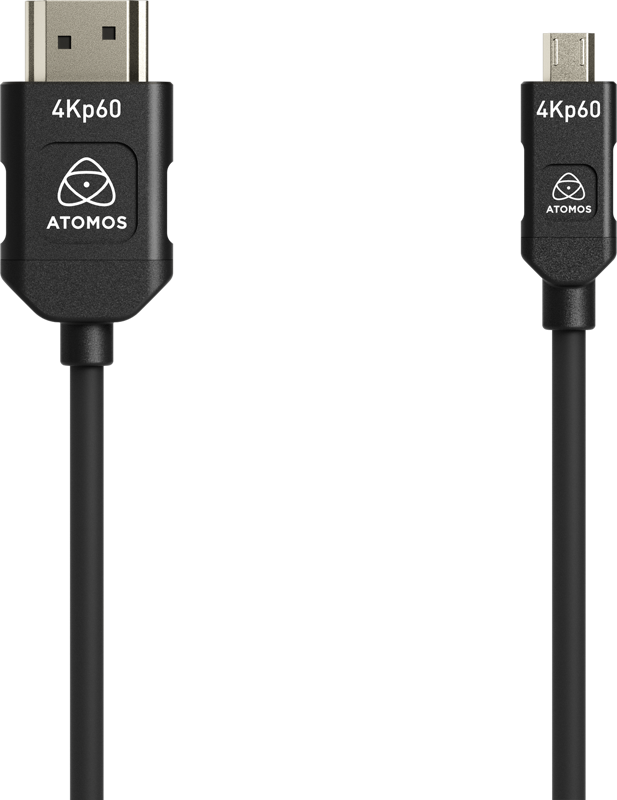
As noted in Atomos technical guidance, locking connectors and strain relief prevent unexpected signal loss on set. Locking HDMI connectors anchor firmly into compatible ports, eliminating accidental disconnections during active hand-held moves.
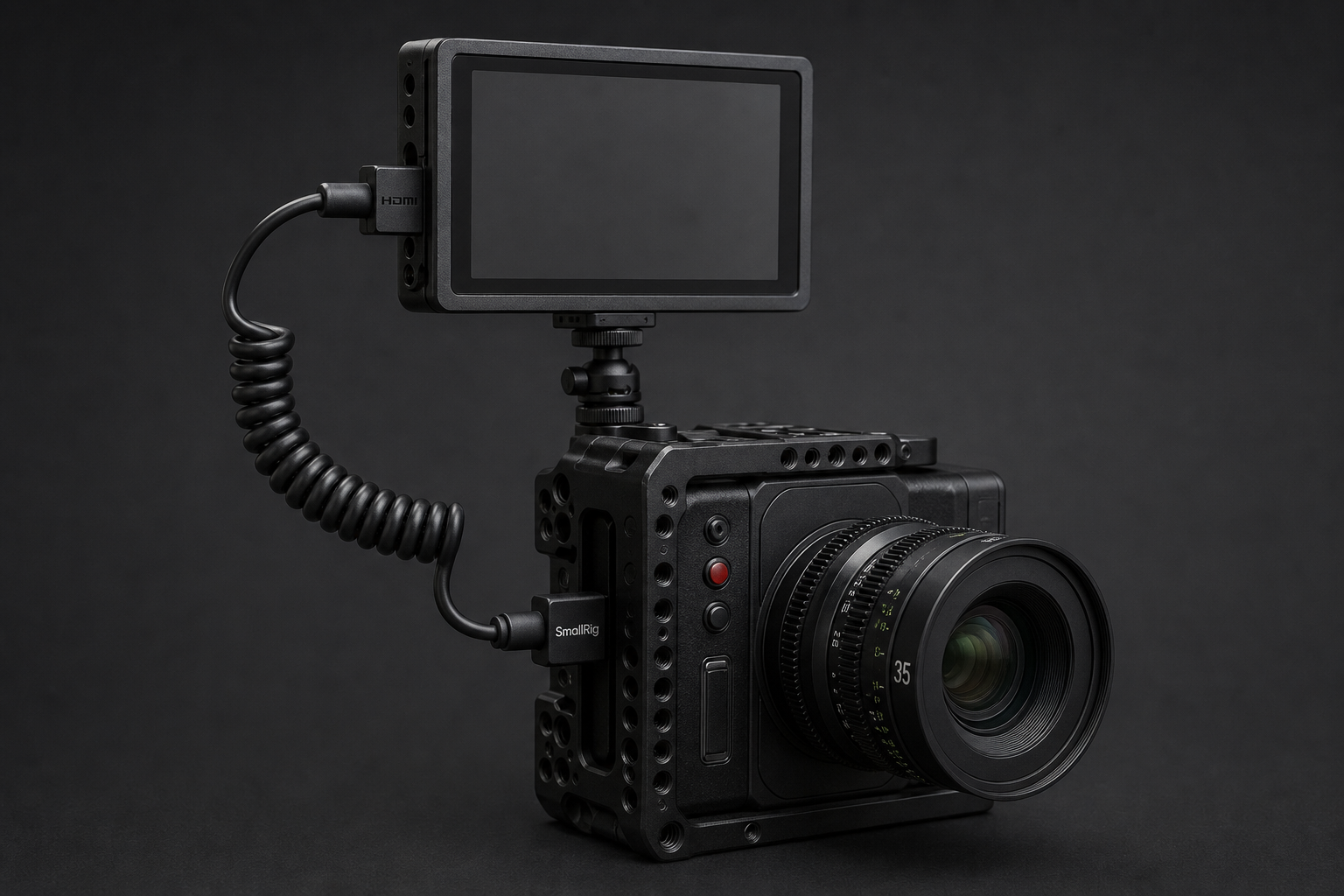
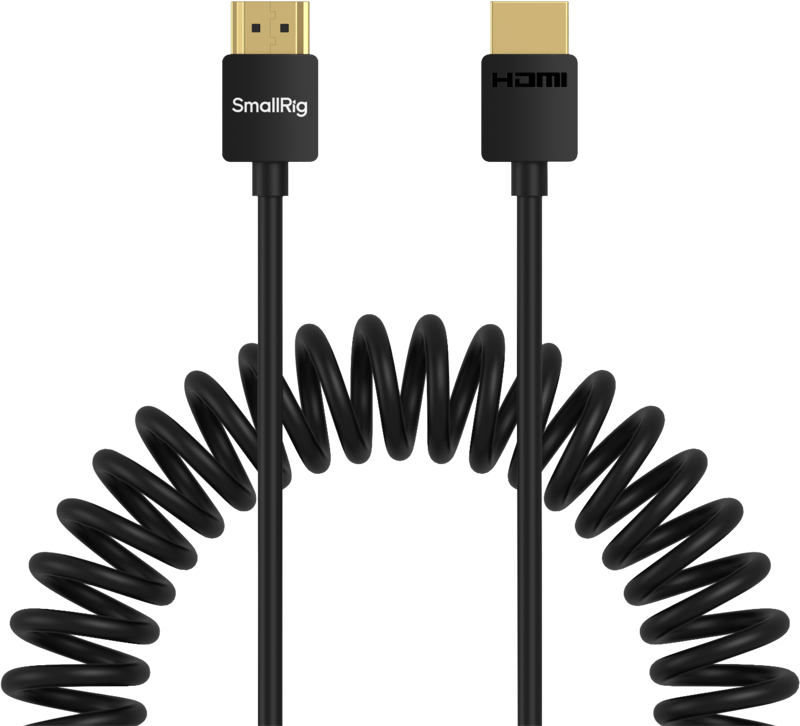
Coiled TPU cables offer another great option for compact rigs. They stretch when you reposition a top handle or monitor, then snap back cleanly out of the way. This dynamic tension prevents loose loops from catching on door frames, branches, or gear bags.
Long Signal Runs: Passive, Active, and Fiber
Distance changes cable physics. Standard passive copper HDMI cables suffer high-frequency signal loss over distances longer than five meters.
When routing video from a camera to a client monitor, video switcher, or director’s village, choosing the correct transmission medium is essential:
- Passive Copper (Up to 5m): Best for short camera-to-monitor mounts where power requirements are zero and latency is non-existent.
- Active Copper (5m to 15m): Uses built-in equalizer chips inside the connector to boost the signal across medium distances. Active cables are directional, meaning one end must plug into the display.
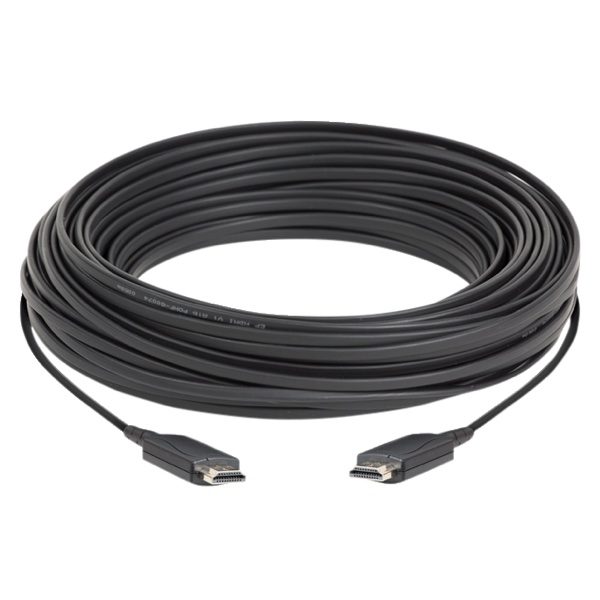
- Active Optical Cable / AOC (15m to 100m): Converts electrical video signals into light pulses via internal optical fiber. AOC cables transmit uncompressed 4K60 over long runs without signal loss or electromagnetic interference.
For productions covering massive distances across studio floors, evaluating HDMI vs SDI workflows helps determine your overall infrastructure. When HDMI remains your main output over long distances, AOC lines deliver the cleanest signal path.
-
 HDMI cables
DATAVIDEO CB-60 HDMI Active Optical Cable 30 meter
€ 390.00€ 483.60 (incl. VAT) -
 HDMI cables
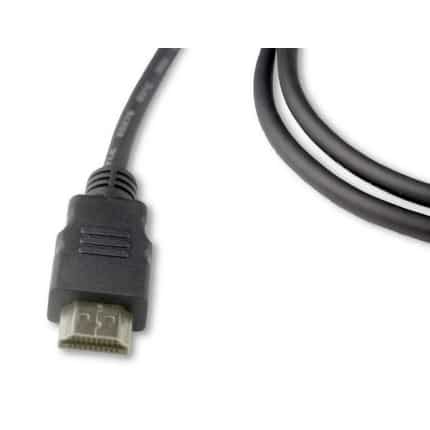
BELDEN HDE005MB high speed HDMI cable with Ethernet channel, UHD/4K ready, 5m
€ 37.43€ 46.41 (incl. VAT) -
HDMI cables
BELDEN HDE010MB high speed active HDMI cable with Ethernet channel, 10m
€ 78.80€ 97.71 (incl. VAT)IN STOCK
Explore our full inventory of professional HDMI cables to find the exact length, connector shape, and speed rating for your production needs.
Key Takeaways
- Protect fragile ports: Use ultra-slim or flexible silicone cables on Micro and Mini HDMI ports to avoid damaging internal camera boards.
- Verify bandwidth speed: Select 18Gbps Premium High Speed cables for 4K60 monitoring, and 48Gbps Ultra High Speed cables for 8K or high-frame-rate RAW formats.
- Secure physical connections: Use locking connectors or coiled TPU cables on active camera rigs to eliminate snag hazards and accidental disconnects.
- Match cable type to distance: Rely on passive copper under 5 meters, active directional copper up to 15 meters, and Active Optical Cables (AOC) for long runs up to 100 meters.
Need help building a reliable video feed for your camera rig? Contact our technical support team today to choose certified cabling built for demanding sets.