





Condensation on Camera Gear: How to Stop It in 5 Steps
Condensation forms when cold gear meets warm, humid air. The fix is simple: keep the gear sealed and let it warm up slowly before you open anything. Canon, Nikon and Sony all say the same in their manuals.
Here is the routine in short:
- Before you go indoors, turn the camera off and close the lens caps.
- Put the camera and lenses in a sealed bag, or close your camera bag or case. Squeeze out as much air as you can.
- Go inside, but leave everything closed.
- Wait about an hour, or longer for big rigs, until the bag feels the same temperature as the room.
- Open the bag, and only then take the gear out.
This guide explains why it works, which bags and cases help, what silica gel can and cannot do, and what to do if the damage is already done. It covers the move between cold and warm places. For rain, see our guide to camera rain covers for outdoor filming. For battery rules on flights, see flying with V-mount batteries.
Why cold gear fogs up the moment you go inside
Air holds water vapour. Warm air holds more than cold air. The dew point is the temperature at which air is saturated and water starts to turn into drops. Any surface colder than the dew point collects condensation.
Here is a worked example. Indoor air at 20 °C and 50% relative humidity has a dew point of 9.3 °C, according to Episensor’s dew point reference. Say your camera has spent an hour outside at 0 °C. Its metal and glass sit about 9 °C below that dew point. The moment it meets the room air, water forms on every cold surface. The same happens inside the body and the lens, where you cannot wipe it off.
This is not a cosmetic problem. Nikon warns that moisture inside the camera can rust the internal mechanism, and that the damage can be irreparable and expensive (Nikon manual). Sony says moisture can cause a malfunction (Sony Help Guide).
The reverse can happen too. Sony notes that lenses can also fog when you go from a warm place to a very cold one, though cold-to-warm is the common case (Sony UK support).
What the manufacturers tell you to do
The advice is very consistent:
- Canon: put the camera in a sealed plastic bag and let it adjust to the warmer temperature before you take it out (Canon handling precautions).
- Nikon: place the camera in a sealed bag or plastic case before crossing a temperature boundary, and remove it once it has adjusted (Nikon manual).
- Sony: seal the product in a plastic bag so no air gets in, then wait about an hour until it reaches ambient temperature (Sony Help Guide).
Think about why the bag works. The cold camera stays surrounded by the dry air that was in the bag. The warm room air cannot touch it. The camera warms up slowly, and by the time you open the bag, its surface is above the dew point.
Sony’s “about an hour” is a guideline for cameras. A cinema body with a heavy lens or a monitor has more mass, so it warms more slowly. We suggest you do not watch the clock. Wait until the outside of the bag and the gear feel the same temperature as the room.
Which bag or case helps most
No bag stops condensation by itself. What helps is a closed space that keeps room air away from cold gear until it warms. Here is how the common options compare.
| Option | Good for | Limits |
|---|---|---|
| Resealable plastic bag (per body or lens) | Cheapest and the one the manuals name | Bulky for big rigs; tears easily |
| Soft camera bag or backpack, zipped | Daily shooting, short moves between indoors and outdoors | Zips are not airtight; room air leaks in slowly |
| Hard case with foam | Travel, vehicles, rigs with many parts | Not airtight by design, see below |
| Plastic bag inside a bag or case | Long cold shoots, then a warm hotel room | One more step to remember |
Hard cases
Hard cases give you one closed space for the whole kit, which is handy for a multi-camera shoot. But be careful with one claim. Peli states that its cases are not airtight. They have a pressure valve that equalises air pressure and keeps water out (Peli). Peli does not say the valve prevents condensation. So treat a hard case like a bag: do not open it until the gear has warmed up.
If you want a case that suits cameras, look at the hard cases range. The Panaro MAX cases below are IP67 waterproof, with a pressure release valve and foam or padded dividers.


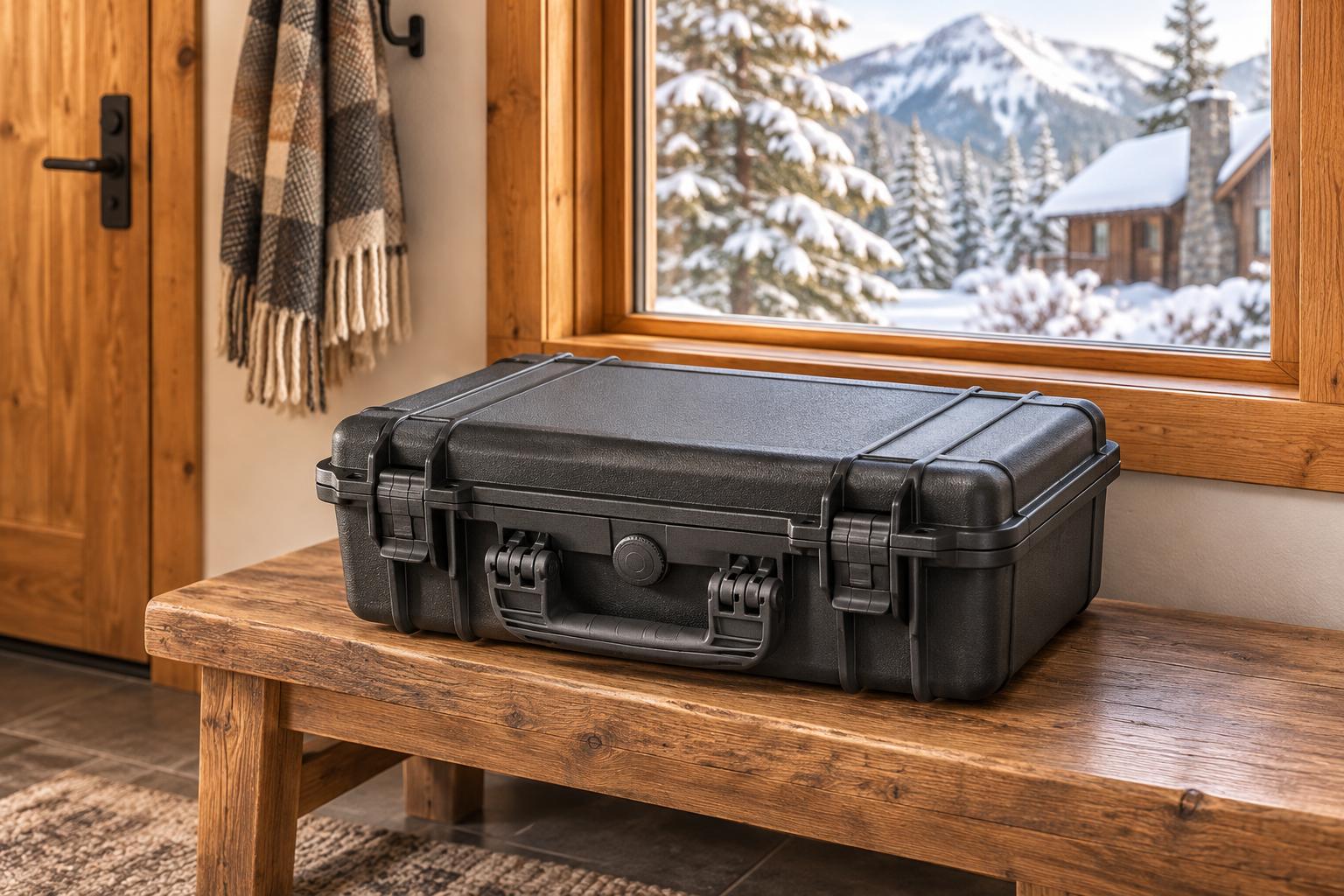
For a deeper comparison, read our guide on hard case vs soft case for camera gear.
Soft bags and backpacks
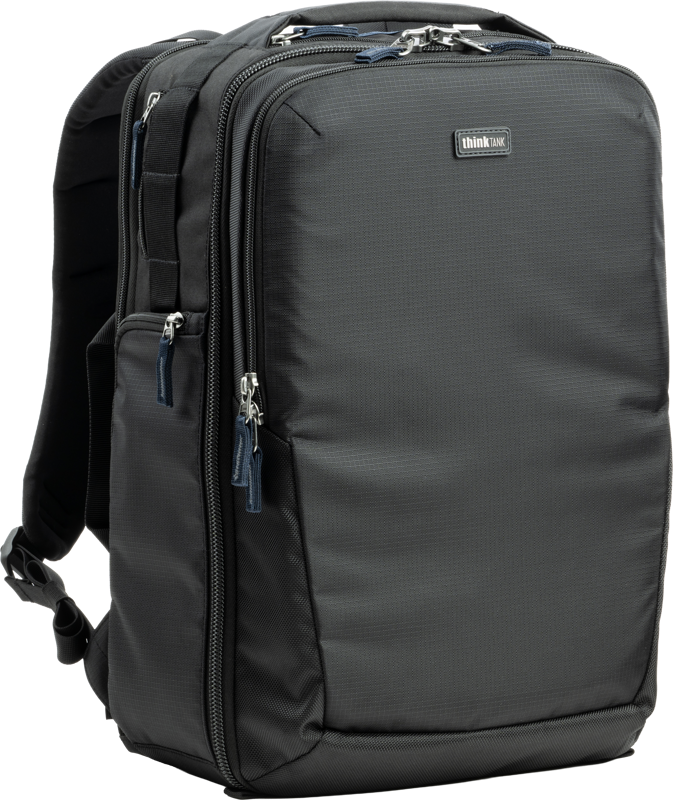
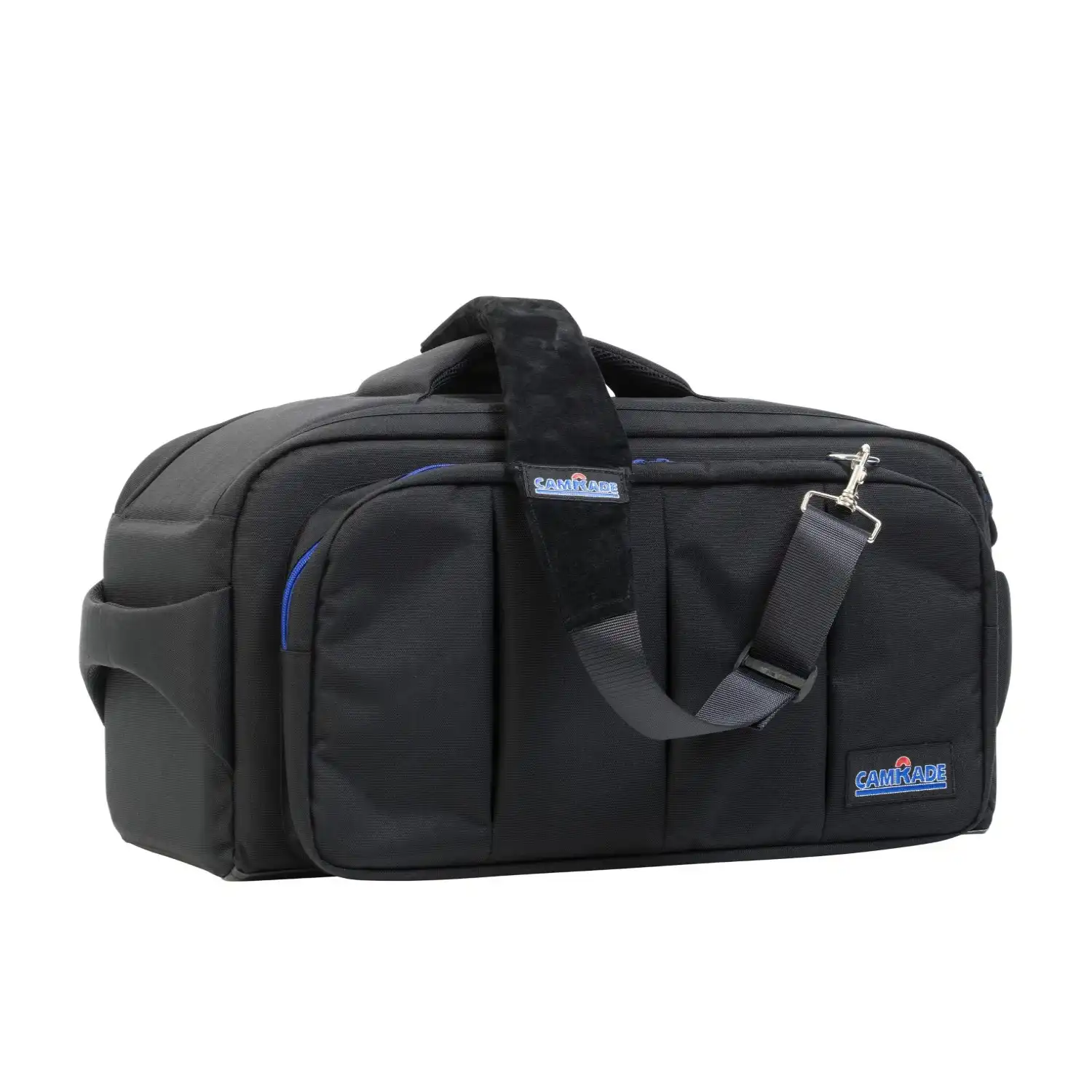
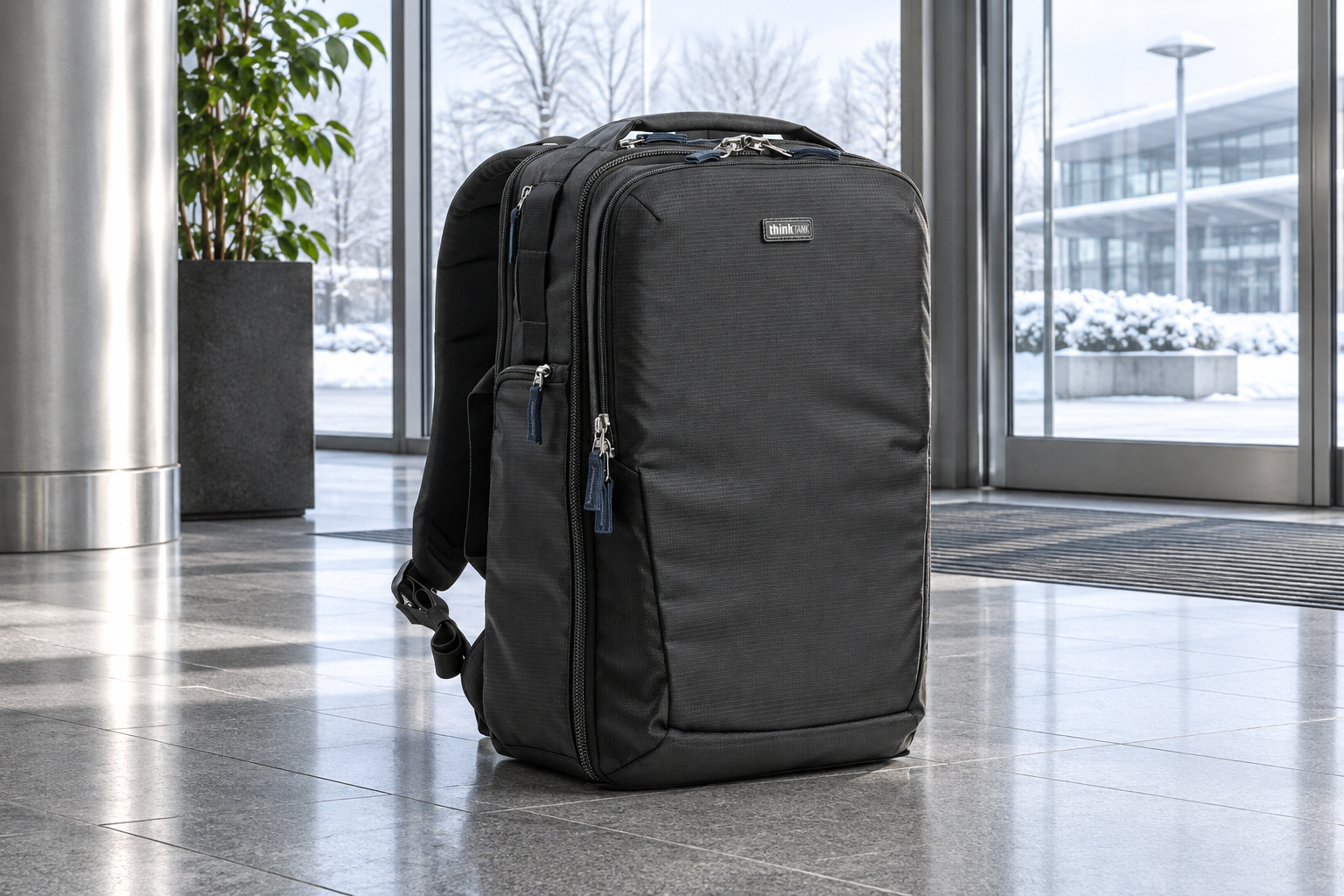
A zipped soft bag is a good “one temperature zone” tool. Canon’s photographer advice is to keep the camera in one temperature zone. If you stop for lunch, either you or the backpack stays outside (Canon Europe). The idea is easy to copy. If you are only going into a warm shop for a few minutes, leave the zipped bag somewhere cold and safe, rather than carrying it in and opening it.
For a bag that carries a full kit on the way to the airport or hotel, see our soft bags range and the guide to video equipment bags.
What silica gel does, and what it does not
Silica gel is a desiccant. It pulls water vapour out of the air in a closed bag. That is useful for storage. It is not a fix for the cold-to-warm problem.
The reason is simple. Condensation here comes from a cold surface meeting warm air. Silica gel dries the air inside the bag, but it does not warm the camera. What protects the camera is the sealed wait. Dry air inside the bag helps a bit, since drier air has a lower dew point, but it is a bonus and not a replacement for the wait.
Where silica gel does earn its place:
- Storage. A cheap hygrometer in the bag tells you the real humidity. Drygel World suggests holding a band of 35% to 50% relative humidity (Drygel World).
- Mould prevention. The Canadian Conservation Institute says mould can grow at relative humidity as low as 65% (CCI).
- Reusable packs. The CCI gives 60 °C for 6 to 7 hours, or 120 °C for 1 to 2 hours, to dry silica gel. Polyethylene non-woven packets should stay below 90 °C (CCI). Check the packaging of your own packs first, because limits vary.
A camera bag is not a sealed box. Expect to refresh the gel often, and use indicating gel that changes colour when it is full.
Going the other way: warm to cold
When you take gear from a warm room into the cold, the risk is different but real.
Canon recommends letting gear adjust slowly to the cold. If possible, leave it in a cold place for a few hours before you use it. Keep it in a sealed, airtight bag while you are still inside (Canon support).
Also remember the limits in the spec sheet. The Sony FX3 is rated for 0 °C to 40 °C operation (Sony FX3 help guide). Blackmagic’s Studio Camera lists 0 °C to 40 °C and 0% to 90% relative humidity, non-condensing (Blackmagic). “Non-condensing” is the key word: the specs assume no water forms on the gear. If you shoot well below 0 °C, check your camera’s manual first.
If condensation has already formed
Stop shooting and stay calm. Canon and Sony give clear steps:
- Canon: do not use the camera, and do not remove the lens, card or battery. Turn it off and wait until the moisture has fully evaporated (Canon).
- Sony: turn the camera off and wait about an hour. If you shoot while moisture remains inside the lens, you will not get clear images (Sony).
Do not use a hairdryer or put the gear on a radiator. None of these manuals suggests it, and fast heat adds a new temperature shock. If the lens still looks hazy after several hours in a dry room, or the camera behaves oddly, contact the manufacturer’s service centre. We cannot judge internal damage for you.
Common mistakes
- Opening the bag “just to check the shots.” A photographer quoted by Canon Europe says that checking images when you go from cold to warm is “game over”: the camera and lens fog up.
- Using a bag that has damp air inside. If you zip a bag in a humid room, you trap that humid air with the camera.
- Trusting silica gel alone. It dries air. It does not warm a camera.
- Forgetting the small parts. Batteries, cards and monitors cool down too. Keep them in the same sealed space.
Key Takeaways
- Condensation happens when gear is colder than the dew point of the room air. At 20 °C and 50% humidity, that is 9.3 °C.
- Canon, Nikon and Sony all say to seal gear in a bag or case and let it warm up before opening it. Sony’s guide is about one hour.
- A hard case or zipped bag helps only if you keep it closed until the gear warms. Peli says its cases are not airtight and does not claim its valve stops condensation.
- Silica gel is for storage. It does not replace the sealed wait.
- If fog or moisture forms, switch the camera off, stop using it and wait until it is dry. Call service if problems remain.
Travelling with gear between cold and warm places? Browse our hard cases and soft bags, or contact the MediaGear team and we will help you match a bag or case to your rig.


