Full-Frame vs Super 35: Choosing the Right Video Sensor
Choosing the right sensor format shapes your entire video production workflow. It affects how your lenses behave, how much light you need on set, and how heavy your camera rig feels. For decades, Super 35 was the universal standard in feature films and television. Today, full-frame cameras dominate many commercial, corporate, and narrative productions.
We often see filmmakers struggle to decide between full-frame and Super 35 sensors. Neither format is inherently superior. Your choice depends on your shoot environment, budget, and optics. Let us break down the technical and practical differences so you can select the right camera system for your needs.
Sensor Dimensions and Crop Factor Explained
A full-frame sensor measures roughly 36mm by 24mm. This dimension originates from 35mm still photography film. A Super 35 sensor measures around 24mm by 14mm, which mirrors classical 35mm motion picture film running vertically through a cinema camera.
Because a Super 35 sensor is physically smaller, it captures a smaller portion of the image circle projected by a lens. This creates a crop factor of approximately 1.5x relative to full-frame.
A 50mm lens on a full-frame camera provides a standard 50mm field of view. That same 50mm lens on a Super 35 camera yields a tighter field of view, equivalent to roughly 75mm on full-frame.
Crop factor is simply a framing conversion. It does not physically change the focal length of your glass. To achieve wide shots in tight locations on a Super 35 sensor, you need shorter focal lengths from dedicated wide-angle lenses. For a deeper look at camera specifications, read our video camera buying guide.
Field of View and Depth of Field Comparison
Field of view and depth of field strongly define your visual aesthetic. Full-frame sensors make subject isolation effortless. When matching field of view across both formats, full-frame requires you to stand closer or use a longer focal length. Both choices result in a shallower depth of field and smoother background blur.

Super 35 gives you more inherent depth of field at equivalent fields of view. This extra focus margin is a massive advantage in documentary, live event, and broadcast environments where tracking fast movement is difficult.
| Feature | Full-Frame Sensor | Super 35 Sensor |
|---|---|---|
| Physical Dimensions | ~36mm x 24mm | ~24mm x 14mm |
| Crop Factor | 1.0x (Baseline) | ~1.5x |
| Required Image Circle | ~43mm | ~31mm |
| Depth of Field | Shallower at matched framing | Deeper at matched framing |
| Low-Light Potential | Higher overall light gathering | Excellent with modern Dual ISO |
| Lens Rig Size | Generally larger and heavier | Compact and lightweight |
Low-Light Performance and Dynamic Range Reality
In low-light conditions, full-frame sensors generally hold an advantage. Because a full-frame sensor spreads its resolution across a larger physical area, manufacturers can use larger individual pixels. Larger photosites capture more photons, producing a stronger signal and cleaner images at higher ISO levels.
However, sensor size alone does not determine dynamic range. Dynamic range is the ratio between the brightest highlights and darkest shadow details a sensor can capture without excessive noise, as documented in sensor performance studies by ClarkVision.
Modern processing and sensor technology narrow this gap. A modern Super 35 camera featuring dual native ISO can easily outperform an older full-frame camera in low light. To maximize dynamic range on set, many production teams pair their cameras with uncompressed external video recorders.
Lens Selection and Production Costs
Lenses project a circular image onto the sensor. Full-frame sensors require optics that project a wide image circle of at least 43mm. Super 35 sensors only require an image circle of around 31mm.
This difference directly impacts your equipment budget and kit weight:
- Full-frame lenses on Super 35: Full-frame lenses fit Super 35 sensors easily. The smaller sensor uses only the sweet spot in the center of the glass, eliminating edge softness and vignetting.
- Super 35 lenses on full-frame: Lenses designed specifically for Super 35 will cause dark vignetting on full-frame sensors. Many full-frame cinema cameras offer a built-in Super 35 crop mode to solve this, though it lowers your effective image resolution.
Super 35 optics – especially cinema zoom lenses – are typically lighter, more compact, and less expensive. Full-frame cine glass requires larger elements, increasing total rig weight and cost. To evaluate lens choices for your rig, explore our overview of cinema lenses.
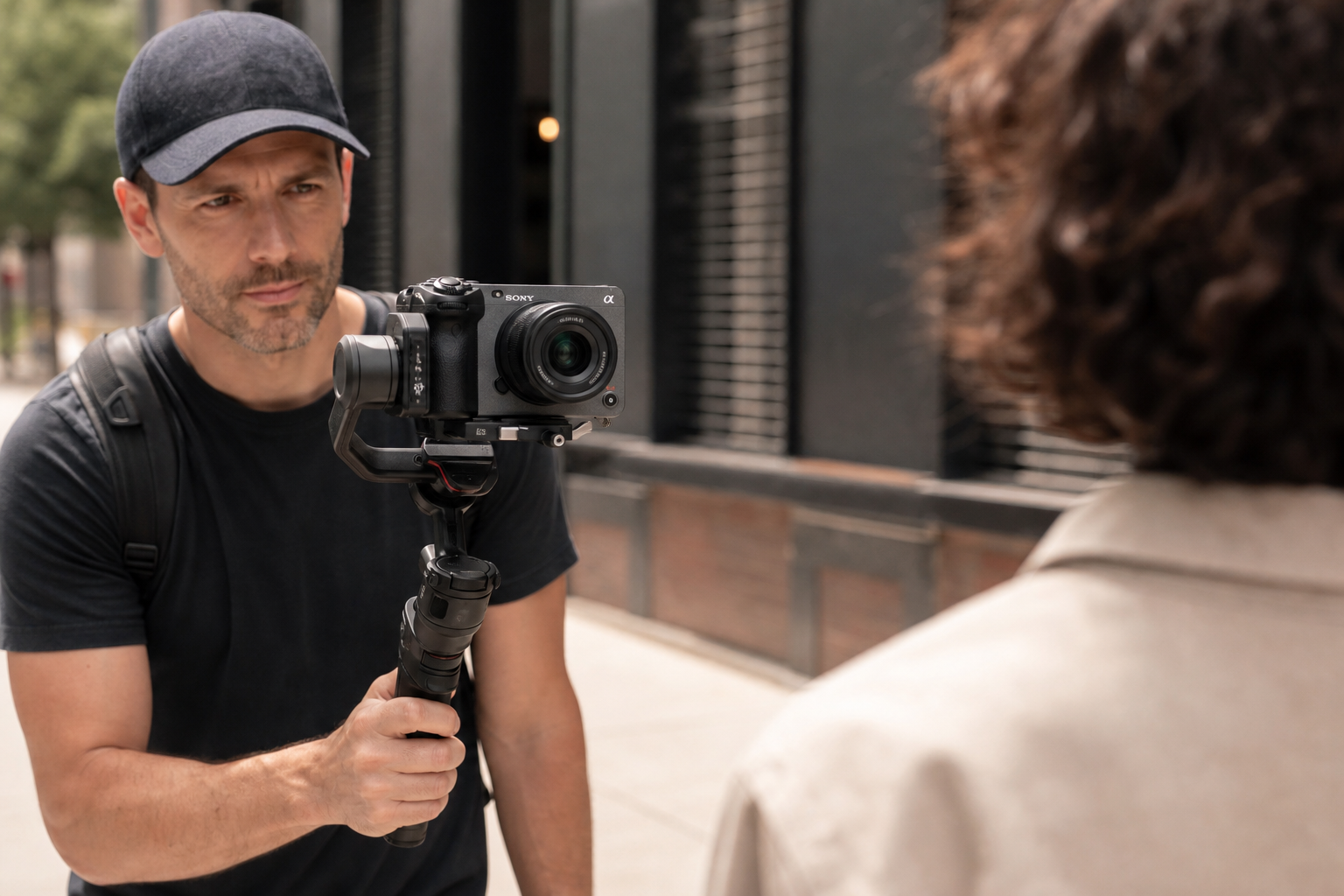
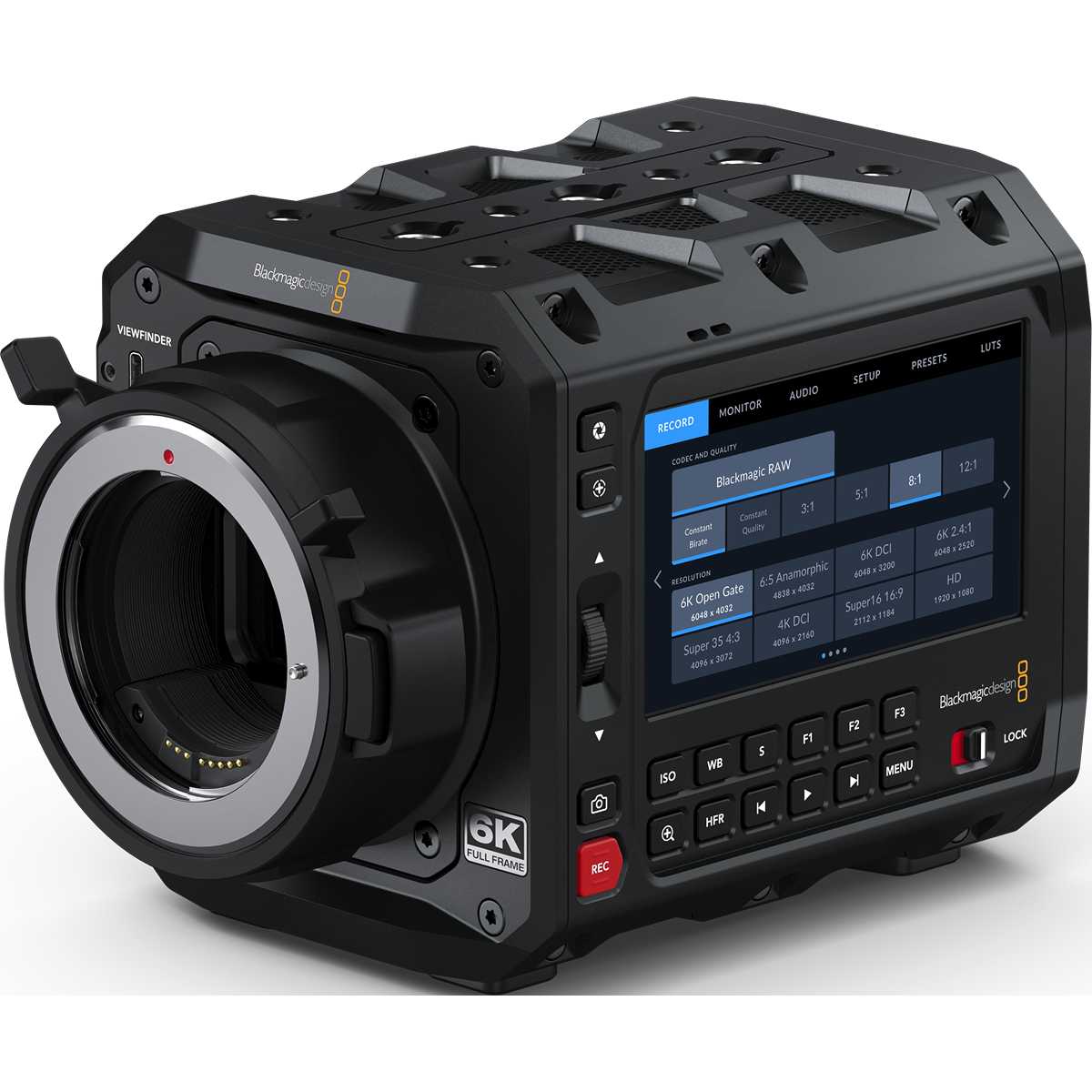
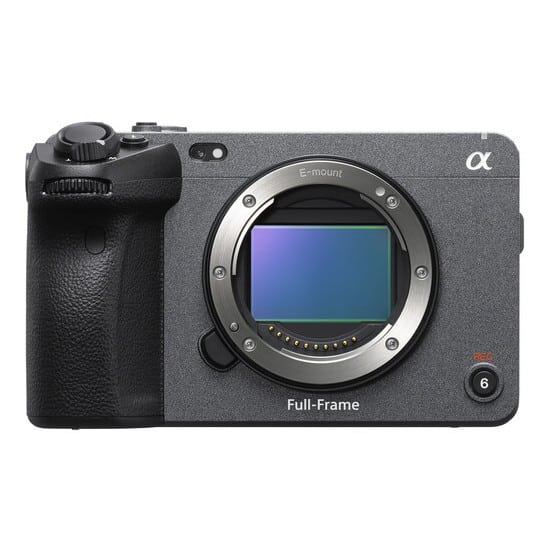
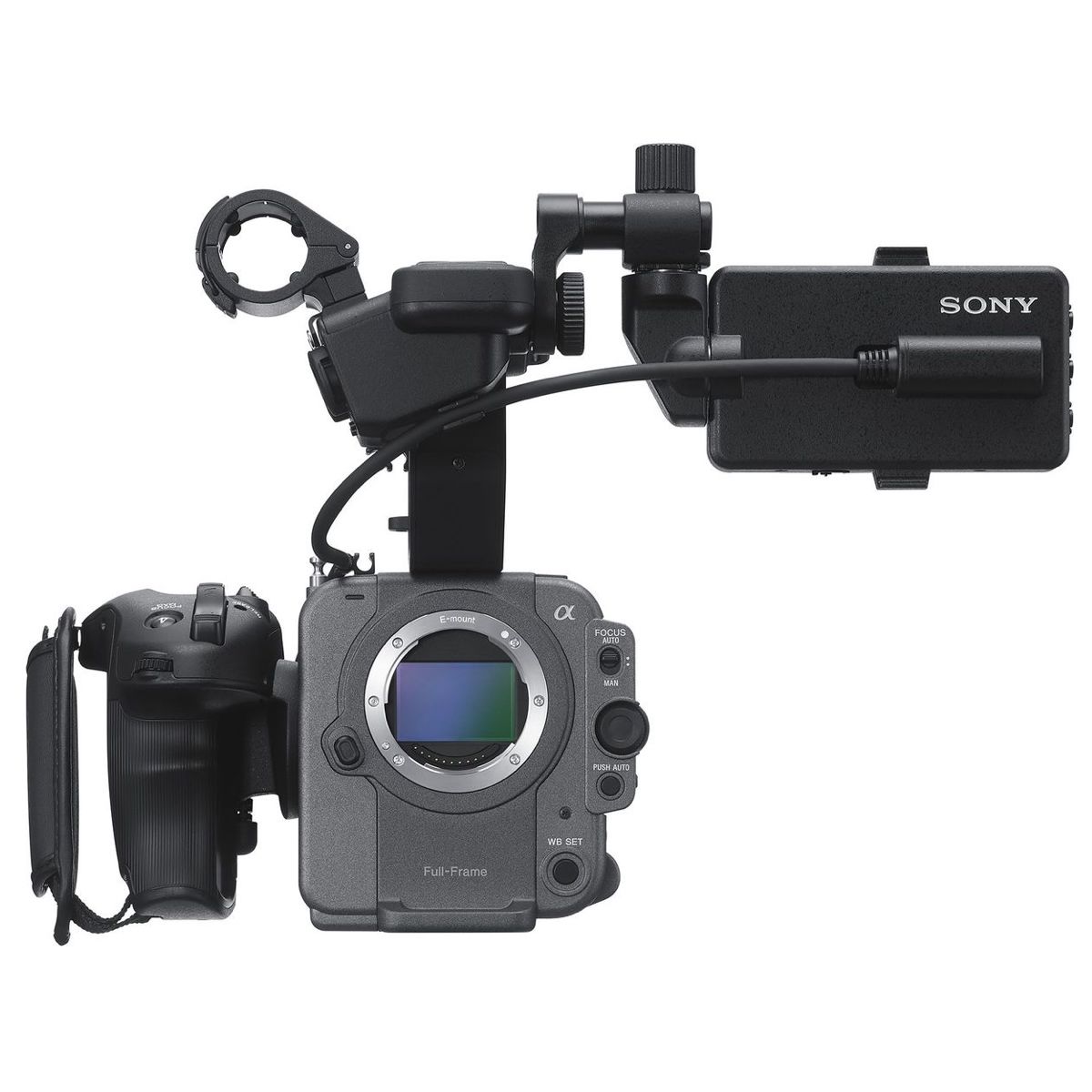
If you need maximum light gathering, wide perspectives, and soft backgrounds, full-frame cinema cameras excel:
-
 -35%Video cameras
BLACKMAGIC DESIGN PYXIS 6K EF
Original price was: € 2 679.00.€ 1 749.00Current price is: € 1 749.00.€ 2 168.76 (incl. VAT) -
 -5%Video cameras
SONY FX3A full-frame Cinema Line camera
Original price was: € 3 950.00.€ 3 752.00Current price is: € 3 752.00.€ 4 652.48 (incl. VAT) -
-5%Video cameras
SONY FX6 full-frame Cinema Line camera
Original price was: € 5 500.00.€ 5 225.00Current price is: € 5 225.00.€ 6 479.00 (incl. VAT)IN STOCK
If you prioritize compact setups, flexible zoom options, and cost-effective lens choices, Super 35 cinema cameras remain outstanding tools:
-
 Video cameras
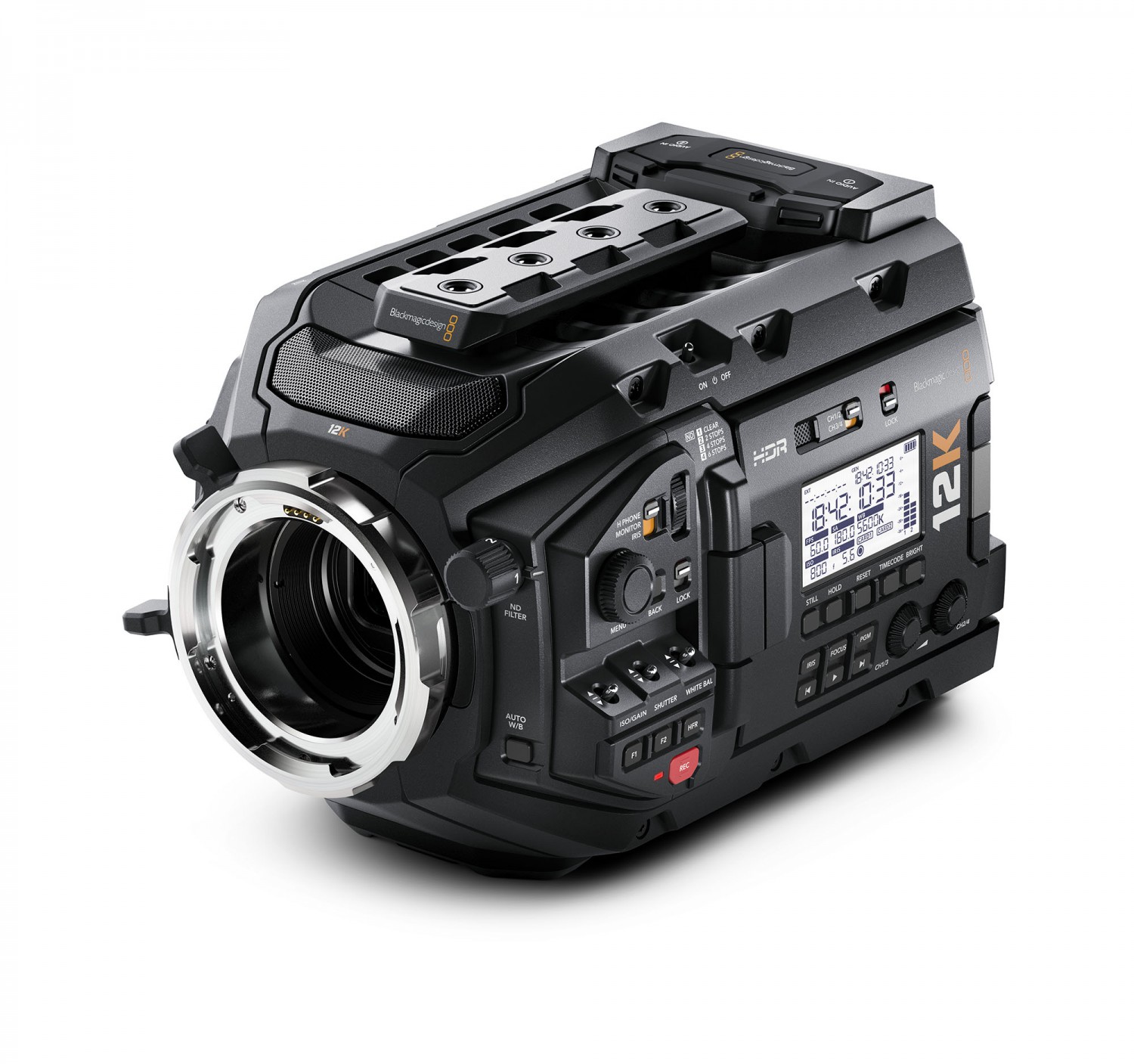
BLACKMAGIC DESIGN URSA Mini Pro 12K
€ 5 749.00€ 7 128.76 (incl. VAT) -
 -5%Video cameras
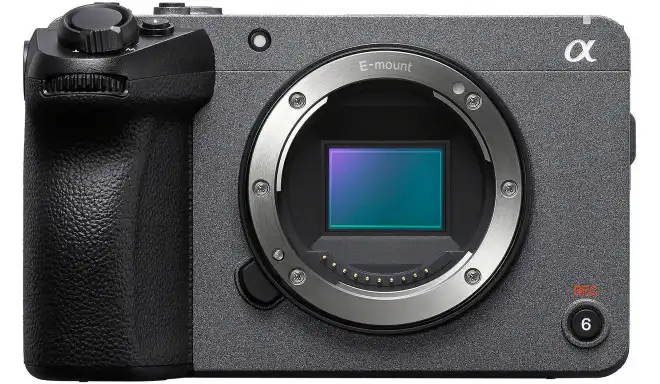
SONY FX30 compact Cinema Line gateway camera (Body only)
Original price was: € 1 935.00.€ 1 838.00Current price is: € 1 838.00.€ 2 279.12 (incl. VAT) -
 Video cameras
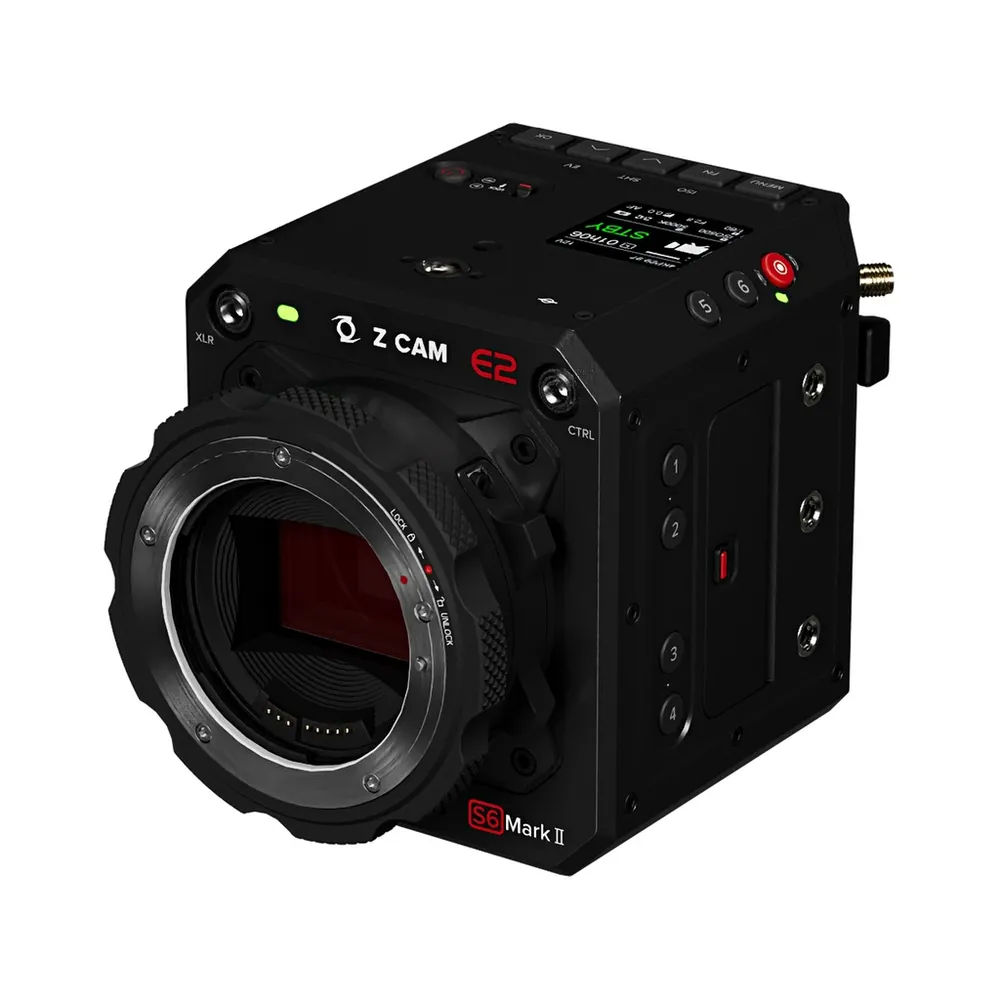
Z CAM E2-S6 Mark II Super 35mm 6K Cinema Camera
€ 2 520.17€ 3 125.01 (incl. VAT)
Production Workflows: Which Format Fits Your Shoot?
In our experience, choosing between these two formats comes down to your physical shooting conditions and crew setup.
Choose Full-Frame If:
- You frequently shoot in dim, uncontrolled indoor locations or at night.
- You need wide perspectives inside tight spaces without lens distortion.
- Your visual style demands strong subject isolation and shallow focus.
- Your production budget accommodates larger fixed lenses and full-frame optics.
Choose Super 35 If:
- You film live events, sports, or fast documentaries where maintaining sharp focus is critical.
- You need lightweight handheld or gimbal setups for long shooting days.
- You want to access a vast library of classic, affordable cine lenses.
- You want to allocate more of your total budget toward lighting and audio gear.
You can browse our full lineup of dedicated video cameras to compare specs across formats.
Key Takeaways
- Framing Differences: Super 35 introduces a ~1.5x crop factor compared to full-frame, requiring wider focal lengths to match the same field of view.
- Focus Control: Full-frame makes shallow depth of field easy, while Super 35 gives you more focus leeway for moving subjects.
- Low-Light Factors: Full-frame sensors naturally gather more light, but Super 35 cameras with dual native ISO still offer exceptional low-light capabilities.
- Budget and Weight: Super 35 cinema lenses are generally smaller, lighter, and more economical than full-frame glass.
- Versatility: Many modern full-frame cinema bodies include Super 35 crop modes, offering compatibility with both lens formats.
Ready to build the ideal camera package for your upcoming production? Contact our technical team for personalized advice, or browse our complete range of professional cameras to find your next rig.