Wide-Angle vs. Telephoto Lenses for Video Production
Choosing between a wide-angle and a telephoto lens changes much more than how much of a room fits into your frame. Lens focal length dictates spatial perspective, depth of field, subject isolation, and how movement translates on screen.
In video production, picking the wrong focal length can disrupt the visual narrative or create unnecessary rigging challenges on set. We have seen productions waste hours trying to light an expansive room simply because the camera operator chose a wide optic when a tighter shot would have served the script better.
Understanding how wide-angle and telephoto glass compare allows you to select optics deliberately based on camera movement, location constraints, and visual tone.
Field of View and Sensor Crop Factor
Focal length determines how wide or narrow your field of view will be. A wide-angle lens typically has a focal length under 35mm on a full-frame sensor, providing an expansive angle of view. A telephoto lens usually starts around 70mm and extends past 200mm, narrowing the view and magnifying distant subjects.
However, focal length numbers alone do not tell the full story. Your camera sensor size dictates the actual angle of view you capture. When mounting a lens onto an APS-C or Super35 sensor, you must multiply the optical focal length by the sensor crop factor according to Canon’s sensor specifications.
For example, a 50mm lens on an APS-C camera with a 1.5x crop factor yields the field of view of a 75mm telephoto shot on full frame. Keep this calculation in mind when evaluating sensor choices in our video camera buying guide.
Perspective Compression vs. Spatial Expansion
Perspective is governed strictly by the distance between your camera and the subject. Changing your focal length while staying in the same physical spot only magnifies or reduces the scene. But when you move the camera to match your subject framing across different lenses, the visible spatial relationships shift dramatically.
Wide-angle lenses require you to position the camera close to the subject. This exaggerates foreground elements and stretches the sense of distance between objects, creating environmental depth. Research published by the National Institutes of Health shows that viewers perceive increased spatial scale when wide focal lengths alter foreground perspective.
Telephoto lenses force you to stand farther back. This pulls distant backgrounds closer to the subject, creating visual compression. This effect isolates subjects from busy backgrounds and delivers a clean visual style for narrative projects.
Optical Distortion and Depth of Field
Every focal length range exhibits specific optical characteristics that impact picture quality and depth of field:
- Barrel Distortion: Common in wide optics, where straight lines bow outward toward frame edges. Professional cinema wide lenses use specialized optical elements to correct this.
- Pincushion Distortion: Occurs in telephoto glass, squeezing straight lines slightly inward toward the center.
- Depth of Field: Wide-angle lenses provide deep inherent depth of field, keeping backgrounds in focus. Telephoto lenses create a tight depth of field at matching apertures, producing creamy bokeh.
- Handheld Stability: Handheld camera shake is far more noticeable on long focal lengths. Standard operating guidelines outlined by Canon InfoBank advise using optical stabilization or sturdy support when shooting telephoto video handheld.
Using Wide-Angle Lenses in Video Production
Wide-angle lenses excel when your frame needs to convey location, scale, and environment. They are essential for architectural shoots, real estate video, establishing shots, and filming inside tight physical locations like vehicle interiors.
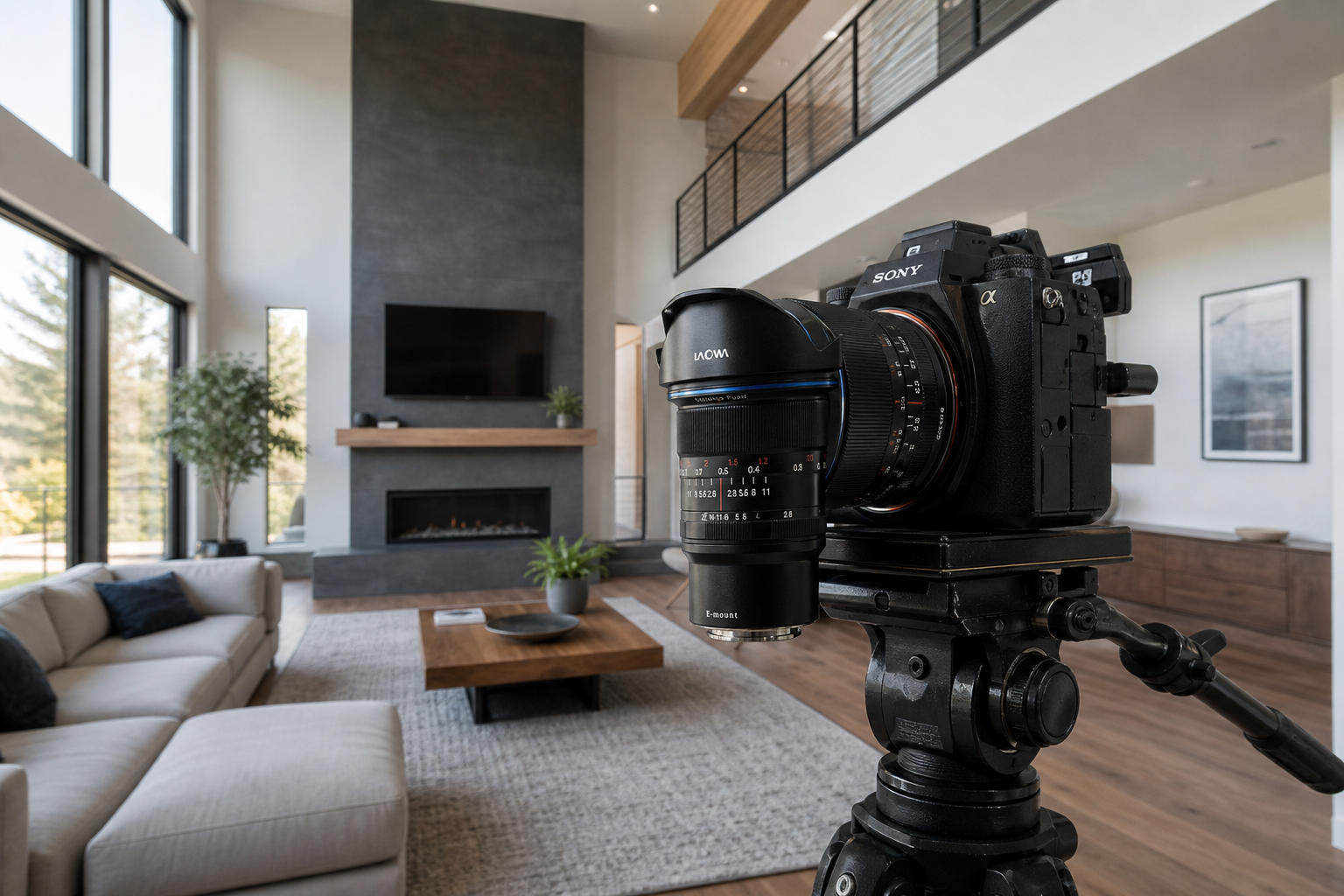
In camera movement, wide optics are highly forgiving. Stabilizer and gimbal rigs benefit from wide focal lengths because minor balance shifts or walking vibrations are less noticeable in the footage.
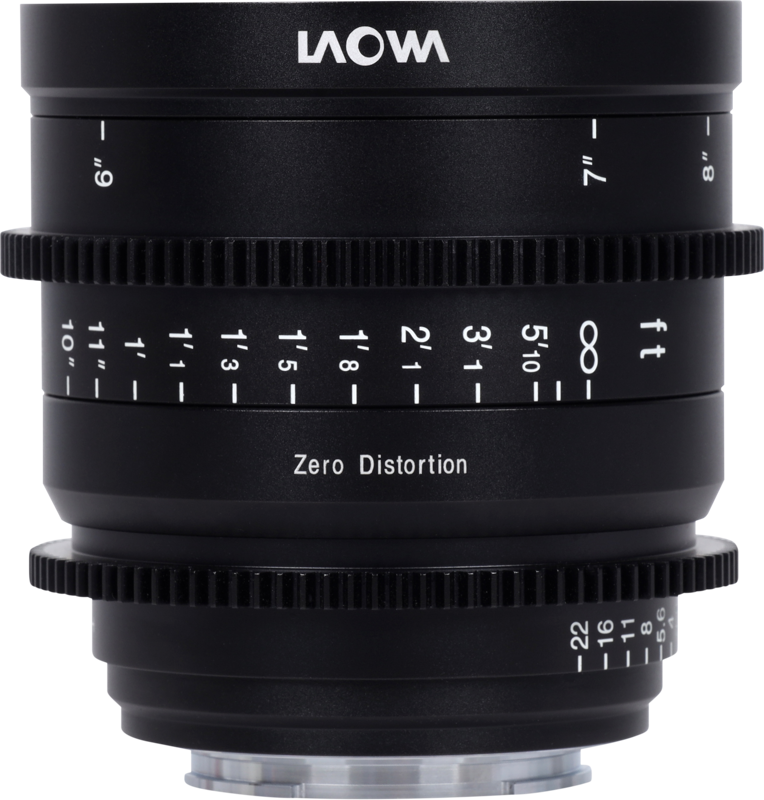
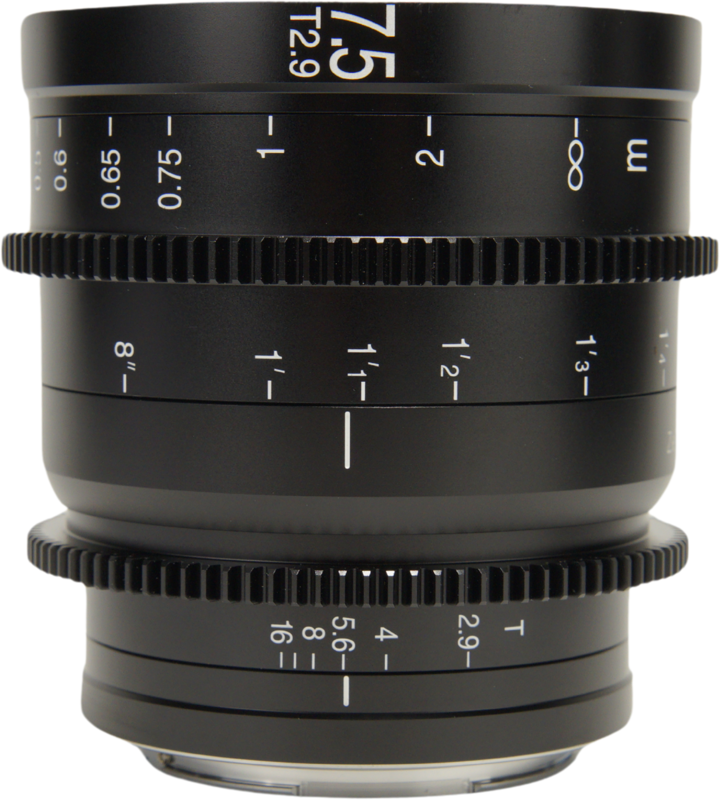
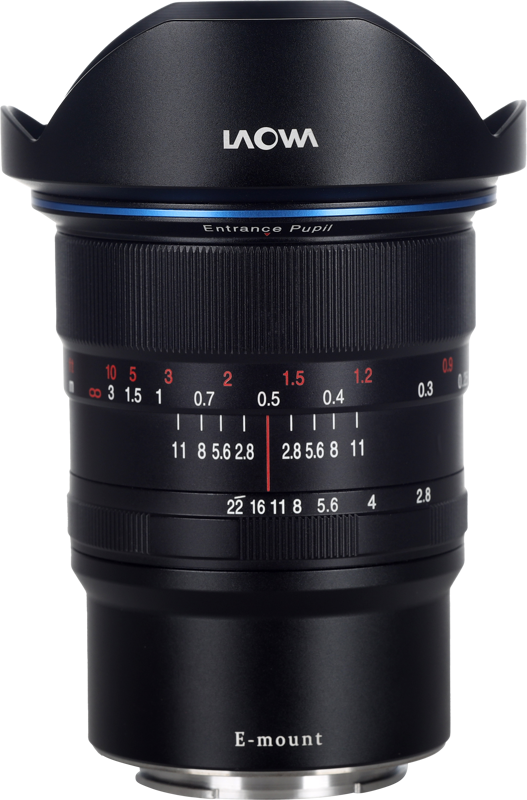
When choosing wide glass, pay close attention to optical distortion. Standard wide lenses can distort facial features if placed too close to actors. To avoid edge distortion, select architectural-grade optics with specialized correction elements.
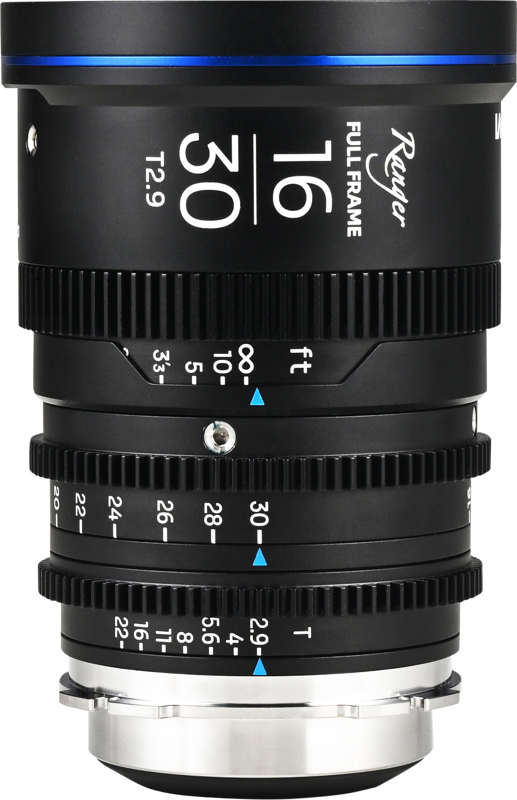
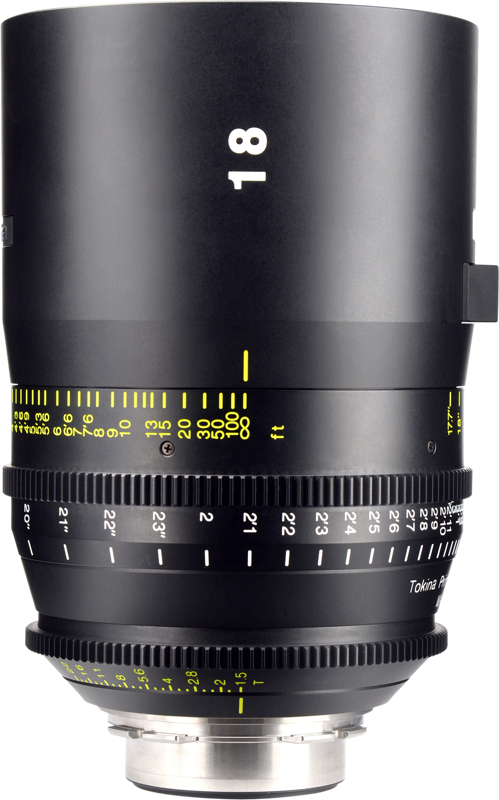
If you shoot dynamic content or unscripted events, pairing a wide prime with flexible zoom lenses allows you to pivot instantly between establishing shots and medium close-ups.
Using Telephoto Lenses in Video Production
Telephoto lenses excel when you need to capture emotion, isolate subjects, or film action from a safe distance. They are the standard choice for sit-down interviews, sports coverage, wildlife documentary work, and live event broadcasts.
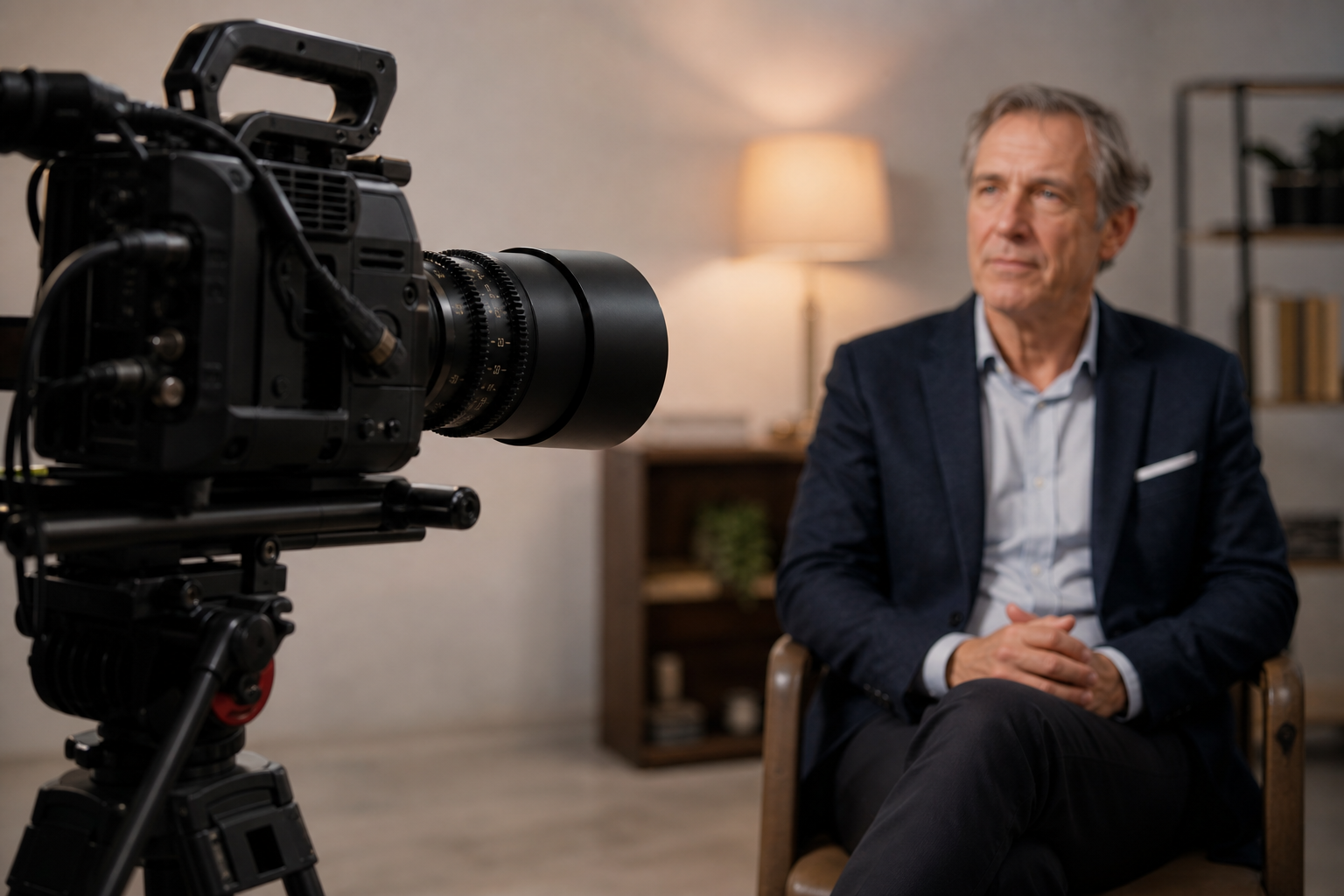
By flattening features slightly, longer focal lengths (typically 85mm to 135mm) produce flattering facial proportions for talent. The narrower field of view also simplifies background control, letting you eliminate clutter by framing tightly.
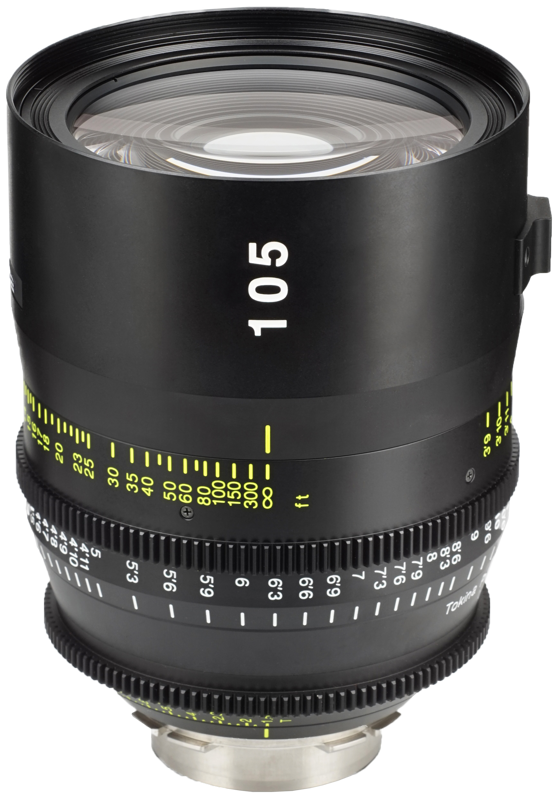
Telephoto optics require careful focus management. Because the depth of field is razor-thin, a wireless follow focus system or dedicated focus puller becomes essential when filming moving subjects.
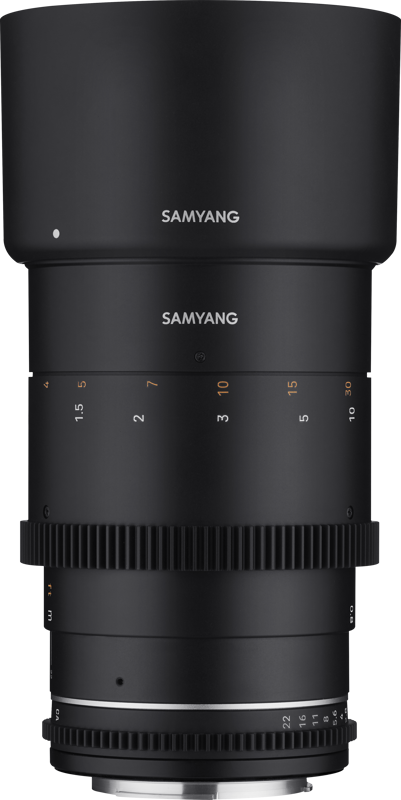
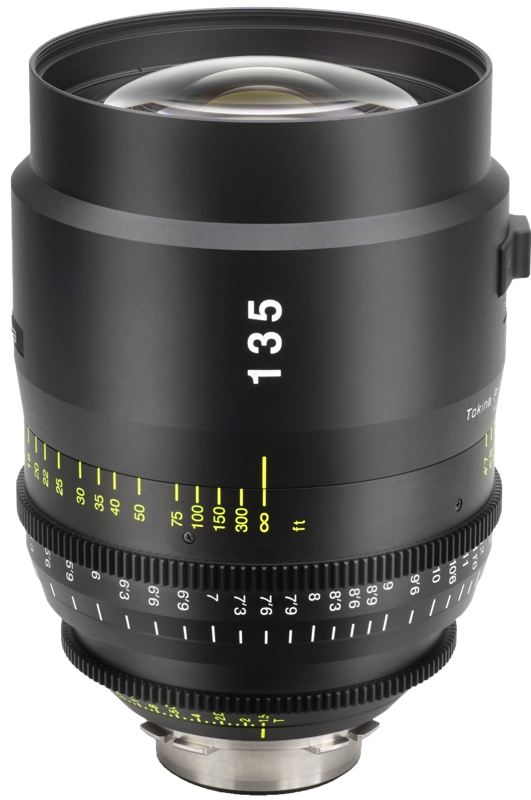
For live production, sports, or fast-paced documentaries where moving the camera position is impossible, heavy-duty telephoto zoom optics deliver reach and framing speed.
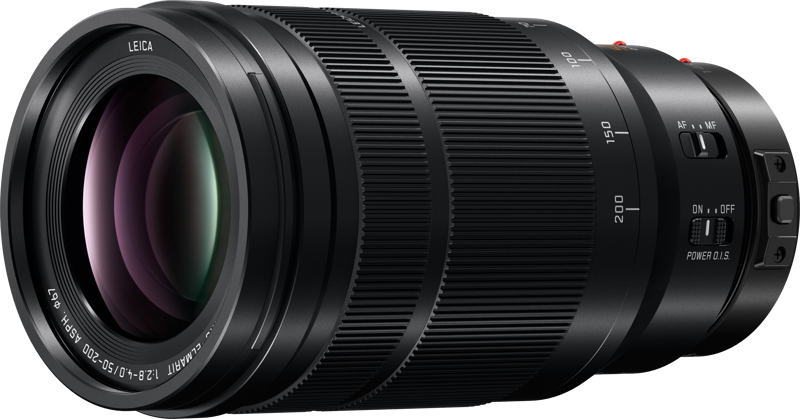
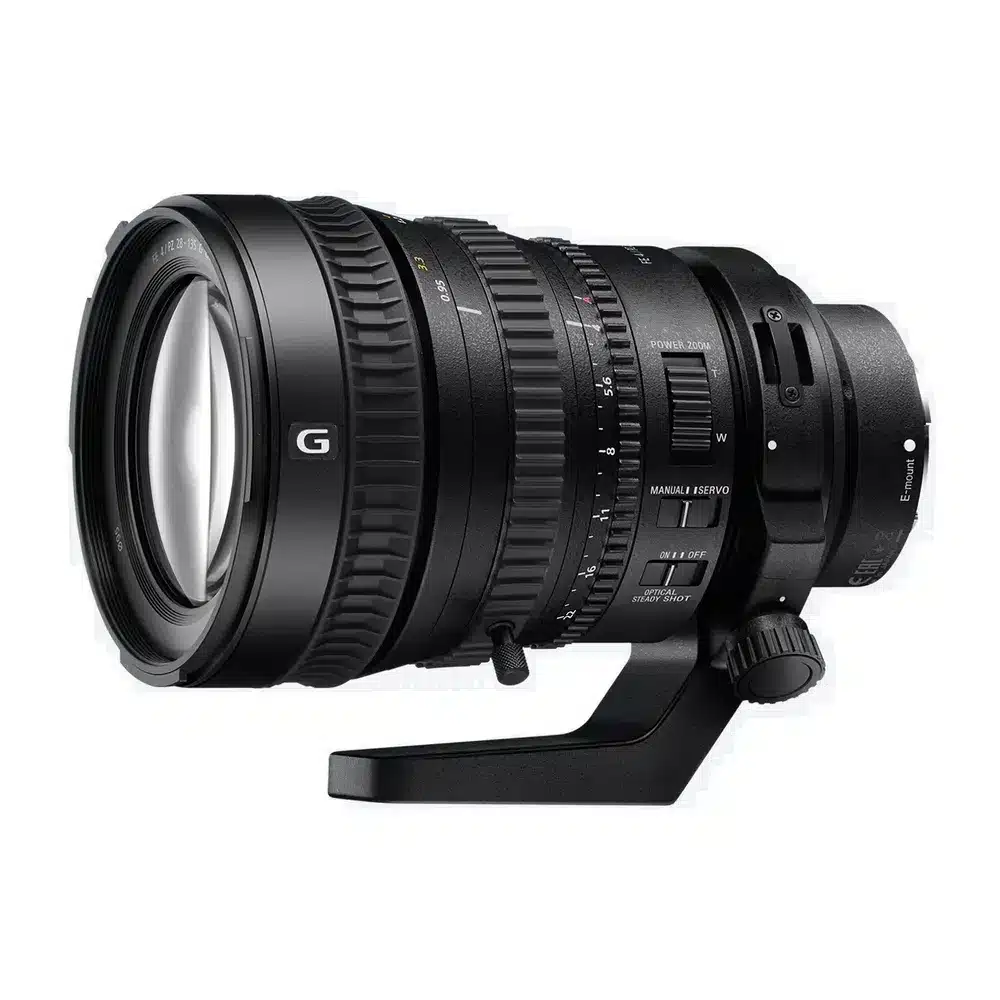
Explore complete telephoto options across our catalog of fixed lenses to suit your camera mount.
Comparison: Wide-Angle vs. Telephoto Lenses
| Feature / Trait | Wide-Angle Lenses | Telephoto Lenses |
|---|---|---|
| Typical Focal Length (FF) | 12mm – 35mm | 70mm – 200mm+ |
| Field of View | Broad / Expansive | Narrow / Magnified |
| Perspective Effect | Expands spatial distance | Compresses foreground/background |
| Depth of Field | Deep background retention | Shallow background blur (Bokeh) |
| Camera-to-Subject Distance | Close positioning | Far positioning |
| Sensitivity to Motion Shake | Low (forgiving on gimbals) | High (requires support/stabilization) |
| Primary Use Cases | Interiors, landscapes, action shots | Interviews, sports, subject isolation |
Choosing Lenses for Specific Filming Scenarios
When planning your lens package, match your focal length choices directly to your production workflow:
Narrative Feature Films & Commercials
Maintain optical visual style by utilizing complete sets of cinema primes. Use wide glass for immersive establishing shots and 85mm+ focal lengths for intimate close-ups. Read our detailed guide on cinema lenses for video production to balance focus control and optical character.
Corporate Video & Sit-Down Interviews
An 85mm or 105mm cinema lens provides beautiful subject separation and pleasing facial geometry. If operating in tight office spaces, a 35mm or 50mm lens provides clean framing without forcing your camera against a wall.
Live Events, Sports & Documentaries
Continuous coverage requires speed. Servo zoom telephoto lenses let camera operators adjust framing instantly during unpredictable action without swapping glass mid-take.
Explore our primary range of professional lenses to select optics built for your specific camera system.
Key Takeaways
- Perspective depends on distance: Wide lenses expand perceived distance between subjects and backgrounds, while telephoto lenses compress spatial depth.
- Match focal length to space: Wide optics work best for tight rooms, expansive landscapes, and stabilized movement. Telephoto optics work best for interviews, subject isolation, and long-range action.
- Account for crop factor: Always factor sensor size into your focal length decisions to achieve your intended field of view.
- Control camera stability: Telephoto shooting requires robust tripod support or optical stabilization due to magnified motion blur.
Upgrade Your Lens Package
Need guidance selecting the right cinema glass or zoom lenses for your production setup? Contact the technical team at MediaGear today for expert camera advice, gear recommendations, and fast European shipping.