Lavalier vs. Handheld Mics: Preventing Audio Failures
Poor audio ruins high-end visuals faster than a bad lens ever could. Struggling between the discreet profile of a lavalier and the rugged control of a handheld microphone? In our two decades of AV integration, we have seen the wrong choice cause irreversible workflow delays. Let’s fix that.
Acoustic and Technical Tradeoffs
When you evaluate equipment for a production, the fundamental physics of how a microphone captures sound dictates its performance in the field. Understanding these acoustic tradeoffs is the first step in delegating the technical heavy lifting to your gear. Rather than fighting the room, you want your hardware to naturally complement the acoustic environment.
Pickup Patterns and Directivity
Most lavalier microphones utilize an omnidirectional pickup pattern. Mounted five to eight inches below the mouth, they provide a natural-sounding vocal capture and are highly resistant to wind and cable noise. Because they listen in all directions, however, they inevitably pick up more ambient room noise. Think of an omnidirectional lavalier as a wide-angle lens for audio – it captures the subject beautifully but brings the entire background into the frame.
Conversely, handheld microphones typically employ cardioid or supercardioid patterns. This design focuses tightly on the sound source directly in front of the capsule, offering excellent rejection of background noise. If you are operating in a loud live environment, this directional focus delivers significantly higher gain before feedback occurs, keeping your mix clean and professional.
Handling Noise and Proximity Effect
Directional handheld microphones exhibit the proximity effect, where the low-frequency bass response increases as the speaker moves closer to the mic. A skilled presenter can use this to their advantage for a rich, broadcast-style voice, but an untrained speaker might create overwhelming low-end distortion. To combat mechanical interference, professional handheld microphones feature integrated shock mounts that minimize the low rumble of hands shifting on the microphone body.
Lavaliers eliminate handling noise entirely since they remain untouched on the speaker’s chest, but they introduce the risk of clothing rustle. Furthermore, because a lavalier is stationary, turning the head away from the capsule causes noticeable volume and frequency fluctuations. Managing these variables requires careful wardrobe coordination and precise initial placement to guarantee a consistent signal.
Aligning the Microphone to Your Use Case
We have seen beautifully lit corporate interviews rendered unusable by visible, distracting audio gear, and we have watched panel discussions grind to a halt because there were not enough transmitters for every guest. Your specific scenario must dictate your hardware selection, ensuring the technology serves the production rather than hindering it.
Seated Interviews and Discreet On-Camera Audio
For formal interviews, film production, and high-end corporate video, wireless lavaliers are the industry standard. They remain virtually invisible on camera, allowing your subjects to gesture naturally without holding a device. This positions the audio capture consistently close to the mouth for an intimate, professional sound profile that viewers expect from premium content.
If your production involves complex multi-camera setups, syncing audio across multiple discrete recording sources becomes a logistical challenge. Pairing lavaliers with hardware that supports advanced digital signal processing and onboard 32-bit float recording – such as the advanced ecosystems found in Deity Microphones – ensures your audio stays perfectly matched with your visuals while eliminating the risk of clipped peaks.
Live Events, Q&A, and Stage Presentations
Handheld microphones excel during fast-paced live events. If you are managing a panel discussion or an audience Q&A, handing a single microphone between multiple speakers is far more practical and cost-effective than wiring an entire room with individual wireless transmitters. Handhelds empower the moderator to control the flow of conversation effortlessly.

Additionally, these visible microphones serve as excellent branding tools when fitted with custom media flags. For red carpet events or rapid-fire interviews on a busy exhibition floor, a wireless handheld allows your reporting team to move quickly, switch speakers instantly, and maintain strong brand visibility in every frame.
Quick Reference: Use-Case Summary
| Scenario | Optimal Choice | Rationale |
|---|---|---|
| Formal seated interview | Wireless lavalier | Invisible on-camera, hands-free, intimate proximity sound. |
| Live Q&A with audience | Wireless handheld | Easy handoffs, flexible repositioning, lower per-speaker cost. |
| Stage presentation (solo) | Lavalier | Hands-free operation, professional appearance, minimal distraction. |
| Panel discussion | Handheld | Accommodates multiple speakers, quick transitions, excellent feedback rejection. |
| Red carpet event | Wireless handheld | Immediate mobility, fast speaker changes, visible media identification. |
Operational Factors: Wireless Reliability and Setup
Once you decide on a form factor, the decision between wired and wireless operation immediately impacts your setup time and signal reliability. Wired lavaliers and handhelds deliver consistent, interference-free sound without battery anxiety. However, they tether your talent to the recording device, which limits mobility and creates on-set cable clutter.
Wireless systems give your presenters total freedom of movement, which is essential for stage environments and dynamic video shoots. When deploying wireless systems, radio frequency (RF) management is critical. Dense RF environments – like trade shows or large corporate venues – are highly prone to signal dropouts. Professional wireless systems utilize automatic frequency scanning to locate clear channels instantly.
While regulatory bodies heavily restrict specific UHF bands globally, European operators must ensure their gear operates within locally legal and reliable spectrums to avoid broadcast interference. Utilizing dual-channel systems that automatically switch frequencies if interference is detected will save your live broadcast from sudden, embarrassing dropouts. You can explore our complete ecosystem of reliable transmitters and receivers in our microphones and audio accessories categories.
Professional Solutions for Your Next Production
To simplify your deployment, we have curated field-tested equipment configurations based on decades of AV integration experience. Recommending the right combination of transmitters, capsules, and receivers ensures you never have to guess about compatibility on set.
For Discreet Video and Interviews
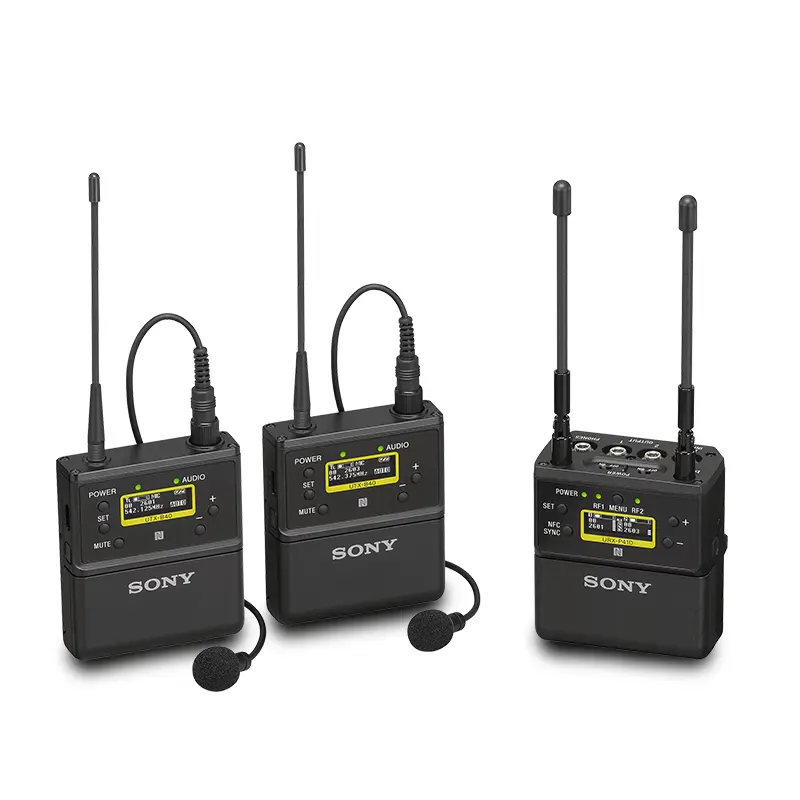
When invisibility and freedom of movement are your primary concerns, compact wireless lavalier systems provide broadcast-quality audio without visual distraction. Modern dual-channel systems featuring 32-bit float recording ensure your audio never clips, even if the talent suddenly shouts. The inclusion of waterproof capsules and ultra-lightweight transmitters makes these kits indispensable for location sound mixers.
-
 Microphones
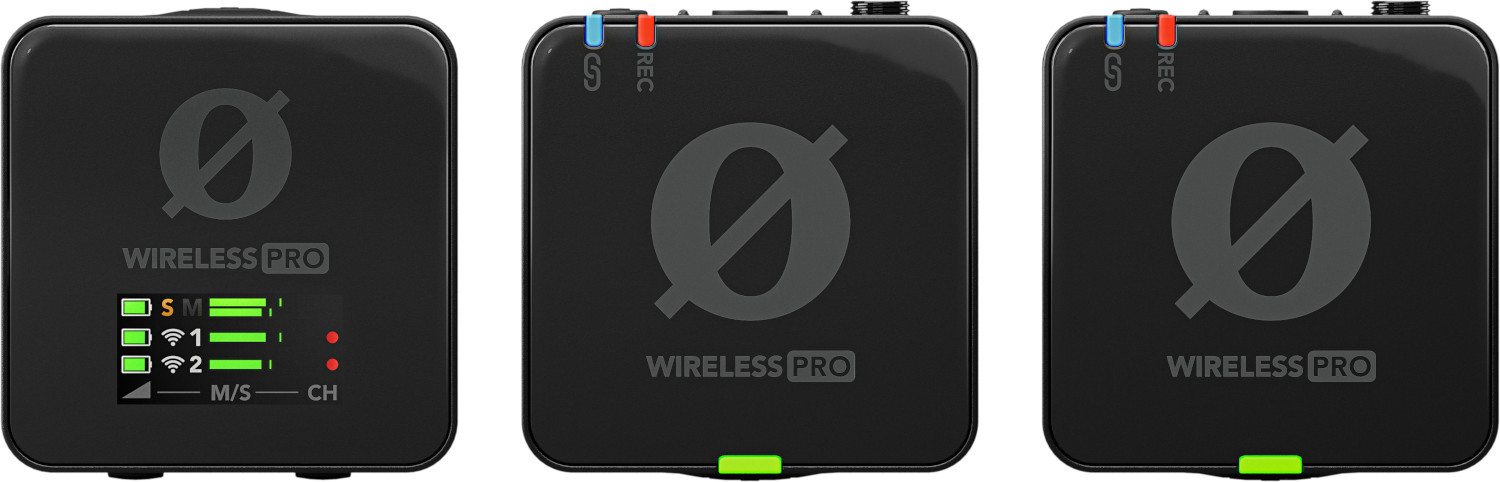
RODE wireless microphone Wireless Pro
€ 295.20€ 366.05 (incl. VAT) -
 Microphones
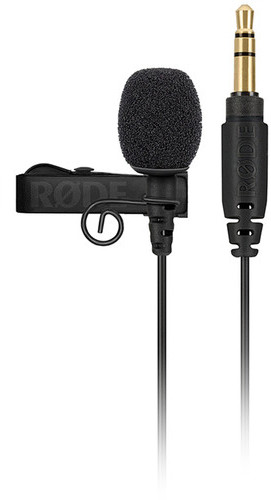
RODE microphone Lavalier GO
€ 59.99€ 74.39 (incl. VAT) -
 Microphones
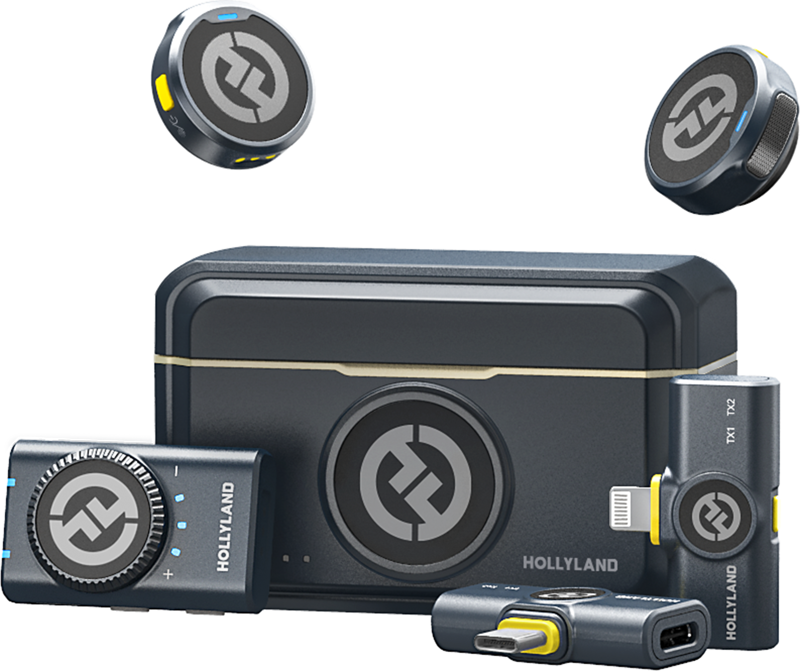
HOLLYLAND Lark M2 Combo – Wireless Lavalier Microphone (Duo, Shine Charcoal)
€ 96.72€ 119.93 (incl. VAT)IN STOCK -
 -10%Microphones
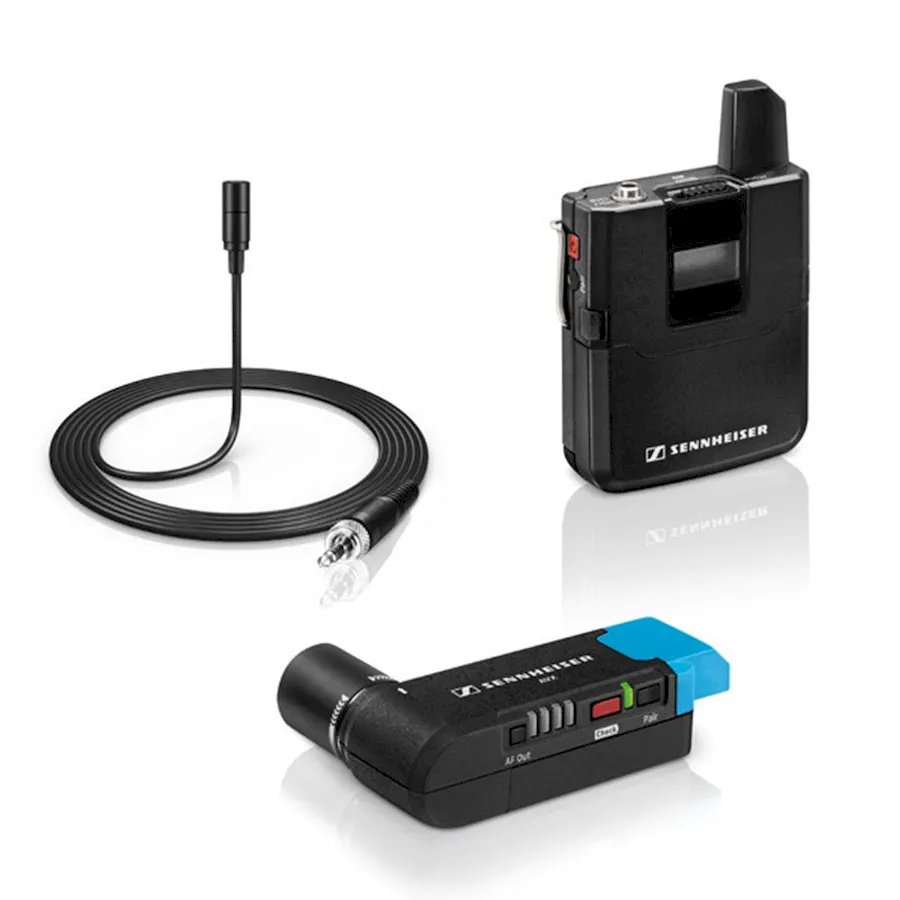
SENNHEISER AVX-ME2 wireless clip-on microphone set
Original price was: € 699.00.€ 629.10Current price is: € 629.10.€ 780.08 (incl. VAT)IN STOCK -
 Microphones
SONY UWP-D27 dual-channel receiver and transmitter kit
€ 1 447.00€ 1 794.28 (incl. VAT)IN STOCK
For Live Events and Fast Handoffs
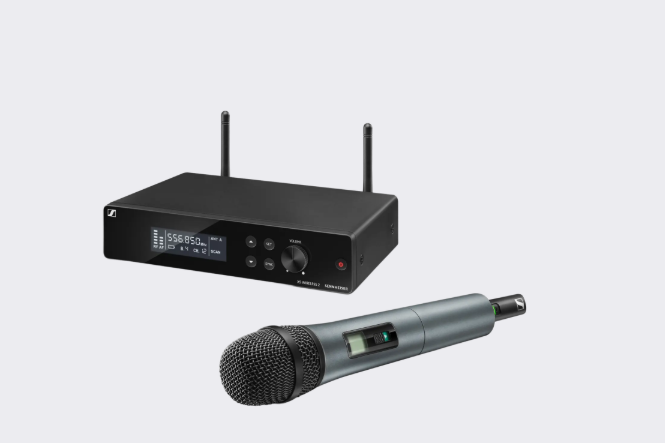
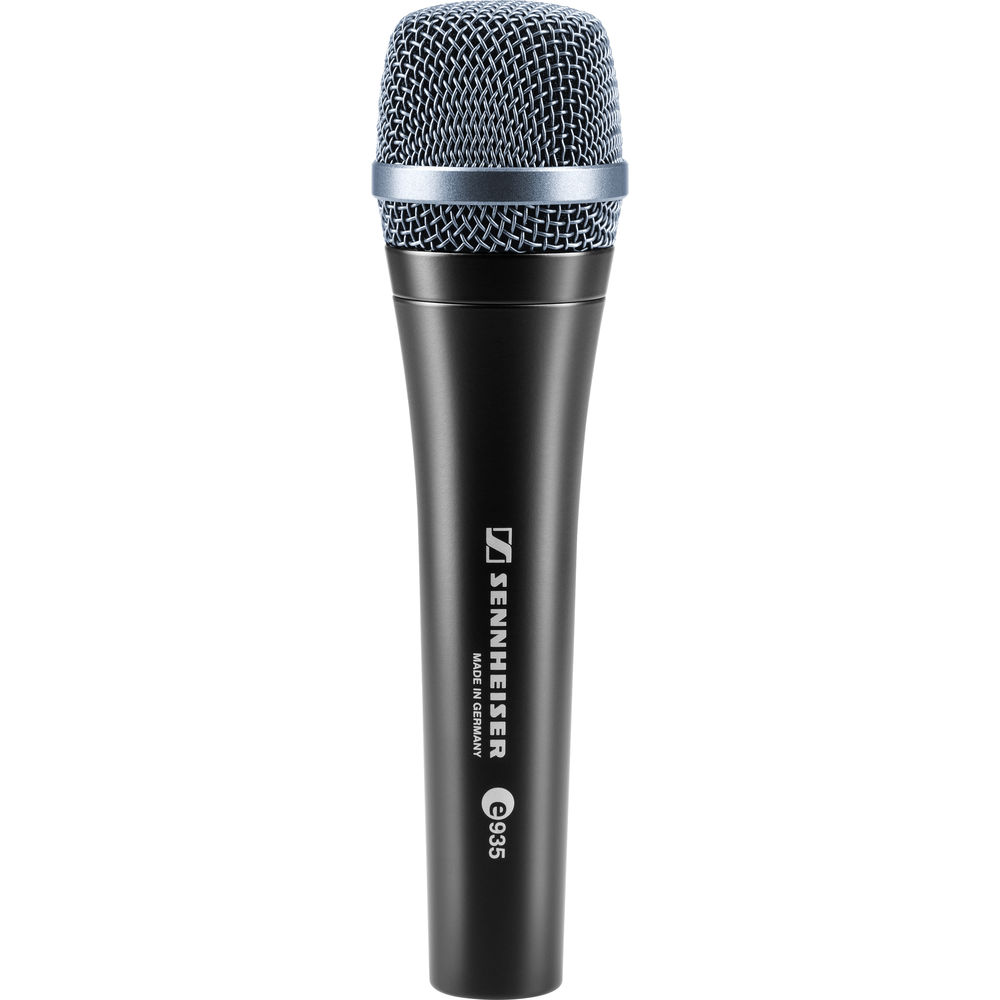
When you need to reject room noise, prevent feedback on a live stage, and quickly pass audio control from one presenter to the next, rugged handheld dynamic and condenser microphones are the most reliable tool for your crew. High-quality capsules with internal shock mounts protect against handling noise, while robust metal bodies withstand the inevitable drops that occur during live production.

Hybrid Flexibility
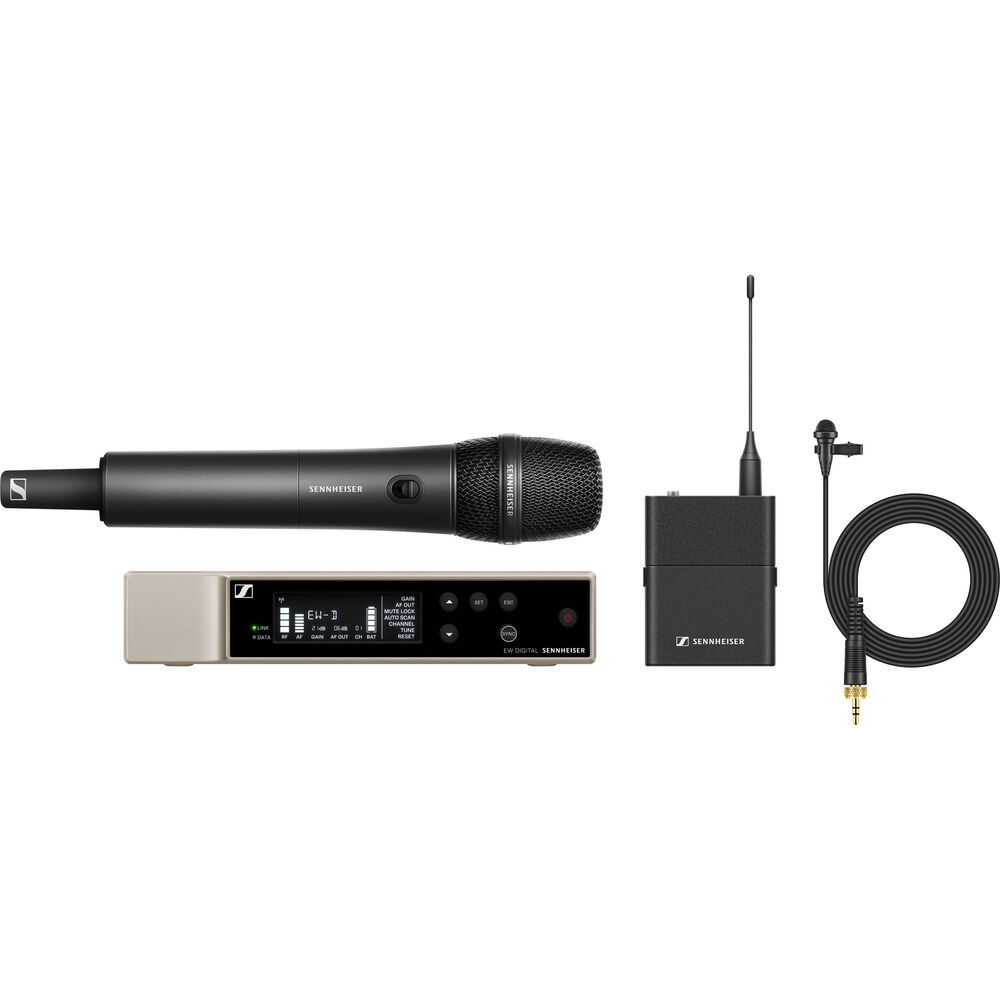
If your AV company frequently pivots between stage presentations and panel discussions, investing in a combination wireless system is a smart operational strategy. Combo systems provide both a bodypack with a lavalier and a wireless handheld microphone. This gives you the flexibility to adapt on the fly, seamlessly switching between a hands-free solo presentation and a multi-speaker panel without completely changing your receiver architecture.
Key Takeaways
- Select lavaliers for invisibility: They are the optimal choice for sit-down interviews, film, and solo presentations where hands-free operation and a clean visual frame are mandatory.
- Deploy handhelds for control and sharing: Rely on them in live panels, audience Q&A sessions, and loud environments where you need strong directional feedback rejection and easy handoffs between speakers.
- Match your wireless gear to the venue: Always verify that your wireless microphone systems operate on legal, clear frequencies in your region to prevent costly signal dropouts during live deployment.
- Invest in workflow, not just capsules: Pair your microphones with reliable receivers, proper shock mounts, and timecode integration to ensure seamless post-production and live mixing.
Ready to upgrade your production audio with gear that won’t fail you in the field? Browse our professional audio solutions today, or reach out to our technical support team for a custom AV installation consultation to ensure your next event sounds flawless.