Tripod vs. Monopod for Video: Securing Your Next Shot
Every video production faces the same friction. You need rock-solid framing, but you also need to move quickly. In our two decades of equipping production crews, we have seen this dilemma ruin shoot schedules. Crews often exhaust themselves carrying heavy gear. Sometimes they compromise on stability to save time.
Deciding between a tripod and a monopod solves this bottleneck. Your choice of support dictates your shooting pace, your crew size, and your final image quality. Here is how to evaluate the trade-offs for your specific video needs.
The Case for Video Tripods: Absolute Control
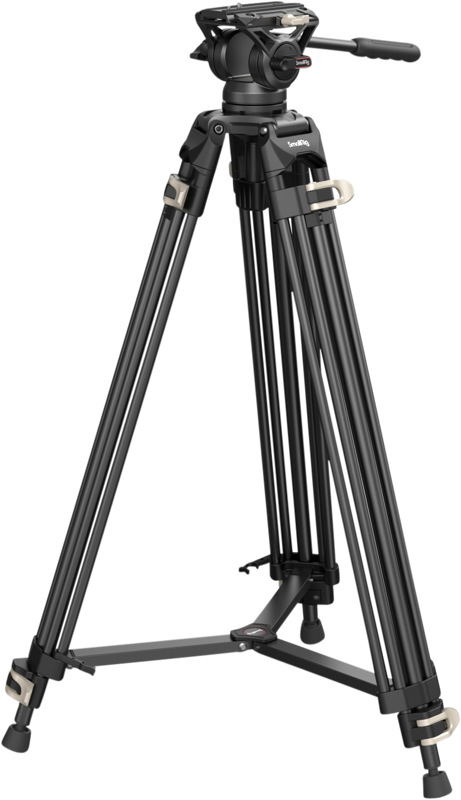
Tripods are the industry standard for a clear reason. A sturdy tripod will eliminate camera shake completely. If you shoot corporate interviews or use heavy lenses, you cannot fake this level of stability. You frame the shot, lock the head, and step away.
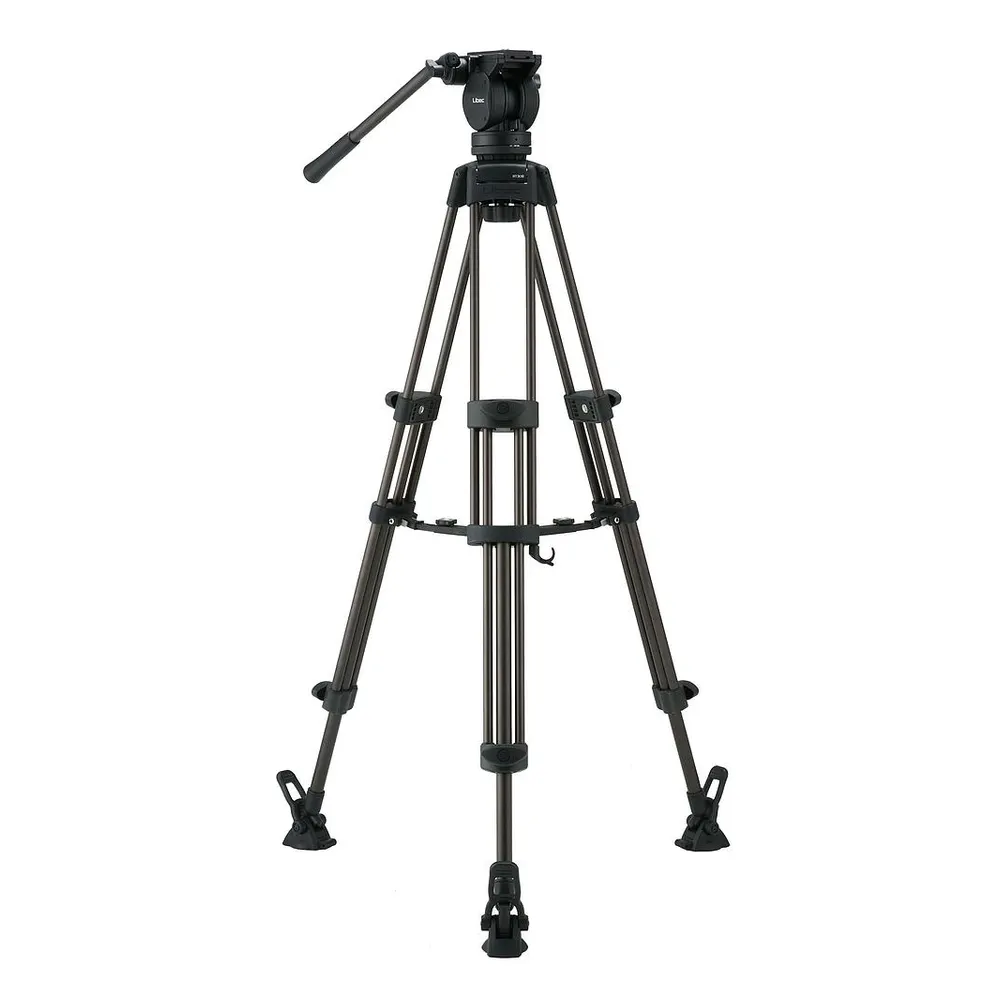
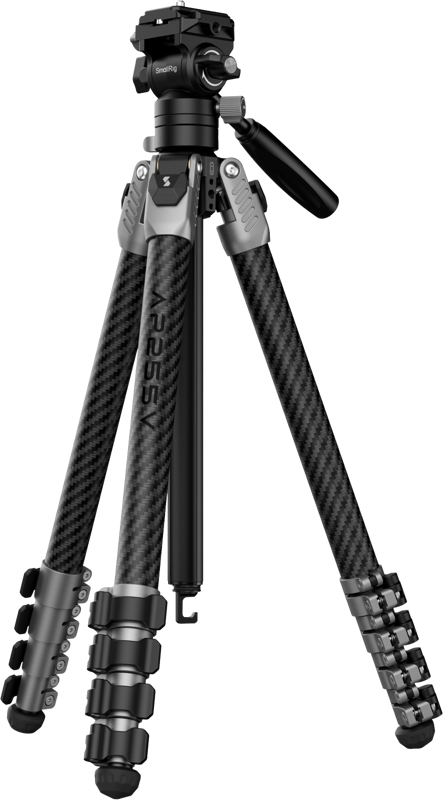
For professional video, a standard photo tripod is not enough. You need a dedicated video setup with a fluid head. This mechanism provides internal drag. It allows you to execute smooth pans and tilts without jerky starts or stops.
Height also matters. Industry standards suggest looking for a video tripod with a maximum height of at least 70 inches. This keeps the camera at a natural eye level during standing interviews. Heavy-duty aluminum or carbon fiber legs ensure the system handles larger cinema cameras and teleprompters without buckling.
The Case for Video Monopods: Speed and Agility
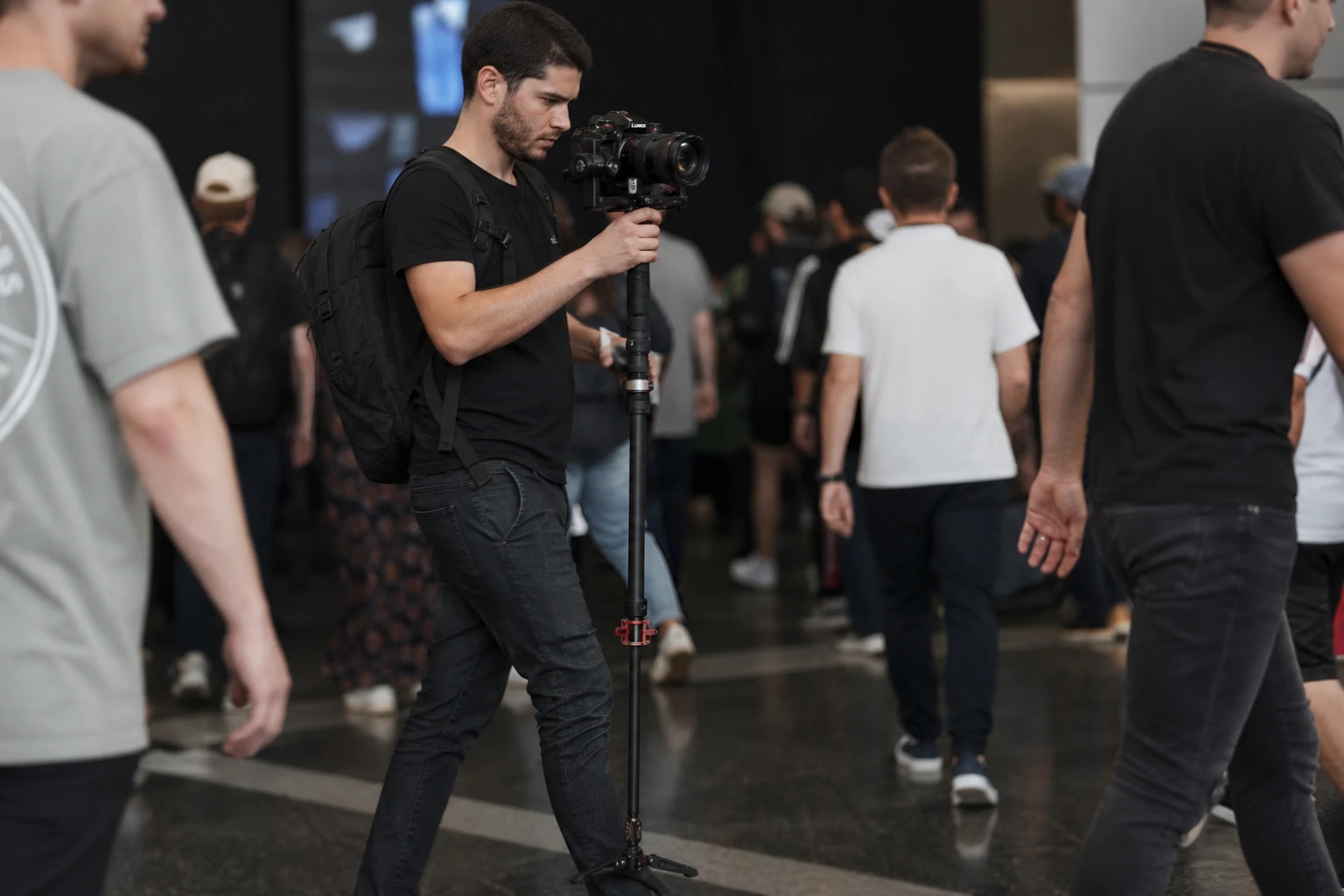
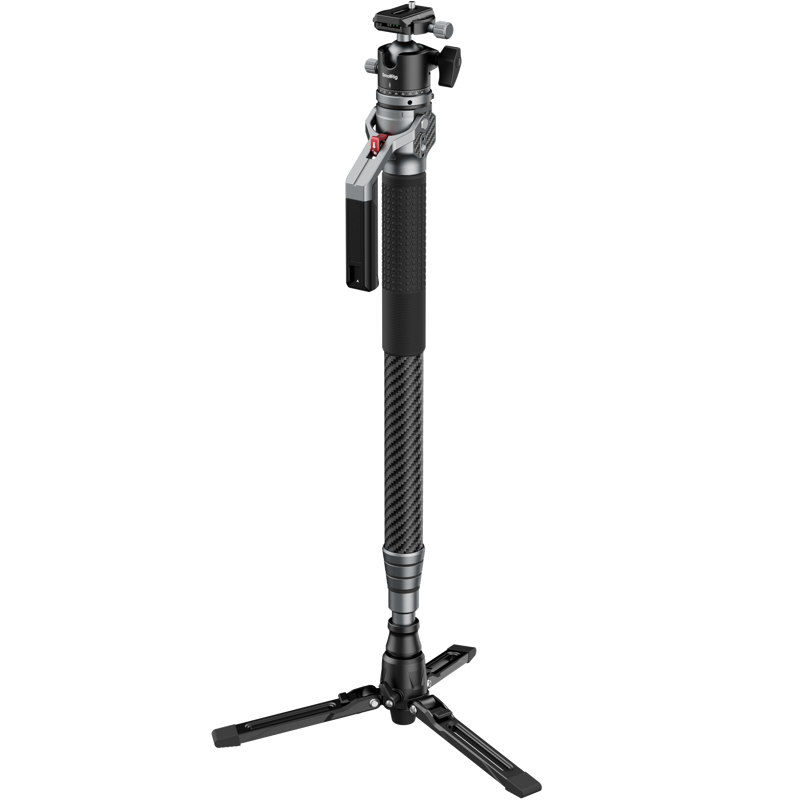
When space is tight and time is short, monopods save the shoot. They reduce video jerkiness and smooth out your movements. You trade locked-off perfection for a massive mobility upgrade. You do have to keep your hands on the camera at all times.
A monopod has a tiny footprint. This makes it a highly effective option for live event coverage or fast documentary scenarios. You can weave through a crowd, plant the single leg, and capture the moment in seconds. Monopods are remarkably light and easily strap to a backpack for remote locations.
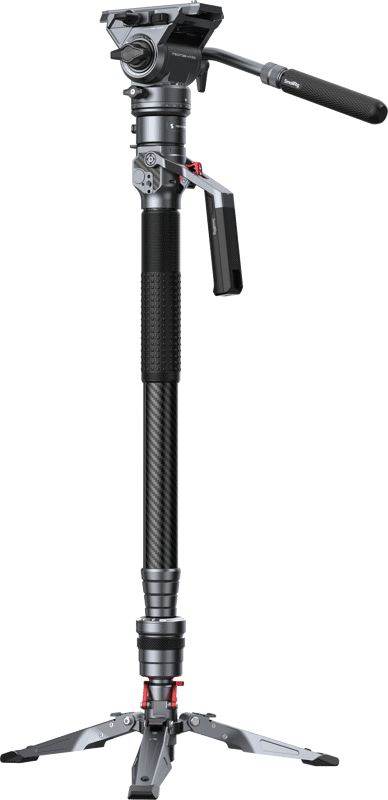
However, you must watch your payload. Adding a <a href="https://www.bhphotovideo.com/c/product/1653923-REG/manfrottomvmelmiia4liveelementmiivideomonopodnbsp_with.html”>live fluid head to a video monopod often reduces its overall weight capacity compared to a bare stick. Always match the weight rating to your fully rigged camera.
Comparing Your Support Options
To make the right choice on set, you need to weigh exactly how these tools behave in the field.
| Feature | Video Tripod | Video Monopod |
|---|---|---|
| Footprint | Requires wide floor space to deploy legs safely. | Minimal. Fits in tight aisles and crowded rooms. |
| Setup Time | Slower. Requires adjusting three separate legs and leveling the bowl. | Instant. Extend the main shaft and start shooting. |
| Operator Fatigue | Very low. The gear holds the weight completely. | Moderate. You must balance the rig manually during the shoot. |
| Movement | Perfect for locked-off static shots and precise pans. | Great for dynamic angles and rapid repositioning. |
| Transport | Bulky and heavy. Requires dedicated cases or heavy-lifting bags. | Highly portable. Easily fits onto standard backpacks. |
Bridging the Gap: Quick-Deploy Systems
Sometimes you cannot afford to choose. You need the three points of contact of a tripod, but you demand the setup speed of a monopod. Today, manufacturers engineer advanced camera support systems that blur the line between the two.
Modern quick-deploy systems change the workflow. Tripods with single-step height adjustments or hydraulic clutch technology let you release and lock all three legs instantly. You just squeeze a trigger. This cuts setup time in half. These systems are ideal for fast-paced outdoor videography where the terrain changes constantly.
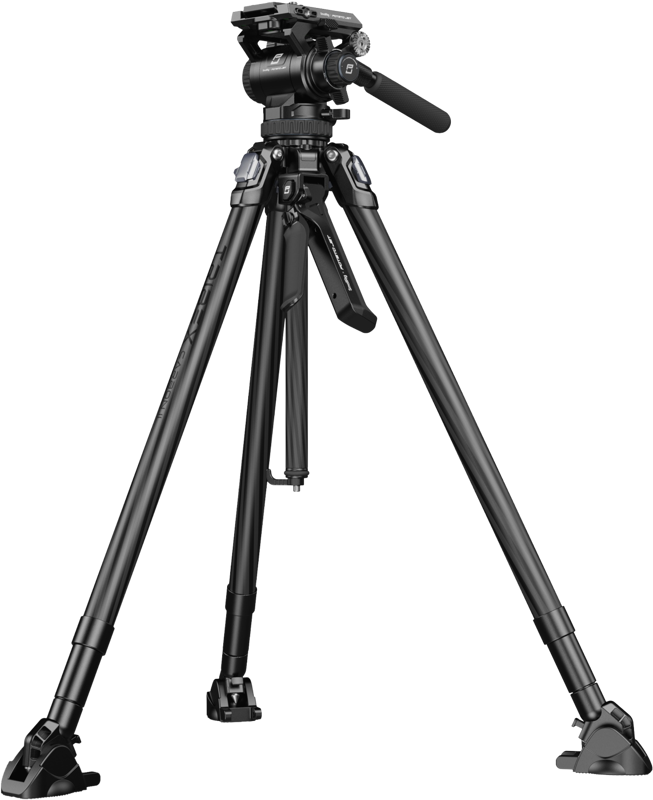
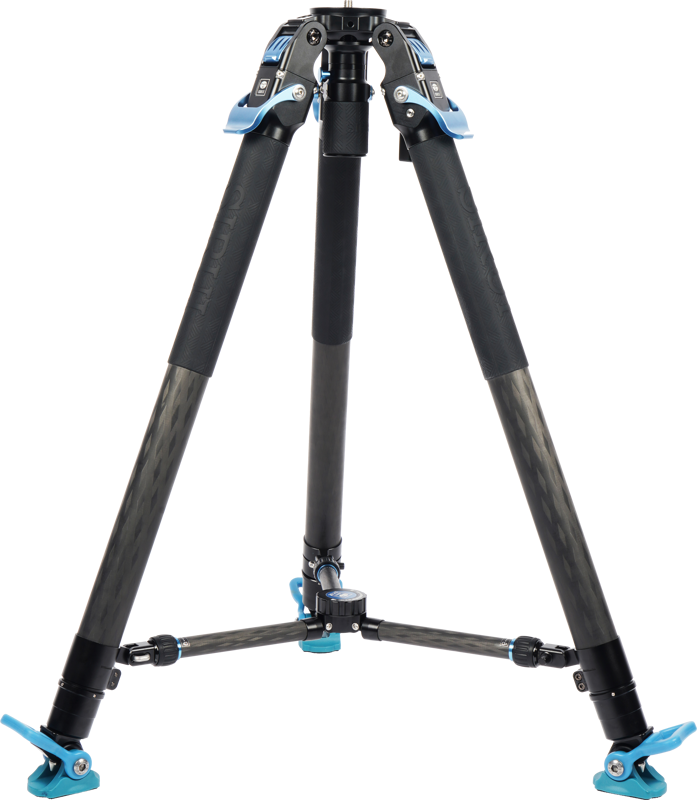
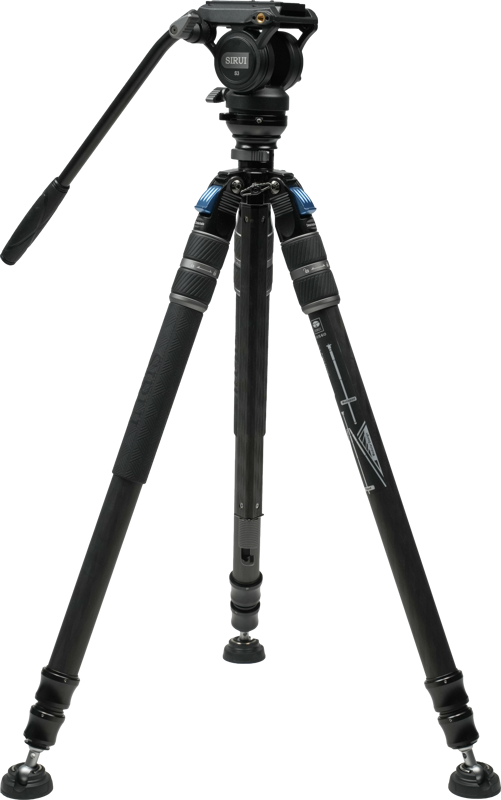
If your priority is pure travel without sacrificing the ability to lock off a shot, compact carbon fiber video tripods offer a practical middle ground. They fold down small enough for travel videographers. At the same time, they retain the five-section leg design needed for proper shooting height.
Key Takeaways
- Analyze your environment: Use a tripod for controlled environments like studios. Rely on a monopod for crowded events where floor space is limited.
- Factor in operator fatigue: A tripod allows you to step away and rest during long shoots. A monopod requires constant physical engagement.
- Invest in fluid heads: Regardless of which base you choose, a true fluid head is mandatory for professional video movement.
- Leverage new technology: Rapid-deployment tripods offer the speed of a monopod with the absolute stability of a three-leg system.
Ready to build your next camera support rig? Browse our full selection of professional tripods to find the exact match for your payload and shooting style. If you need help matching a fluid head to your specific camera build, reach out to our team for expert guidance.