Selecting Camera Rain Covers for Outdoor Filming
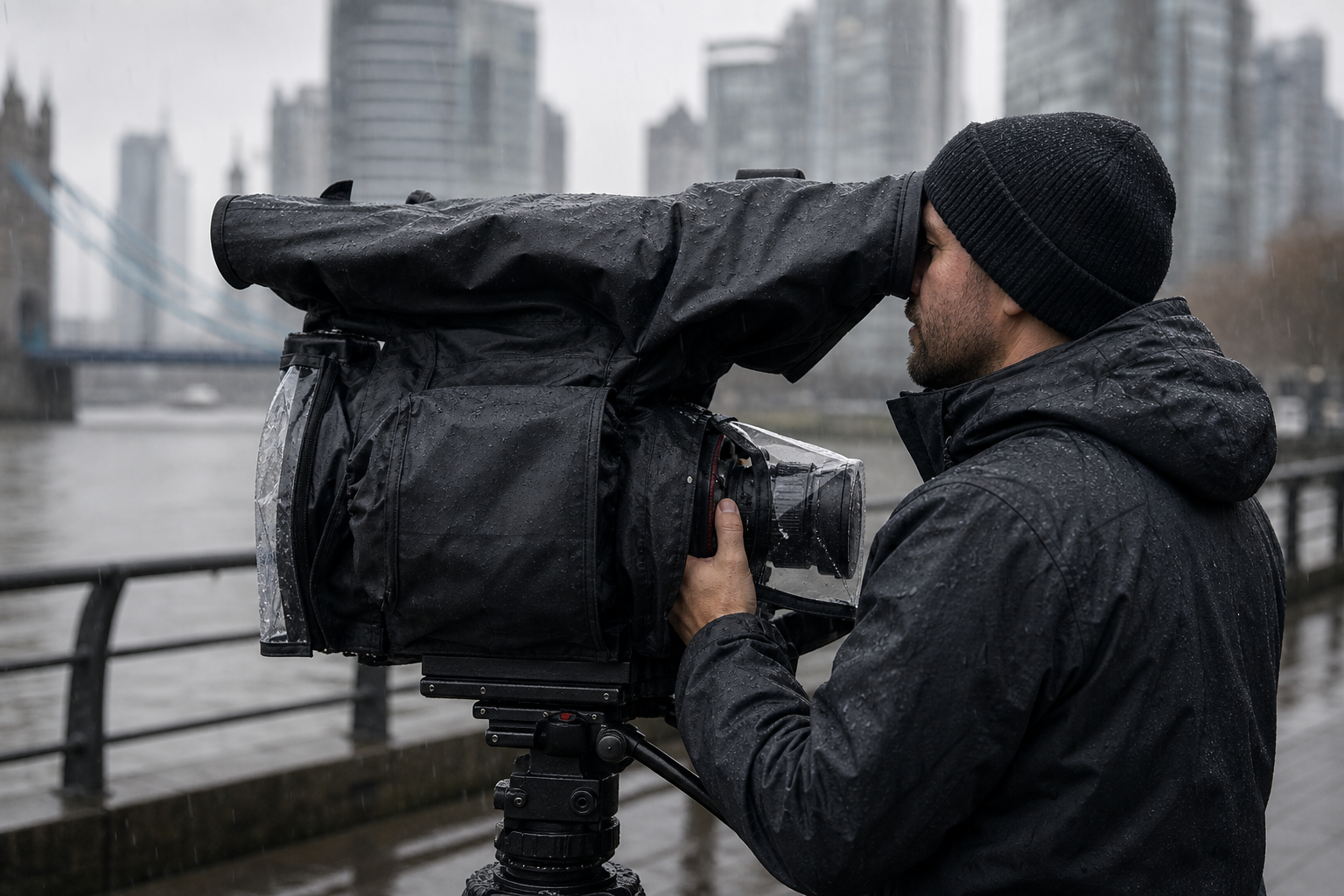
Bad weather should never stop a video shoot. Outdoor filming puts expensive video equipment at risk from rain, snow, dust, and moisture. In our experience, using makeshift plastic bags leads to trapped heat, blocked controls, and muffled audio.
Protecting your gear requires a dedicated rain cover designed for your specific camera rig. You need full weather protection while maintaining instant access to buttons, ports, and displays. Matching the cover to your shooting style and rig layout keeps your workflow fast and reliable.
Custom-Fit vs. Universal Rain Covers
When choosing weather protection, you must decide between a custom-fit cover and a flexible universal model. Each option serves a distinct operational purpose depending on your production build.
Custom-fit covers wrap tightly around specific camera bodies. They align perfectly with top handles, viewfinders, and battery plates. This tailored design reduces loose fabric and eliminates wind flapping in high-speed environments. They work best when your camera setup remains constant throughout the day.
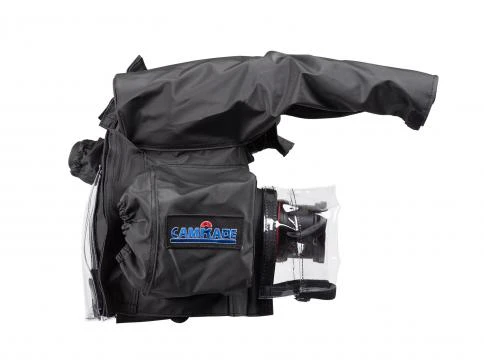
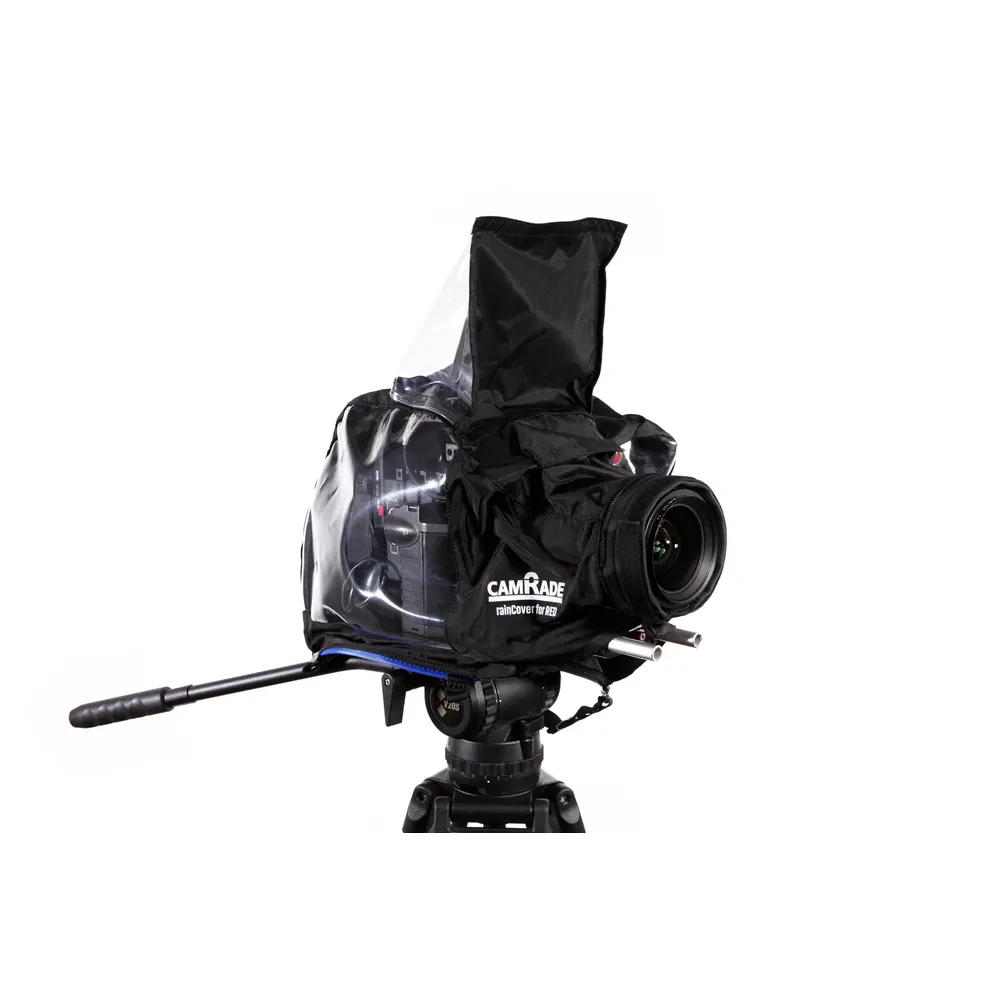
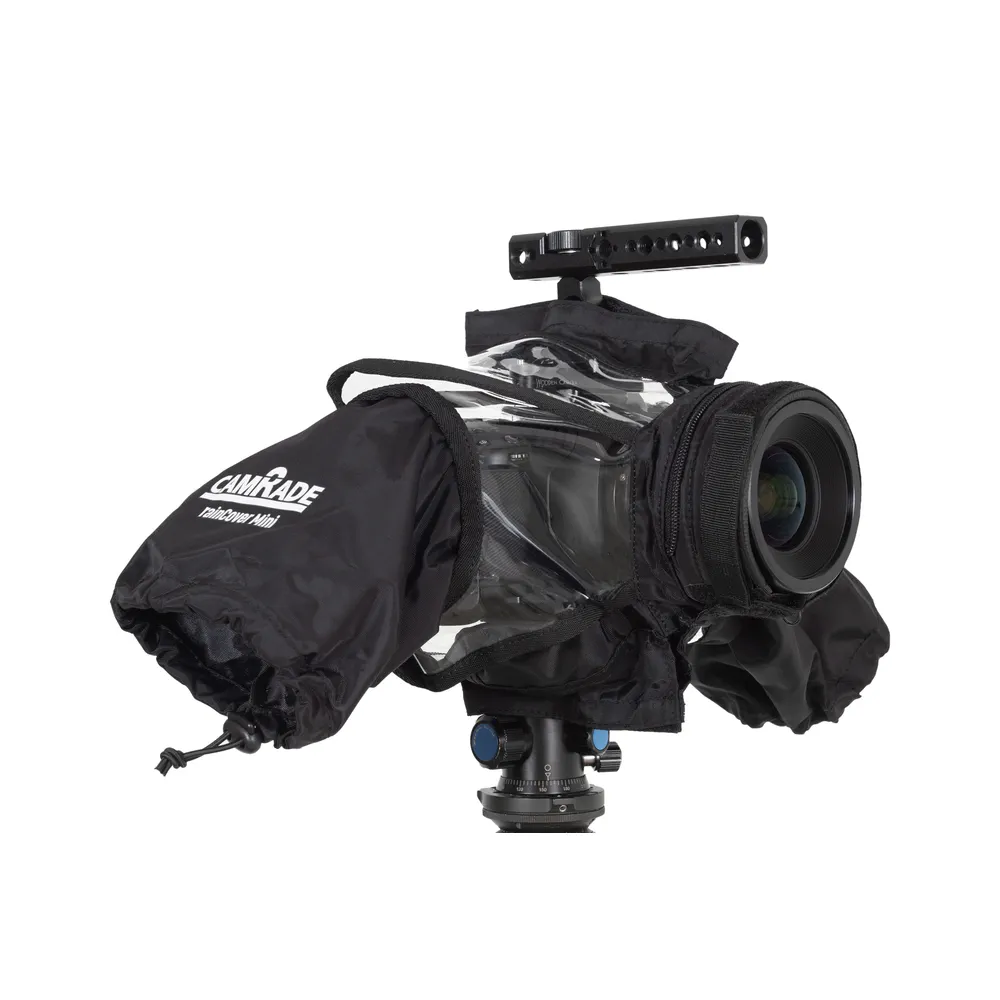
Universal covers offer a looser design built for changing camera setups. If you swap lenses often, add external monitors, or alter handle configurations, universal covers offer room to expand. Adjustable drawstring closures and hook-and-loop fasteners secure the material around modular cinema setups.
Matching Covers to Camera Rig Sizes
Different camera form factors require specific cover designs to preserve screen visibility and physical control access.
Compact & Handheld Video Cameras
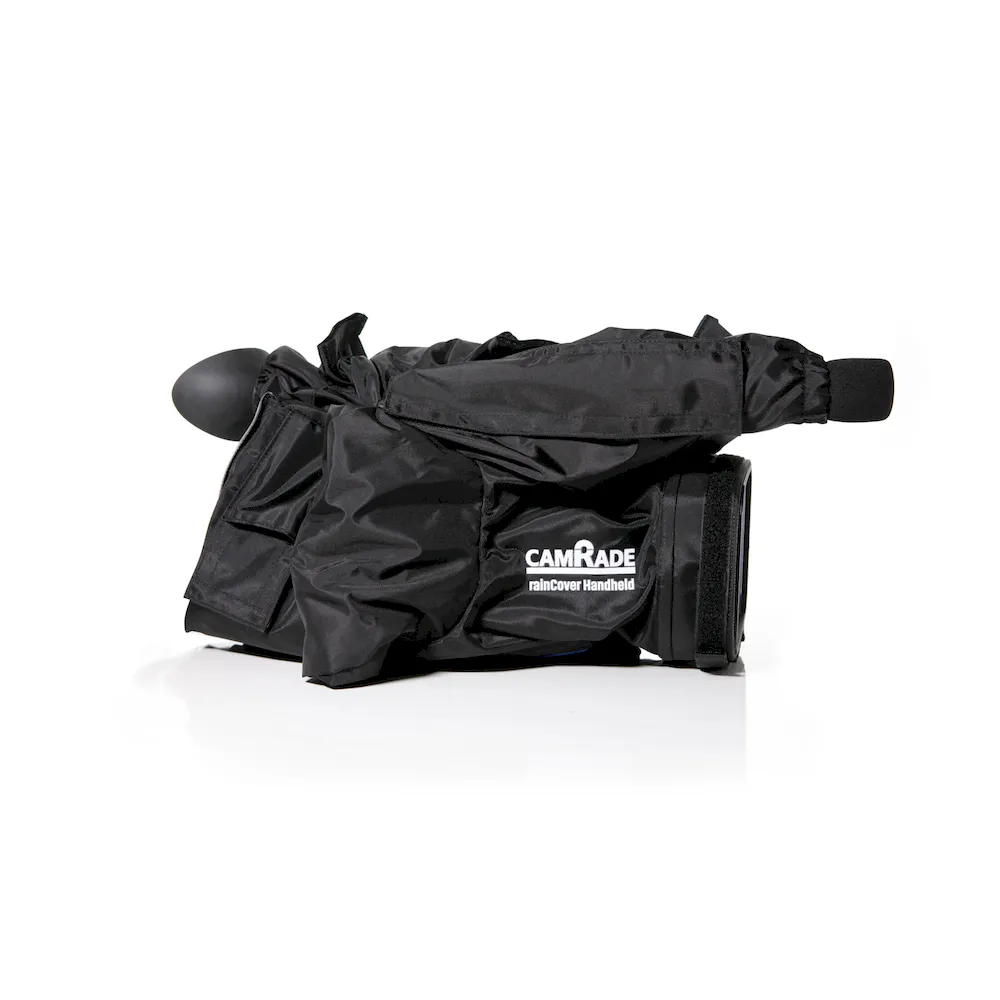
Compact video cameras and lightweight setups need thin, agile covers. Heavy materials can crush small top microphones or block flip-out screens.
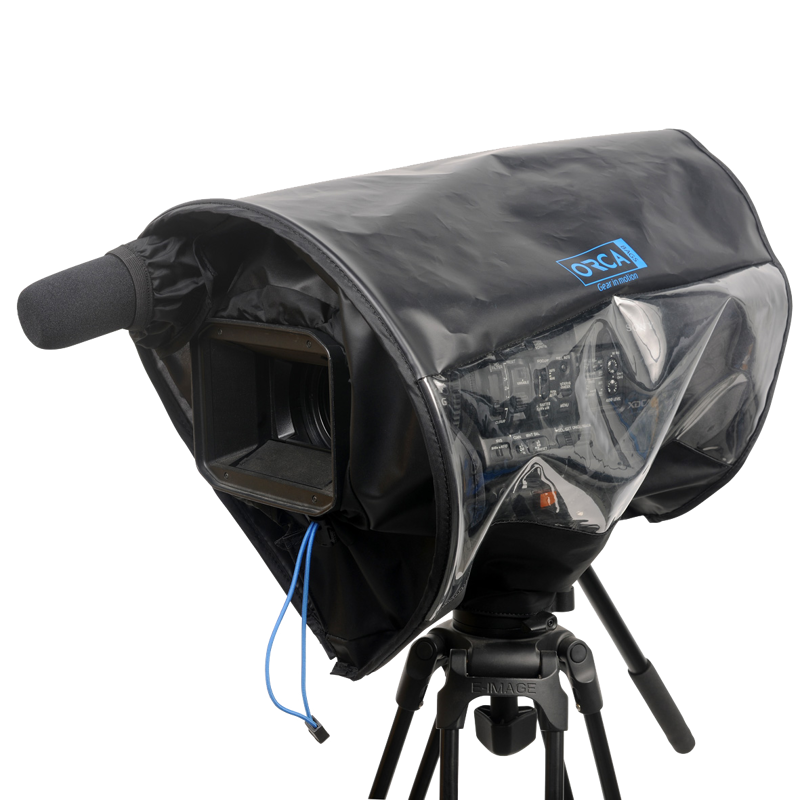
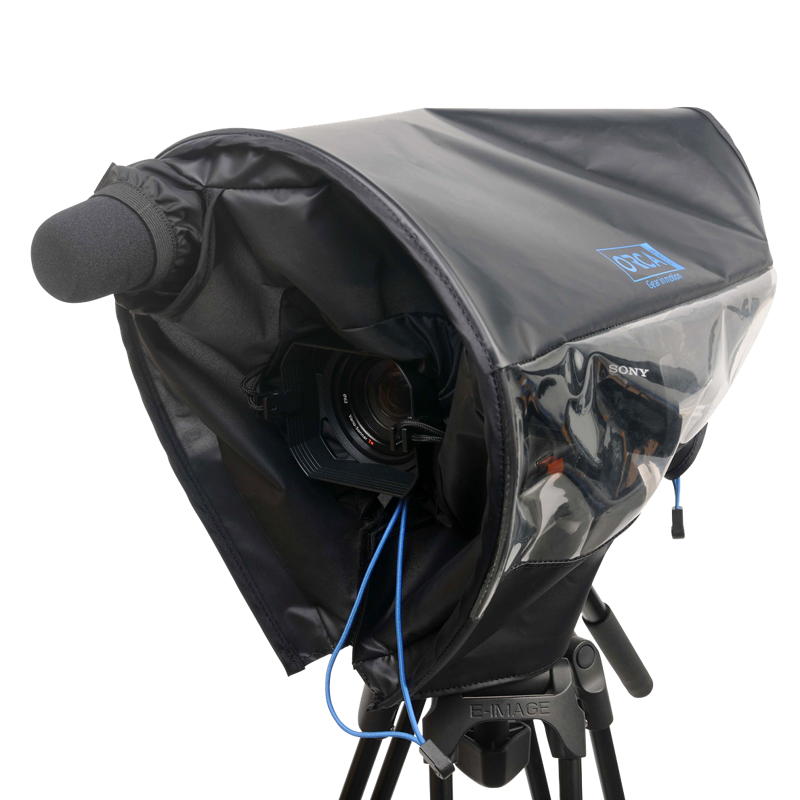
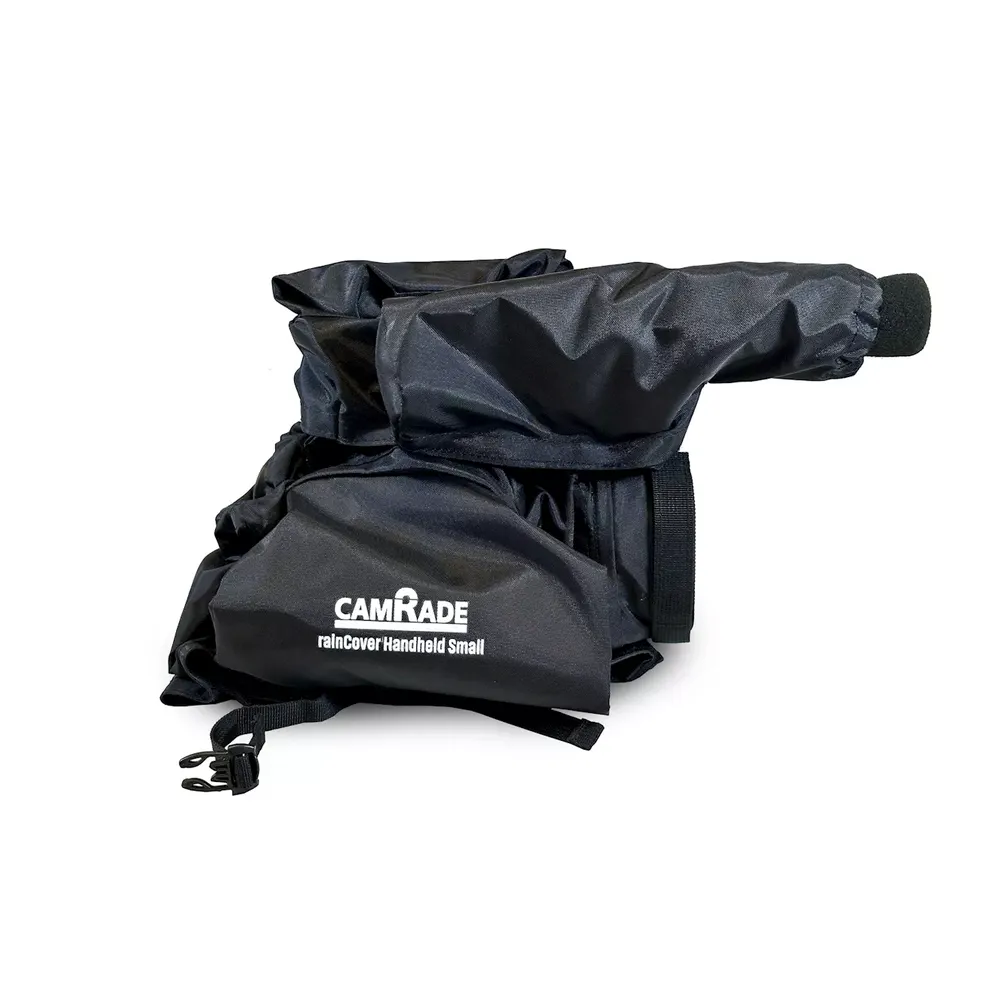
Professional handheld covers use clear TPU or vinyl windows over key interface areas. This keeps display screens and audio dials visible while keeping moisture out.
-
 Rain covers
ORCA OR-103 Quick Rain Cover for Small video cameras
€ 108.05€ 133.98 (incl. VAT) -
Rain covers
ORCA OR-101 Quick Rain Cover for extra small video cameras
€ 100.72€ 124.89 (incl. VAT) -
 Rain covers
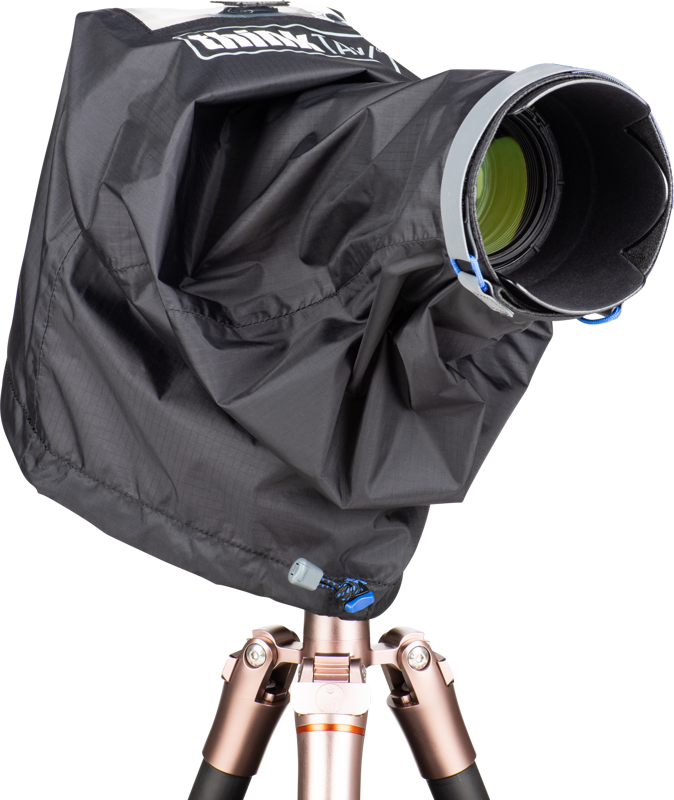
THINK TANK Emergency Rain Cover (Medium)
€ 34.14€ 42.33 (incl. VAT) -
 Rain covers
CAMRADE rainCover Handheld Small
€ 129.00€ 159.96 (incl. VAT)
Mid-Size Cinema & Shoulder Rigs
Mid-size cinema cameras built with a camera cage for video, baseplates, and matte boxes require wider internal dimensions.
These covers feature extension sleeves and expandable side panels. Wide rear openings allow fast battery swaps and cable routing without removing the weather protection.
Broadcast, ENG, and Outside Broadcast Setups
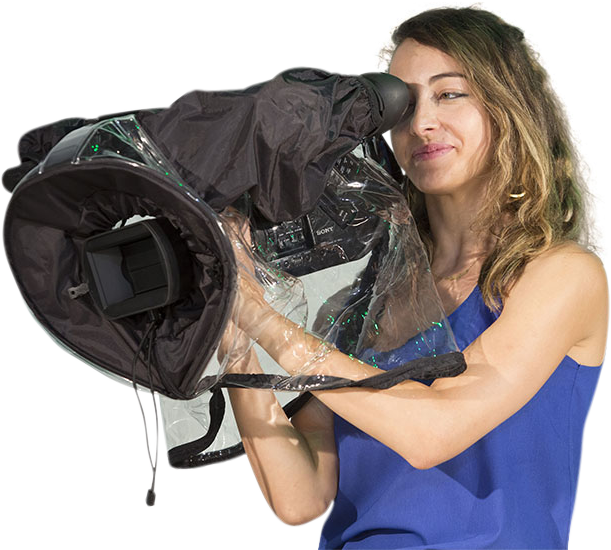
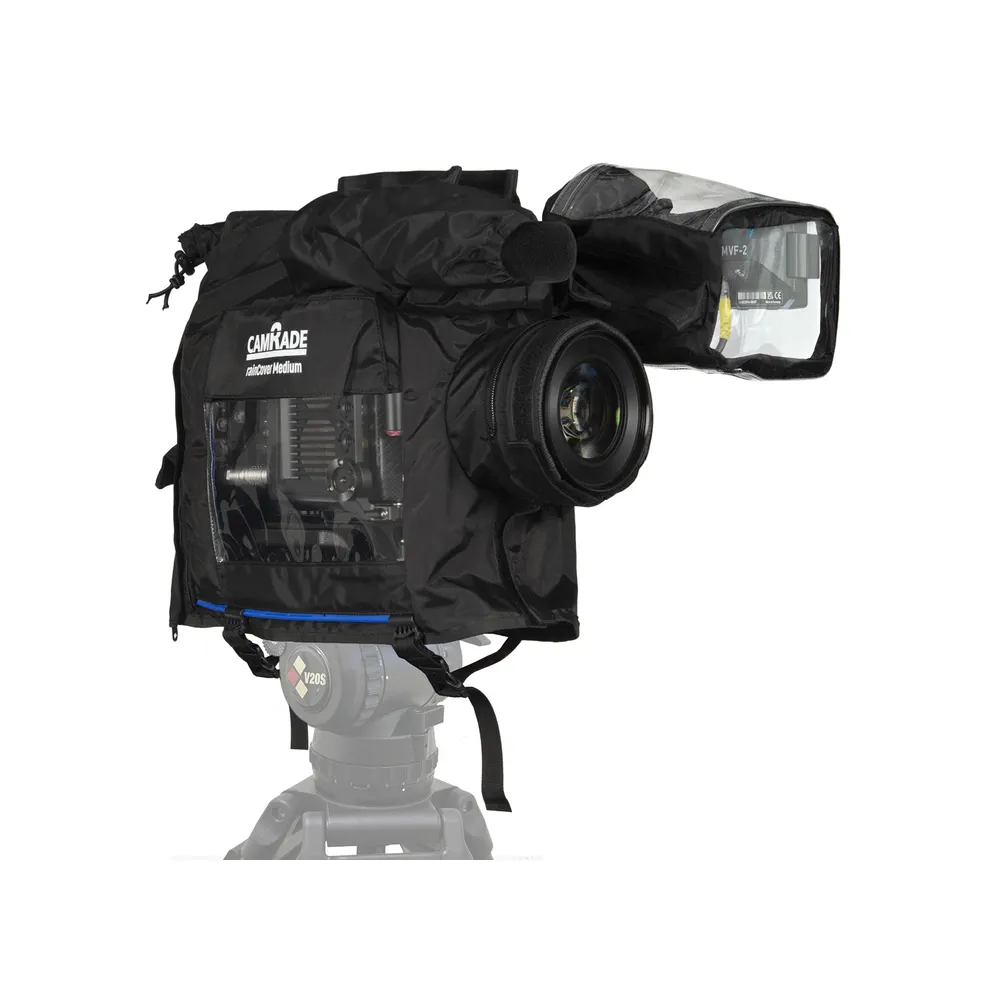
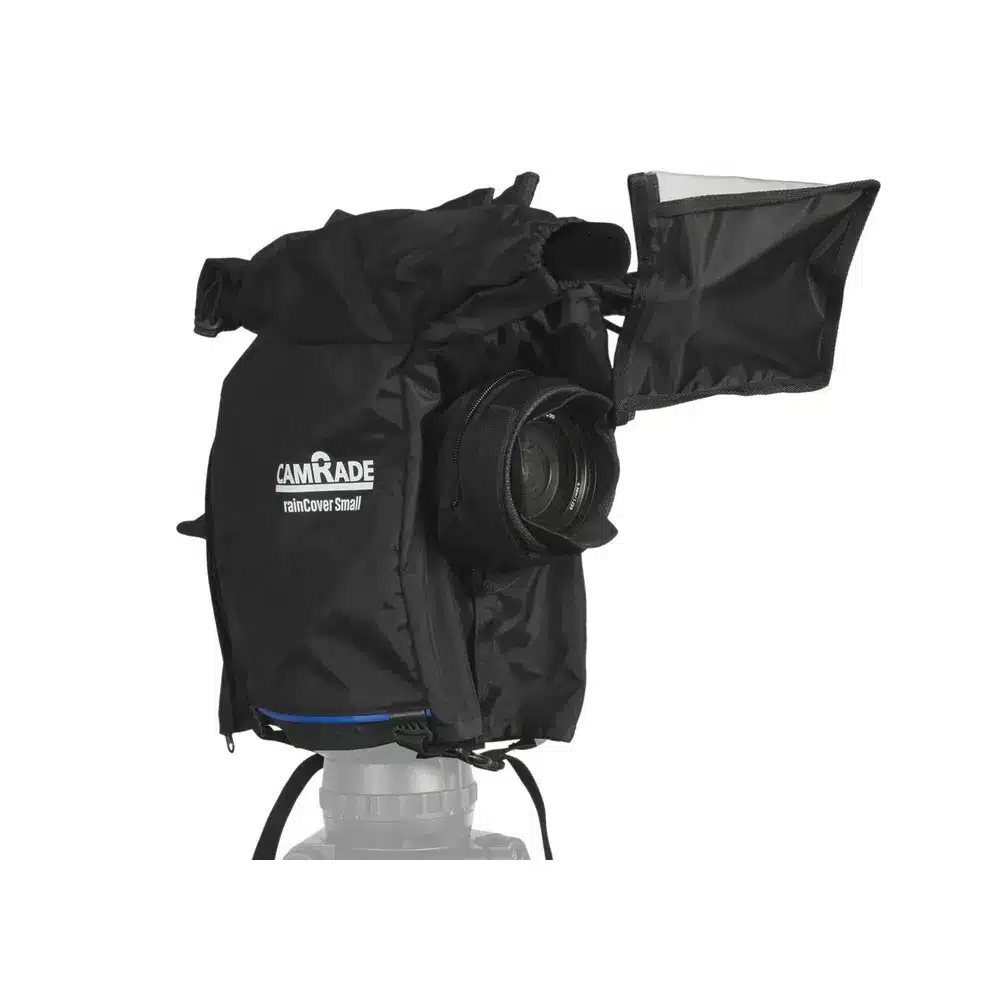
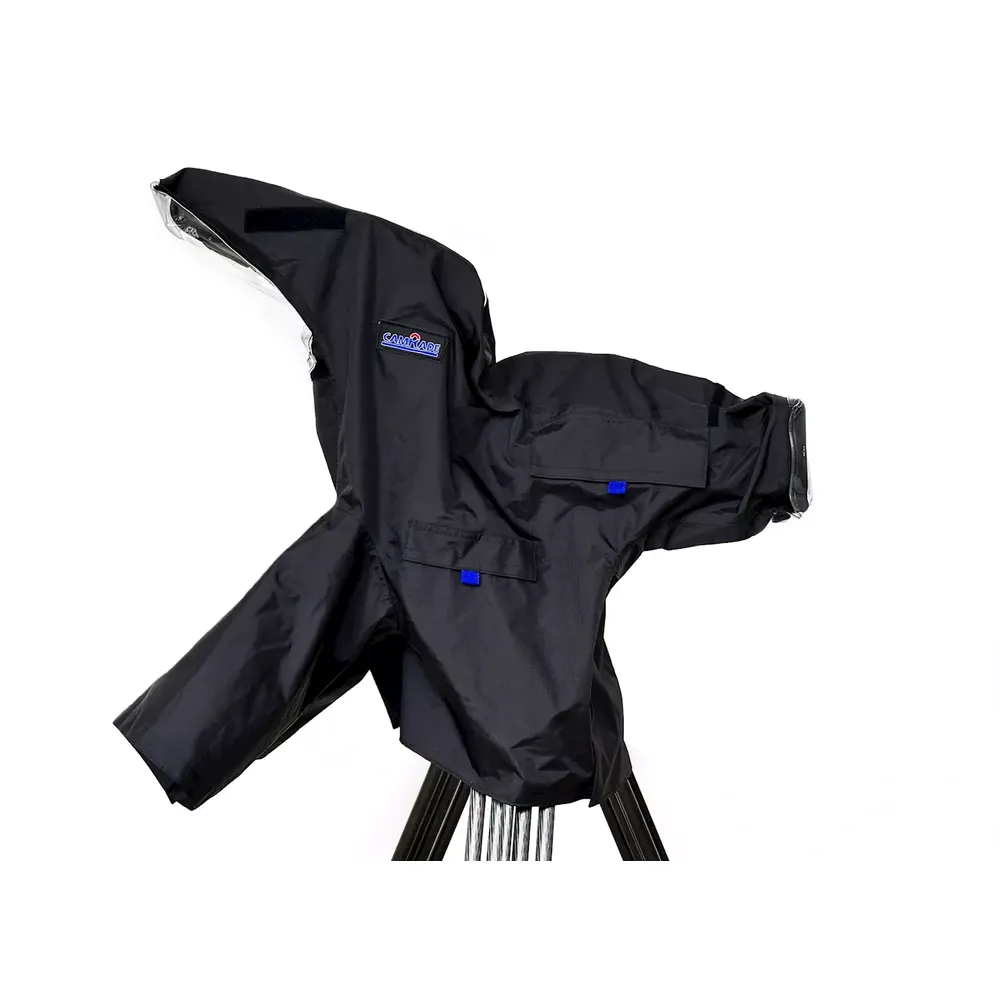
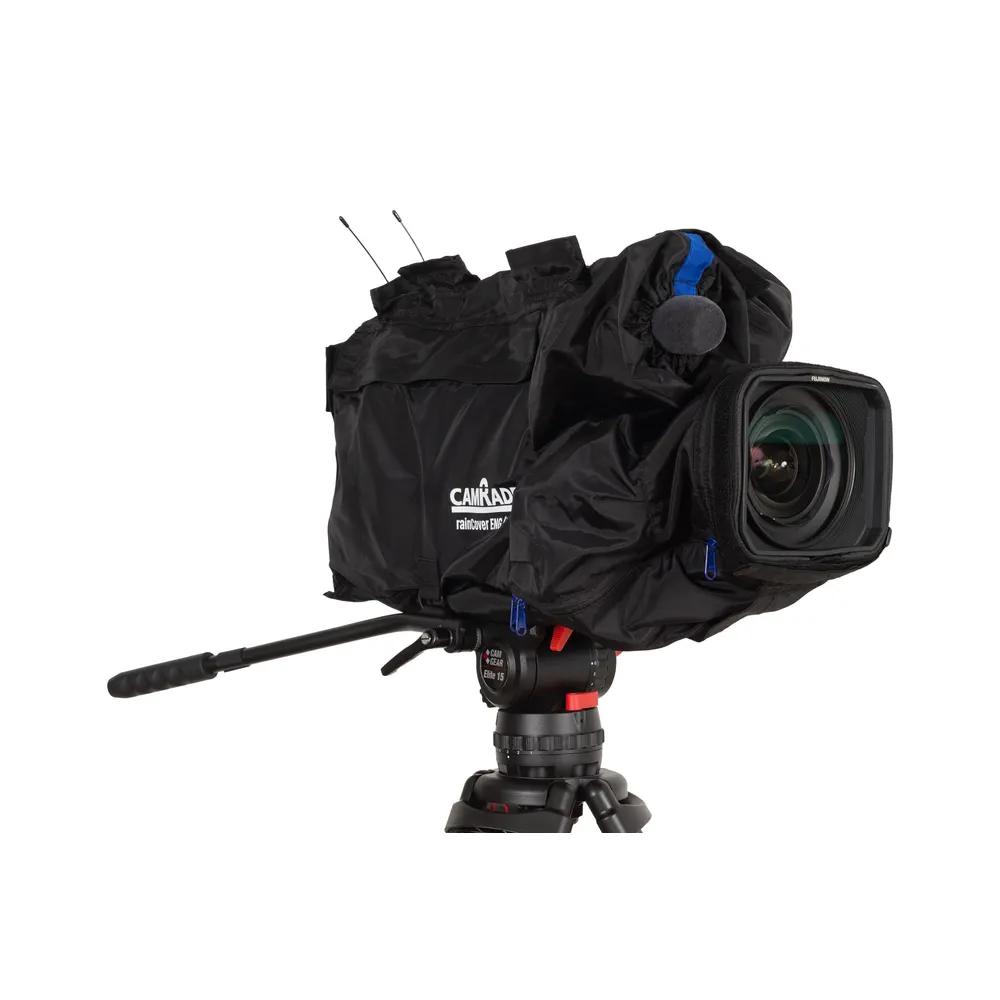
Full-size ENG and broadcast cameras need rugged, heavy-duty covers. These setups often operate on shoulder mounts or heavy tripods in severe weather conditions.
Broadcast covers feature dedicated openings for large viewfinders, wireless receivers, and long box lenses. Rear access ports keep hand controls accessible for smooth live operation.
Weather Covers for DSLR and Mirrorless Telephoto Rigs
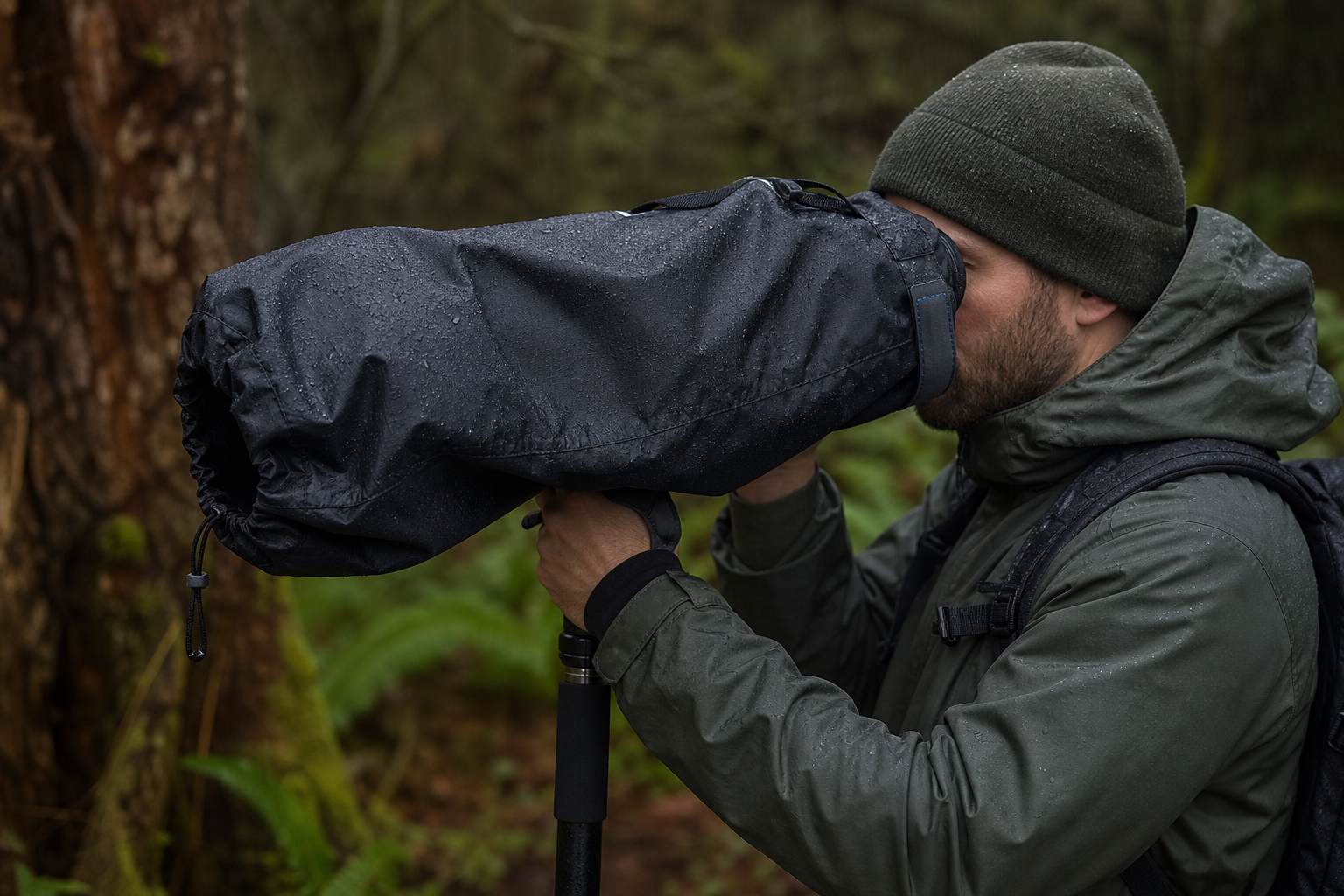
Sports, documentary, and wildlife videographers shooting on mirrorless systems need targeted protection for long telephoto lenses.
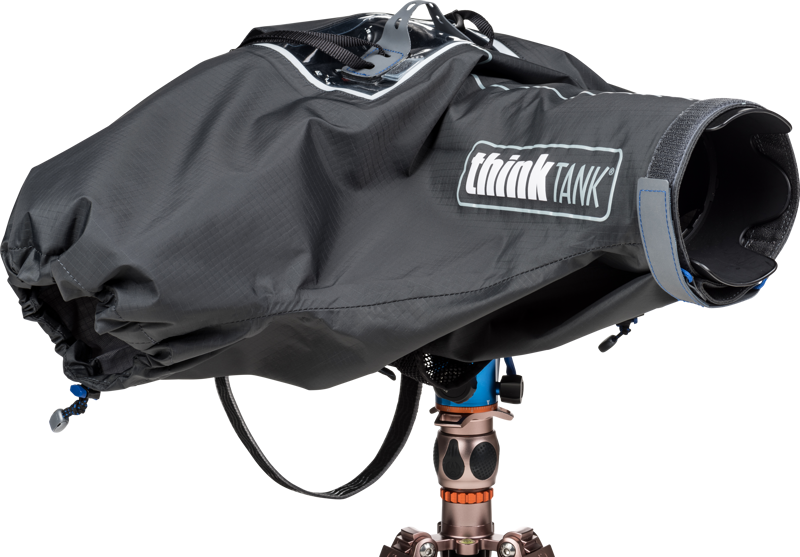
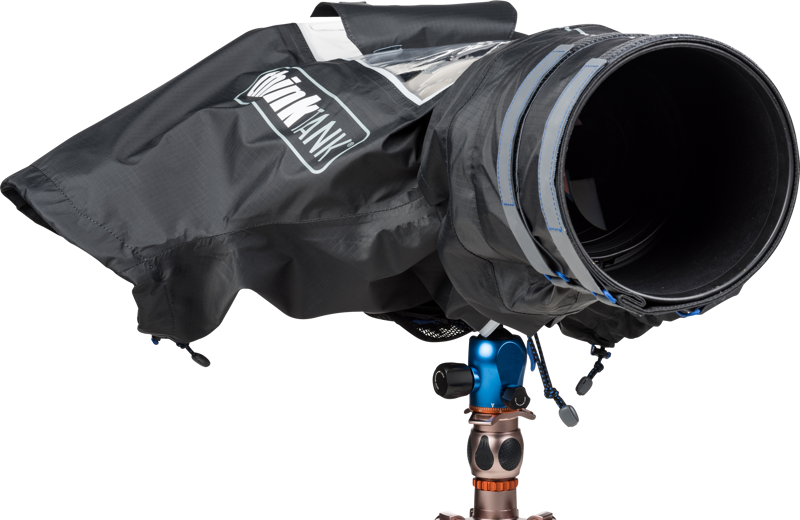
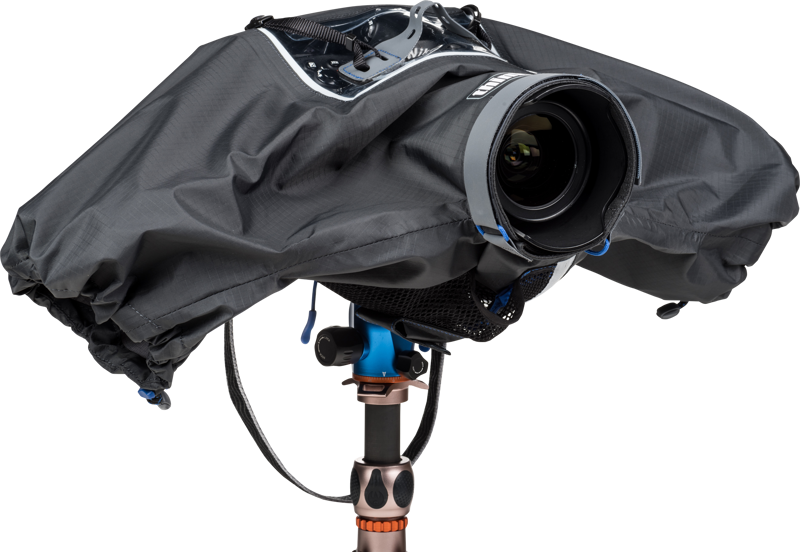
Seam-sealed 3-layer fabrics provide heavy rain protection without sacrificing lens control. Dedicated lens-hood straps secure the front barrel against driving wind and water. Meanwhile, separate eyepiece mounts allow clear viewfinder monitoring while sealing out ambient moisture.
-
 Rain covers
THINK TANK Hydrophobia D 70-200 V3
€ 91.78€ 113.81 (incl. VAT) -
 Rain covers
THINK TANK Hydrophobia DM 300-600 V3
€ 117.09€ 145.19 (incl. VAT) -
 Rain covers
THINK TANK Hydrophobia D 24-70 V3
€ 87.18€ 108.10 (incl. VAT) -
 Rain covers
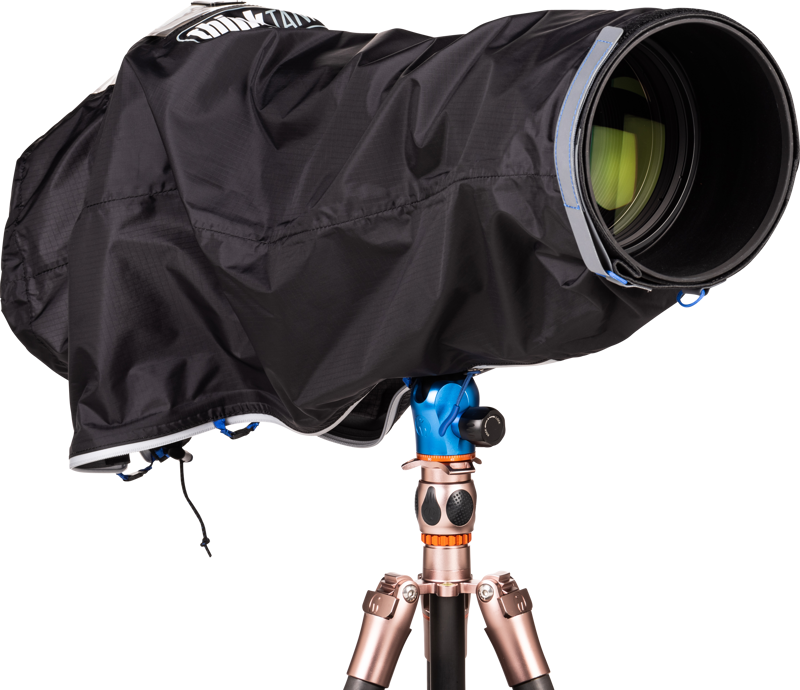
THINK TANK Emergency Rain Cover (Large)
€ 51.53€ 63.90 (incl. VAT)
Key Features to Evaluate Before Buying
Before selecting a rain cover, consider these crucial performance criteria:
- Material and Acoustic Performance: Standard plastic materials make rustling noises in windy conditions. Professional covers use soft, near-silent waterproof fabrics like Taslan or multi-layer nylon to protect your audio recording quality.
- Thermal Venting and Moisture Control: Sealed covers trap internal camera heat during long recordings. Look for breathable materials or bottom zippers that vent hot air to prevent internal condensation.
- Control Visibility and Access: Transparent TPU panels allow clear views of audio meters and camera menus. Ensure flaps line up with media slots and power switches for quick operational access.
- Transport and Storage Integration: Rain covers must fold down small to fit inside your video equipment bag. Compact covers help keep gear organized when traveling with video gear on a plane.
Comparing Camera Rain Covers
| Cover Type | Recommended Camera Rigs | Key Advantage | Access Features |
|---|---|---|---|
| camRade wetSuit | Model-specific cinema cameras | Tailored fit, silent fabric | Custom control windows and port flaps |
| camRade rainCover | Modular cinema & handheld rigs | Fits expanding configurations | Wide zipper openings for quick battery changes |
| Orca Quick Rain Cover | Handheld camcorders | Inflatable inner frame support | Full clear body construction for complete view |
| Think Tank Hydrophobia | Mirrorless/DSLR telephoto setups | Seam-sealed 3-layer rain barrier | Eyepiece attachment and secure hood strap |
| Think Tank Emergency | Compact mirrorless setups | Ultra-compact folded design | Quick sleeve design for sudden downpours |
Browse our full range of camera rain covers to protect your equipment on location. For complete rig planning advice, read our video camera buying guide.
Key Takeaways
- Choose custom wetSuits for fixed camera builds and universal covers for modular rigs that change frequently.
- Select soft, near-silent fabric covers over rigid plastics to maintain clear audio recording in heavy wind.
- Ensure your cover features transparent windows and quick-access flaps for battery and media management.
- Protect long telephoto lenses with seam-sealed sleeves, tight hood straps, and dedicated eyepiece mounts.
Need help picking the right camera rain cover for your specific setup? Contact our expert team today for gear recommendations and technical support.