Flying with Video Gear: Navigating Airline Rules
You have a shoot in another country. You have thousands of euros in sensitive gear. Handing it over to an airline can cause deep stress.
We have seen perfectly planned shoots derailed at the airport. A confiscated battery, a delayed bag, or a damaged lens can stop production before it even starts.
Knowing airline regulations and packing your equipment correctly removes this risk. You can get through security faster. You can keep your gear safe and arrive on location ready to shoot.
Carry-On vs. Checked Luggage: Dividing Your Gear
The fundamental rule of traveling with video equipment is simple. Keep your most valuable and fragile items with you.
Never put your primary camera body, expensive lenses, or critical media cards in checked baggage. Airlines usually allow cameras in checked luggage. However, the financial risk falls entirely on you if something goes missing. For example, U.S. DOT regulations limit domestic baggage liability to just $4,700 per passenger. That rarely covers the cost of a professional cinema setup.
Instead, use your checked luggage allowance for heavy, durable items. Light stands, tripods, grip gear, rigging hardware, and thick cables can survive the cargo hold.
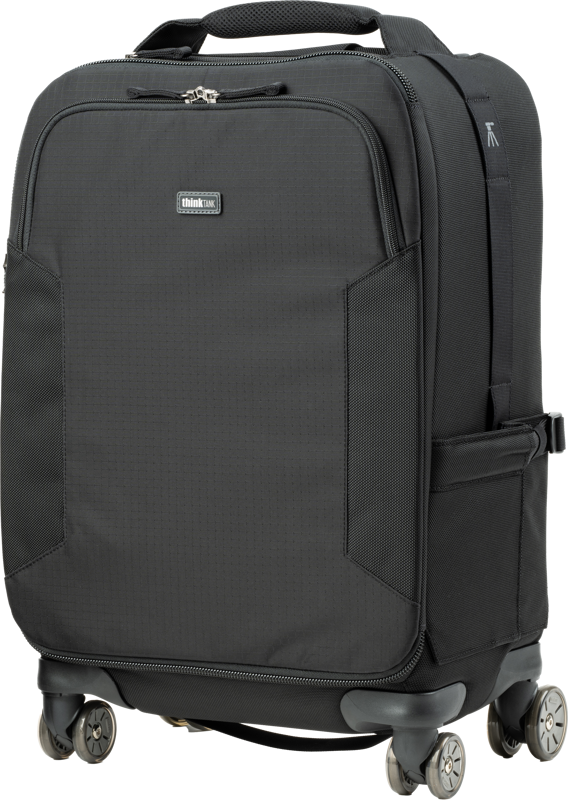
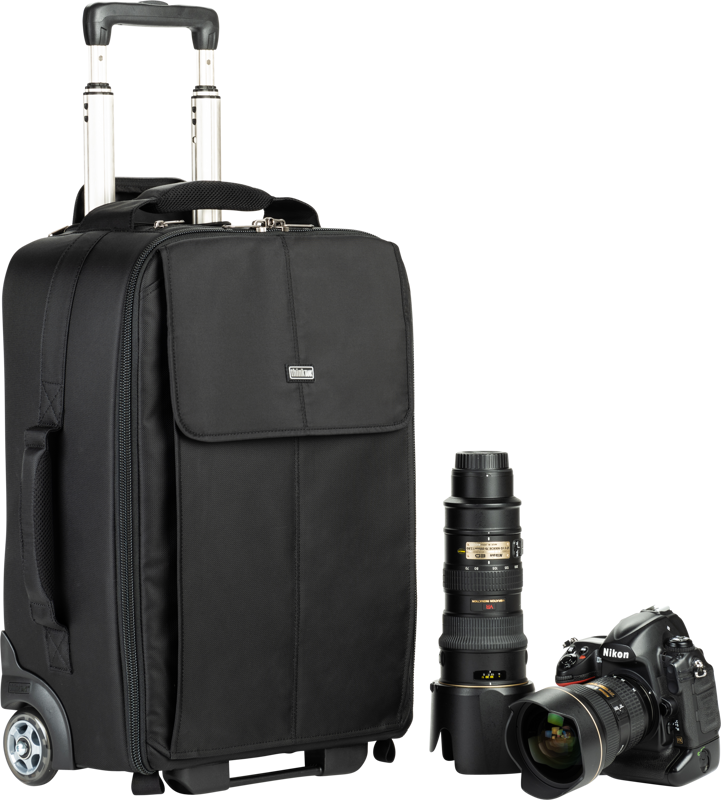
To maximize what you can keep with you in the cabin, invest in a premium airline-compliant rolling case. Weight limits for carry-on bags are getting stricter globally. A lightweight, multi-wheel roller lets you carry a heavy load without physical strain while still fitting in the overhead compartment.
The Strict Rules on Camera Batteries
Camera power is where traveling crews face the most trouble. Airlines are incredibly strict about lithium-ion batteries due to the risk of fire.
The FAA prohibits spare lithium-ion batteries in checked baggage. You cannot pack uninstalled batteries in the cargo hold under any circumstances. They must go in your carry-on bag so flight crews can respond if a battery malfunctions.
Battery capacity dictates how many you can bring. We break it down into three categories based on aviation standards:
| Battery Capacity | Checked Baggage | Carry-On Baggage | Airline Approval Required | Passenger Limit |
|---|---|---|---|---|
| Under 100Wh | No | Yes | No | Up to 20 |
| 101Wh – 160Wh | No | Yes | Yes | Maximum of 2 |
| Over 160Wh | No | No | Prohibited | None |
Airlines may impose their own specific limits on flights. However, IATA passenger guidance generally allows you to carry up to 20 spare batteries under 100 watt-hours.
You must also prove the battery capacity to security. IATA rules mandate that the watt-hour (Wh) rating must be clearly printed on the outside of the battery case. If the label is scratched off, security agents can confiscate the battery.
Finally, you cannot let batteries roll around loose in your bag. You must protect the terminals against short circuits. You can achieve this by keeping them in their original packaging, taping over the exposed contacts, or placing each battery in a separate plastic pouch.
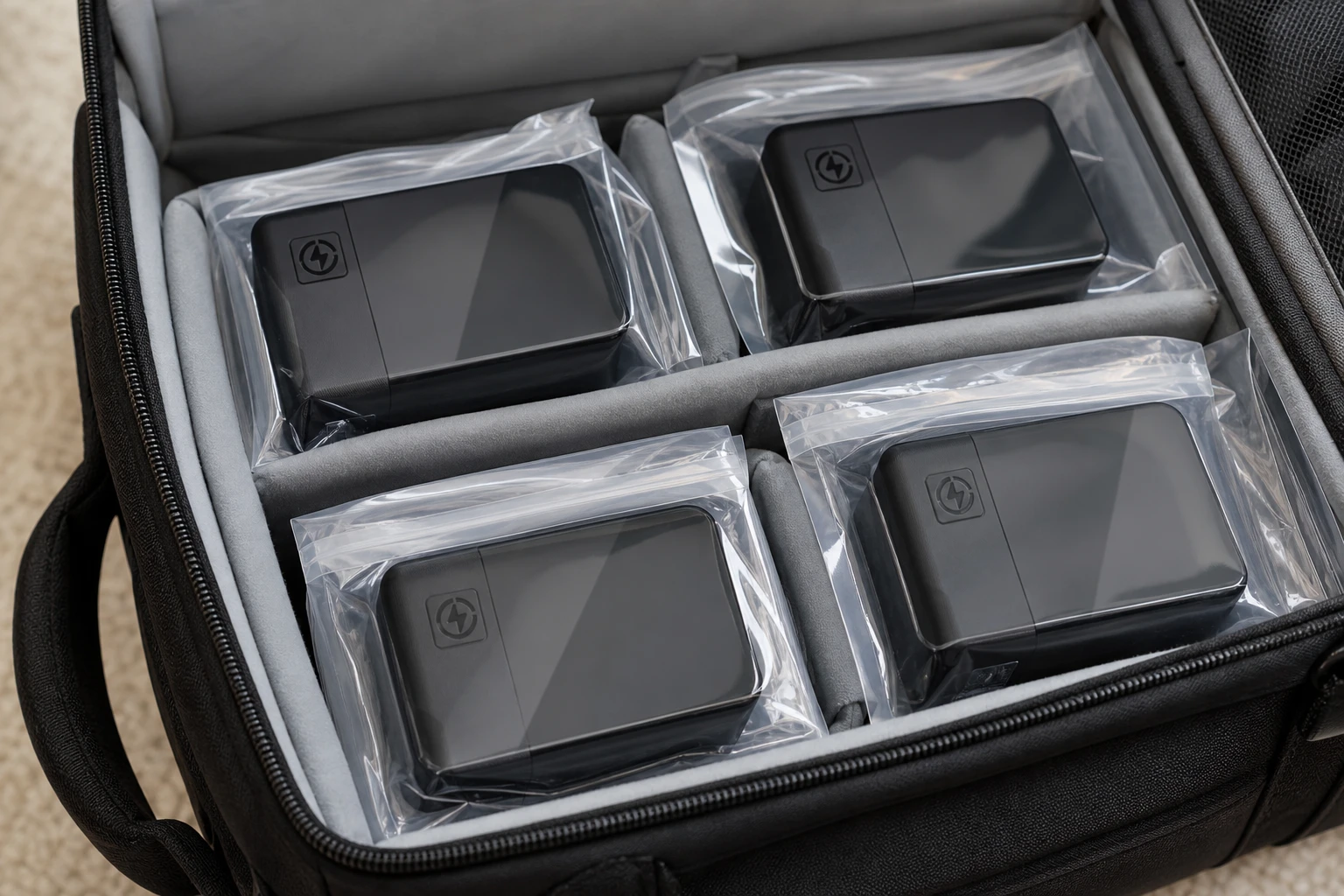
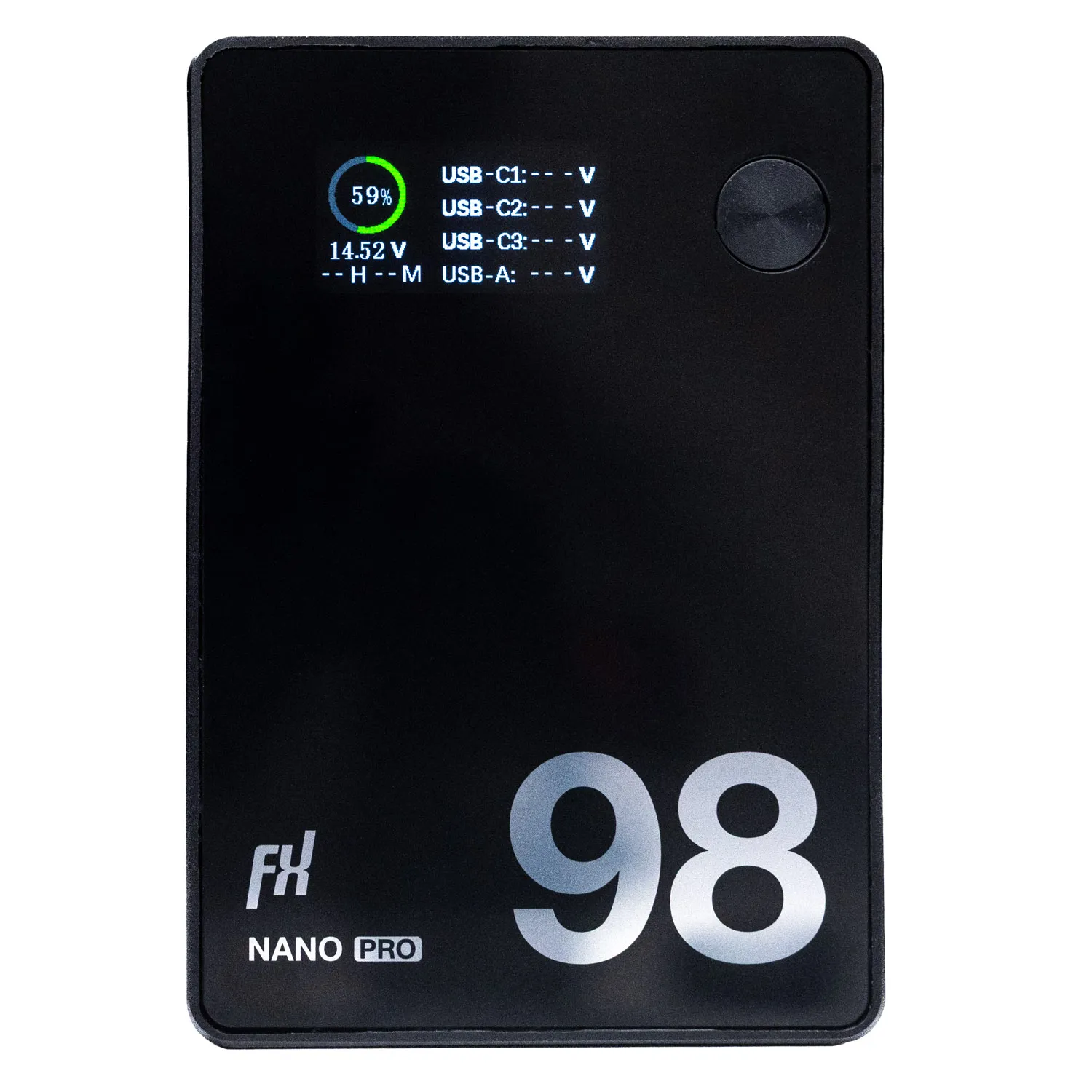
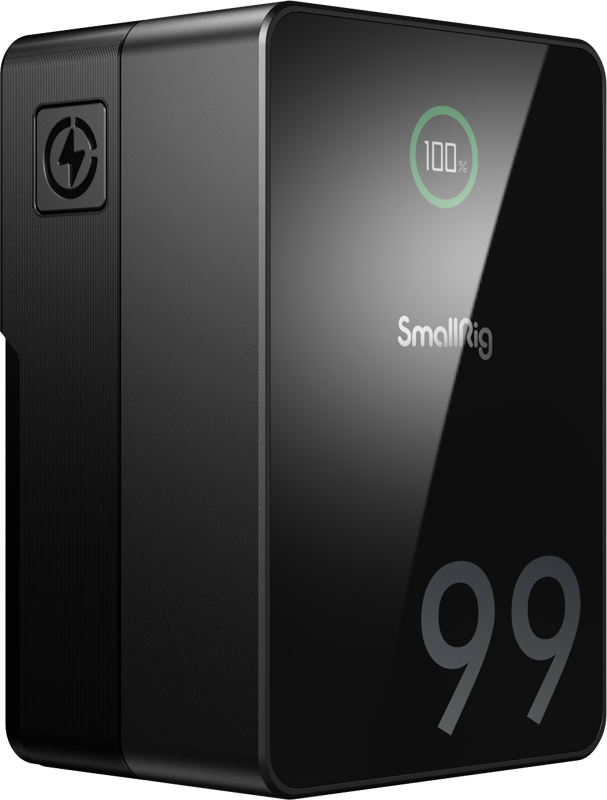
When building a travel rig, we always recommend powering your camera with sub-100Wh V-mount batteries. This completely bypasses the need to ask for airline approval. It saves you valuable time and stress at the check-in desk.
Navigating Airport Security and X-Rays
Security agents will likely pull your camera bag aside for manual inspection. Professional video gear looks highly suspicious on an X-ray scanner. Dense blocks of electronics, tangled cables, and heavy metal housings block the scanner’s view.
Pack your bag with inspections in mind. Group loose cables into clear pouches. Organize your accessories so the main camera body is easy to see. If a security agent asks you to remove your camera, you should be able to lift it out without unpacking the entire bag.
If you shoot on analog formats, be highly cautious of modern airport security scanners. New CT scanners can severely damage undeveloped film. Always carry your film stock in a clear bag and politely request a hand inspection from the security staff.
Choosing the Right Cases for Travel
A successful shoot abroad often requires two layers of protection. You need one case to survive the flight and another bag to work out of on location.
If you absolutely must check expensive equipment, only use heavy-duty hard cases. These feature crushproof outer shells and custom foam interiors. Standard travel suitcases will not absorb the heavy impacts of baggage carousels.
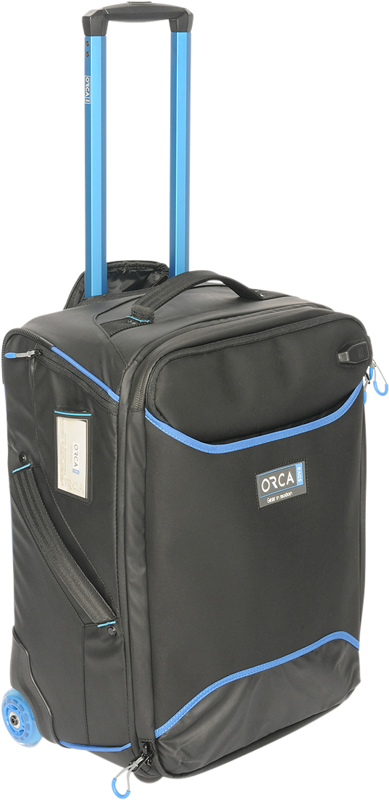
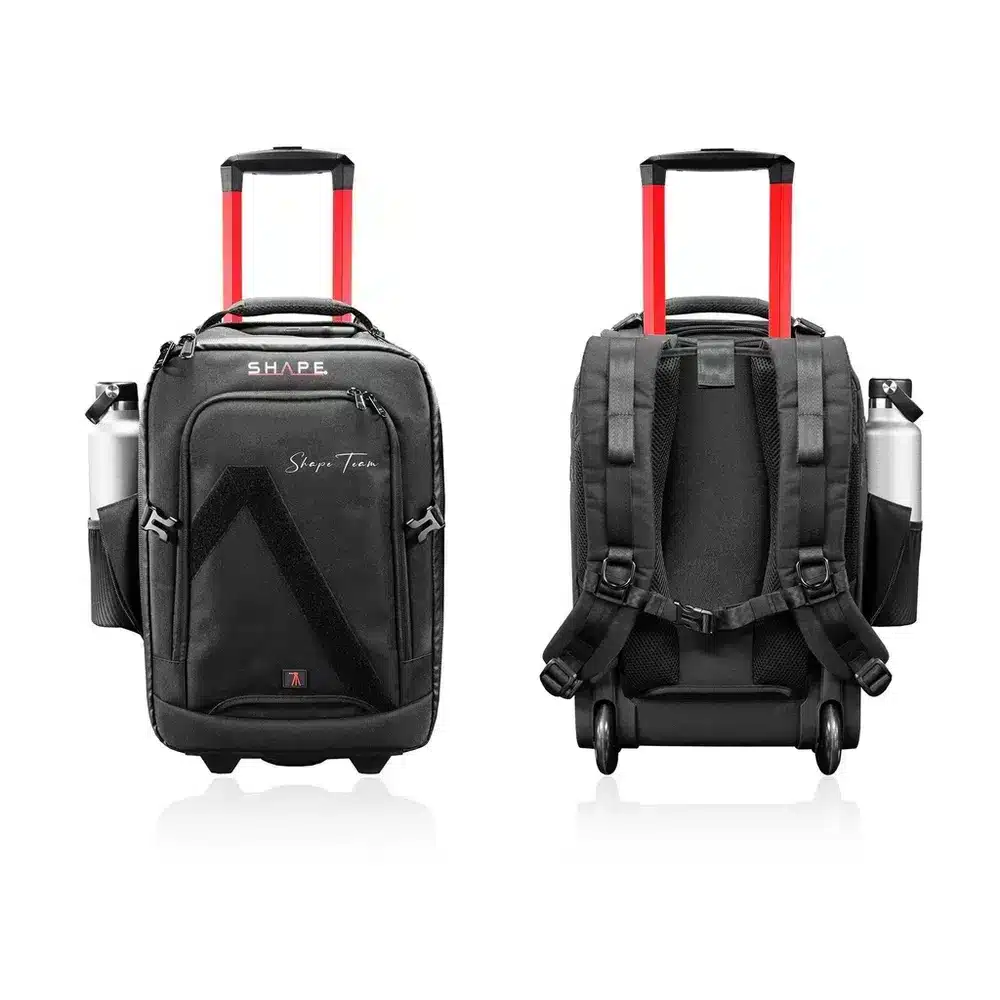
For your carry-on items, you need versatility. A rolling bag is excellent for gliding through the terminal. However, it becomes a physical burden on location if you encounter cobblestone streets, dirt paths, or steep stairs. We recommend rolling cases that feature integrated, hideaway backpack straps.
Once you arrive at your hotel, you likely will not want to drag a rigid travel roller to set every day. Pack a lightweight, collapsible soft bag flat inside your checked luggage. You can then transfer your assembled rig into this compact bag for daily shooting.
-
 Soft bags
ORCA OR-16 Rolling Camera Bag w Integrated Backpack System
€ 542.80€ 673.07 (incl. VAT) -
 Soft bags
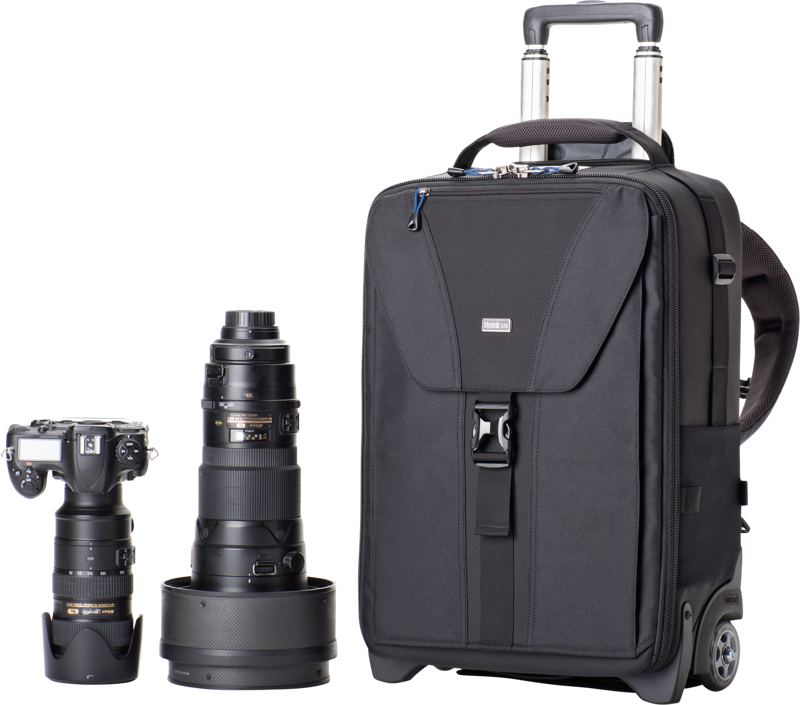
THINK TANK Airport TakeOff V2.0, Black
€ 342.00€ 424.08 (incl. VAT) -
 Soft bags
SHAPE Rolling Camera Bag Backpack
€ 305.63€ 378.98 (incl. VAT)IN STOCK -
 Soft bags
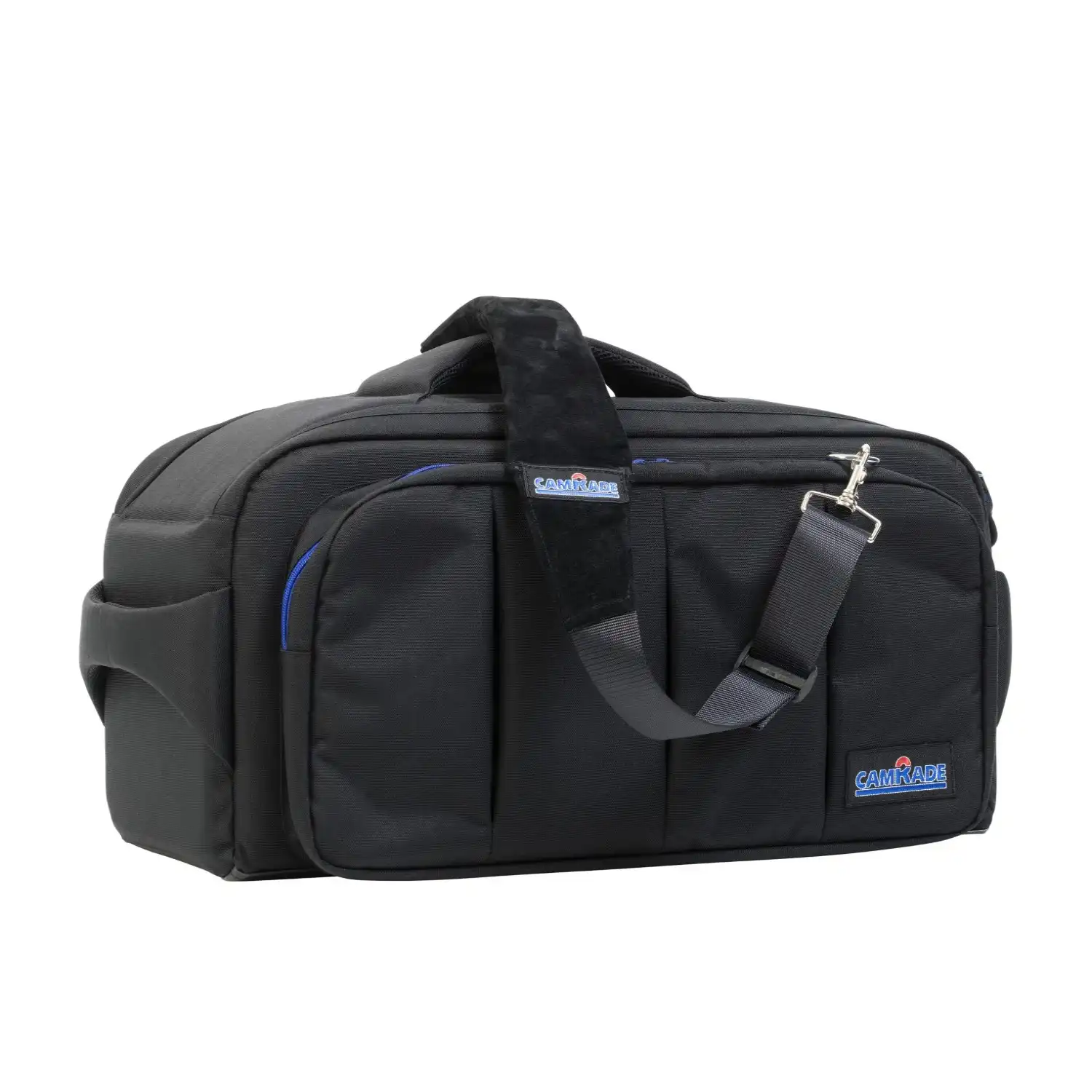
CAMRADE run&gunBag Large
€ 199.00€ 246.76 (incl. VAT)IN STOCK
Key Takeaways
- Never put primary camera bodies, expensive lenses, or spare lithium-ion batteries in checked baggage.
- Buy batteries under 100Wh to avoid needing special airline approval before your flight.
- Tape your battery terminals or pack them in individual pouches to comply with short-circuit regulations.
- Assume your bag will be manually searched and pack neatly so security agents can access your camera easily.
- Use airline-compliant rolling cases for the flight and pack a collapsible soft bag for daily use on location.
Need help preparing your gear for an upcoming international shoot? Browse our selection of flight-ready bags and compliant power solutions, or contact our support team for professional advice on building a travel-safe rig.