How to Choose Camera Straps and Harnesses for Long Shoots
Carrying a camera rig for twelve hours takes a heavy physical toll. Holding a rig at arm’s length multiplies lower-back strain up to five times compared to holding it close to your chest. Official guidance in the HSE Manual Handling Regulations highlights how leverage affects physical stress. Without proper support, constant muscle tension leads to quick fatigue.
In our experience, physical fatigue directly ruins shot quality. Tired arms shake, composition slips, and reaction times slow down. Selecting the right strap or harness keeps your rig stable, protects your body, and ensures fast camera access when key moments happen.
The Ergonomics of Carrying Video Gear
Video camera rigs are usually front-heavy. Lenses, monitors, wireless units, and top handles pull the center of gravity forward. When weight shifts away from your body, your back and neck muscles work constantly to overcompensate. Research from CCOHS on Musculoskeletal Disorders shows that sustained muscle contractions cause long-term pain and fatigue.
To stay energized during long production days, you must shift weight off your arms and neck. The goal is to transfer the load onto stronger core areas like your shoulders, chest, and hips.
| Carrying System | Ideal Weight Range | Primary Load Area | Key Advantage |
|---|---|---|---|
| Shoulder Strap | Light (Up to 3 kg) | Neck / One Shoulder | Compact & Fast Setup |
| Cross-Body Sling | Medium (2 kg – 5 kg) | Diagonal Shoulder and Torso | Quick Access & Mobility |
| Chest Harness | Medium-Heavy (3 kg – 8 kg) | Both Shoulders & Chest | High Gear Stability |
| Belt Harness System | Heavy (5 kg+) | Hips & Waist | Maximum Weight Relief |
A good carrying system keeps your gear close to your torso while walking. It also allows smooth movements when you need to record. Using ergonomic straps is just as vital as packing protective video equipment bags for transport.
Shoulder Straps for Lightweight Workflows
Traditional neck straps work well for compact mirrorless cameras, small B-cams, or handheld monitors. A basic strap gives your hands a rest between takes.
However, hanging a camera from your neck puts direct stress on your spine. For video operators, cross-body placement is a safer choice. Wearing a strap diagonally across your chest distributes weight across your back muscles. It also stops your gear from bouncing around when you move.
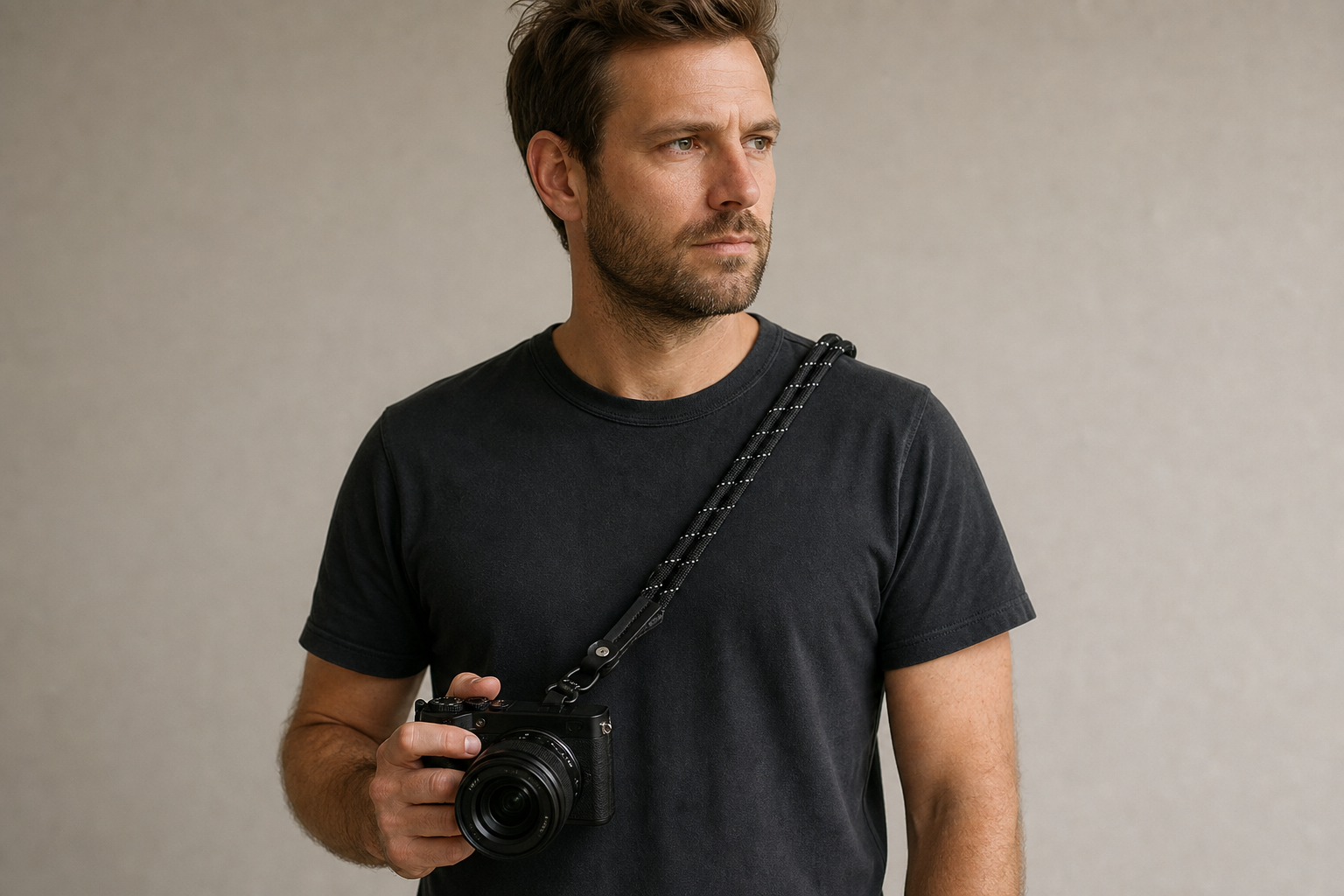
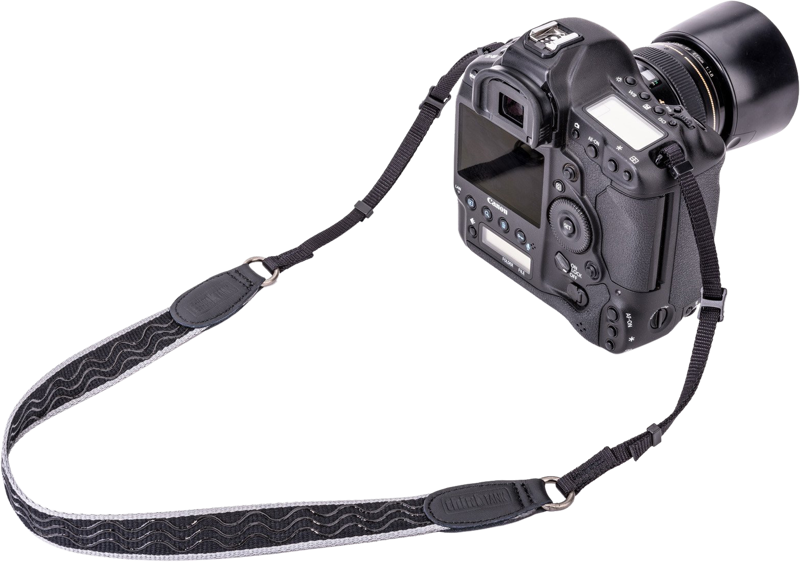
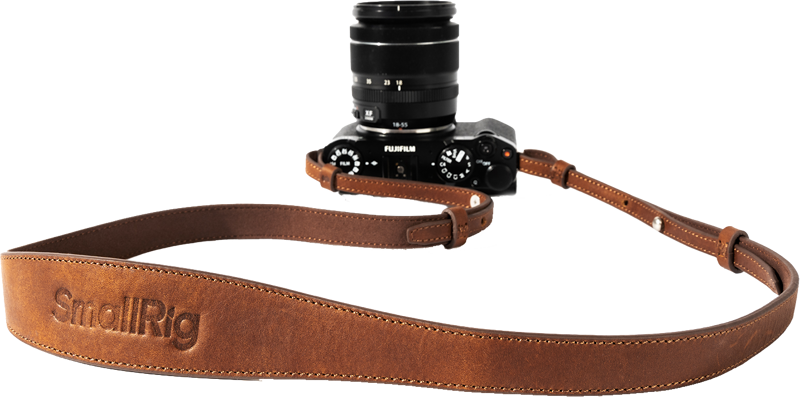
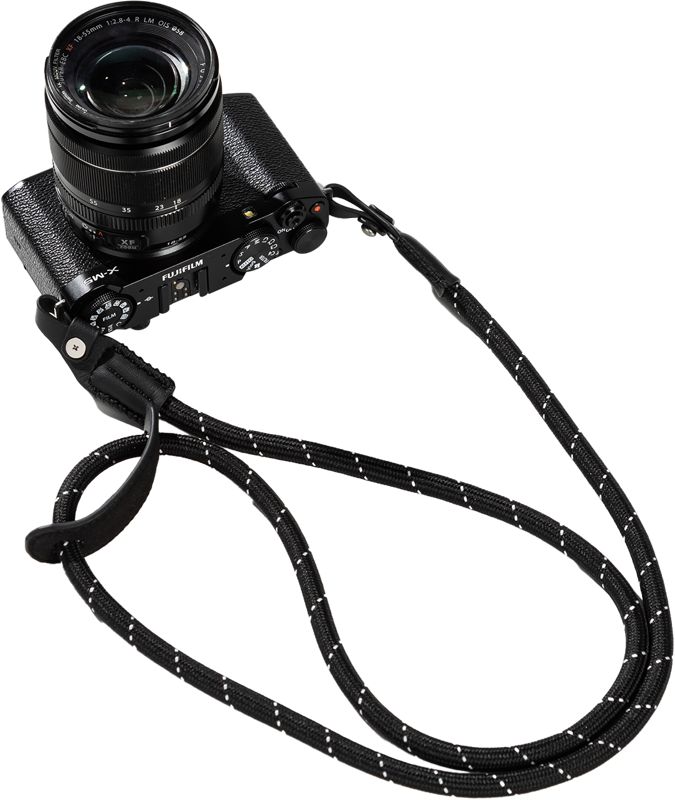
Look for high-density padding, non-slip surfaces, and strong load ratings when choosing a daily strap.
Sling Straps and Gimbal Weight Support
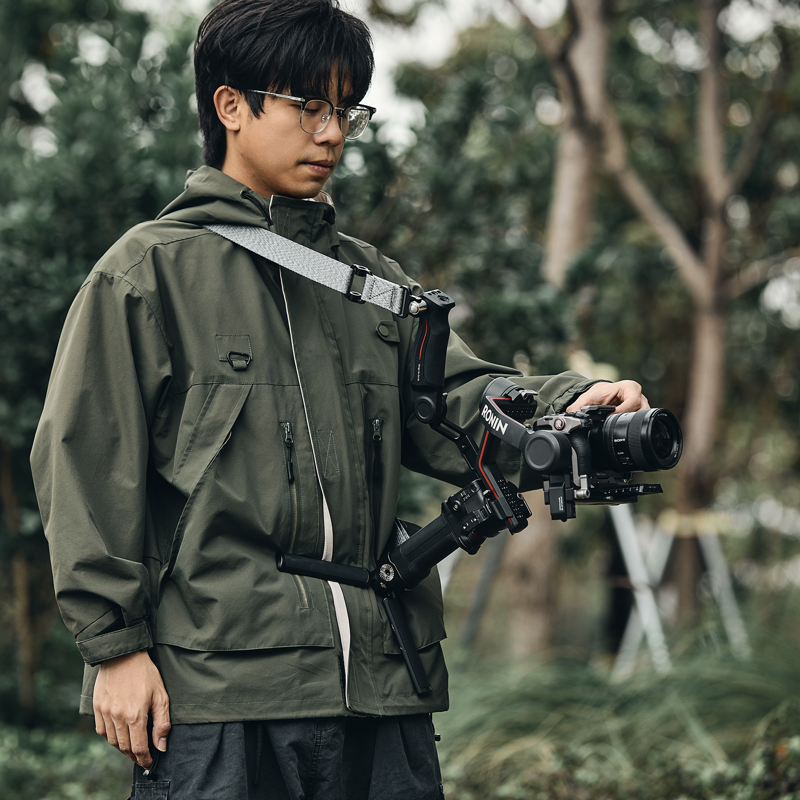
Motorized gimbals produce smooth shot movement, but holding them for hours quickly drains your strength. As your arms tire, your movements become shaky. This ruins the stabilizing effect of your gimbal.
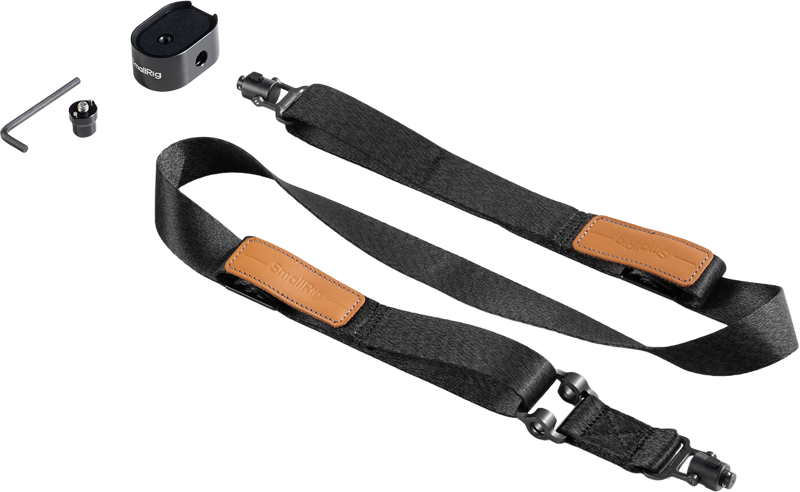
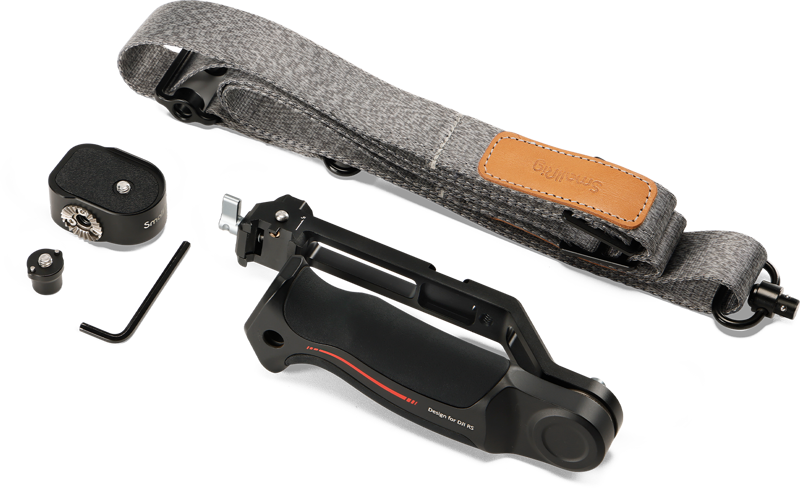
Weight-reducing sling kits solve this issue by connecting your gimbal handle directly to a padded shoulder strap. While holding static shots or waiting between takes, the strap bears the heavy load. When you need to move, you simply lift the gimbal and shoot.
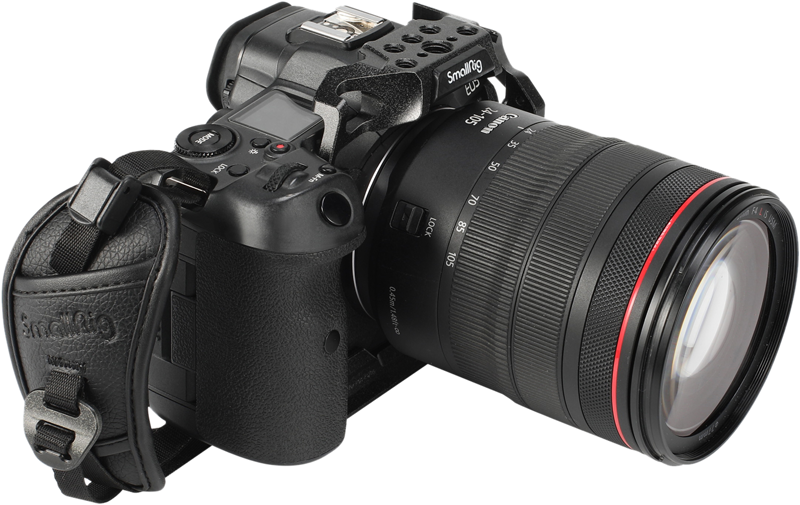
For fast handheld work, pairing a comfortable wrist strap with your setup provides drop protection without blocking top buttons or cage accessories.
-
 Straps
SMALLRIG 5362 Shoulder Strap for DJI Stabilizers Black
€ 47.12€ 58.43 (incl. VAT) -
 Straps
SMALLRIG 4383B Sling Handle with Weight-Reducing Shoulder Strap Kit for DJI RS 2, 3, 3Pro, 4, 4Pro
€ 99.92€ 123.90 (incl. VAT) -
 Straps
SMALLRIG 4118B Shoulder Strap for DJI RS 4 / RS 4 Pro / RS 3 / RS 3 Pro / RS 2 Stabilizers
€ 46.32€ 57.44 (incl. VAT)
Chest Harnesses and Belt Systems
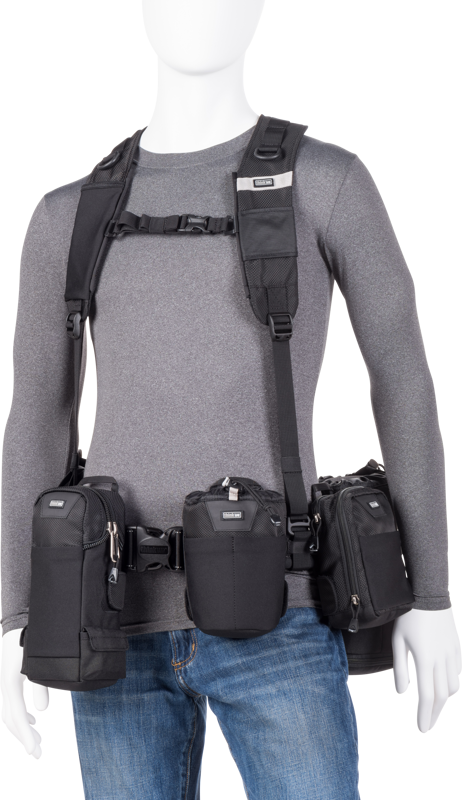
When operating heavy camera packages or dual setups, shoulder straps are not enough. Chest harnesses and modular belt systems distribute gear weight evenly across your torso and waist.
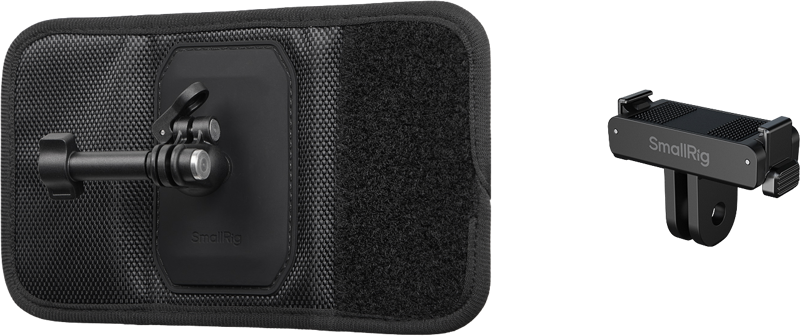
Chest mounts hold your camera tight against your chest center. This alignment reduces leverage strain on your lower back. It is ideal for hands-free action shots, outdoor work, or moving between locations.
For operators carrying heavy accessories, utility belts with vertical shoulder support transfer gear weight down to your hips. This design aligns with EU-OSHA manual handling guidelines to prevent fatigue.
How to Match Support Systems to Your Shoot
Choosing the right carrying setup depends on gear weight, shoot duration, and mobility needs.
- Event and Wedding Videography: Fast movement requires quick camera deployment. A cross-body sling or gimbal shoulder strap balances speed with physical relief.
- Documentary and Outdoor Shooting: Chest harnesses and backpack strap mounts keep your hands free on rough terrain. They also keep the camera secured against body sway.
- Studio and Commercial Sets: Harness belts allow you to mount battery packs, receivers, and tools without straining your upper back.
When preparing for travel productions, combine body harness gear with smart packing. Reviewing rules for traveling with video gear on planes ensures your harness belts and battery accessories fit safely into carry-on luggage. For low-angle or vehicle shots where a body harness is impractical, resting your rig on a camera saddle bag eliminates camera shake while keeping your arms fresh.
Key Takeaways
- Holding camera gear away from your body multiplies strain on your lower back.
- Cross-body sling straps distribute weight far better than traditional neck straps for lightweight rigs.
- Gimbal shoulder strap kits transfer heavy load from your biceps to your torso.
- Modular harnesses and utility belts shift gear weight onto your hips to prevent long-term neck pain.
Explore our full selection of camera straps and harnesses to protect your body and elevate your production workflow.