Hard Case vs Soft Case: Protecting Your Video Gear
Choosing between a hard case and a soft camera bag is one of the first decisions you face when outfitting a production crew. In our experience, gear damage rarely happens during the shoot itself. It usually happens in transit, when equipment drops, gets squeezed into overloaded trunks, or passes through baggage handlers.
Selecting the right container comes down to balancing protection against speed and mobility. A heavy resin shell protects a cinema camera from a major drop, but it can slow down a solo operator running through an event venue.
Here is how hard cases and soft bags perform in real production environments, and how to choose the right protection for your workflow.
Hard Cases: Maximum Protection for Rough Transit
Hard cases are designed for extreme environments, heavy stack loading, and unmonitored transit. If your gear travels in cargo holds, freight trucks, or open pickup beds, a hard shell is essential. Most professional hard cases are molded from high-impact resin and sealed against environmental threats.
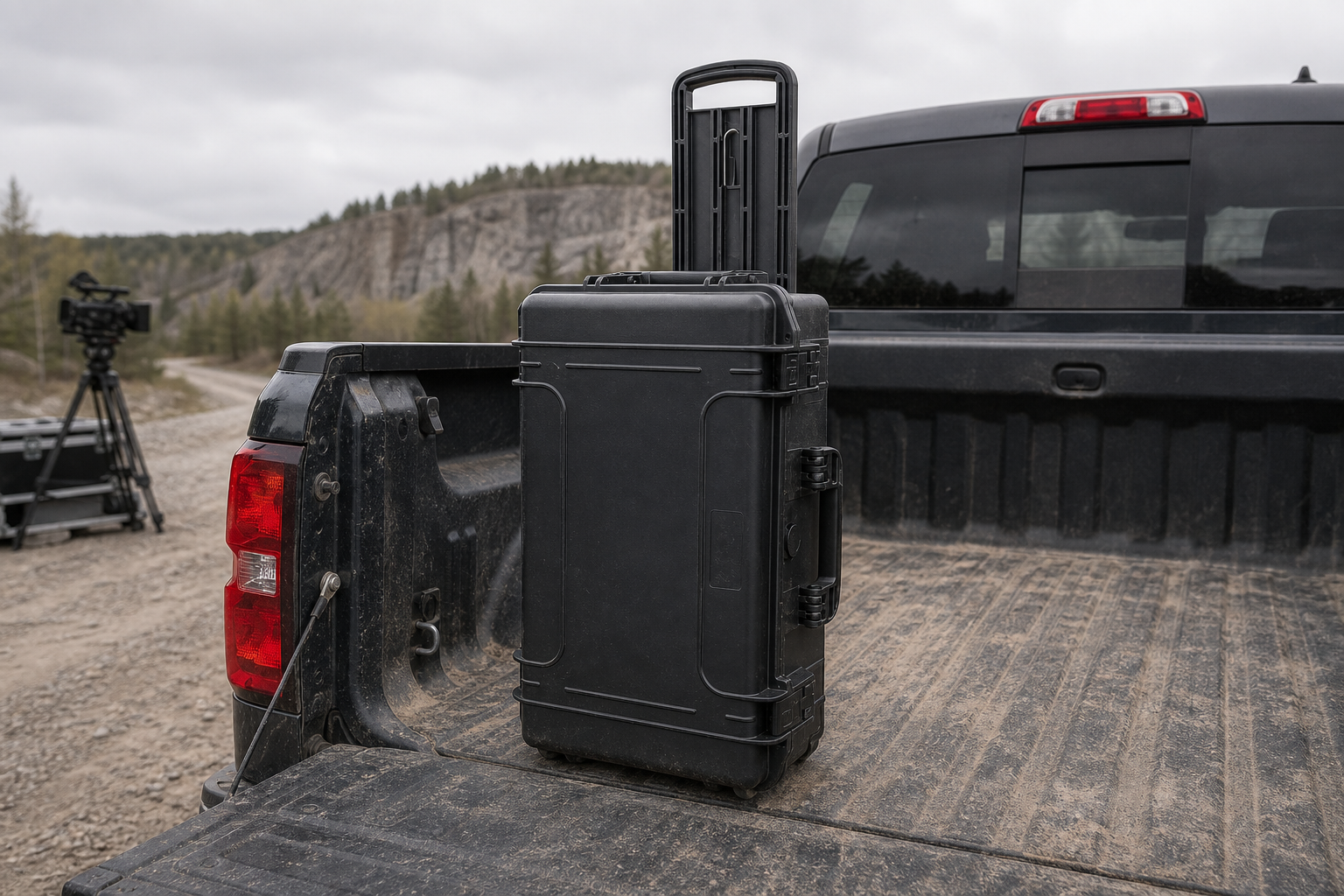
Look for an IEC 60529 IP67 rating, which ensures the case is dust-tight and capable of surviving water immersion up to one meter for 30 minutes.
Key Advantages of Hard Cases
- Crushproof Outer Shell: Hard resin structures handle heavy stacking weight without flexing.
- Weather and Dust Isolation: Watertight seals keep fine dirt, sand, and heavy rainfall off sensitive camera sensors and optics.
- Secure Lock Points: Reinforced padlock loops allow you to lock gear securely during transit or on unmonitored sets.
- Air Travel Durability: High-end hard cases meet ATA Specification 300 Category I standards, meaning they withstand at least 100 round-trip flights.
Drawbacks to Consider
Hard cases add significant weight before gear is loaded. A mid-sized rolling hard case can weigh over 5 kg empty. They also have fixed outer dimensions, making them difficult to wedge into tight vehicles or small overhead bins.
If you need heavy-duty transport, explore our full range of hard cases.
-
 Hard cases
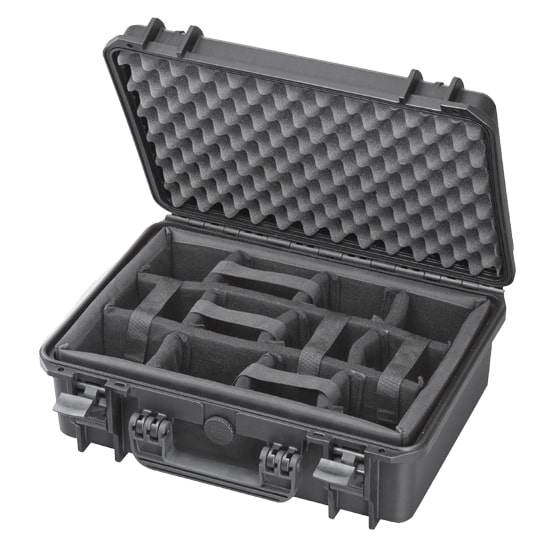
PANARO MAX430CAM waterproof case, black, padded dividers
€ 121.45€ 150.60 (incl. VAT)IN STOCK -
 Hard cases
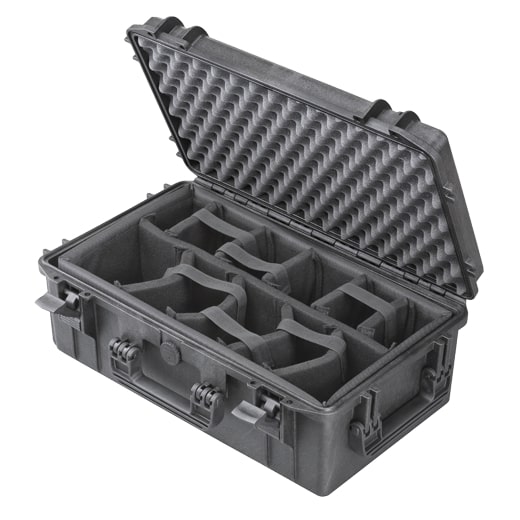
PANARO MAX520CAMTR waterproof case, trolley, black, padded dividers
€ 230.74€ 286.12 (incl. VAT) -
Hard cases
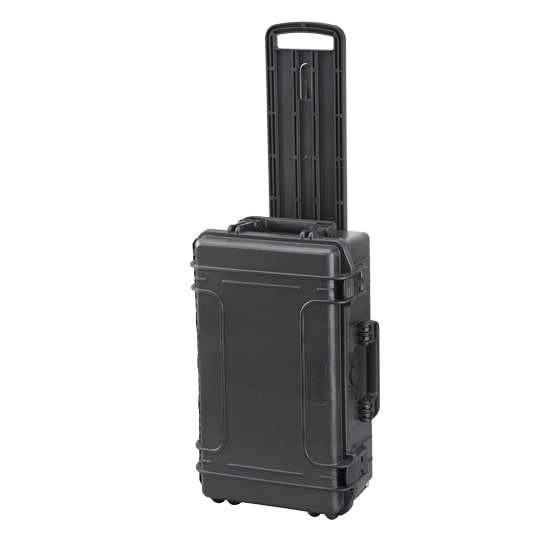
PANARO MAX520STR waterproof case, trolley, black, cubed foam
€ 190.77€ 236.55 (incl. VAT)
Soft Bags: Speed, Ergonomics, and Rapid Deployment
When you operate as a solo shooter or handle live event coverage, setup time is critical. Breaking down a fully rigged camera body into individual components every time you move locations costs valuable minutes.
Soft video bags focus on rapid access and comfortable transport over uneven terrain. They allow you to store mid-sized camcorders or digital cinema cameras with top handles, wireless receivers, and baseplates fully assembled.
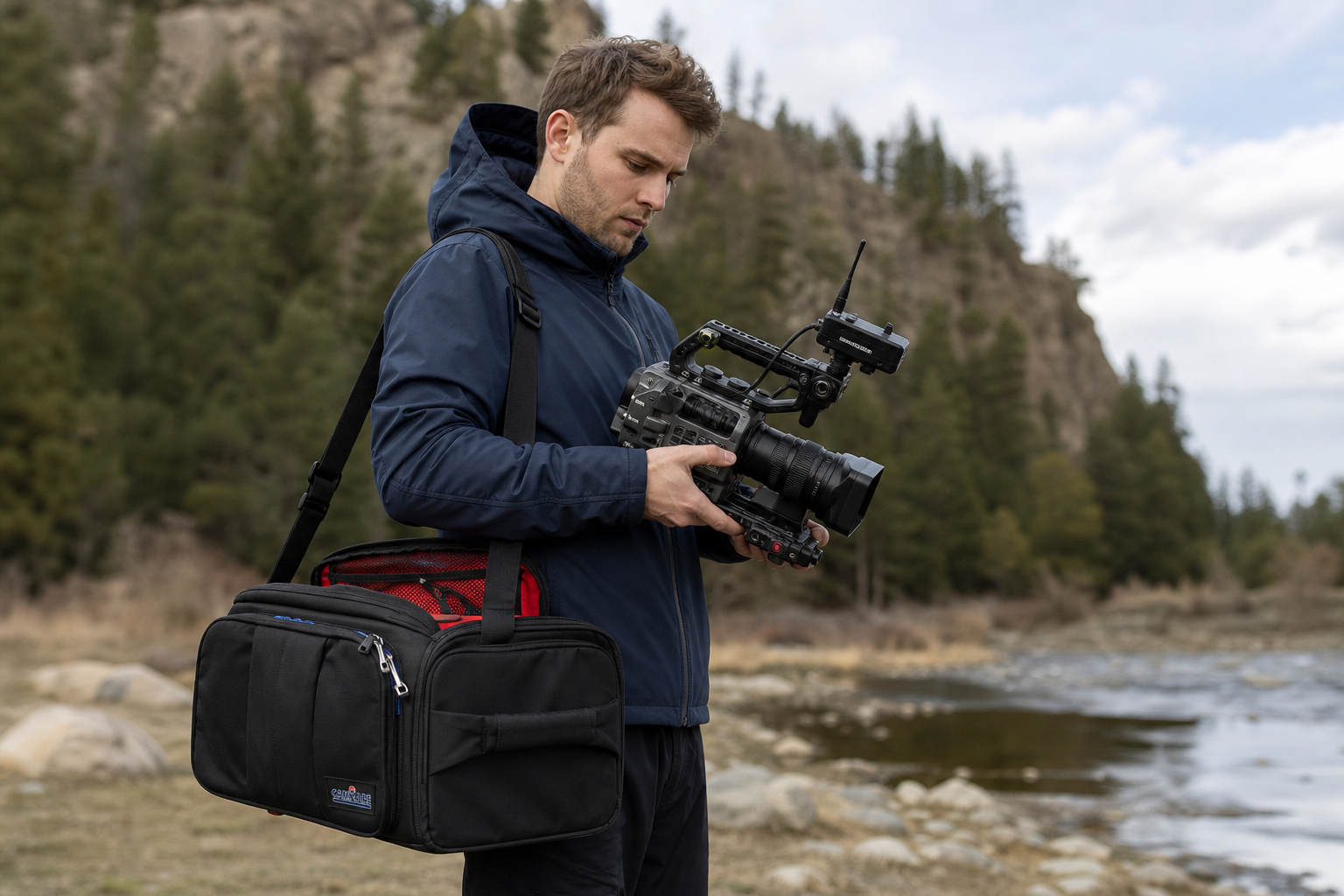
Key Advantages of Soft Cases
- Immediate Shooting Readiness: Deep main compartments let you pull out a fully built camera rig and start recording immediately.
- Ergonomic Mobility: Padded shoulder straps and backpack harnesses allow you to carry gear comfortably across rough terrain or up stairs.
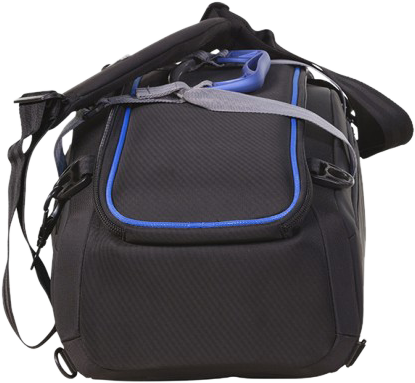
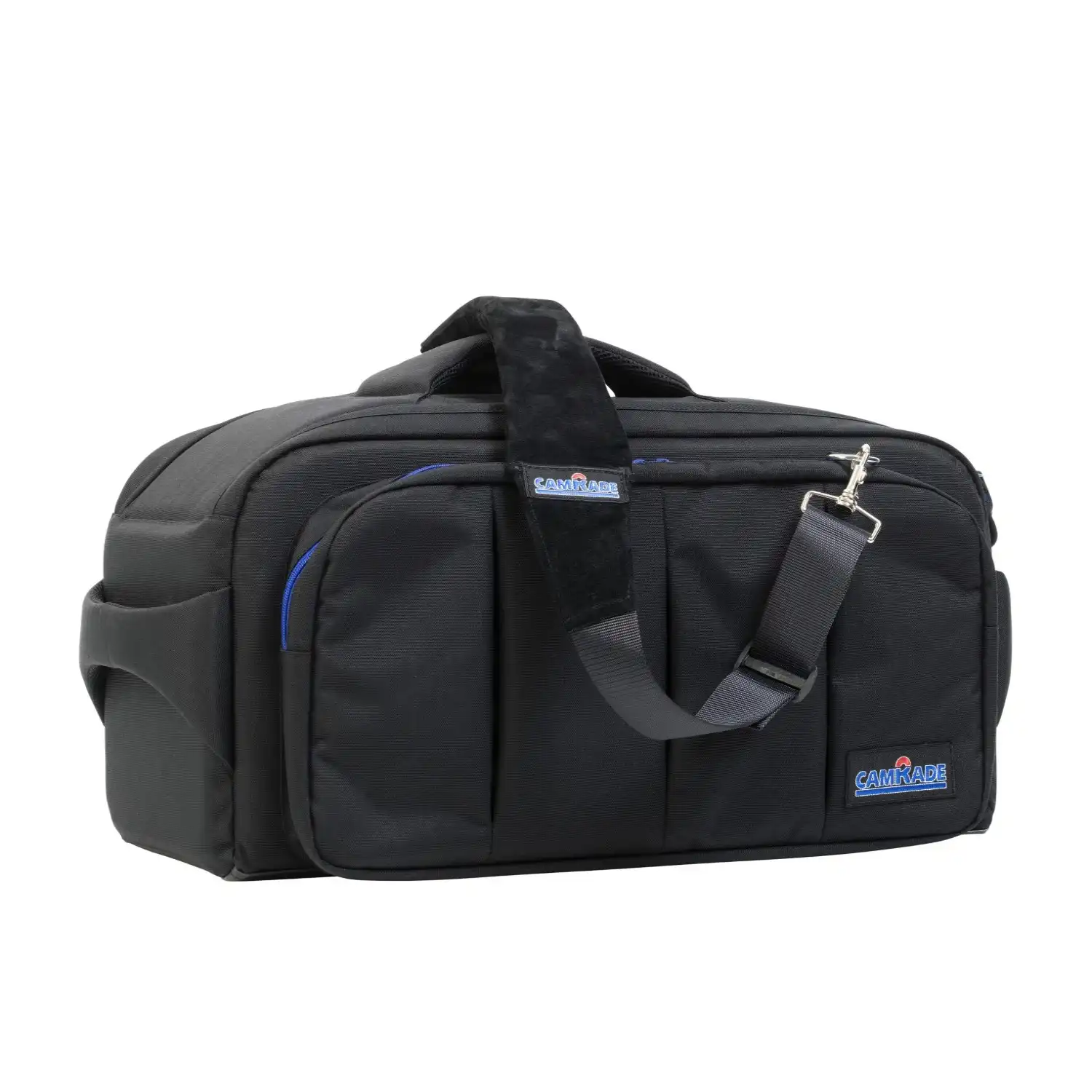
- Lightweight Build: High-denier fabrics like Cordura® keep empty weight to a minimum while offering high tear resistance.
- Flexible Footprint: Soft bags give slightly when squeezed into packed luggage spaces or small car trunks.
Drawbacks to Consider
Soft bags rely on foam padding rather than a rigid exterior frame. While quality bags protect against everyday bumps, they cannot prevent crushing damage if heavy lighting stands or grip gear fall on top of them.
For fast-paced production work, browse our collection of soft bags.
Navigating Airline Regulations and Flying with Gear
Air travel introduces strict logistical limits for video crews. We have seen production schedules disrupted because an operator packed critical camera bodies into checked luggage that arrived late or damaged.
Always bring your primary camera bodies, valuable lenses, and critical media cards into the cabin as carry-on luggage. Heavy stands, grip gear, matte boxes, and cables can safely travel in checked cargo inside heavy-duty cases.
Lithium-Ion Battery Restrictions
Airline safety regulations strictly govern spare camera batteries. The FAA lithium battery regulations prohibit loose spare lithium-ion batteries in checked cargo. Keep these rules in mind when packing:
- Under 100 Wh: Allowed in carry-on baggage without quantity limits.
- 101 Wh to 160 Wh: Allowed in carry-on baggage with airline approval, typically limited to two spare units per passenger.
- Checked Baggage: Prohibited. If your carry-on bag is checked at the gate, you must remove all spare batteries and bring them into the cabin.
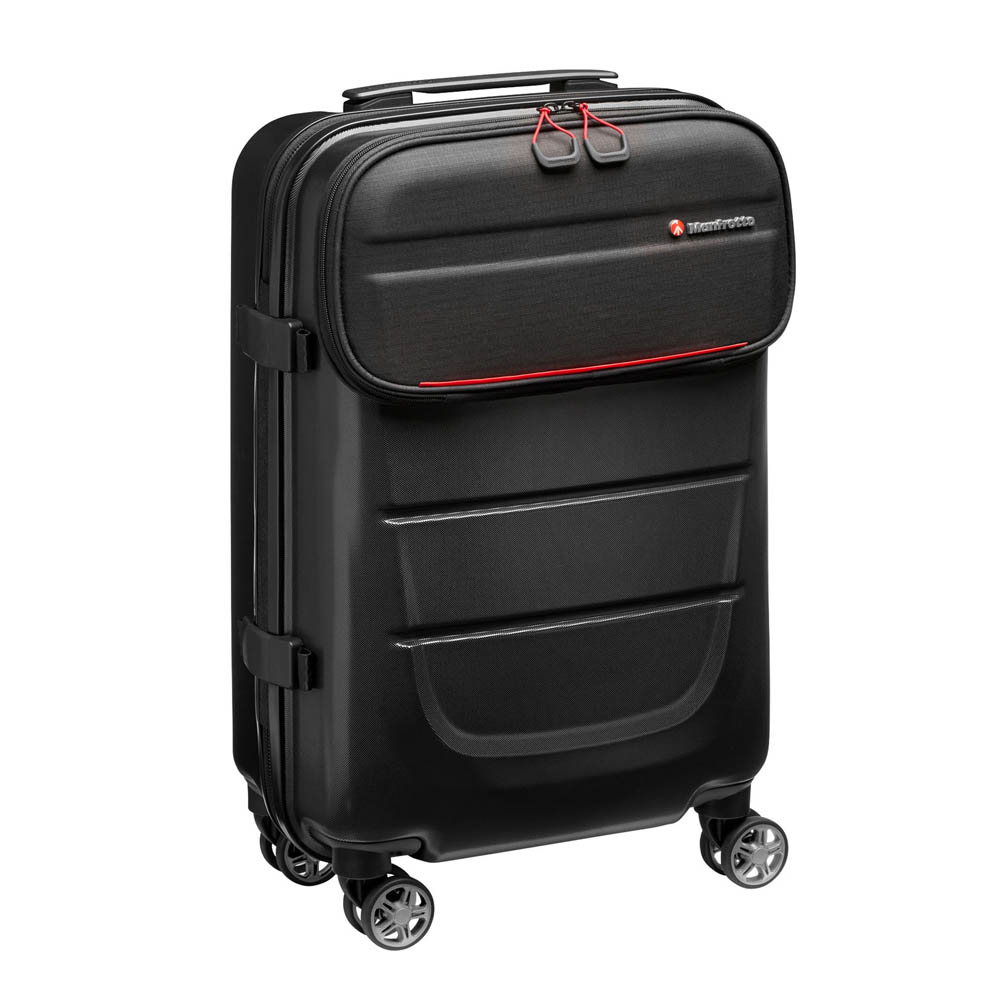
Using rolling carry-on bags designed to meet airline overhead dimensions ensures your gear remains by your side. For a complete strategy on flying with equipment, read our guide on traveling with video gear on a plane.
-
 Hard cases
Manfrotto Pro Light Reloader Spin-55 Carry-On Camera Roller Bag
€ 322.49€ 399.89 (incl. VAT) -
 Soft bags
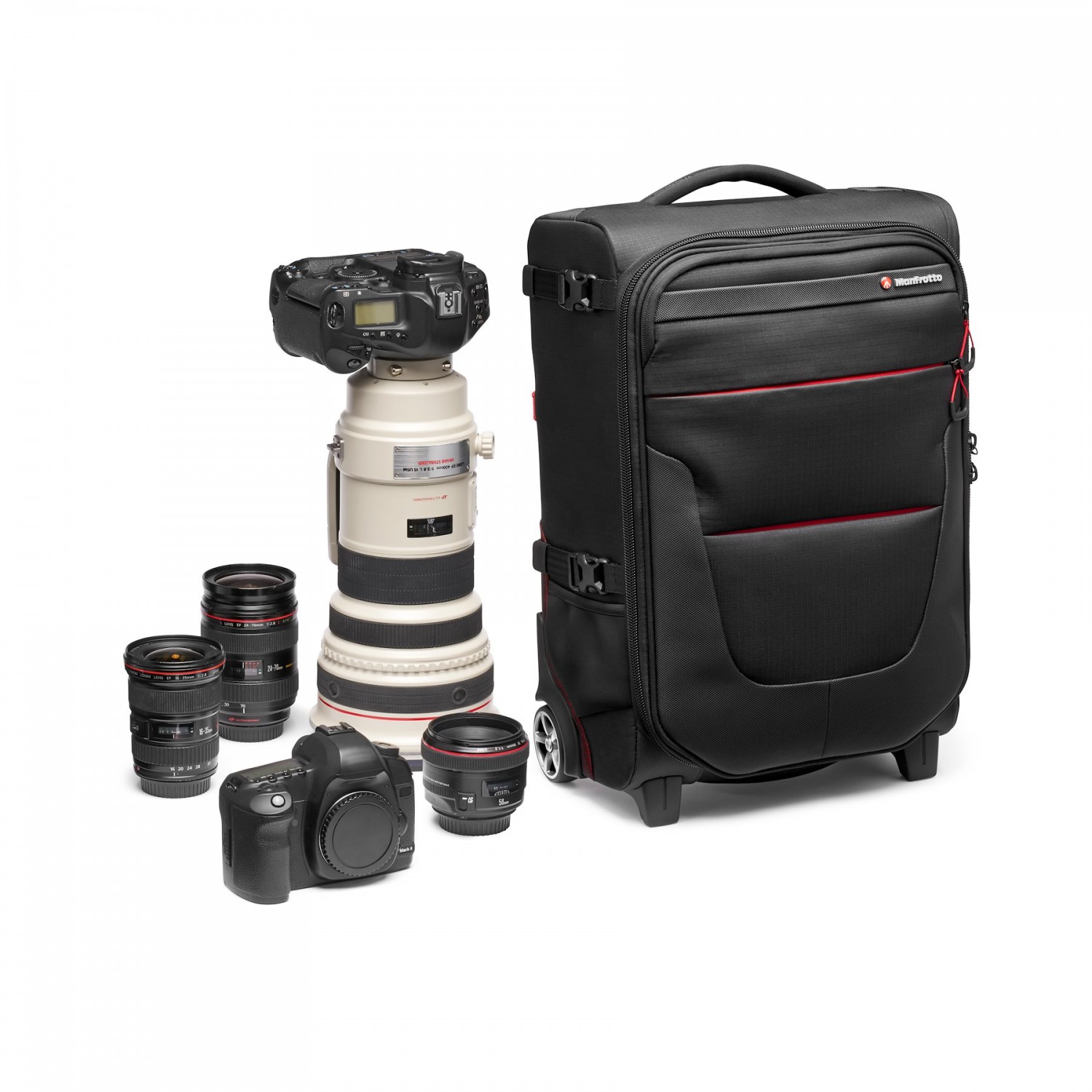
Manfrotto Pro Light Reloader Air-55 carry-on camera roller bag
€ 295.31€ 366.18 (incl. VAT) -
 Soft bags
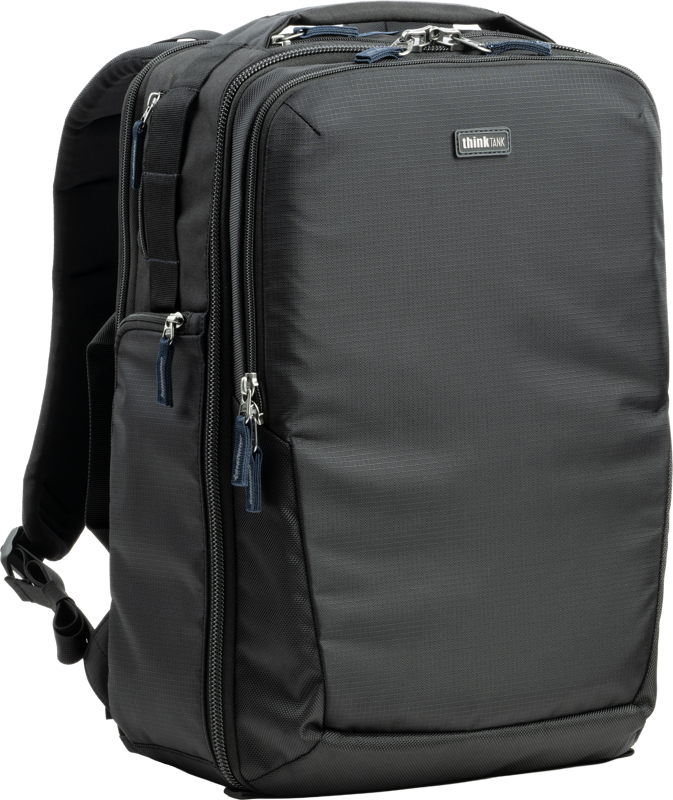
THINK TANK Airport Essentials Backpack, 26L Black
€ 187.58€ 232.60 (incl. VAT) -
 Soft bags
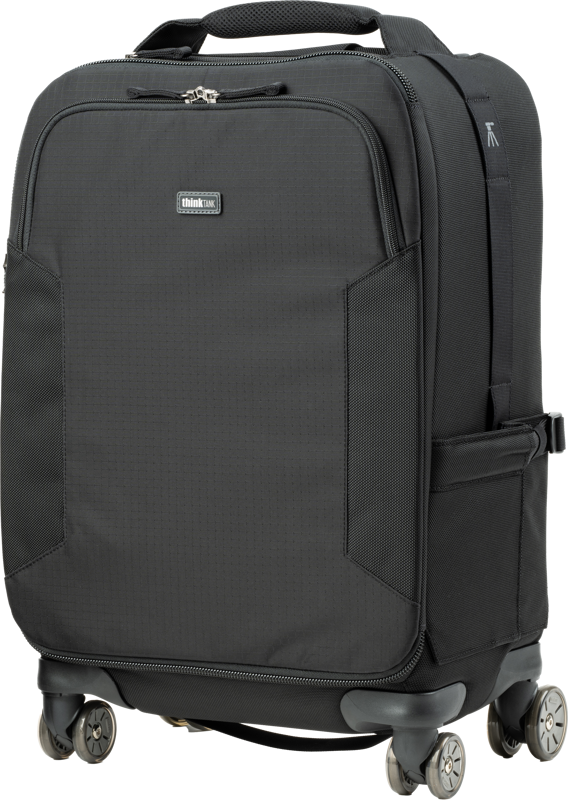
THINK TANK Airport Roller Derby V2.0
€ 309.65€ 383.97 (incl. VAT) -
Soft bags
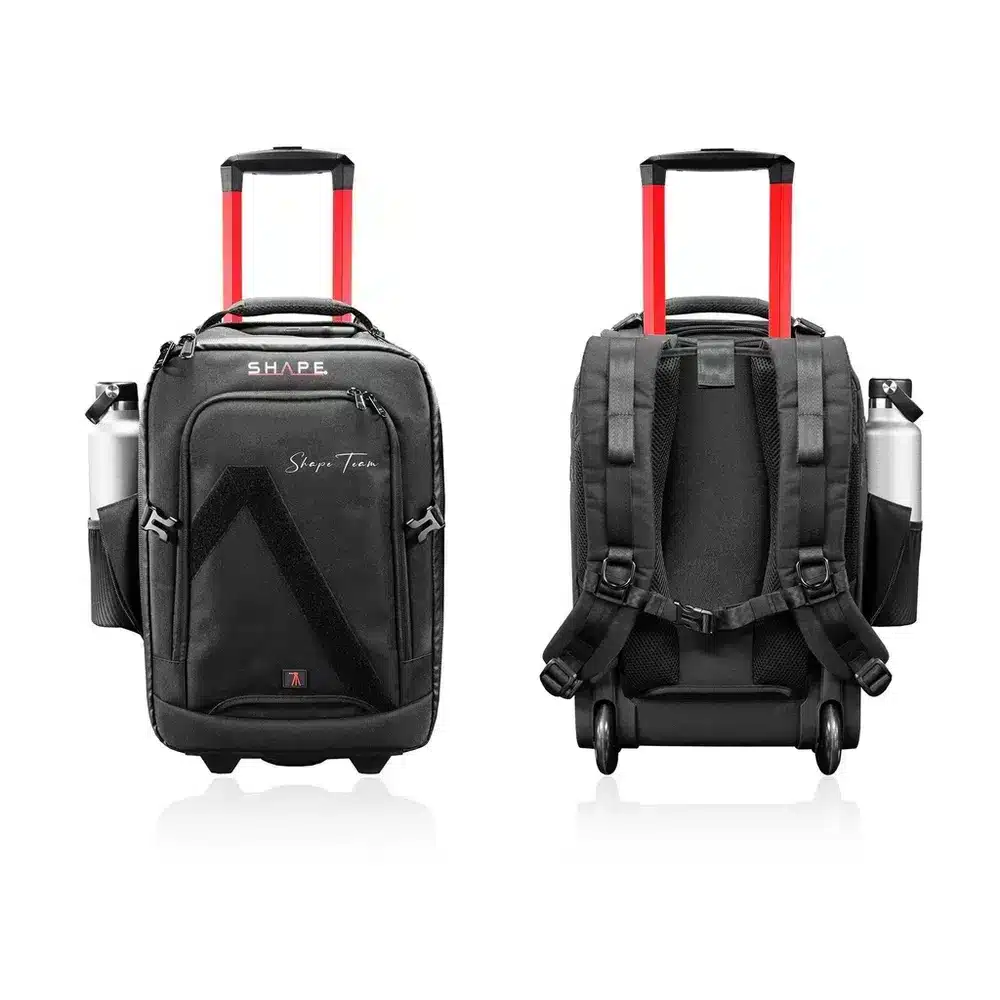
SHAPE Rolling Camera Bag Backpack
€ 305.63€ 378.98 (incl. VAT)IN STOCK
Hard Case vs. Soft Case Feature Comparison
Evaluating protective options side by side helps clarify which solution fits your handling requirements:
| Feature | Hard Cases | Soft Bags |
|---|---|---|
| Primary Protection Style | Rigid shell impact and crush resistance | Shock-absorbing foam and fabric shielding |
| Environmental Sealing | IP67 dustproof and waterproof | Water-resistant fabrics with rain covers |
| Gear Readiness | Usually requires partial rig teardown | Accommodates fully assembled camera rigs |
| Checked Cargo Suitability | High (ATA 300 rated options) | Low (Carry-on or hand-carry only) |
| Empty Weight | Moderately heavy to heavy | Lightweight |
| Transport Options | Wheels, top and side drag handles | Backpack straps, shoulder slings, handles |
How to Choose the Right Protection Strategy
We recommend choosing your protection based on your primary transport method rather than personal preference alone:
- Choose a Hard Case if: You ship equipment via freight, check cases into aircraft cargo holds, or work in wet, dusty outdoor locations where gear sits exposed to the elements.
- Choose a Soft Bag if: You work live events, shoot documentaries solo, or need to carry fully built camera setups on foot all day.
- Use a Hybrid Strategy for Long Travel: Fly with gear secured in heavy-duty rolling cases. Once on location, transfer your built camera setup into a lightweight soft bag or run-and-gun pack for daily field work.
Explore our full selection of camera transport solutions to match your shoot requirements, or read our overview on choosing a video equipment bag for broader setup tips.
Key Takeaways
- Hard cases offer maximum protection: Choose watertight, IP67-rated hard cases for checked airline baggage, freight shipping, and extreme environmental exposure.
- Soft bags optimize operational speed: Select padded soft bags when deploying fully built camera rigs quickly during run-and-gun or live event shoots.
- Follow airline battery safety laws: Keep primary camera bodies and all spare lithium-ion batteries in carry-on baggage to comply with safety regulations.
- Combine case styles on location: Transport gear over long distances in rigid cases, then operate locally out of lightweight bags to maximize speed and protection.
Need help building the ideal transport setup for your camera package? Contact our technical team today for expert advice tailored to your production workflow.