Selecting High-Accuracy Audio Monitoring Headphones
When you record audio on location or mix a broadcast feed, you must trust what you hear. Consumer headphones flatter the sound with boosted bass and scooped midrange frequencies. This false picture leads to poor mix decisions that fail when played on other systems.
We have seen production crews waste hours fixing poorly translated audio in post-production simply because they monitored with the wrong tools. You need high-accuracy monitoring headphones built for true sound fidelity, effective isolation, and long-term comfort.
Whether you manage an acoustic studio space or record audio in a noisy environment, selecting the right headphone design is the first step to securing reliable audio.
Closed-Back vs. Open-Back: Match the Tool to the Task
Professional headphones generally fall into two acoustic categories. Choosing between them dictates how well you isolate external noise and how accurately you perceive stereo width.
| Headphone Type | Acoustic Design | Primary Use Cases | Key Advantage |
|---|---|---|---|
| Closed-Back | Sealed ear cups | Tracking, field recording, live sound | Blocks external noise and prevents microphone bleed. |
| Open-Back | Vented ear cups | Mixing, mastering, critical listening | Natural, speaker-like stereo image with less listening fatigue. |
Authoritative pro-audio guides agree that closed-back headphones are essential for tracking and recording. Because their sealed cups keep sound from escaping, they prevent your monitor mix from bleeding into live microphones.
Open-back models vent sound out into the room. This venting eliminates pressure buildup and produces a highly accurate frequency response. You should reserve open-back models for quiet, controlled studios when you want to refine EQs or reduce echo when recording audio tracks in post-production.
If you can only afford one pair to handle both location tracking and studio mixing, a closed-back model is the most practical starting point. Browse our broad range of headphones and speakers to see different configurations in our local stock.
Top Closed-Back Options for Tracking and Field Work
Isolation is your primary defense against a ruined take. When working near humming generators or talkative crowds, you need high passive noise reduction.
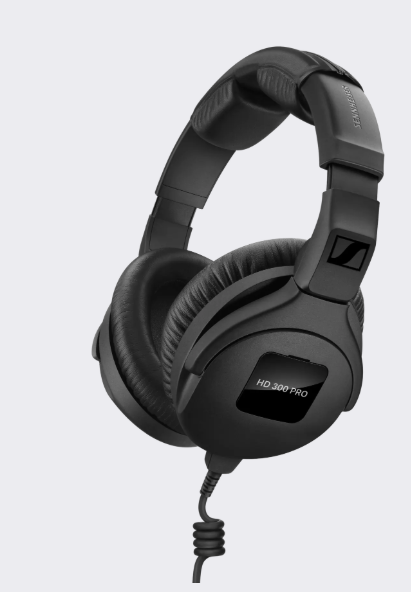
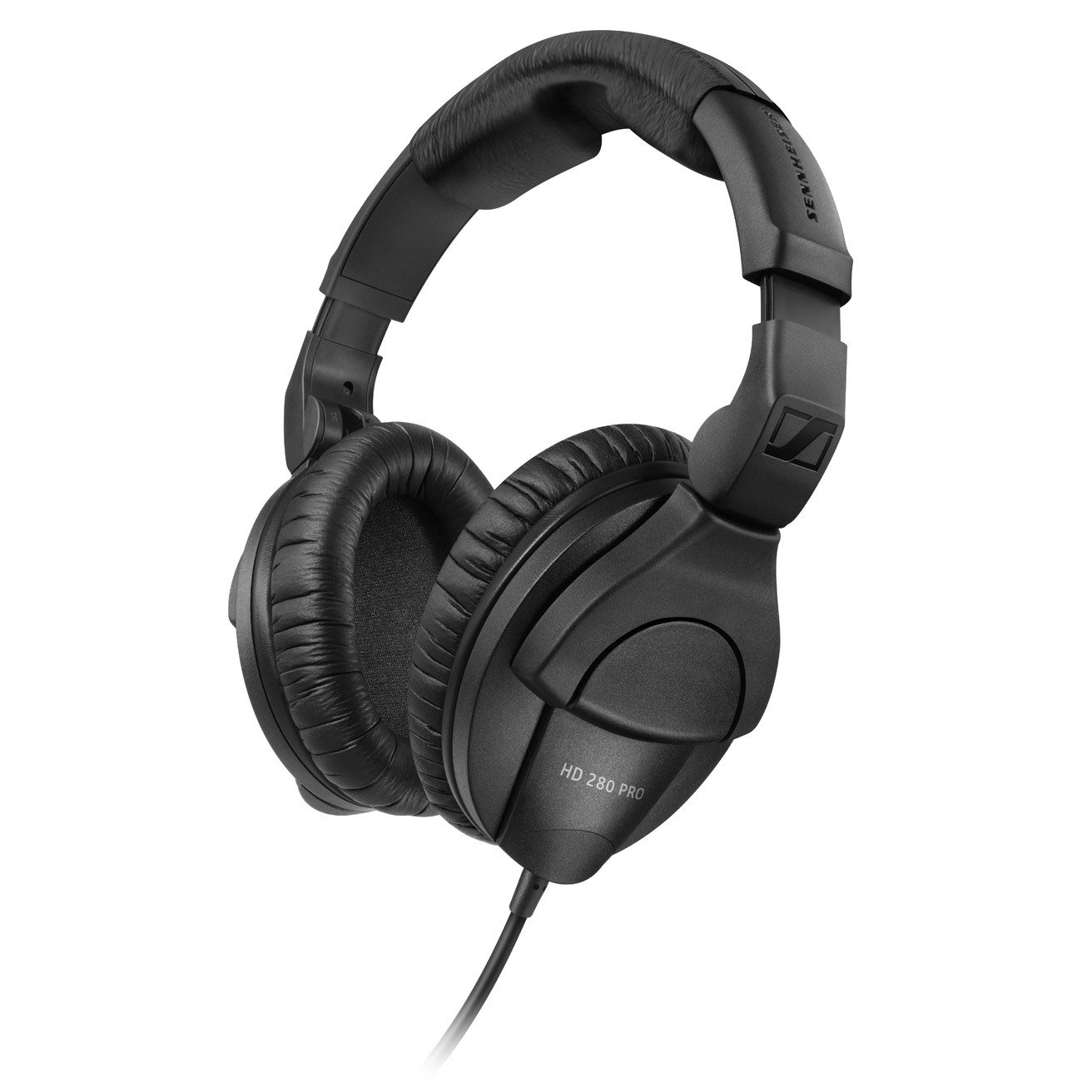
The Sennheiser HD 280 PRO and HD 300 PRO are professional standards for high-noise areas. They offer up to 32 dB of external noise attenuation. This aggressive isolation ensures you hear subtle preamp hiss before you hit record.
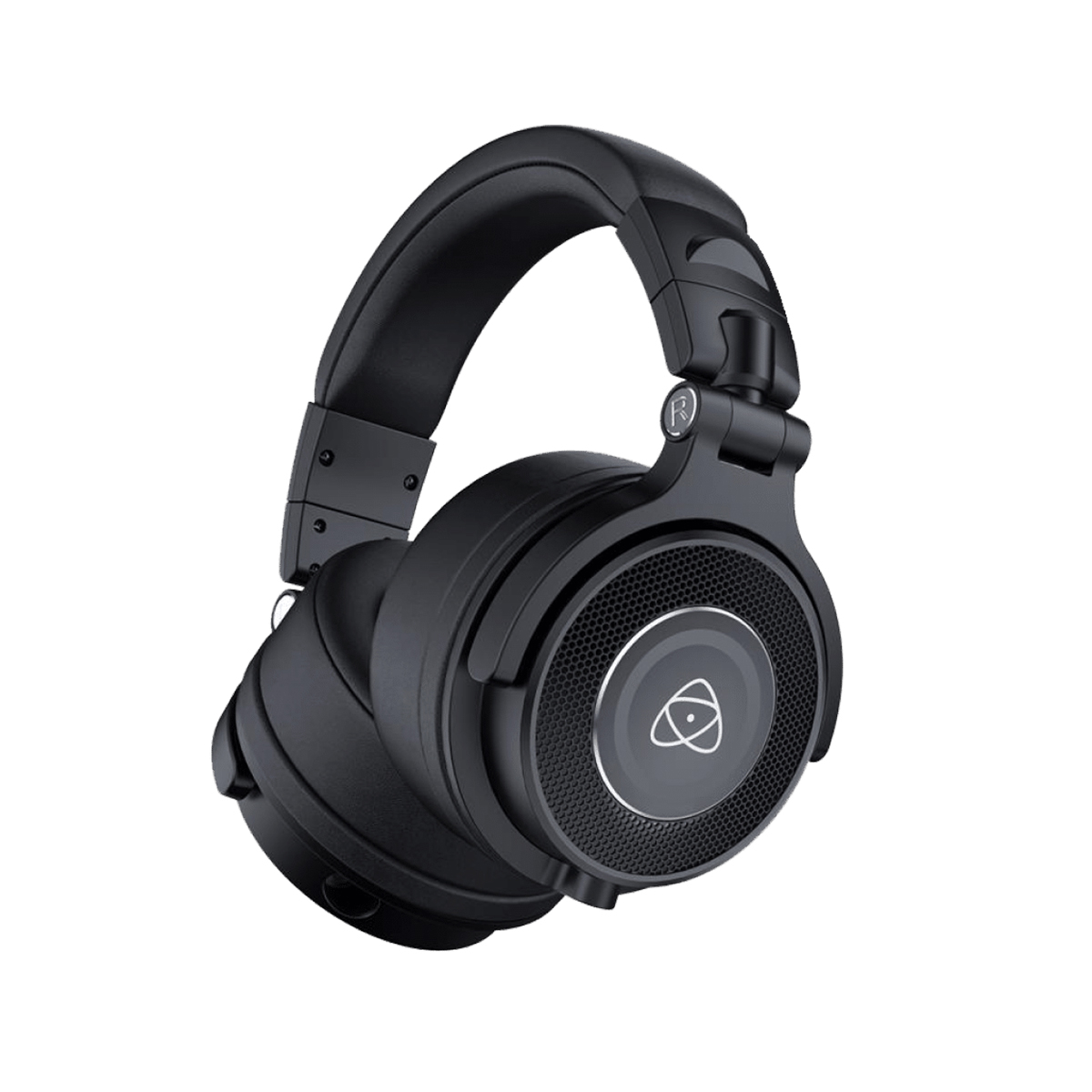
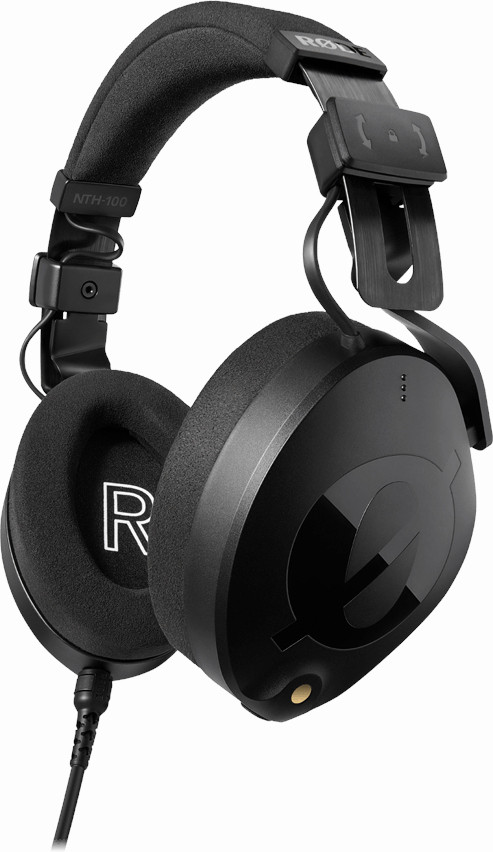
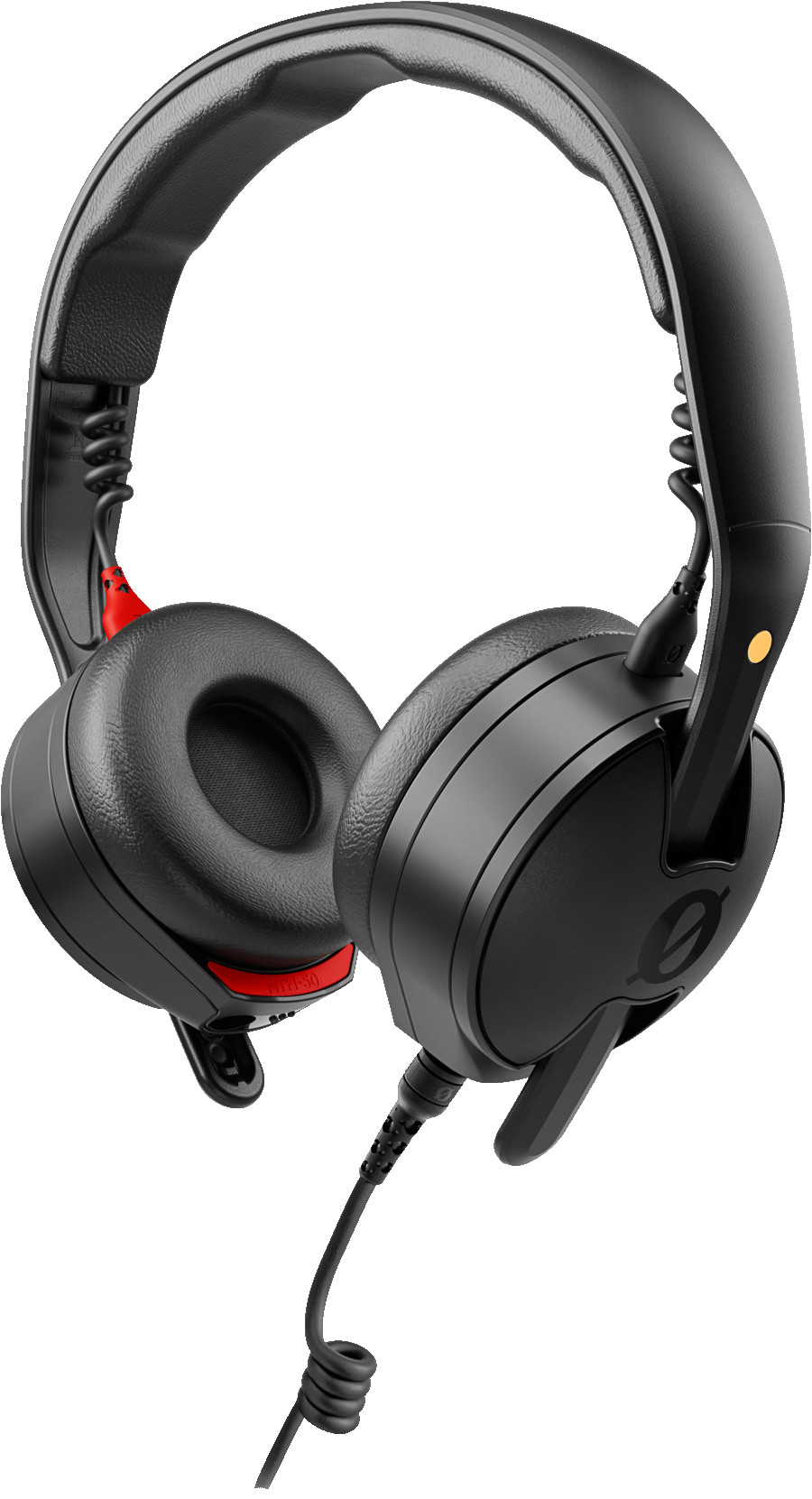
For video creators and podcast producers who need rugged, comfortable designs for daily use, the RØDE NTH-100 over-ear and NTH-50 on-ear models deliver ultra-low distortion. The Atomos Studio Sonic also provides true audio fidelity tailored specifically for content creators managing dialogue on set.
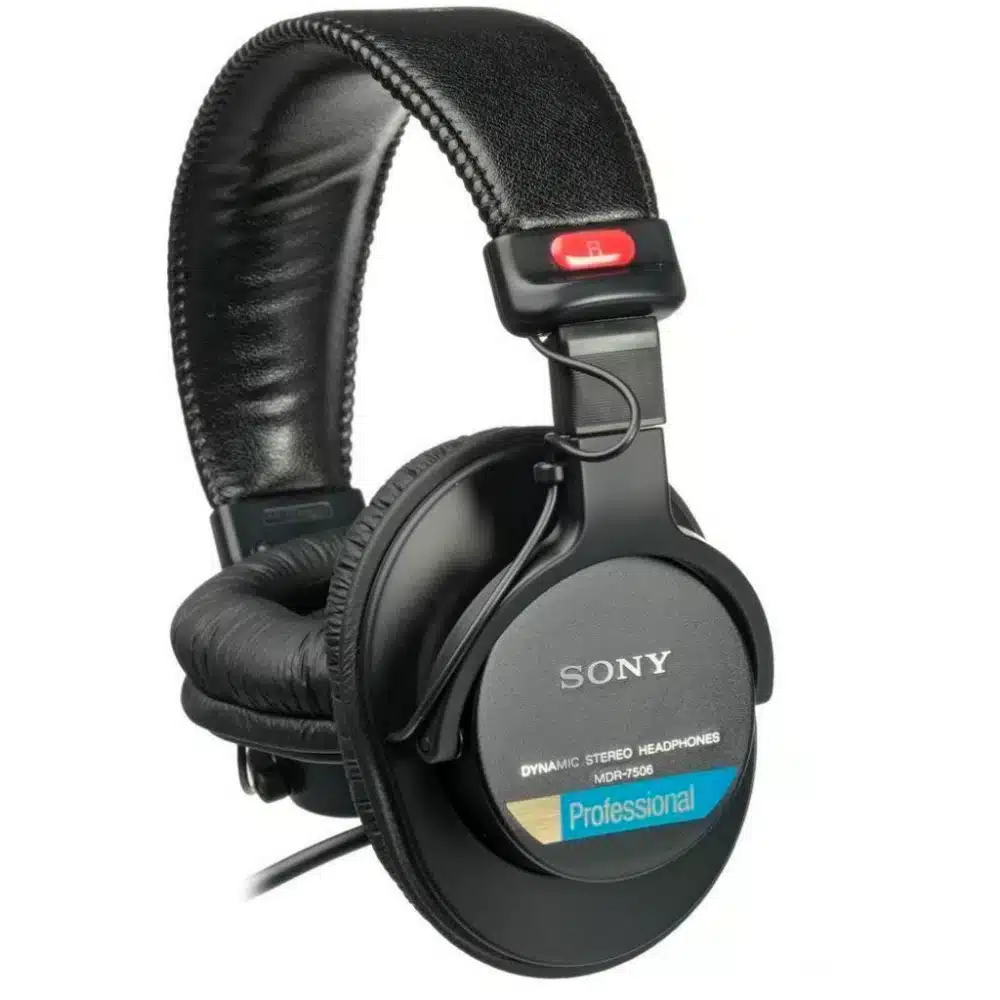
We also stock the Sony MDR-7506. You will see these as a daily driver in broadcast studios worldwide. Independent measurements show they effectively block high frequencies and feature a distinct frequency response. They exaggerate the 2,500 Hz to 5,000 Hz range by about 5 dB. This specific curve acts like an audio magnifying glass for dialogue clicks, clothing rustle, and high-midrange noise.
Precision Open-Backs for Critical Mixing
Mixing requires a neutral frequency response. If your headphones exaggerate bass, you will mistakenly cut the low-end in your mix, resulting in a thin-sounding final track.
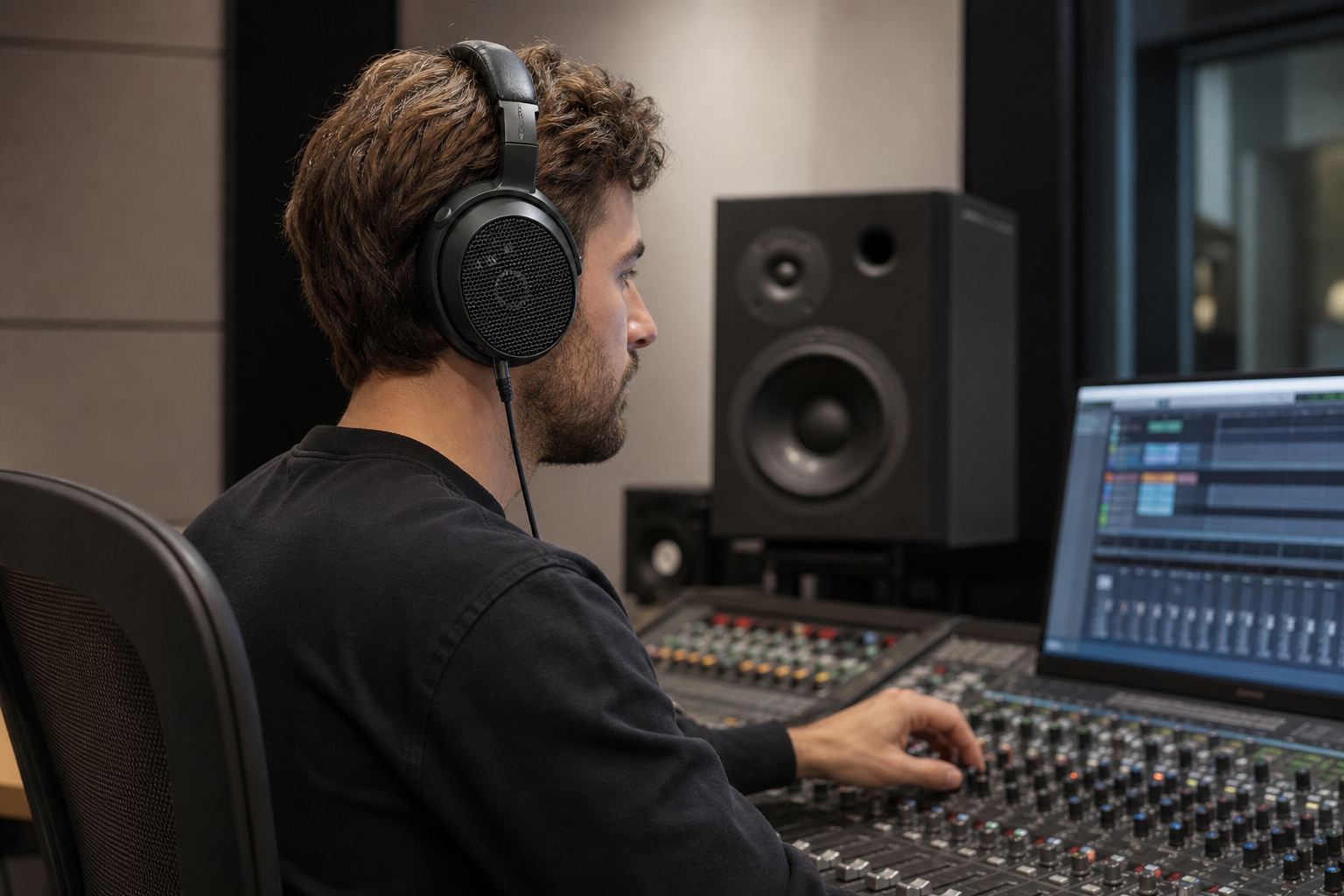
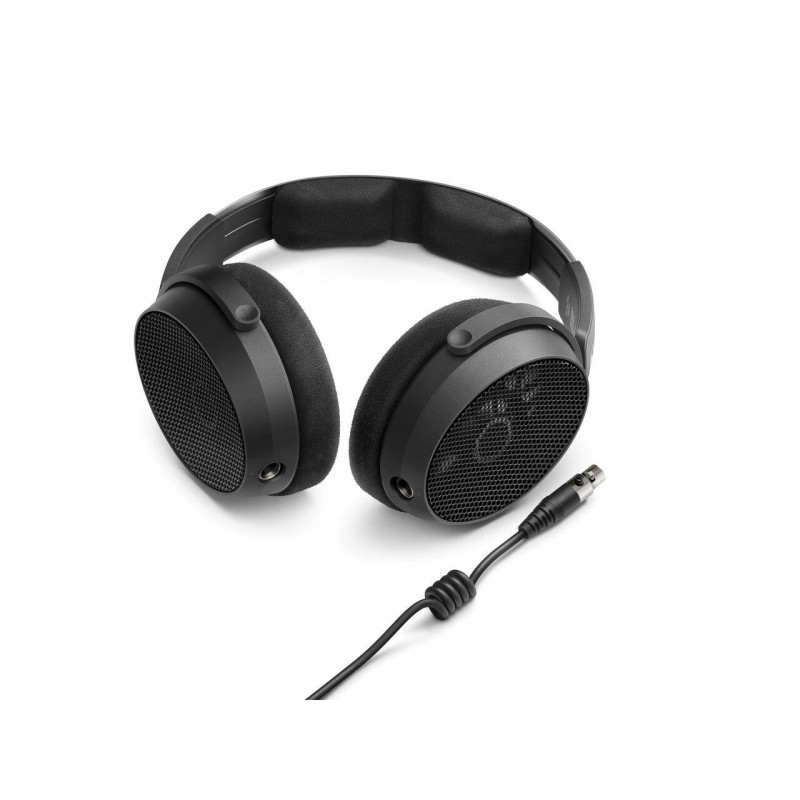
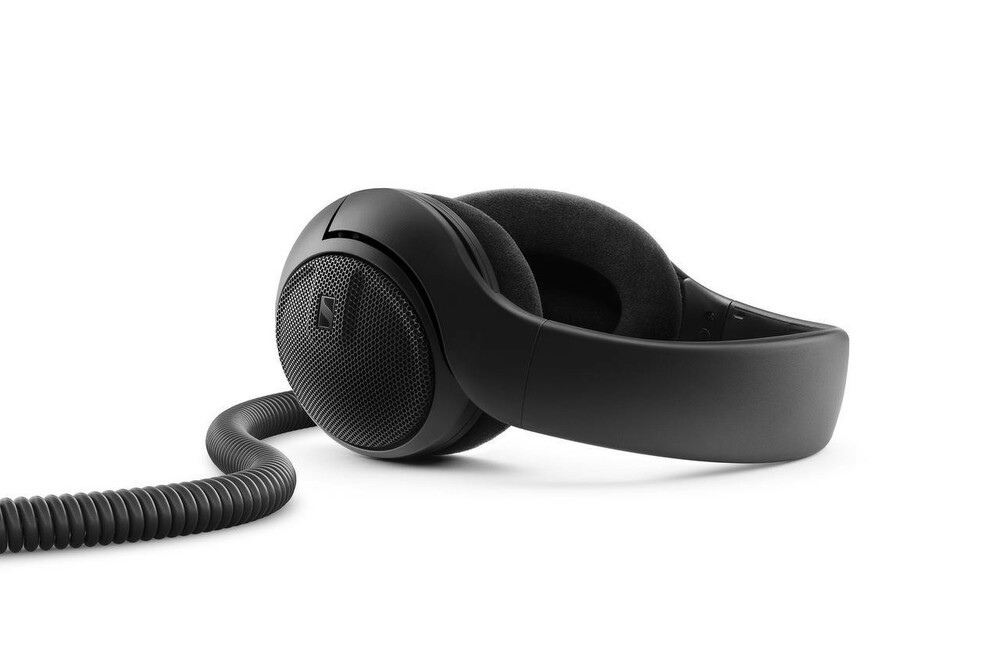
There is no single universally accepted numeric standard for headphone flatness, but experts advise explicitly avoiding consumer-style sound profiles. The Sennheiser HD 400 PRO and HD 490 PRO Plus utilize open-back architectures and angled transducers to create a wide, accurate soundstage. They reveal precise details across the entire frequency range. Use them in tandem with a proper monitor setup to ensure your work translates well to any device.
Solutions for High-Noise Live Environments
Live event crews and field broadcasters deal with immense stage volume. Traditional studio headphones can be too bulky for rapid movement.
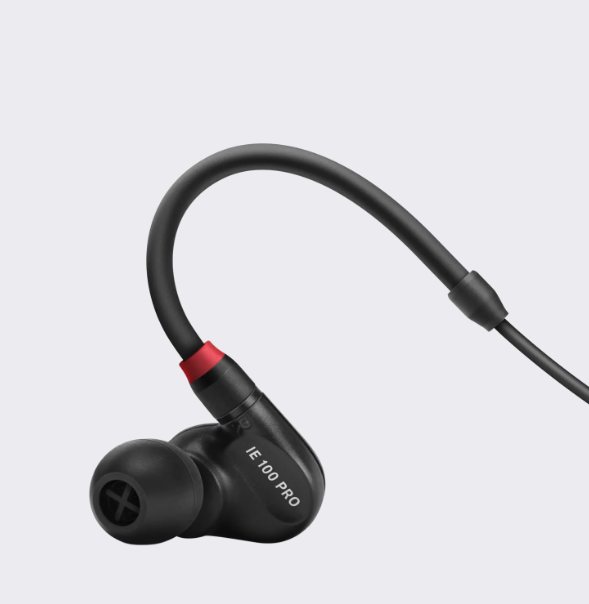
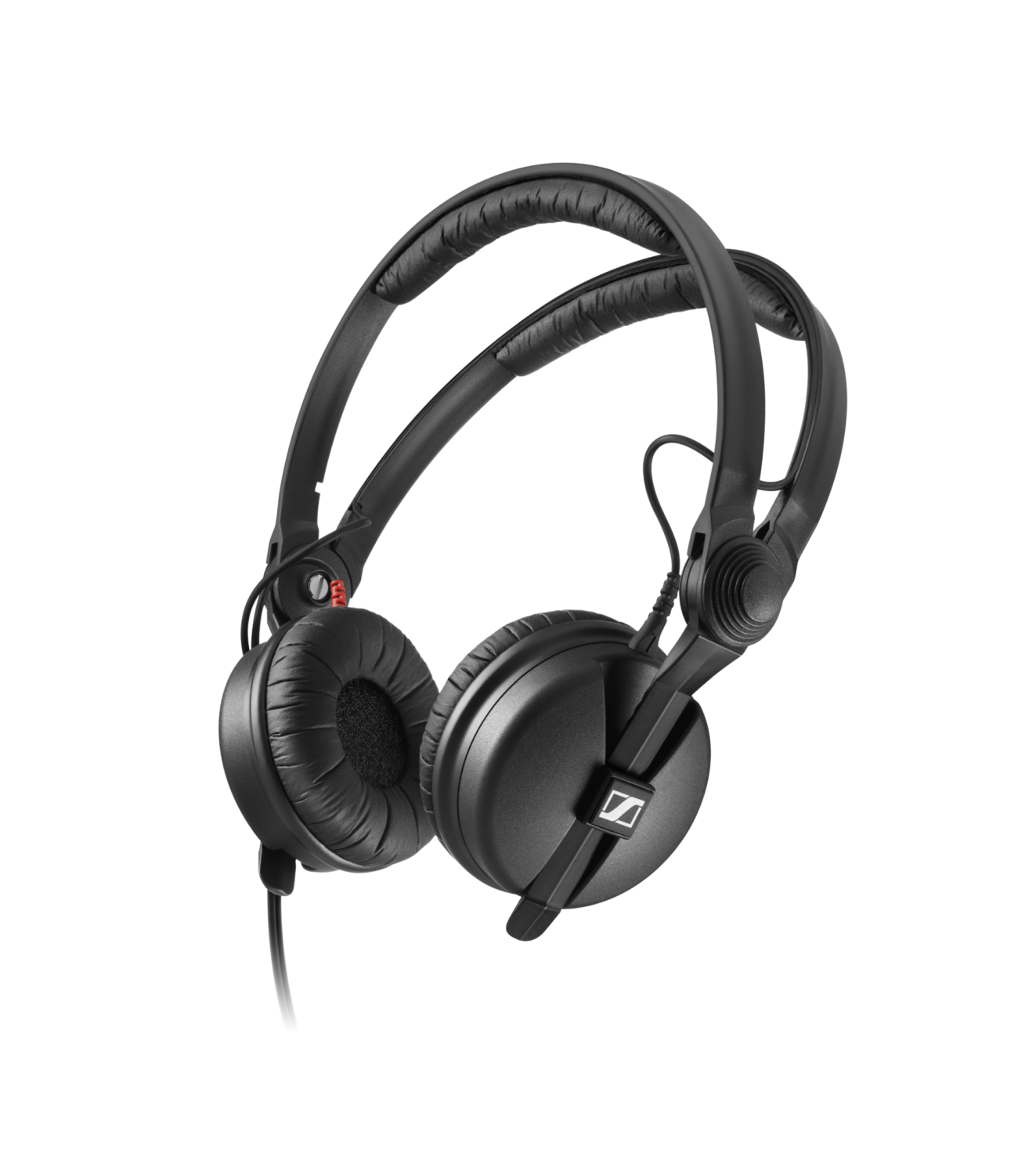
The Sennheiser HD25 is a lightweight, on-ear staple found in DJ booths and broadcast setups globally. Its split headband and single-ear listening capability make it indispensable for run-and-gun monitoring. Alternatively, if you need deep passive isolation in a highly mobile format, the Sennheiser IE 100 PRO in-ear monitors offer a secure fit and distortion-free playback.
Evaluating Impedance and Sensitivity
Your headphones must match your audio output source. Headphone impedance is electrical resistance measured in ohms. High-impedance headphones require more voltage to reach adequate listening volumes.
If you plug demanding headphones directly into a standard consumer camera, the audio will likely be too quiet. You need to drive them with dedicated preamps. Ensure you connect high-impedance headphones to a professional portable audio recorder for video or a dedicated audio mixer for video production to maintain dynamic range and headroom.
Prioritizing Comfort and Hearing Health
Spec sheets do not matter if your headphones cause pain during long sessions. In our experience, physical fatigue directly impacts your listening accuracy.
You should evaluate weight distribution, clamping force, and ear pad breathability by wearing headphones for at least 30 minutes. If you feel pressure points on your crown or jaw, change models.
Furthermore, you must protect your long-term hearing. The National Institute for Occupational Safety and Health recommends limiting noise exposure to an 85 dBA time-weighted average over an 8-hour shift. Using headphones with excellent isolation allows you to hear detail clearly at lower, safer volumes.
Key Takeaways
- Use closed-back headphones for tracking and live environments to prevent mic bleed and isolate external noise.
- Reserve open-back headphones for mixing and mastering in quiet rooms where a natural, flat frequency response is critical.
- Match your headphone impedance to your audio recorder or mixer to ensure you have enough volume and dynamic range.
- Prioritize comfort and low clamping force for long sessions to prevent listening fatigue and poor mix decisions.
- Monitor at safe volume levels by relying on strong passive isolation to hear detail without pushing levels to dangerous extremes.
Ready to upgrade your studio or location sound? Explore our complete inventory of professional headphones and speakers to find the exact model your production requires.