Video Light Stands: Compare Load Capacity and Portability
Video production demands reliable support for your lighting gear. When you mount an expensive fixture and a large modifier, the stand must handle the weight without swaying. We have seen too many shoots disrupted by inadequate rigging. A weak stand risks damaging your equipment and injuring your crew. We understand the stress of watching a top-heavy light wobble during a crucial take.
This page helps you compare load capacities, materials, and mounting options. You will find the exact support your production needs, whether you run a small travel channel or manage a large broadcast studio.
Lightweight and Portable Stands for Location Shoots
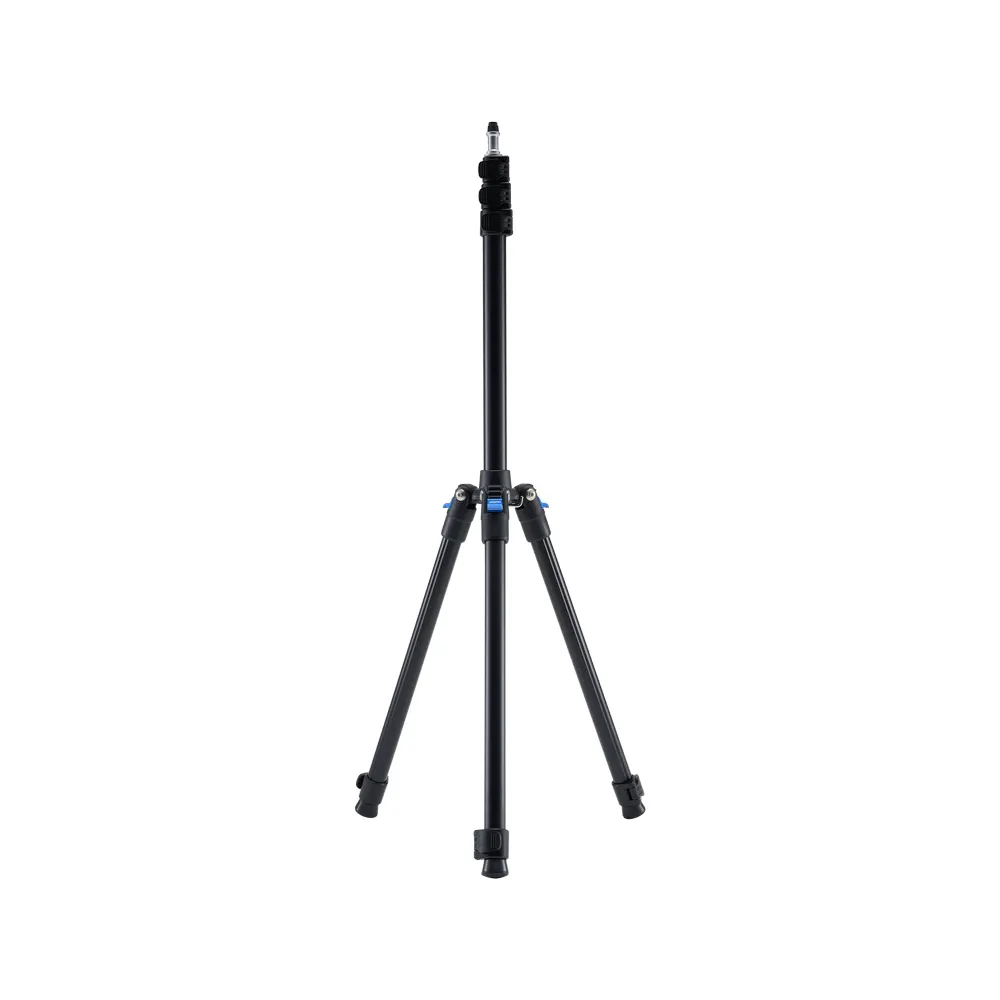
When you shoot on location, every kilogram matters. You need stands that travel easily but still hold your key lights securely. If you are building a portable lighting kit for video, focus on collapsible aluminum or carbon fiber options.
Carbon fiber stands significantly reduce travel weight while increasing stability. They absorb vibrations much better than standard metal. Kit stands that click together also save critical space in your transport bags.
For quick setups with small fixtures, basic air-cushioned aluminum stands prevent gear from crashing down if a lock slips. This simple safety feature saves your expensive panels from sudden impacts.
-
 Light stands
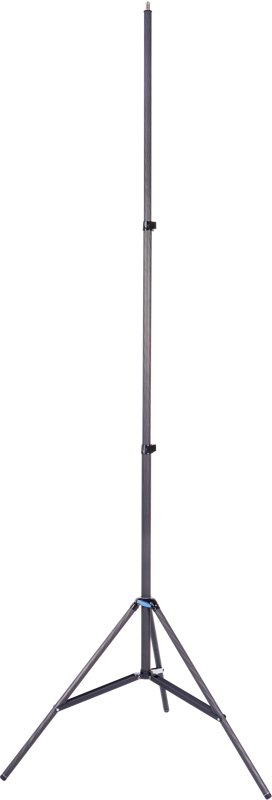
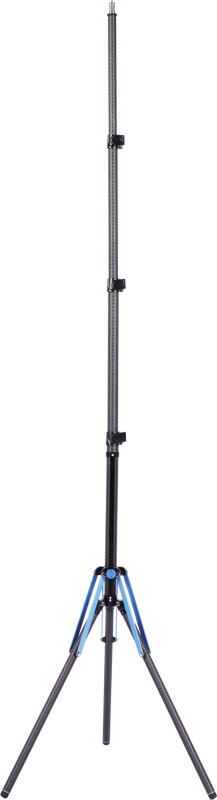
SIRUI Light Stand DK-28 Carbon Fiber Air-Cushioned
€ 130.69€ 162.06 (incl. VAT) -
 Light stands
SIRUI Light Stand DK-18 Carbon Fiber Air-Cushioned
€ 96.08€ 119.14 (incl. VAT)IN STOCK -
 Light stands
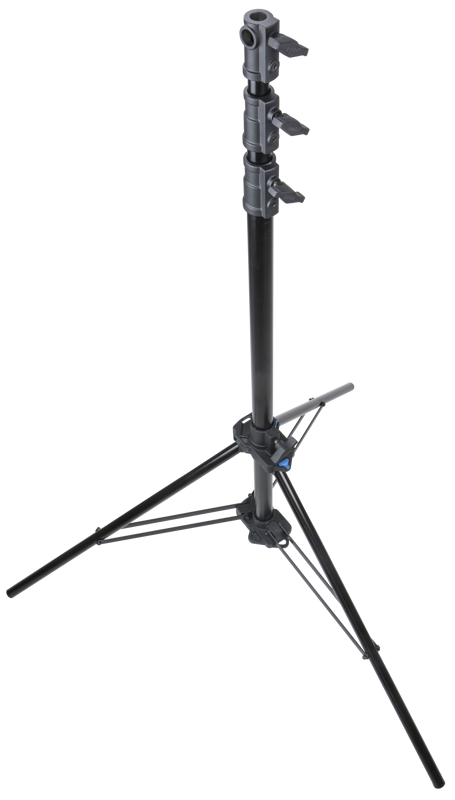
KUPO 090 Click Stand with Removable Center Column
€ 117.52€ 145.72 (incl. VAT) -
 Light stands
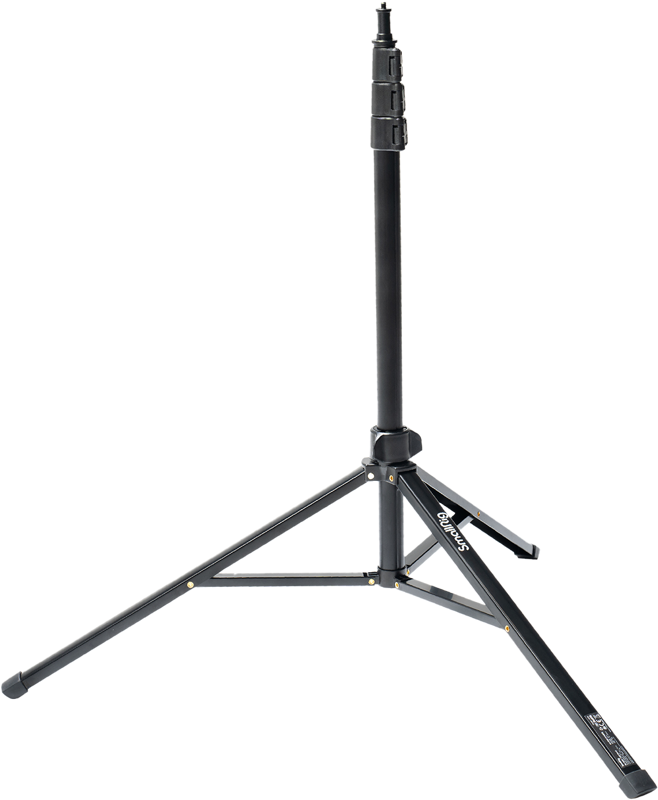
SMALLRIG 4379 Light Stand RA-S200
€ 41.52€ 51.48 (incl. VAT)IN STOCK -
 Light stands
AMARAN Light Stand (2m)
€ 38.00€ 47.12 (incl. VAT)IN STOCK
Heavy-Duty C-Stands and Combo Stands for Studio Sets
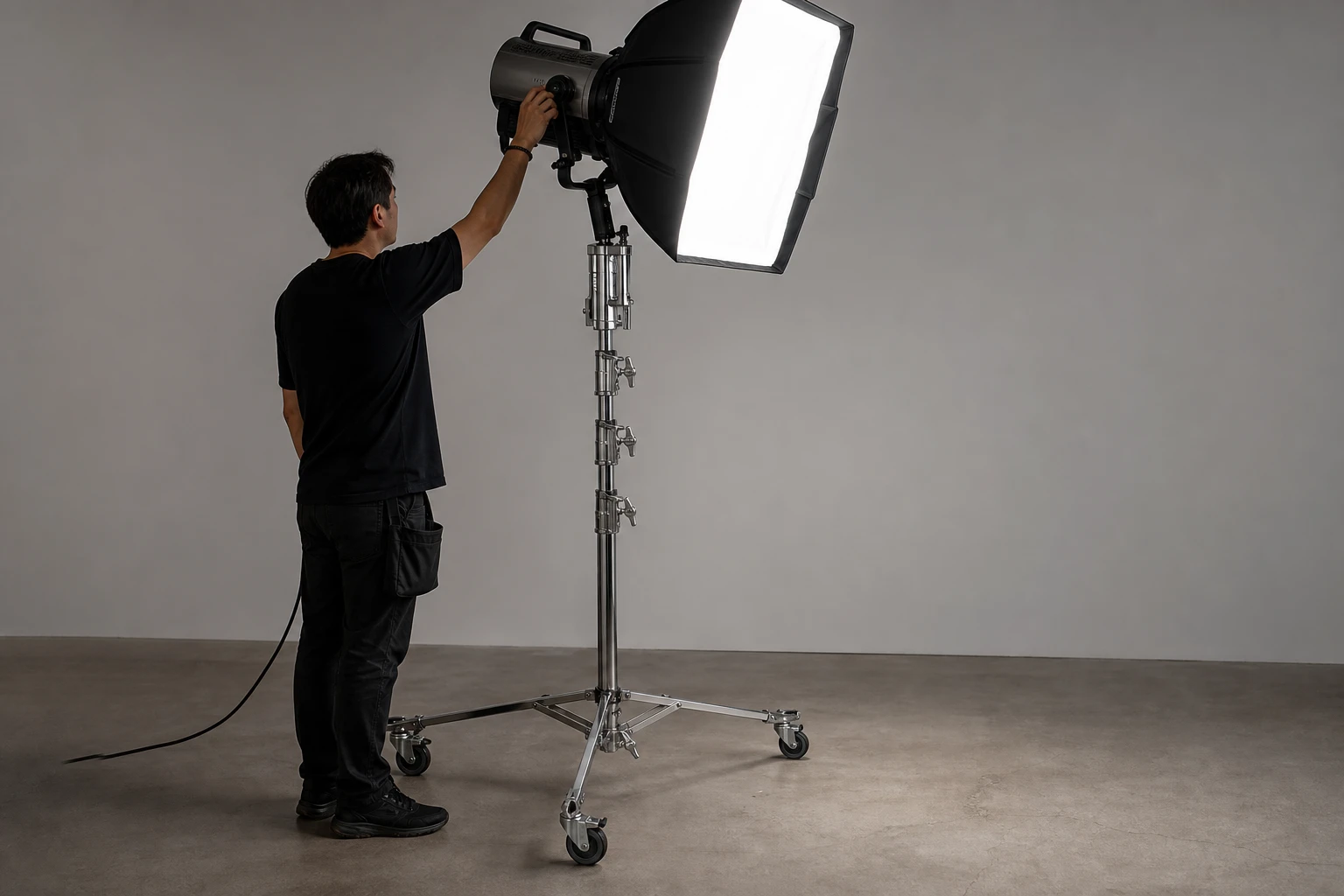
Studio environments and large commercial sets require massive lighting outputs. When you mount high-wattage spot lights with heavy softboxes to simulate natural light, standard kit stands will fail. You must upgrade to C-stands, combo stands, or roller stands.
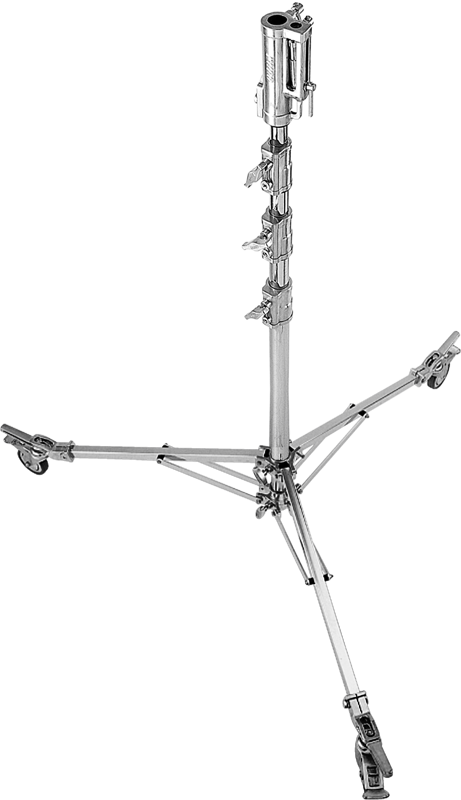
Chrome-plated steel combo stands offer exceptional load capacities. Some models handle up to 40kg, making them safe for large Fresnels and heavy grip arms. High roller stands add wheels to the base. This allows your crew to move a towering 4-meter setup across the studio floor without lifting it.
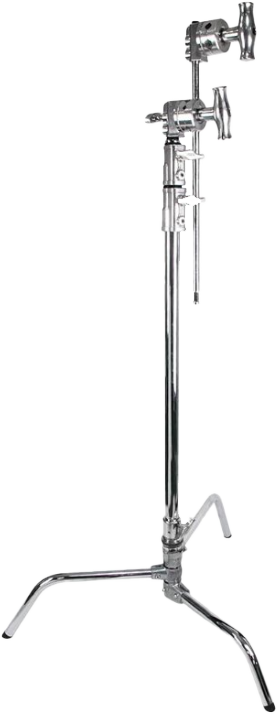
C-stands with turtle bases provide a low center of gravity. They easily accept sandbags for maximum safety. We always recommend bagging your stands to protect your talent and secure your investment.
-
 Light stands
KUPO CT-30MK 30″C stand w/ Turtle Base Kit
€ 203.92€ 252.86 (incl. VAT) -
 Light stands
KUPO 300M High Roller Stand
€ 336.72€ 417.53 (incl. VAT) -
 Light stands
KUPO 226M Master Combo HD Stand – Silver
€ 185.52€ 230.04 (incl. VAT) -
 Light stands
KUPO 155M High Baby Stand
€ 209.52€ 259.80 (incl. VAT)


Mounting Standards: Pins, Threads, and Spigots
Your light stand must connect securely to your fixture. The industry standard for location and motion-picture lighting is the 5/8-inch baby pin. Most professional fixtures feature a matching 5/8-inch receiver.
Smaller LED panels and consumer lights often use a 1/4-20 or 3/8-16 threaded screw instead of a bare pin. Many stands include fixed spigots with these threads on top.
If your gear uses different mounts, universal studs and lighting accessories easily adapt a standard pin to threaded receivers. Make sure you verify the mounting receiver on your current lights before selecting a stand. Doing so prevents frustrating delays on set.
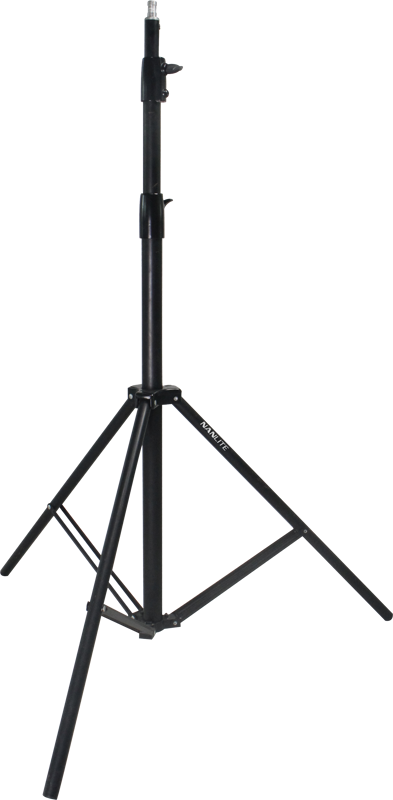
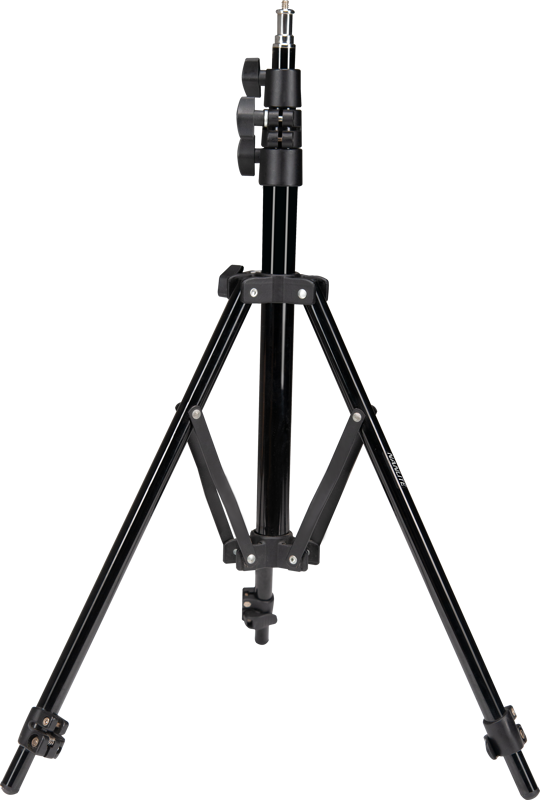
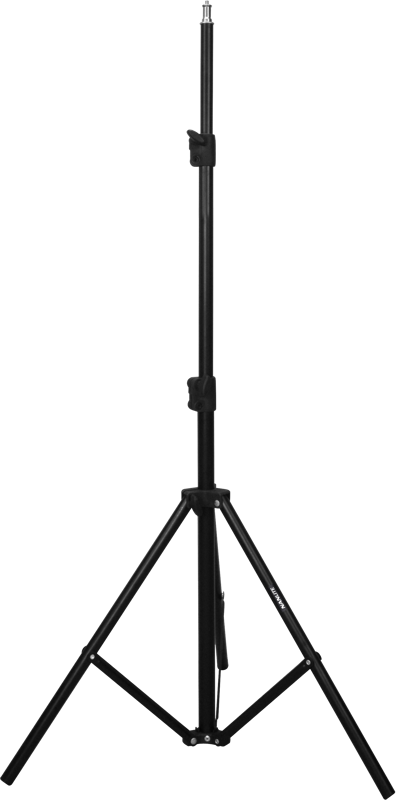
Matching Your Stand to Your Video Lighting Kit
The right stand depends entirely on how many lights you use for your video production and the size of your modifiers. Soft light wraps beautifully around facial features, but creating it requires large, heavy softboxes.
| Stand Type | Ideal Application | Typical Load Capacity |
|---|---|---|
| Carbon Fiber / Aluminum Kit | Travel, small LED panels, tight spaces | 2kg – 5kg |
| Standard C-Stand | Corporate interviews, medium softboxes | 10kg – 15kg |
| Steel Combo / Roller Stand | Heavy COB spot lights, large studio modifiers | 25kg – 40kg |
If you are setting up a standard three-point rig to light a subject for video, allocate your heaviest stand for the key light. The key light usually holds the largest modifier. Your fill light and backlight often use smaller accessories. They can sit on lighter, medium-duty stands.
For a deeper dive into basic setups, read our guide on video lighting for beginners. Understanding these principles ensures you never over-rig or under-rig your scene.
Key Takeaways
- Match the stand’s load capacity to the combined weight of your light fixture and your modifier.
- Choose carbon fiber or click-together aluminum stands to save weight and space on location shoots.
- Use heavy-duty steel combo stands or C-stands with sandbags for high-wattage studio fixtures.
- Verify that your light fixture’s receiver matches the stand’s 5/8-inch pin or threaded spigot.
Browse our full selection of light stands today, and contact our technical support team if you need help rigging your next professional studio project.