Cinema Camera vs Mirrorless: Which Is Right for You?
Choosing between a dedicated cinema camera and a hybrid mirrorless camera is one of the most critical decisions in video production. Modern mirrorless cameras deliver sharp 4K and 6K video in highly portable bodies. At the same time, compact cinema cameras have become smaller and more affordable than ever.
Both camera types capture exceptional video, but they operate very differently on set. In our experience, choosing the wrong camera body leads to thermal shut-offs, complex audio routing, or agonizing post-production delays.
This guide compares build design, video codecs, audio features, and workflows. Read on to discover which system matches your production style and technical demands.
Ergonomics and Build: Rigability vs Mobility
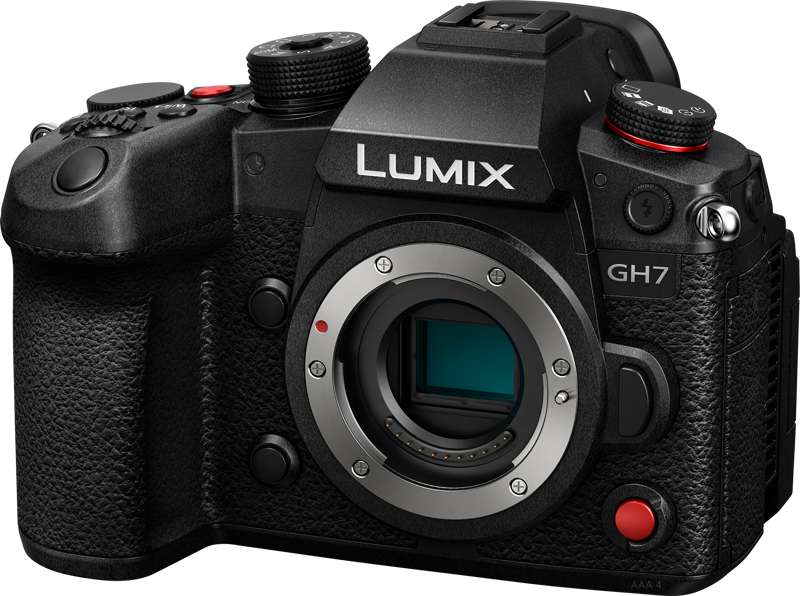
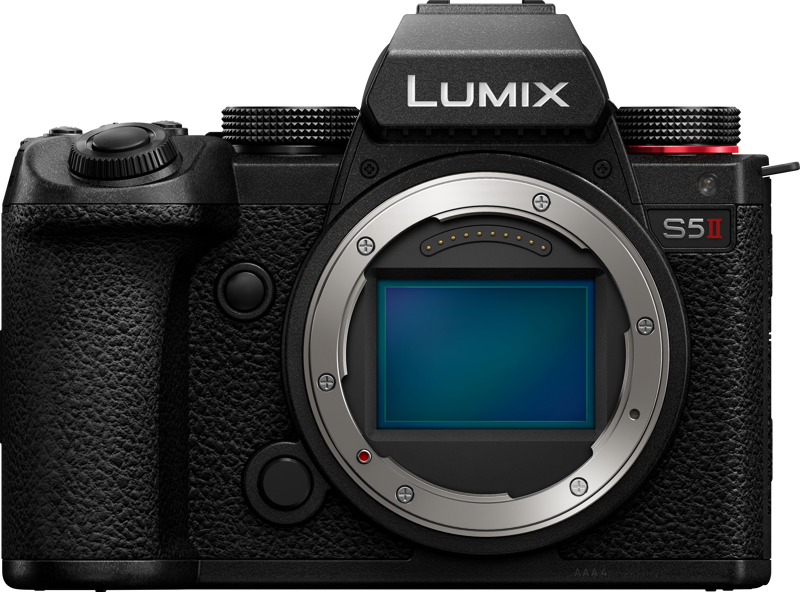
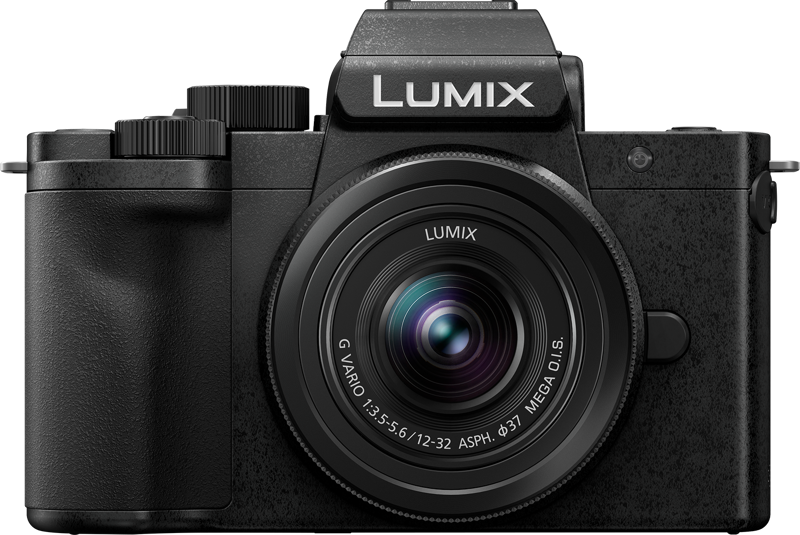
Mirrorless cameras feature lightweight bodies, electronic viewfinders, and comfortable handgrips built for fast physical handling. This compact footprint makes them ideal for travel, solo vlogging, and fast-paced documentary shoots.
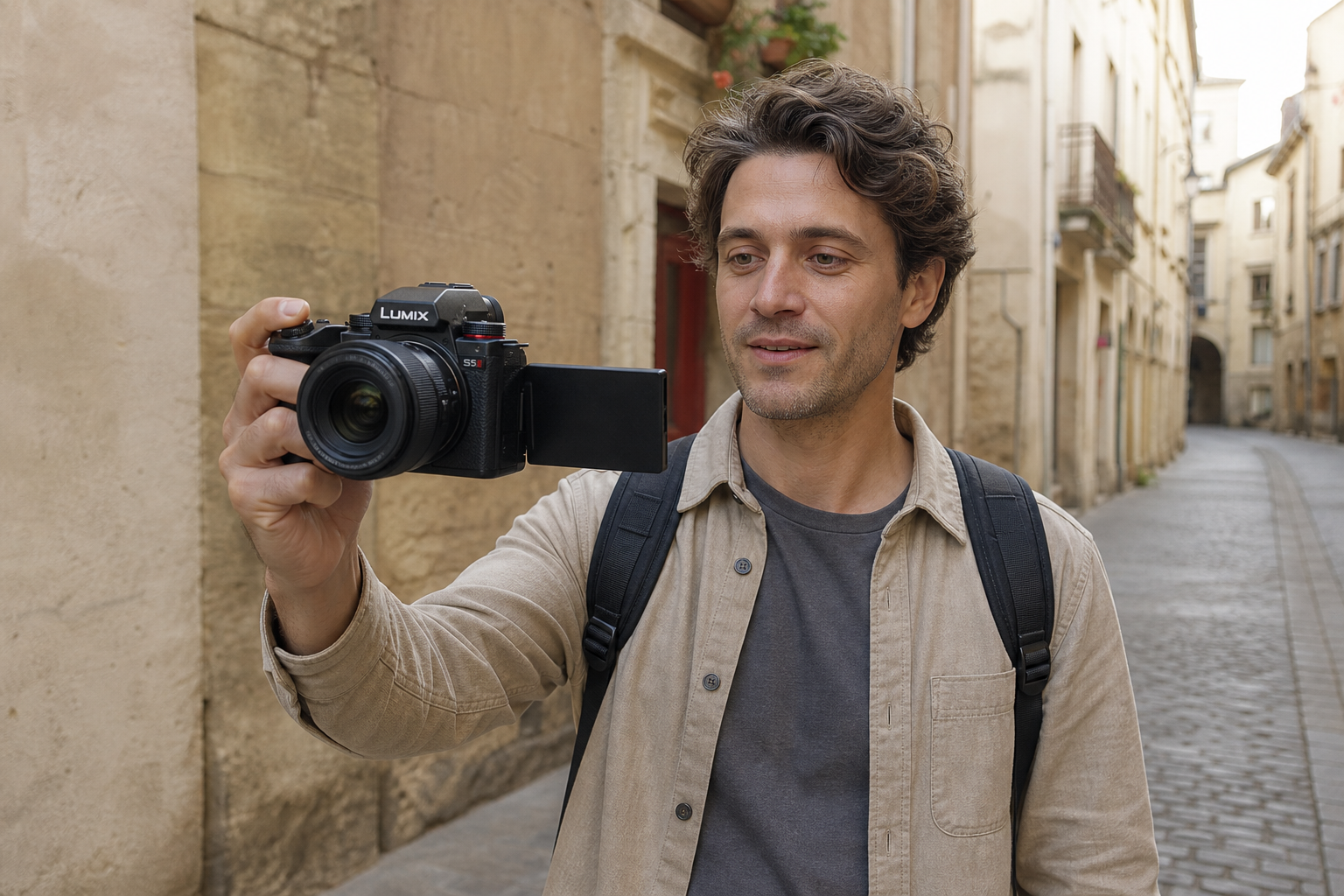
However, mounting heavy production accessories onto a standard mirrorless chassis creates stability issues. You often need to mount a camera cage for video to attach top handles, field monitors, and wireless transmitters securely. Without a cage, mounting heavy accessories directly to a hot shoe can strain or damage the camera shell.
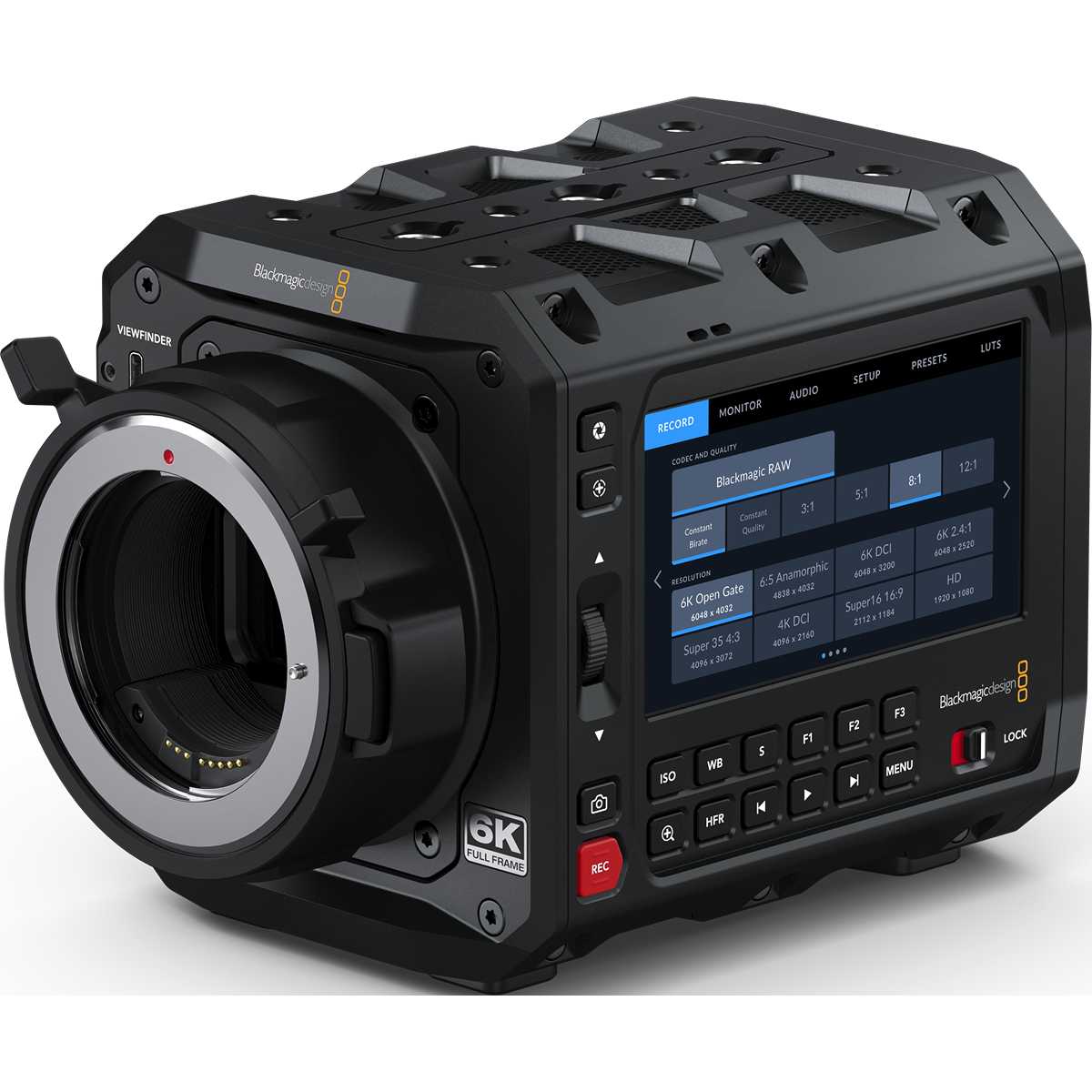
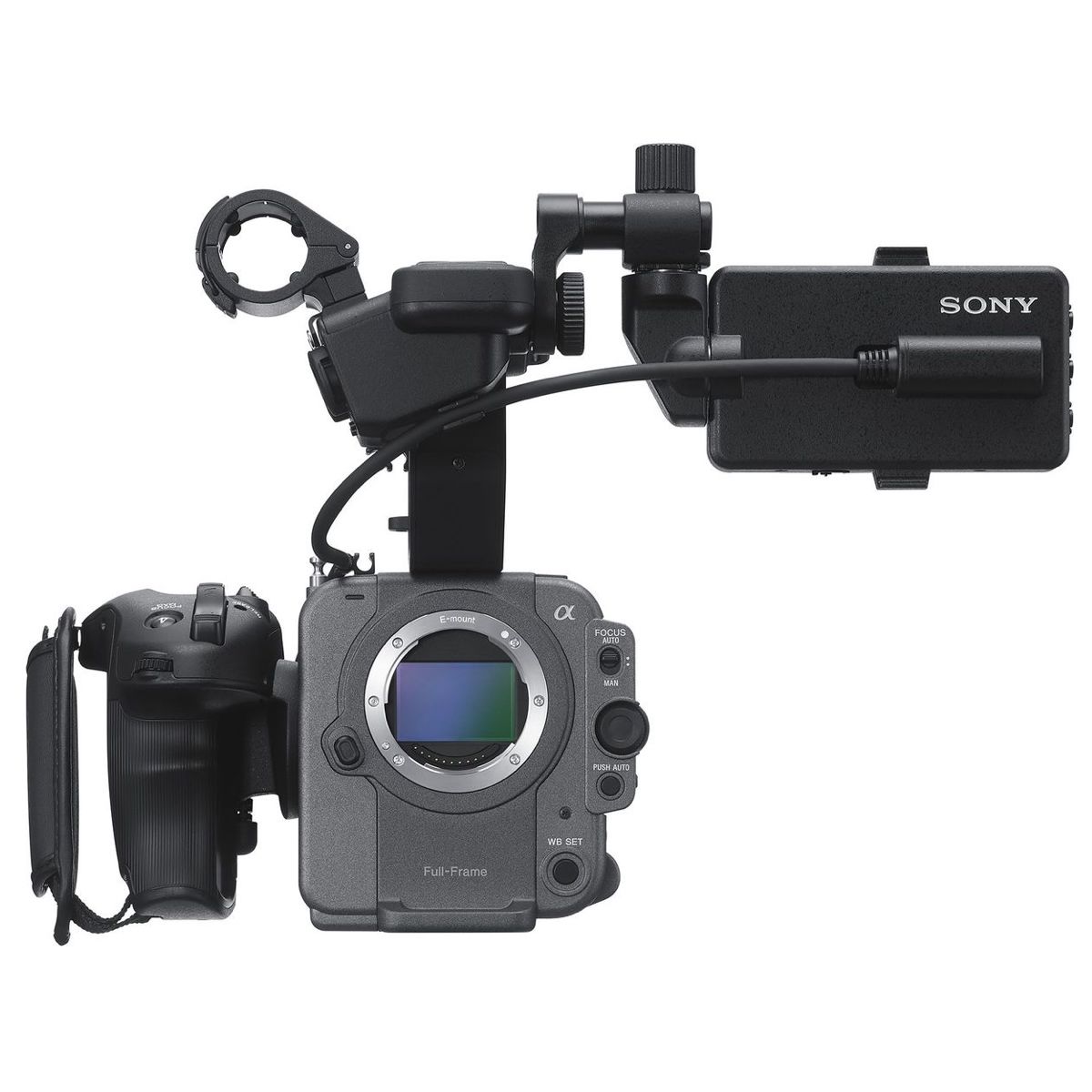
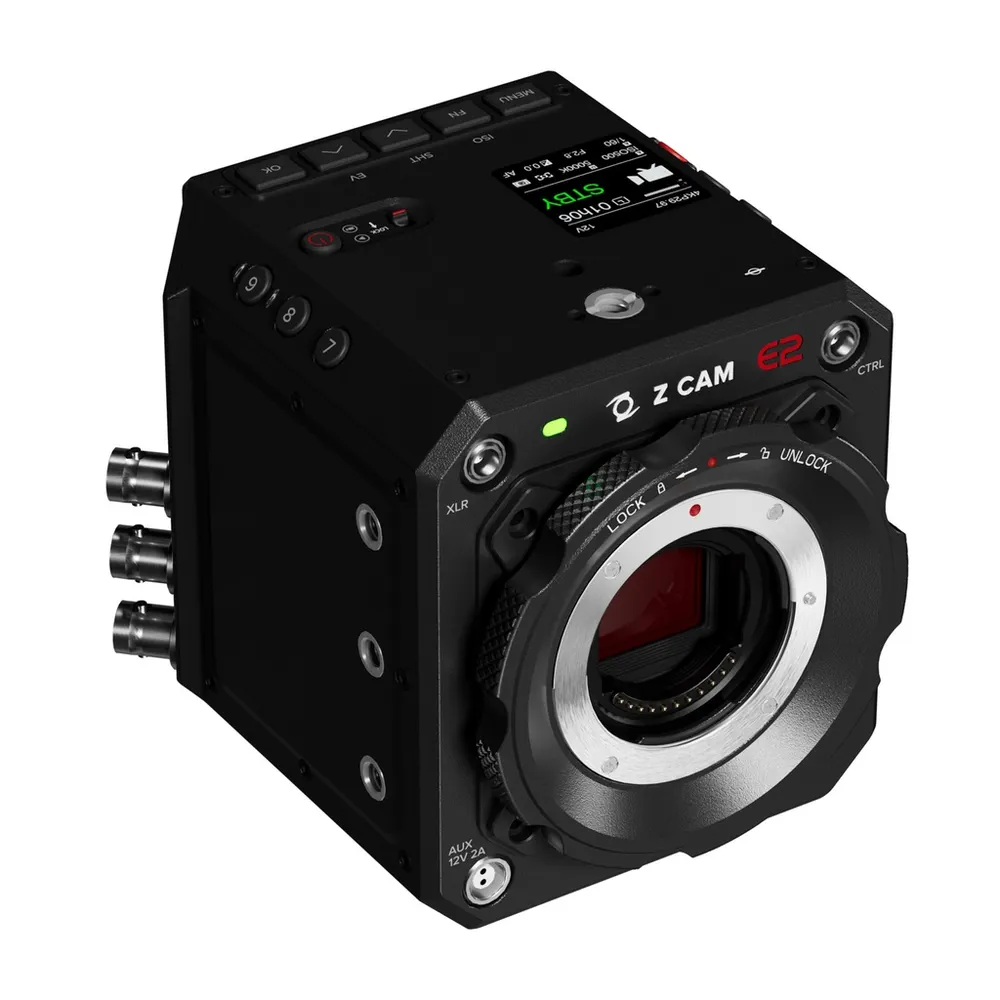
Cinema cameras feature modular, box-style designs built specifically for working sets. They come with built-in active cooling fans that eliminate heat buildup, allowing continuous recording without thermal shutdown. Cinema bodies also feature native mounting threads and dedicated top handles out of the box.
Video Codecs and Image Quality: Beyond Megapixels
High resolution specs like 4K or 8K do not tell the whole story. Real video performance depends on dynamic range, bit depth, and compression efficiency. According to ARRI’s dynamic range research, exposure latitude between shadow noise and highlight clipping determines image quality far more than pixel counts.
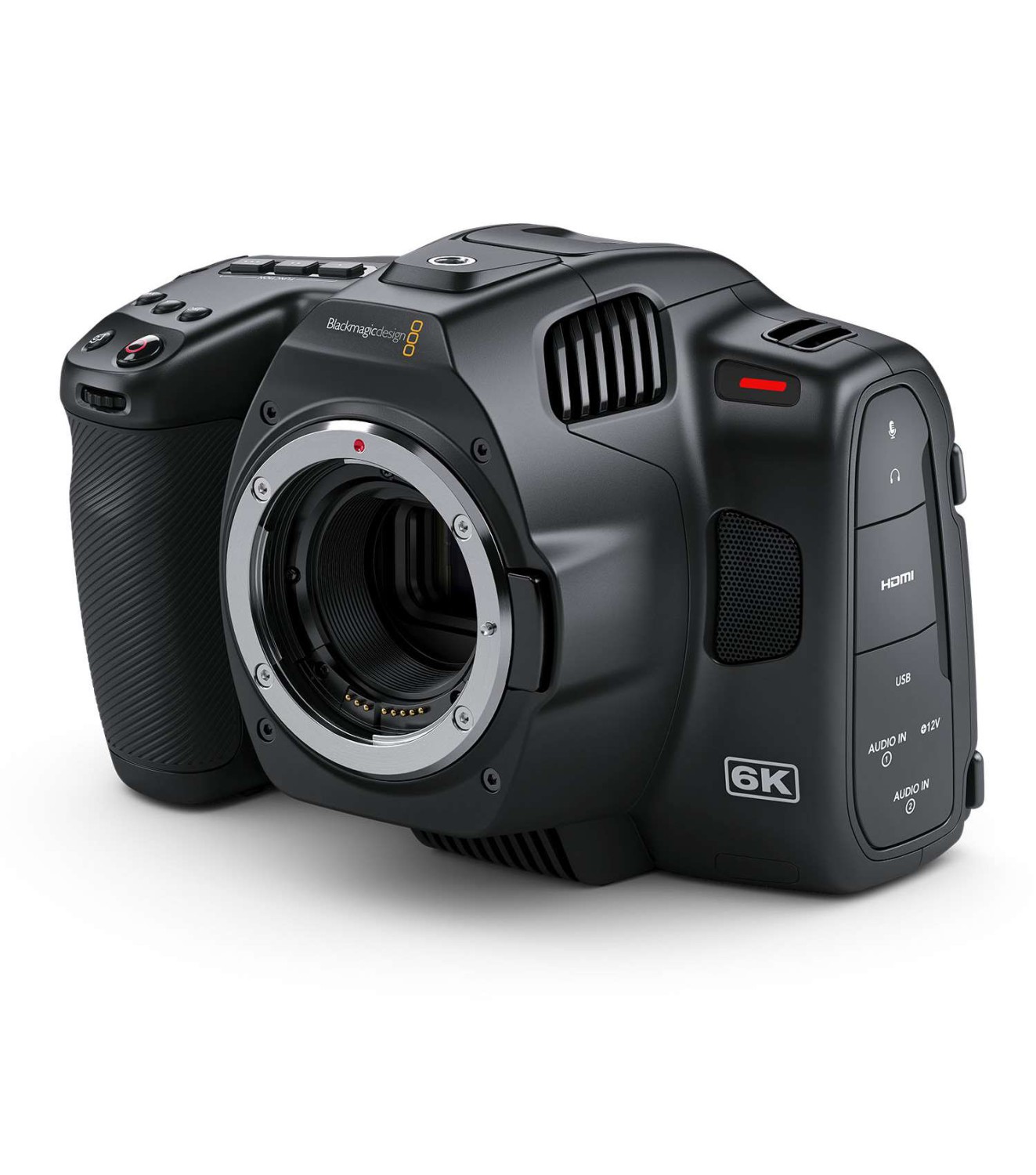
Cinema cameras capture high-bitrate intraframe codecs and RAW formats like Apple ProRes, Blackmagic RAW, or Cinema RAW Light. These 10-bit and 12-bit formats preserve subtle color gradations and dynamic range. They also process smoothly during editing, eliminating post-production playback lag. Broadcast networks and streaming platforms, such as those following Netflix’s camera capture guidelines, require intraframe 10-bit recording and scene-referred color space for original content.
Mirrorless cameras usually record in highly compressed interframe formats like H.264 or H.265. These formats save memory card space, but they require heavy CPU power to decode during editing. To bypass internal recording limits, many creators connect an external video recorder to capture uncompressed 10-bit video directly from the sensor.
Audio, Monitoring, and In-Camera Tools
Integrated video tools save valuable setup time on set. Dedicated cinema cameras integrate professional production tools directly into the body:
- Built-in Neutral Density (ND) Filters: Internal variable ND filters allow instant exposure adjustments without changing shutter angles or swapping front glass filters.
- Professional Audio Inputs: XLR ports with physical control knobs connect professional microphones without needing external adapters.
- Timecode and SDI Outputs: Dedicated BNC timecode ports ensure frame-accurate sync across multiple cameras. Locking SDI ports keep video cables secure when feeding an external field monitor.
Mirrorless cameras generally rely on 3.5mm audio jacks and standard HDMI ports. Unlocking micro-HDMI or mini-HDMI cables can disconnect during a shoot, and 3.5mm jacks lack phantom power for professional microphones. If you record dual-system audio on a mirrorless shoot, read our guide on how to sync audio and video to keep your timeline aligned.
Autofocus performance is another major difference. Mirrorless cameras lead the industry with advanced phase-detection autofocus and real-time subject tracking. Cinema cameras are adding faster autofocus features, but they are engineered to pair naturally with manual follow-focus units and professional cinema lenses.
-
 -5%Video cameras
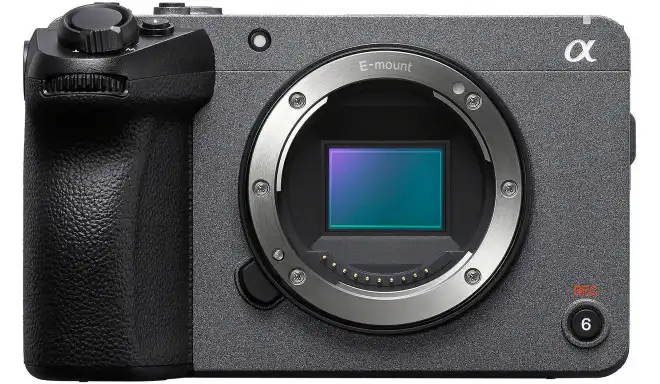
SONY FX30 compact Cinema Line gateway camera (Body only)
Original price was: € 1 935.00.€ 1 838.00Current price is: € 1 838.00.€ 2 279.12 (incl. VAT) -
 -5%Video cameras
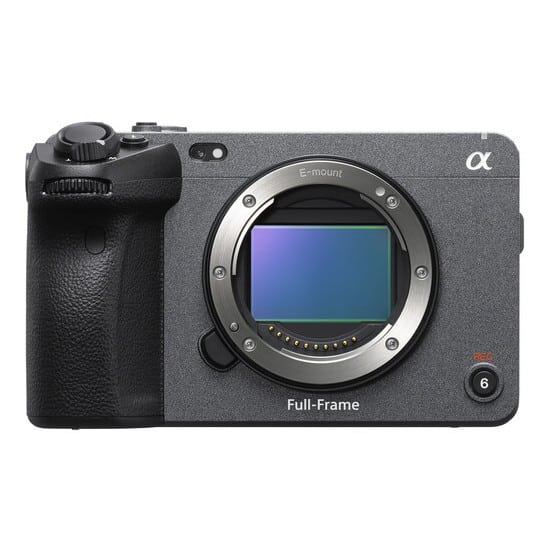
SONY FX3A full-frame Cinema Line camera
Original price was: € 3 950.00.€ 3 752.00Current price is: € 3 752.00.€ 4 652.48 (incl. VAT)
Side-by-Side Feature Comparison
| Feature | Mirrorless Cameras | Cinema Cameras |
|---|---|---|
| Primary Focus | Hybrid Photo & Video | Dedicated Video Production |
| Form Factor | DSLR-style handheld body | Modular box design or shoulder rig |
| Thermal Cooling | Passive (vulnerable to overheating) | Active cooling fans (unlimited run time) |
| Internal ND Filters | Rare (requires lens filters) | Standard (often electronic variable) |
| Audio Connections | 3.5mm mic jack (XLR via hot-shoe top handle) | Built-in dual XLR inputs with manual control |
| Video Outputs | HDMI / Micro-HDMI | Locking SDI & full-size HDMI |
| Autofocus | Advanced AI tracking & phase-detect | Improving, optimized for manual pulls |
| Primary Codecs | H.264 / H.265 (Long-GOP) | ProRes, Blackmagic RAW, Cinema RAW |
Matching the Camera to Your Workflow and Budget
We’ve seen productions buy heavy cinema setups when a nimble mirrorless camera would have served them better. The ideal camera body depends on your crew size, shooting style, and budget.
Choose a Mirrorless Camera If:
- You work as a solo operator, travel frequently, or produce fast social media content.
- You rely heavily on intelligent subject-tracking autofocus.
- You need one camera body to shoot both high-resolution stills and video.
- You want maximum video performance on a modest equipment budget.
Explore our full range of versatile hybrid cameras to find lightweight options for solo operators.
Choose a Cinema Camera If:
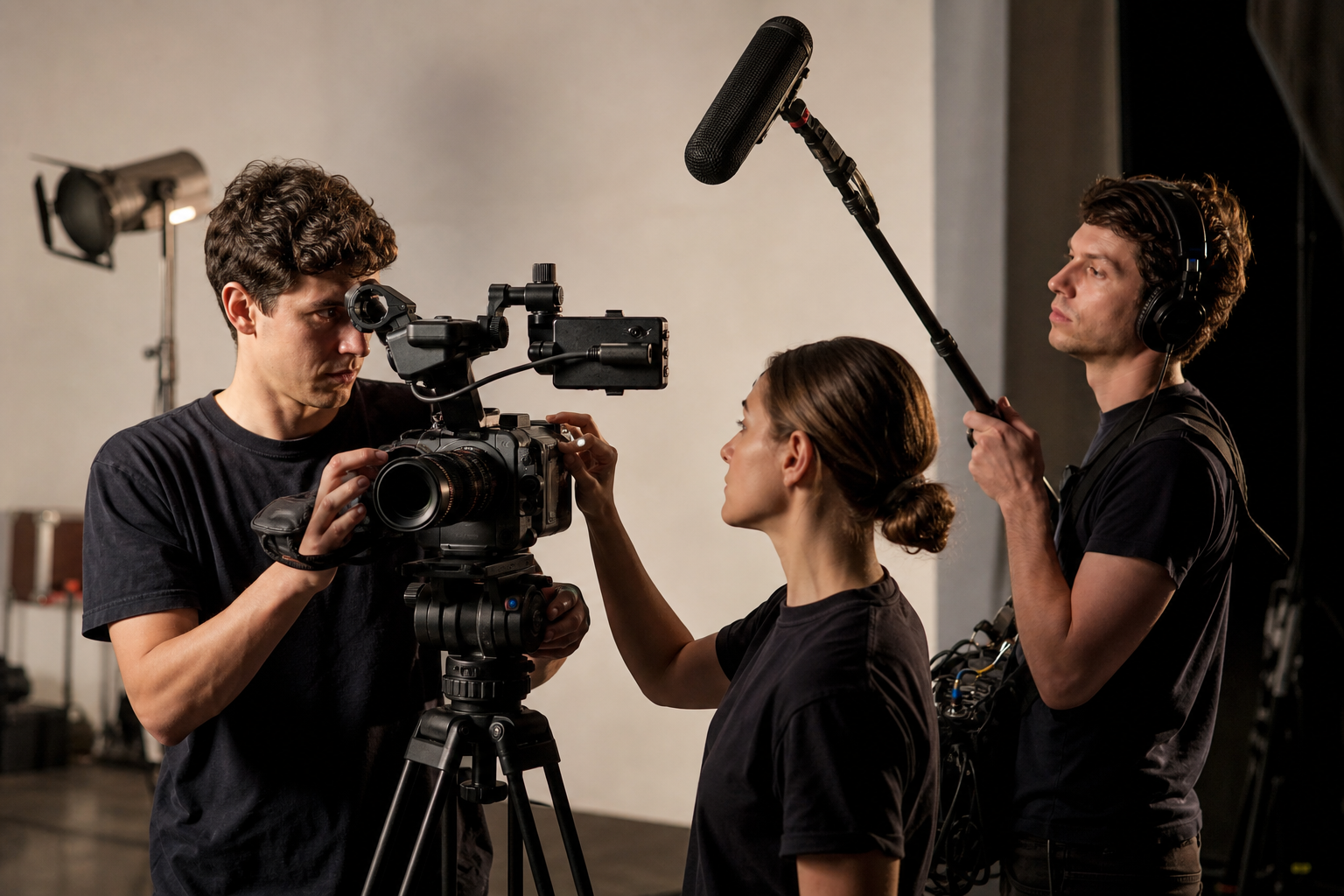
- You shoot commercial projects, narrative films, or multi-camera live broadcasts.
- You work with a crew that includes focus pullers and sound engineers.
- You require active cooling for continuous, long-format recording.
- You need internal ND filters, locking SDI ports, and broadcast-ready codecs.
Browse our selection of professional video cameras to compare production-ready models. For a deeper breakdown of sensor sizes and rigging, read our comprehensive video camera buying guide.
Key Takeaways
- Mirrorless cameras offer superior mobility, hybrid stills/video flexibility, and advanced autofocus for solo content creators.
- Cinema cameras deliver maximum reliability on professional sets with active cooling, internal ND filters, XLR audio inputs, and edit-ready codecs.
- Workflow drives camera selection: solo creators benefit from mirrorless agility, while multi-person production teams require cinema camera connectivity.
- Accessories expand capabilities: adding camera cages, external recorders, and cinema lenses can elevate mirrorless bodies into production-grade rigs.
Need help building your next production rig? Explore our full catalog of cameras at MediaGear, or contact our technical team to find the perfect gear for your production needs.