Dynamic vs Condenser Microphones: How to Choose
In our experience, poor audio quality hurts video and podcast engagement much faster than low camera resolution. When creators ask us why their audio sounds hollow or echoes, the issue is almost always a mismatch between their microphone choice and their recording room.
Choosing between a dynamic and a condenser microphone is not about which technology is higher quality. It comes down to matching the physics of the microphone capsule to the acoustics of your space.
How Dynamic and Condenser Microphones Work
Dynamic microphones use a physical wire coil attached to a thin diaphragm. When sound waves hit the diaphragm, the coil moves inside a magnetic field to generate an electrical signal. This mechanical design makes dynamic capsules robust and less sensitive to soft, distant sounds.
Condenser microphones rely on a lightweight, electrically charged diaphragm placed close to a solid metal backplate, creating a capacitor. According to technical documentation from Shure, this ultra-thin diaphragm responds instantly to fast sound transients and subtle audio details. However, condenser capsules require external power – such as +48V phantom power from an interface or USB bus power – to charge the system and run active internal electronics.
Dynamic Microphones: Champion for Untreated Spaces
If you record in a home office, spare bedroom, or living room, your room likely contains hard surfaces. Bare drywall, windows, and wooden desks reflect your voice back into the room. In our work with creators, we frequently see high-end microphones capture unacceptable levels of room echo simply because the recording environment was untreated.
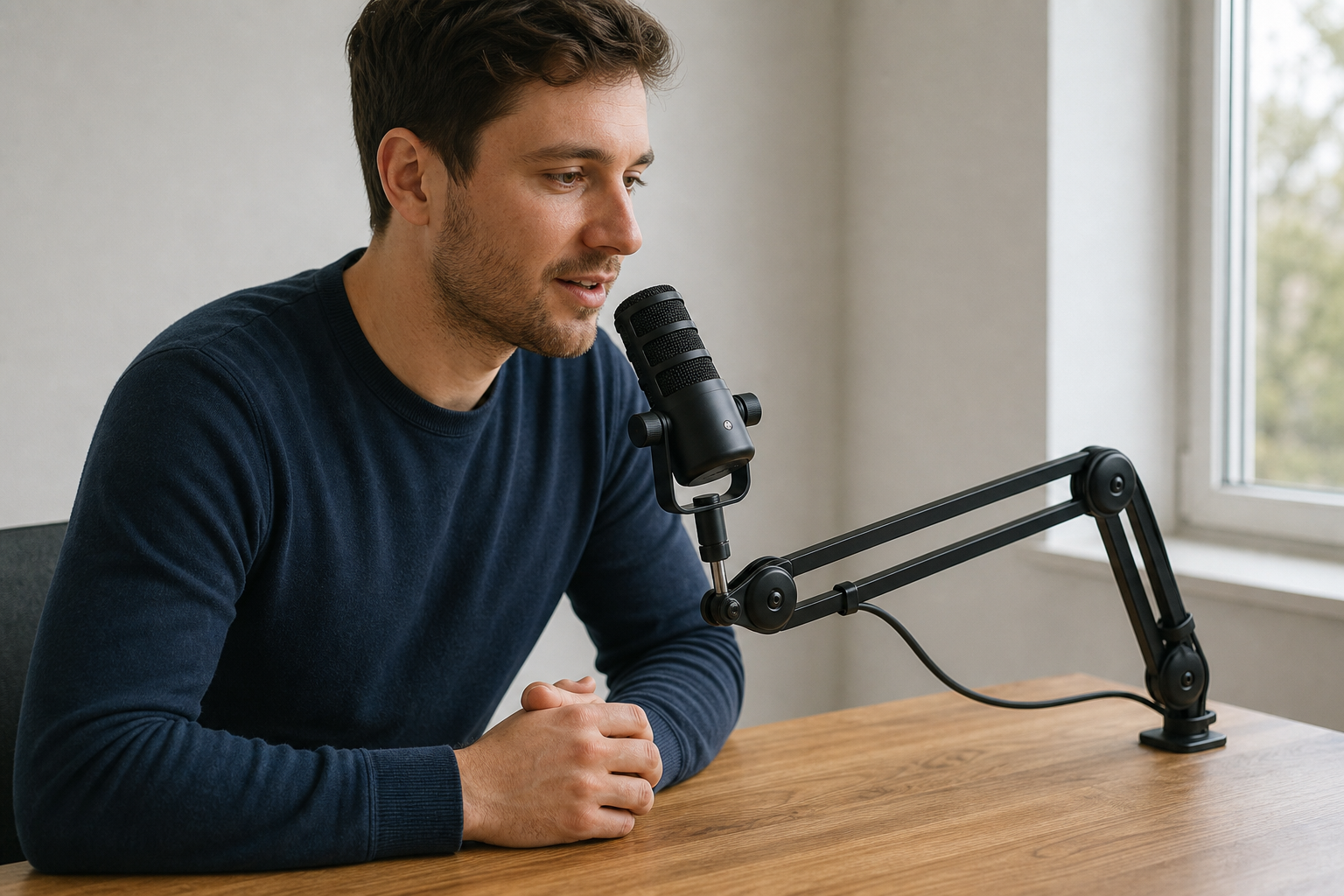
Dynamic microphones excel in these spaces because their lower sensitivity rejects off-axis noise. They prioritize the primary sound source positioned directly in front of the capsule while ignoring room reflections. If you work in an acoustically challenging room, read our practical guide on how to record audio in a noisy environment.
Because dynamic capsules generate a quieter electrical signal, they require adequate gain from your audio interface or recorder. Modern broadcast dynamic microphones address this by offering clean hybrid XLR and USB outputs or high-output capsules designed specifically for spoken-word creators.
-
 Microphones
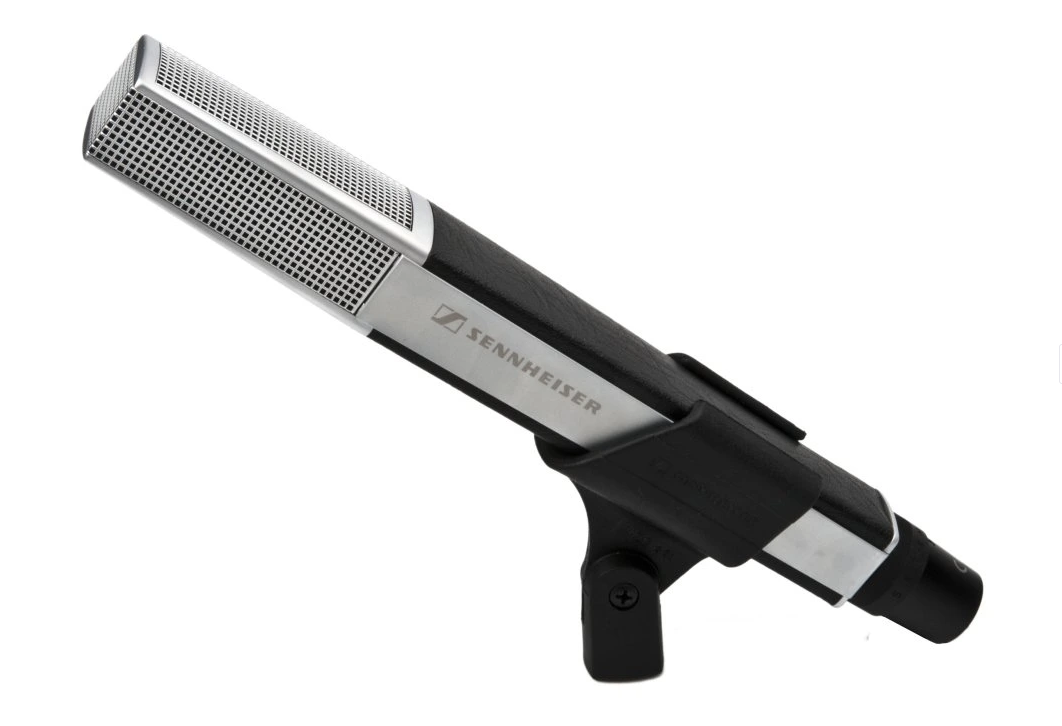
SENNHEISER – MD 441-U – Dynamic Supercardioid Studio Microphone
€ 915.14€ 1 134.77 (incl. VAT) -
 Microphones
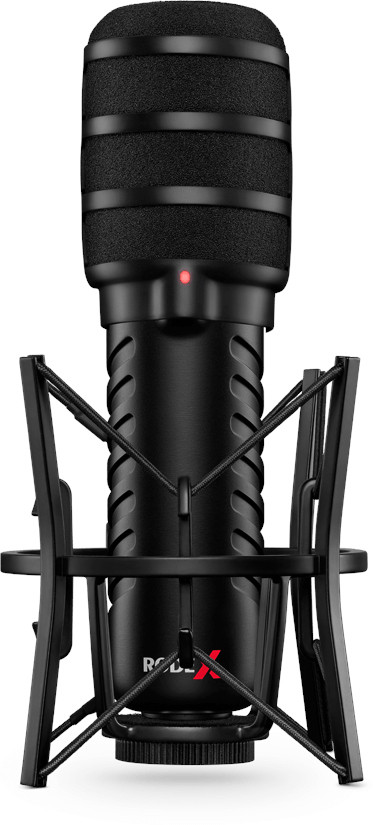
RODEX microphone XDM-100 Dynamic USB
€ 239.20€ 296.61 (incl. VAT) -
 Microphones
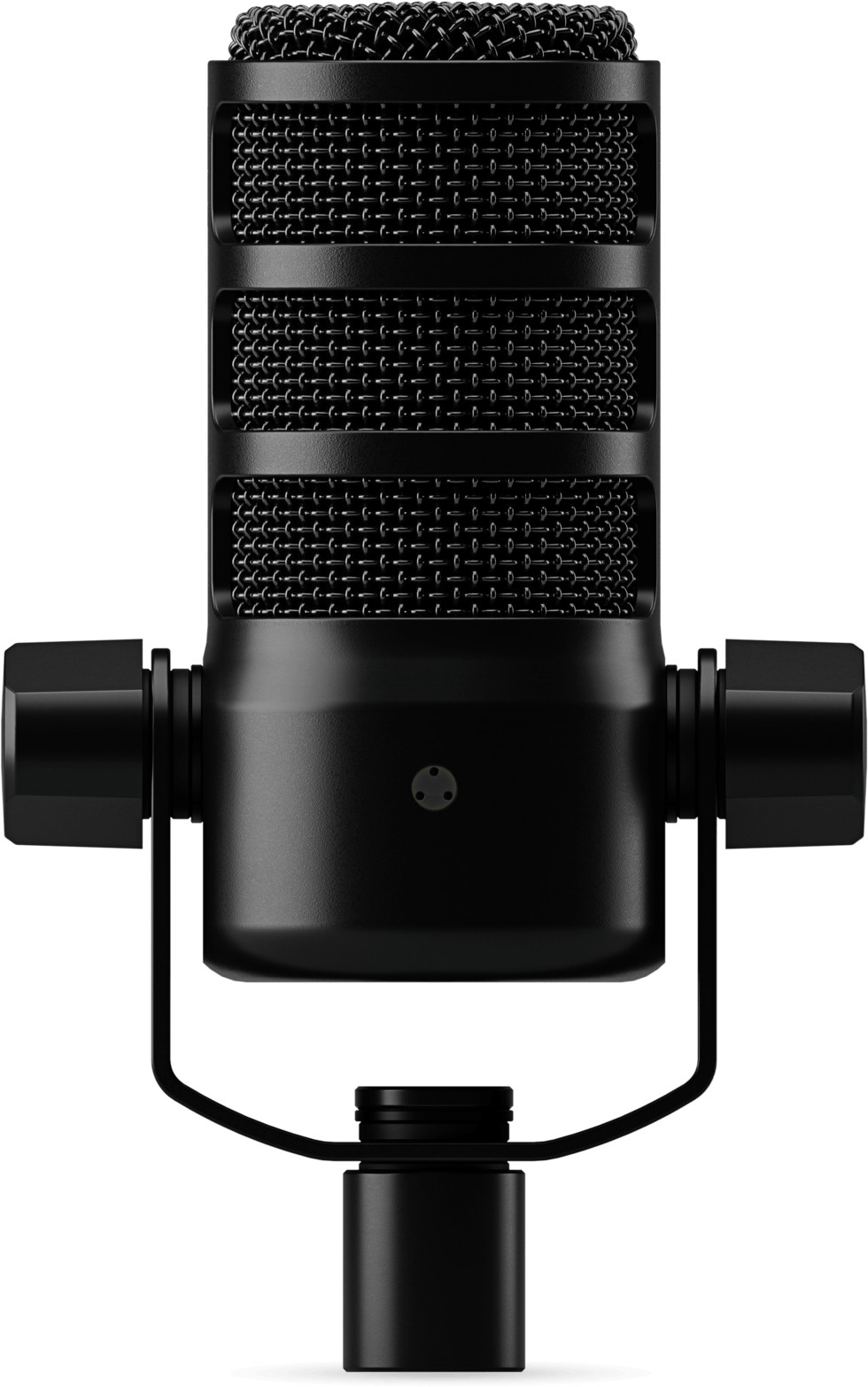
RODE microphone PodMic USB
€ 191.20€ 237.09 (incl. VAT) -
 Audio accessories, Microphones
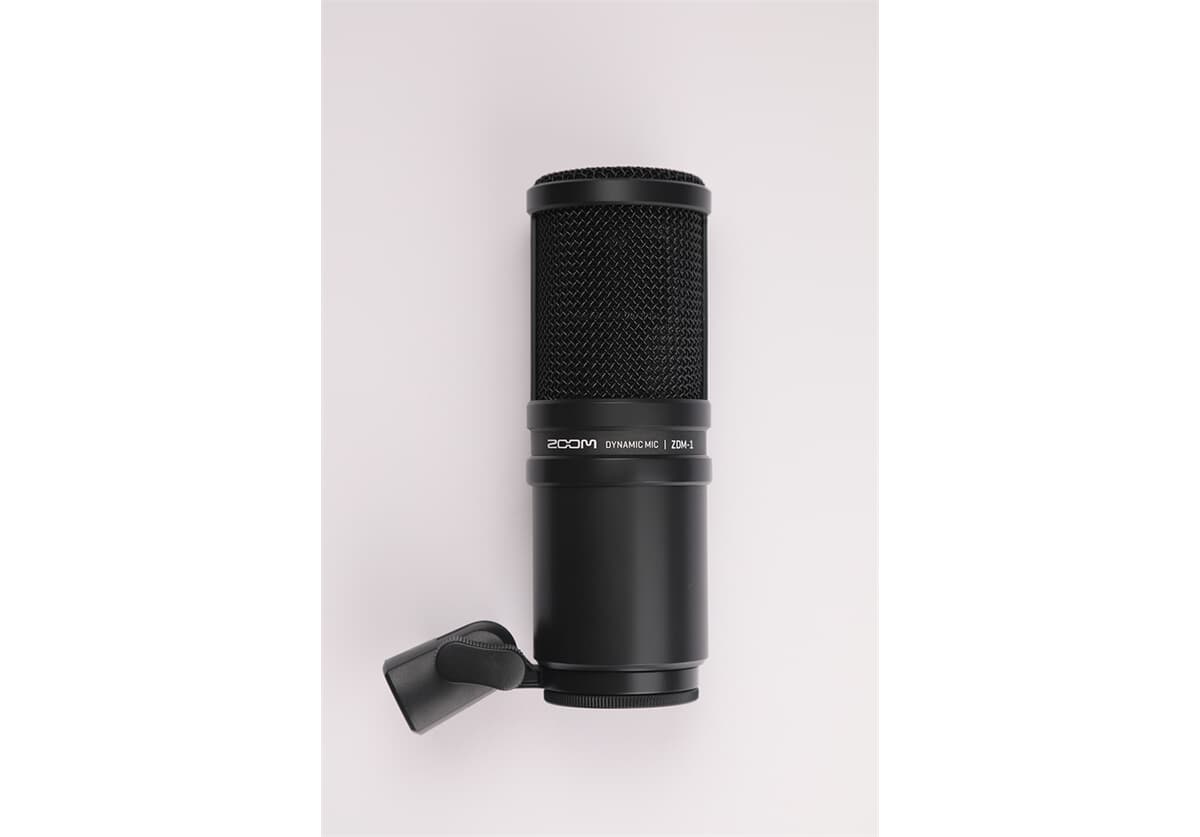
ZOOM ZDM-1 dynamic microphone
€ 69.00€ 85.56 (incl. VAT)
Condenser Microphones: Studio Detail and Vocal Clarity
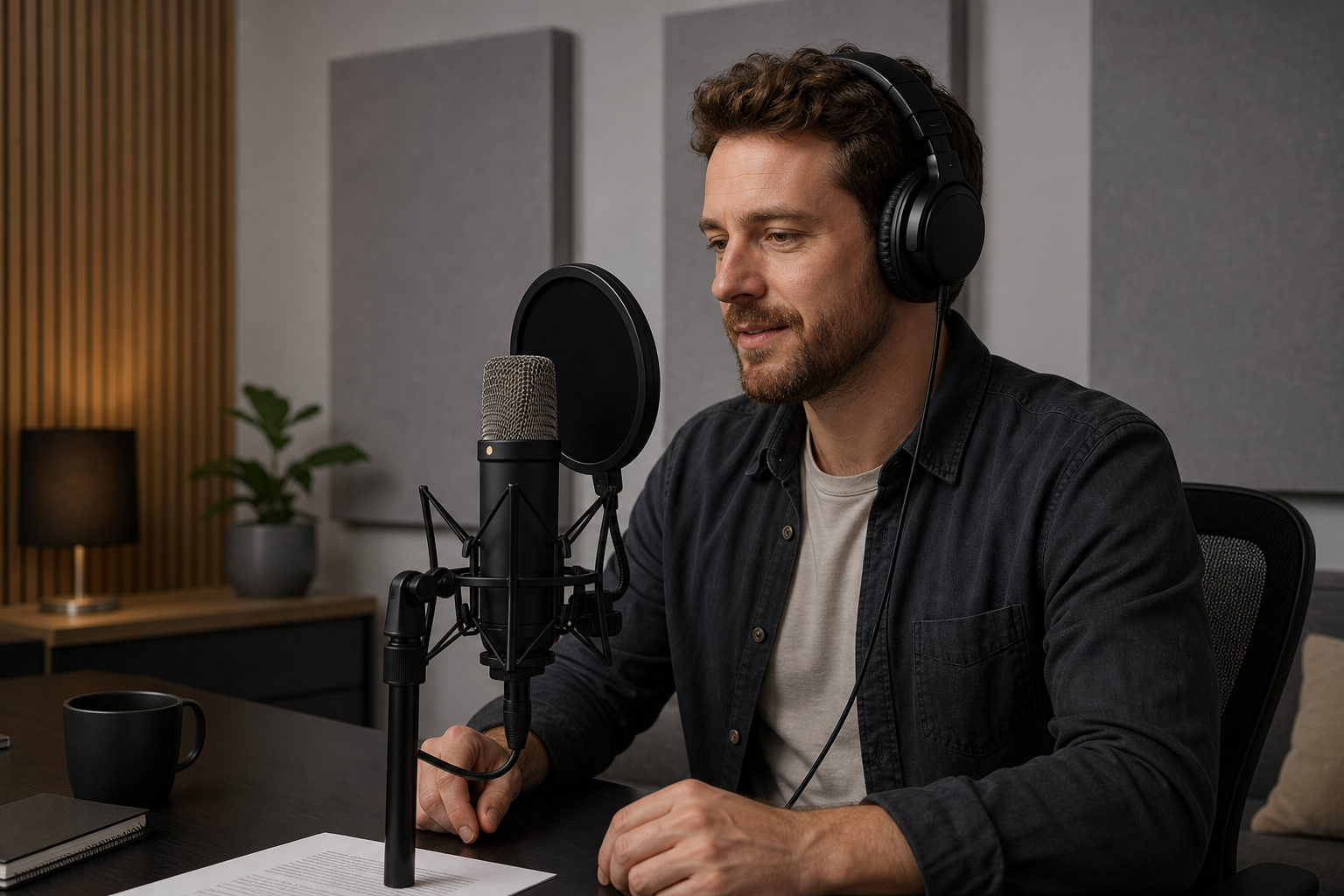
Condenser microphones deliver extended high-frequency response and high sensitivity. They capture delicate vocal nuances, subtle breathing, and natural sound depth. Acoustic research from microphone manufacturer Neumann demonstrates that condenser diaphragms accelerate faster than dynamic voice coils, preserving crisp transient details in high-frequency audio.
This extreme sensitivity can be a drawback in untreated spaces. A condenser microphone captures subtle room reflections, computer fan hum, and air conditioning noise. To use a condenser mic effectively, you need a quiet space with sound-absorbing materials. Learn simple acoustic treatment techniques in our tutorial on how to reduce echo when recording audio.
When placed in a quiet or treated room, a condenser microphone provides pristine clarity for voiceover artists, solo podcasters, and vocalists. USB condenser options offer an easy plug-and-play setup for desktop creators who want quick studio-quality sound.
-
 Microphones
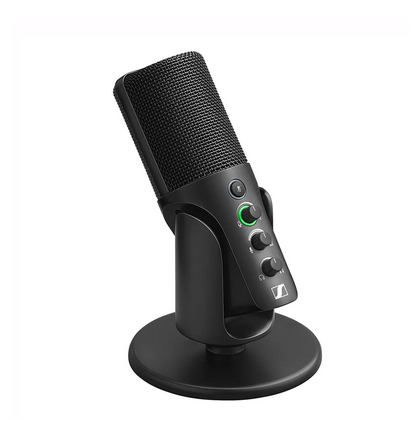
SENNHEISER Profile USB Microphone
€ 107.72€ 133.57 (incl. VAT) -
 Microphones
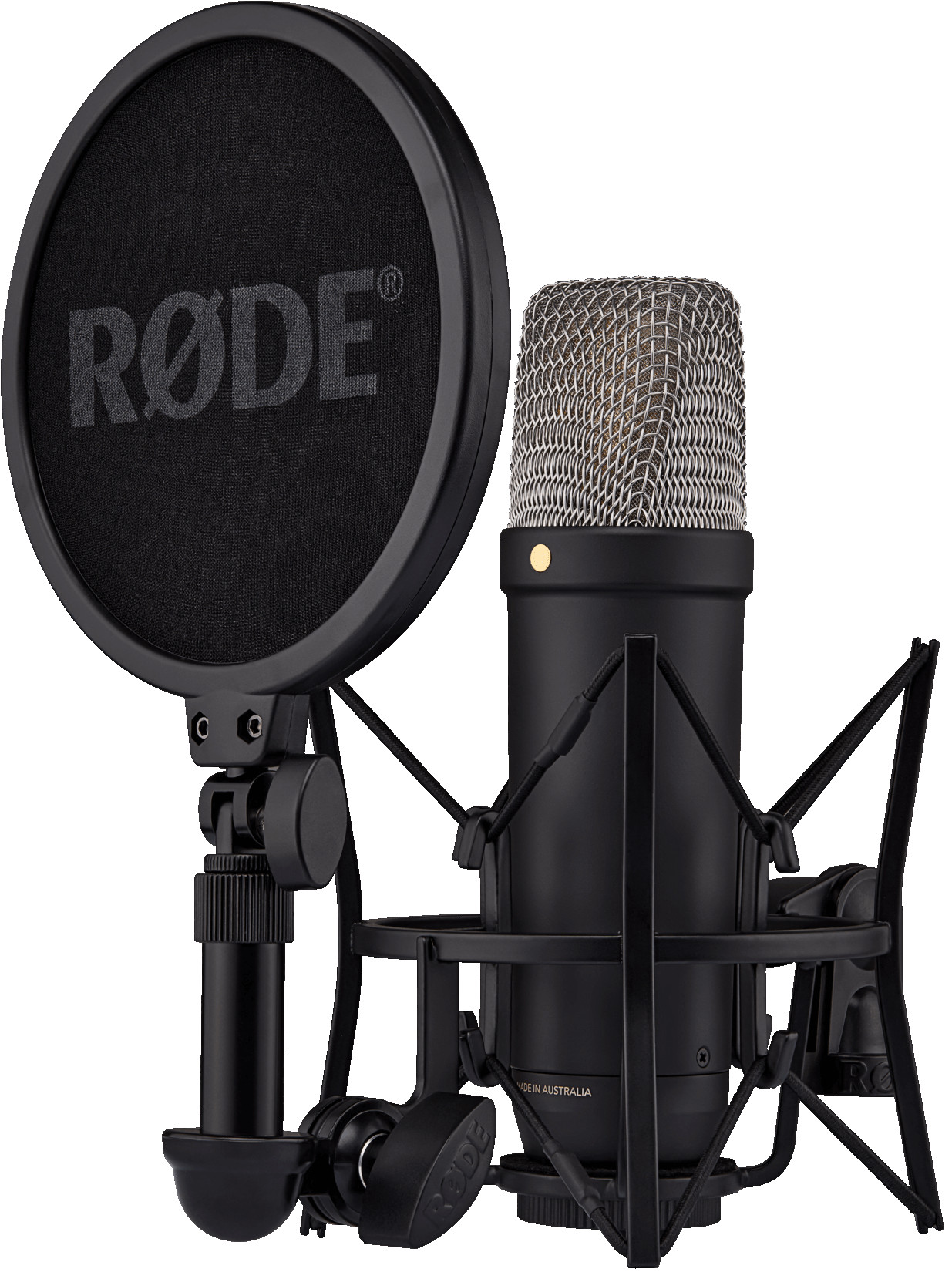
RODE microphone NT1 5th Generation, black (NT1GEN5B)
€ 215.20€ 266.85 (incl. VAT) -
 Microphones
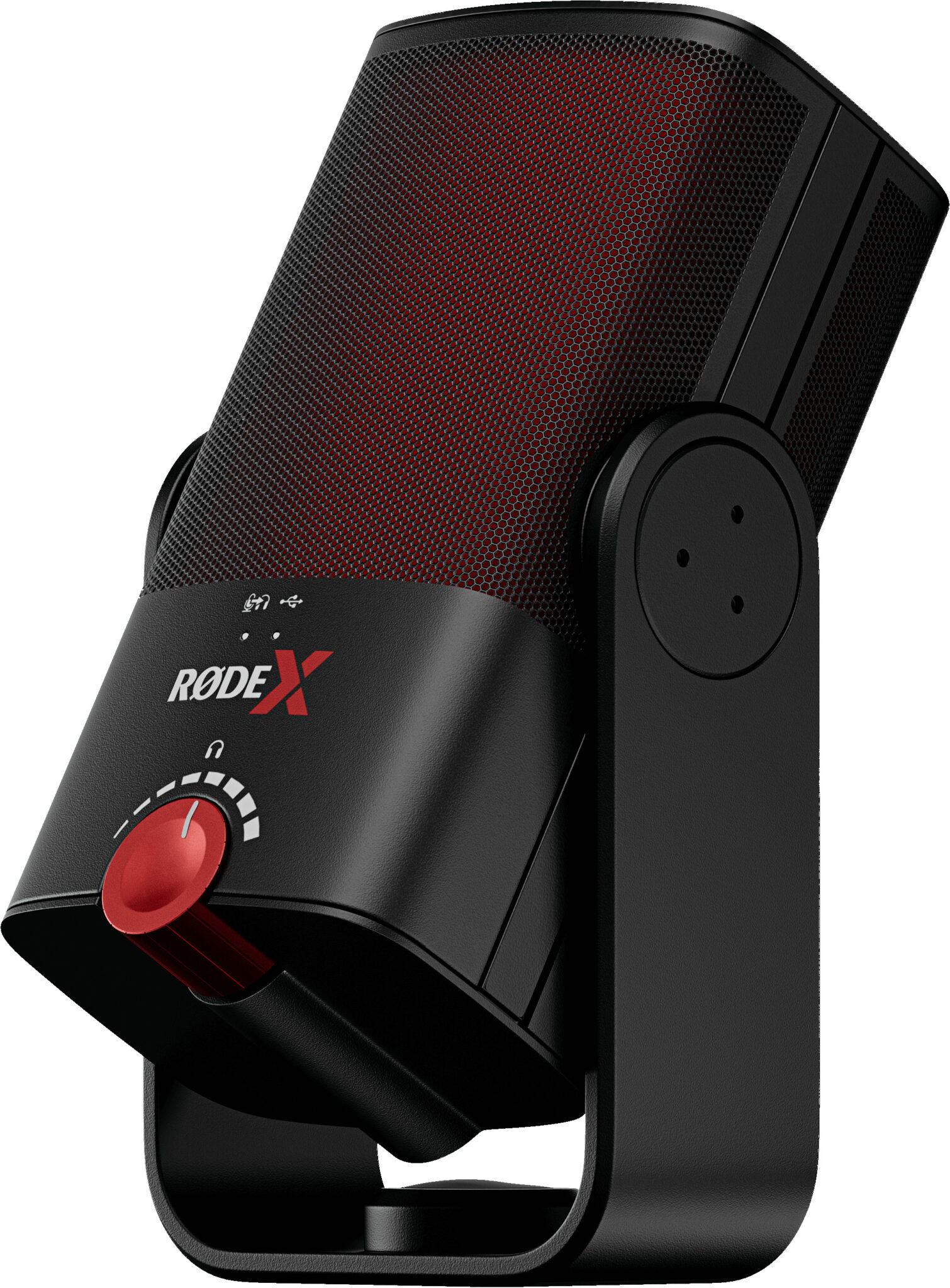
RODEX microphone XCM-50 Condenser USB
€ 143.20€ 177.57 (incl. VAT) -
 Microphones
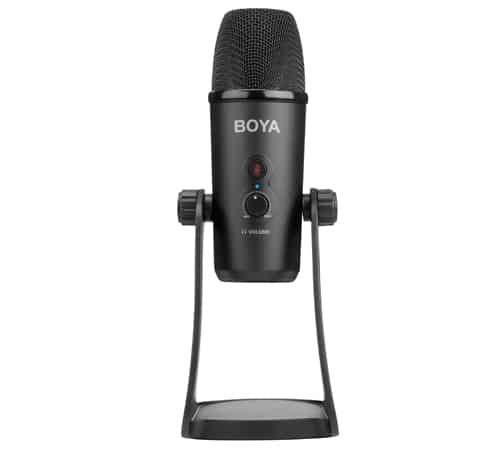
BOYA BY-PM700 USB condenser microphone
€ 99.00€ 122.76 (incl. VAT)
Side-by-Side Comparison
| Feature | Dynamic Microphones | Condenser Microphones |
|---|---|---|
| Capsule Mechanism | Moving voice coil and magnet | Charged diaphragm and backplate |
| Sensitivity | Lower (ignores background noise) | Higher (captures subtle detail) |
| Power Requirements | Passive (No phantom power required) | Active (+48V Phantom power or USB) |
| Room Fit | Untreated, reflective, or noisy rooms | Quiet, acoustically treated rooms |
| Primary Uses | Podcasting, live streaming, broadcast | Voiceover, studio vocals, detailed acoustic work |
How to Select the Right Microphone for Your Environment
When helping clients configure an audio setup, we recommend evaluating three specific environmental factors:
- Room Acoustics: Clap your hands near your desk. If you hear a sharp flutter echo or ringing sound, choose a dynamic microphone. If your room features carpet, soft curtains, or acoustic panels that absorb sound, a condenser microphone will give you richer detail without unwanted noise.
- Microphone Placement: Dynamic microphones perform best when positioned close to the speaker – roughly 15 to 30 cm (6 to 12 inches) from your mouth. If you prefer keeping the microphone further away or outside the camera frame, review our comparison on shotgun mic vs condenser mic for video or explore our recommendations for the best desk microphone for video.
- Audio Signal Chain: Confirm whether your setup relies on direct USB or dedicated XLR hardware. If you opt for an XLR dynamic mic, make sure your gear delivers clean preamp power. Combining your microphone with a proper audio interface for video production and reliable headphones for audio monitoring gives you full control over your signal.
Key Takeaways
- Match capsule type to room acoustics: Dynamic microphones suit untreated or noisy spaces, while condenser microphones thrive in quiet, treated rooms.
- Sensitivity drives noise pick-up: Dynamic mics naturally reject room echo and computer fans; condenser mics capture delicate high-frequency air and detail.
- Power needs differ: Standard XLR dynamic mics operate passively, whereas condenser mics require +48V phantom power or USB bus power.
- Placement matters: Keep spoken-word microphones 15 to 30 cm from your mouth to optimize speech level over ambient room noise.
Looking for the right microphone for your space? Explore our full catalog of professional microphones or reach out to our team at MediaGear for expert product support.